Iran, Oil, and the Strait of Hormuz: The One Geopolitical Standoff Holding Global Markets Hostage Right Now
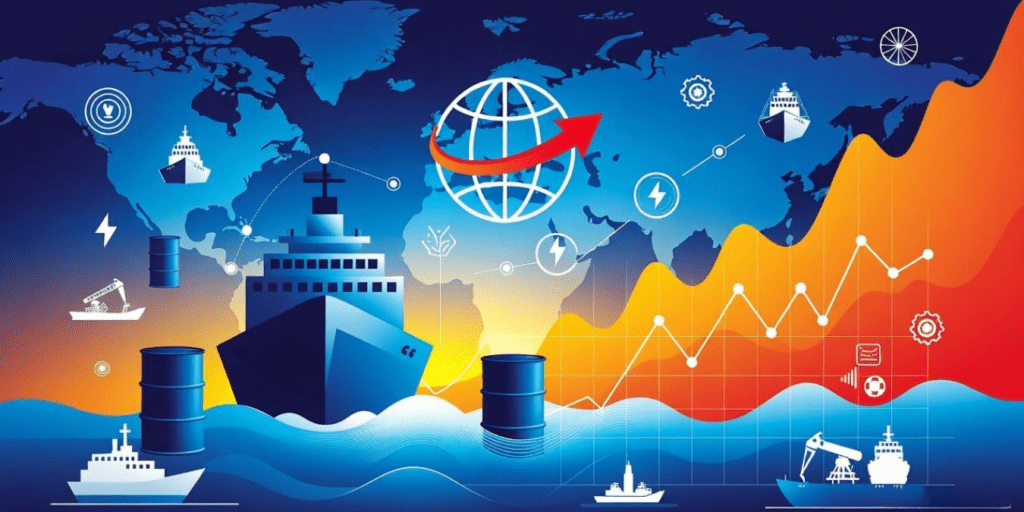
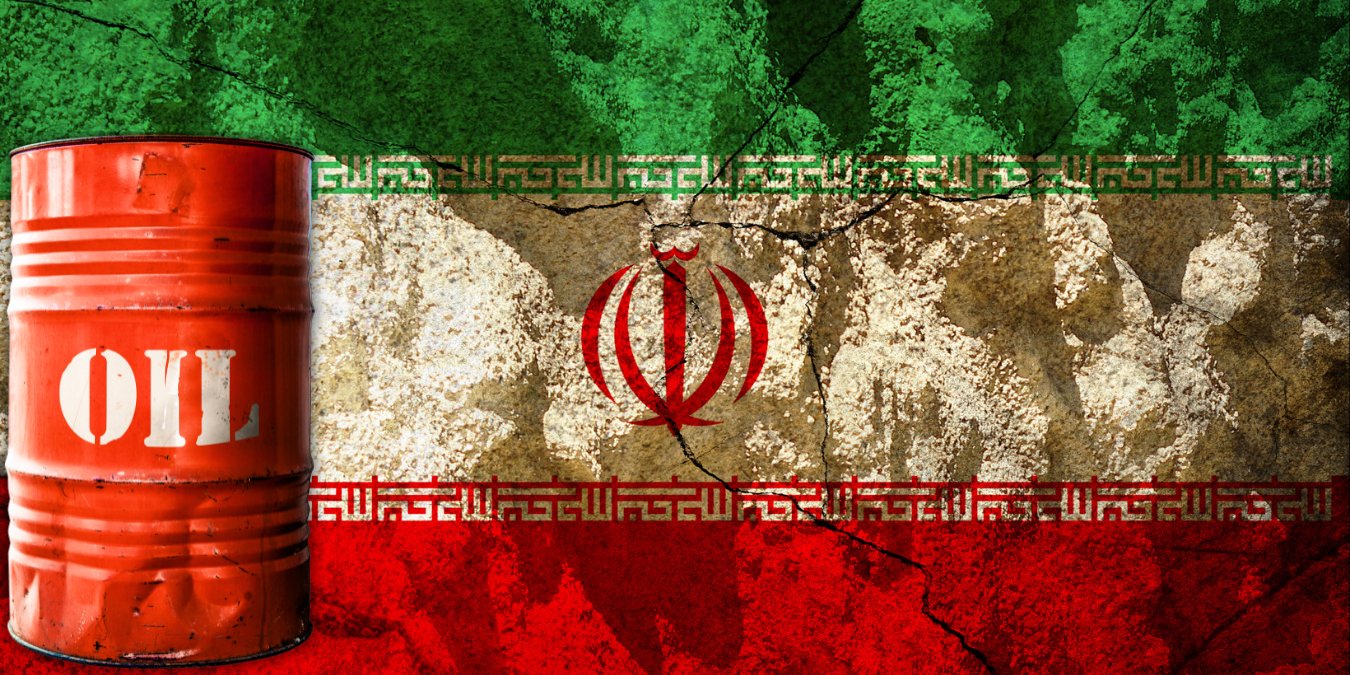
The narrow stretch of water between the Persian Gulf and the Arabian Sea has always been described as the world’s most important oil chokepoint, but in 2026, it has become something far more alarming: the single most consequential flashpoint determining whether global energy markets stabilize or spiral into a full-blown economic crisis. The Strait of Hormuz is no longer just a geographical feature on an energy analyst’s map. It is the living, breathing fault line of a geopolitical standoff that has rattled oil prices, reshaped supply chains, and forced governments from Washington to Beijing to rethink their energy security assumptions in real time.
Why the Strait of Hormuz Matters More Than Any Other Place on Earth
To understand why this single waterway holds global markets hostage, consider the numbers. In 2025, approximately 13 million barrels of crude oil passed through the Strait of Hormuz every single day, accounting for 31% of all global seaborne crude shipments. The strait is only 21 miles wide at its narrowest navigable point, and there is effectively no credible short-term alternative route for the volume of energy it moves. Beyond crude oil, it also carries significant volumes of liquefied natural gas and petrochemical feedstocks, making it the aorta through which the heartbeat of modern industrial civilization flows.
When the strait functions normally, it is invisible to most consumers. Fuel prices are steady, shipping lanes are efficient, and the Gulf Cooperation Council economies hum along. The moment it is disrupted, the consequences are instantaneous and global. Europe feels it through natural gas prices. Asia feels it through LNG import costs. The United States feels it through gasoline prices at the pump and through inflationary pressure across manufacturing supply chains. The UNCTAD has confirmed that higher energy, fertilizer, and transport costs stemming from Hormuz disruptions intensify food cost pressures particularly for the world’s most vulnerable economies.
The 2026 Escalation: How We Got Here
The current crisis did not emerge overnight. It is the product of years of accumulated tension between Iran, the United States, and Israel, punctuated by sanctions, proxy conflicts, and failed diplomatic rounds that never quite resolved the fundamental dispute over Iran’s nuclear program and regional military posture. By early 2026, the situation had crossed a threshold that many analysts had warned about for years but hoped would never materialize.
Following U.S. and Israeli strikes on Iran in late February 2026, what had been a tense but manageable standoff transformed into active military conflict. Iran responded with a strategy that shocked analysts for its low cost and high impact: rather than engaging in conventional naval warfare against the U.S. Navy, it deployed cheap drones to effectively shut down commercial maritime traffic through the strait. The near-complete shutdown of the waterway following Operation Epic Fury on February 28, 2026 was later described as the most consequential disruption to the global energy order since the 1973 Arab oil embargo. The price of crude oil surged by over 10% in the immediate aftermath of the strikes, and European and Asian natural gas prices climbed even more sharply.
The Oil Price Shock and What the Numbers Actually Tell Us
Markets were already pricing in significant geopolitical risk before the conflict escalated. Brent crude was hovering around $63 per barrel in January 2026, reflecting a market that was leaning toward oversupply. Once the conflict began, the calculus changed completely. Brent crude surged above $90 per barrel according to UNCTAD’s assessment of the unfolding disruption, with some market trackers citing prices above $110 per barrel during the most acute phase of the crisis.
Goldman Sachs provided the clearest quantitative framework for understanding the price impact. The firm estimated that in a full one-month closure of the strait with no offsets such as spare pipeline capacity releases or strategic petroleum reserve draws, oil prices would rise by as much as $15 per barrel above pre-conflict fair-value estimates. Goldman’s own strategists noted that traders were already demanding approximately $14 more per barrel to compensate for increased geopolitical risk as of early March 2026. J.P. Morgan delivered an even more sobering estimate: if the strait remained closed, crude oil production from Iraq and Kuwait alone could be halted within days, with potential supply losses of up to 4.7 million barrels per day. UBS revised its full-year 2026 Brent crude forecast upward by $10 to an average of $72 per barrel, while ANZ went further, raising its average forecast to $90 per barrel for the first quarter.
The worst-case scenario being discussed by some analysts was not $90 or even $110. If disruptions continued without resolution, prices could move toward $150 per barrel according to market analysts quoted in financial media, a level that would trigger demand destruction on a global scale and push multiple economies into recession.
Iran’s Strategic Calculus: More Rational Than It Appears
Western media often frames Iran’s threats to close the Strait of Hormuz as reckless brinksmanship, but the strategic logic is considerably more sophisticated. Iran understands that its conventional military capability cannot match the combined force of the U.S. Navy and allied air power. What it possesses, however, is the ability to impose asymmetric costs. Cheap drone attacks, mining operations, and harassment of commercial vessels do not require defeating a superpower. They require only making the insurance, routing, and commercial calculus for shipping companies unfavorable enough to keep tankers away.
This strategy was articulated by analysts before the conflict but proved even more effective than expected in practice. Iran achieved a near-complete commercial shutdown of the strait not through a naval blockade that the U.S. Fifth Fleet could dismantle, but by making the risk calculus unacceptable for commercial operators. The irony is profound: a country with a GDP a fraction of its adversaries managed to weaponize the global economy’s own risk-aversion mechanisms. Shipping insurance rates skyrocketed, maritime operators rerouted vessels around the Cape of Good Hope where possible, and the premium for routing through Persian Gulf waters made many shipments economically unviable.
Iran’s own energy exports are also affected by a closed strait, which gives Tehran a genuine incentive to eventually reopen it. But in the short term, the ability to impose costs that are geographically distributed across dozens of countries while concentrating the political and military pressure back on Washington and Tel Aviv gives Iran a form of leverage that is genuinely difficult to neutralize.
The Sanctions Dimension: Squeezing Iran’s Oil Revenue
Parallel to the military conflict, the United States has been waging an aggressive economic campaign to cut off Iran’s oil revenues, which serve as the primary funding mechanism for its military and proxy network across the region. In February 2026, the U.S. imposed sanctions on more than 30 individuals, companies, and vessels linked to Iranian oil exports and ballistic missile procurement. The Treasury Department specifically targeted shadow networks facilitating Iranian crude shipments to China, which had become the dominant buyer of Iranian oil under the “ghost fleet” system of sanction-evading tankers operating under flags of convenience.
By April 2026, the Trump administration intensified economic pressure further, with the Treasury Department warning financial institutions against permitting independent Chinese refineries to purchase Iranian oil while simultaneously cracking down on Iran’s clandestine banking operations. Following a brief period in March when sanctions were temporarily eased to maintain global oil supply, the strategy shifted decisively toward maximum pressure. By May 2026, the State Department issued a series of new actions specifically designed to tighten the grip on Iran-China oil trade, targeting the networks of brokers, shell companies, and financial intermediaries that had kept Iranian oil flowing despite years of U.S. restrictions.
The effectiveness of these sanctions is a subject of genuine debate. Iran had demonstrated remarkable ingenuity in circumventing previous sanction rounds, and its relationship with independent Chinese refineries created a demand floor that pure financial pressure struggled to eliminate. But the combination of military conflict, physical disruption of the strait, and intensified financial pressure represented a genuinely unprecedented squeeze on Iranian oil revenues.
The Ripple Effects: From Global Inflation to Food Security
The consequences of the Hormuz crisis extend far beyond energy prices. Higher oil prices function as a tax on every sector of the global economy because energy is an input cost in virtually every production chain. Freight rates surged as shipping companies rerouted around the Cape of Good Hope, adding transit time and fuel costs to every cargo movement that previously passed through the Gulf. Insurance premiums for vessels operating anywhere near the Persian Gulf reached levels that made some routes commercially unviable even for operators willing to accept higher risk.
Fertilizer prices climbed sharply because natural gas is the primary feedstock for ammonia production, and LNG supply disruptions fed directly into agricultural input costs. Food security analysts raised alarms about the downstream consequences for food-importing nations in Africa and South Asia that were already managing tight supply margins. India, which relies heavily on Gulf energy imports and has significant remittance flows from its large diaspora workforce in the GCC, faced a particularly complex exposure to the crisis through both its energy import bill and the economic stress on Gulf economies.
The IMF had projected global growth at 3.3% for 2026, but that outlook faced significant downside risk as oil prices sustained above $100 per barrel. In Europe, the combination of elevated natural gas prices and renewed inflation pressures complicated the European Central Bank’s monetary policy calculations. In the United States, higher gasoline prices threatened to reignite consumer inflation at a politically sensitive moment for the Trump administration, which had made economic performance a central narrative of its second term.
Gulf Markets: A Study in Divergence
Not all regional actors suffer equally from Hormuz disruption, and the pattern of winners and losers reveals a great deal about the underlying structure of Gulf economies. Saudi Arabia and Oman, both of which benefit from higher oil prices while having geographic and logistical advantages that partially insulate them from the worst disruption effects, actually saw their equity markets outperform during the crisis period. Oman’s index rose by 9% from the day the conflict began, while Saudi Arabia’s Tadawul gained 5.8%.
The contrast with Dubai was stark and instructive. The UAE’s DFM General Index fell nearly 16% over the same period, reflecting Dubai’s unique vulnerability as a trade, logistics, and financial hub that depends on stable Gulf commerce rather than raw commodity export revenues. Qatar fell 4% and Bahrain’s index declined 7.2%, illustrating that even hydrocarbon-rich Gulf states are not uniformly positioned to benefit from an oil price shock when the mechanism driving that shock is the disruption of the very waterway through which their exports must pass.
What Comes Next: Scenarios and Strategic Outlook
The resolution of the Hormuz standoff ultimately depends on variables that are genuinely difficult to forecast: the pace and terms of ceasefire negotiations, the durability of Iran’s military capacity to sustain drone operations against commercial shipping, the willingness of China and other large Iranian oil buyers to absorb sanction risk, and the political calculus in Washington about how far to push a military campaign against a nation with genuine capacity for asymmetric retaliation.
Several strategic pathways are being discussed by analysts. The most optimistic scenario involves a diplomatic channel, possibly through Oman which has historically served as a backchannel between Tehran and Washington, producing a working ceasefire that progressively restores commercial shipping even before a formal political settlement is reached. A second scenario involves a gradual de-escalation in which neither side achieves its maximalist objectives but both accept a reduced level of conflict that allows commercial traffic to partially resume, bringing oil prices down from their crisis peaks without fully resolving the underlying geopolitical dispute. The most pessimistic scenario involves a prolonged conflict that keeps the strait effectively closed for months, triggering the supply disruption cascade that J.P. Morgan and other institutions have modeled as capable of removing nearly 5 million barrels per day from global supply.
What is clear from Goldman Sachs’ analysis is that the spare pipeline capacity available to bypass the strait, primarily through Saudi Arabia’s East-West pipeline and the Abu Dhabi Crude Oil Pipeline, amounts to approximately 4 million barrels per day. This provides a partial but insufficient buffer against full closure. Strategic petroleum reserve releases from IEA member countries add further mitigation capacity, but these are finite resources that buy time rather than solve the fundamental supply problem.
The Structural Lesson Markets Are Learning in Real Time
Perhaps the most significant takeaway from the 2026 Hormuz crisis is not the specific price spikes or market disruptions it has caused, but the structural lesson it is delivering about the fragility of globalized energy systems built on the assumption of geopolitical stability. For decades, the concentration of global energy supply in the Persian Gulf was treated as a manageable risk because the U.S. military presence in the region was assumed to be a sufficient deterrent against physical disruption. The 2026 crisis has demonstrated that cheap drone technology and asymmetric conflict doctrine can circumvent that deterrent at a fraction of the cost of conventional military competition.
This lesson is accelerating policy changes that were already underway. The European Union’s push for energy independence, the acceleration of renewable energy deployment in energy-importing economies, the political impetus for LNG infrastructure diversification, and the renewed interest in domestic production capacity in countries that had previously outsourced energy security to the stability of Gulf logistics are all receiving fresh political energy from the Hormuz crisis.
For investors, corporate strategists, and policymakers, the Hormuz standoff is a stress test that has exposed assumptions baked into energy security frameworks over decades. The world’s most critical oil chokepoint has proven that its vulnerability is not theoretical, and the cost of that realization is being distributed across global economies in the form of higher energy prices, supply chain disruption, inflationary pressure, and the very real specter of a sustained supply shock that no amount of financial engineering or reserve releases can fully offset. The Strait of Hormuz is 21 miles wide. Its closure is shaking an entire planet.
This article is based on reporting and analysis from Goldman Sachs Research, UNCTAD, Reuters, CNBC, J.P. Morgan, UBS, ANZ, the U.S. Department of State, and multiple energy market intelligence sources covering the 2026 Iran-Hormuz crisis.