₹50 Lakh Personal Loan Without Documents? Here's What HDFC's 2026 Rule Actually Changes for Indian Borrowers
HDFC’s rumored ₹50 lakh personal loan without documents sounds unbelievable, but the 2026 rule change reveals a sharper truth. Who really qualifies, what’s hidden behind zero paperwork, and why most borrowers may still be rejected? This surprising update could change how India borrows in 2026.
HDFC Bank now offers instant personal loans up to ₹50 lakh with zero documentation for pre approved customers, but there’s a critical catch that misinformation online is hiding: this benefit applies only to existing KYC compliant customers with excellent credit scores, not to everyone walking in off the street. The 2026 update tightened RBI digital lending guidelines while simultaneously expanding instant approval access for qualified borrowers, creating a two tier system where your creditworthiness determines whether you get instant zero documentation approval or face traditional paperwork requirements. This comprehensive guide explains exactly what changed, who qualifies, and how to maximize your approval chances based on verified HDFC Bank policy and current RBI regulations.
Understanding the Zero Documentation Claim Truth
The phrase “loan without documents” generates massive search traffic but creates dangerous confusion among Indian borrowers. HDFC Bank’s official personal loan page explicitly states borrowers can get instant personal loans up to ₹50 lakh with zero documentation, quick approval, flexible tenure, and low interest rates starting from 9.99 percent. However this zero documentation benefit applies specifically to pre approved customers who already have established banking relationships with HDFC Bank where KYC verification, income proof, and credit history already exist in their systems. For new customers or those without pre approved status, HDFC still requires standard documentation including income proof, identity verification, and address proof based on profession and income level. The 2026 change isn’t eliminating documentation requirements universally but rather expanding instant approval access for customers who already meet HDFC’s internal risk assessment criteria through their existing banking relationship. This distinction matters because applying without understanding qualification criteria leads to rejection, hard credit inquiries that damage your CIBIL score, and wasted time for both borrowers and lenders.
HDFC Personal Loan Interest Rates and Fees in May 2026
Personal loan interest rates across Indian banks have shifted significantly in 2026 due to RBI’s monetary policy stance and risk tightening in unsecured lending. HDFC Bank’s personal loan interest rates start from 9.99 percent per annum for pre approved customers with excellent credit profiles. This starting rate applies to borrowers with CIBIL scores above 750, stable employment history, and low existing debt obligations. For context, State Bank of India charges interest in the range of 10 percent to 15 percent per annum, while other private banks like ICICI and Axis Bank offer competitive rates between 10.5 percent and 16 percent depending on credit profile. The lowest personal loan interest rates in 2026 start from 8.75 percent offered by select PSU banks for premium customers, but HDFC’s 9.99 percent starting rate positions it competitively among private sector banks. HDFC charges a processing fee up to ₹6,500 plus applicable GST on personal loans, which is standard across private sector banks for loans of this magnitude. Pre payment charges on floating rate loans have been eliminated since January 1 2026 following RBI aligned guidelines, providing borrowers flexibility to close loans early without penalties. Understanding the complete cost structure including interest rate, processing fees, GST, and potential insurance add ons is essential before committing to any personal loan agreement.
Eligibility Criteria That Actually Matter for ₹50 Lakh Approval
HDFC Bank’s personal loan eligibility criteria determine whether you qualify for the ₹50 lakh maximum amount or receive a lower sanctioned amount. The minimum age requirement is 21 years and maximum age is 60 years at loan maturity. Applicants must have minimum 2 years of total work experience and at least 1 year with their current employer or business. The minimum monthly net income requirement is ₹25,000 for salaried individuals, though this varies based on city tier and living costs. For ₹50 lakh approval specifically, you need substantially higher income typically exceeding ₹3 lakh monthly net income combined with exceptional credit score above 780 and debt to income ratio below 40 percent. The CIBIL score is vital for personal loan approval and borrowers with scores below 750 face either rejection or significantly higher interest rates. RBI’s 2026 policy signals have tightened risk in unsecured personal lending, meaning banks now apply stricter scrutiny on high value loans without collateral. Professionals like doctors, CA’s, and IT executives often get preferential treatment with higher loan amounts due to stable income profiles and lower default risk. Your existing relationship with HDFC Bank including salary account, fixed deposits, credit cards, and loan repayment history significantly impacts eligibility and approved amount. Self-employed professionals face stricter documentation requirements despite the zero documentation marketing claim for pre-approved customers.
RBI 2026 Digital Lending Guidelines Impact on Personal Loans
The Reserve Bank of India’s updated digital lending guidelines effective 2026 fundamentally changed how banks like HDFC process personal loans and verify borrower eligibility. These new guidelines require mandatory two factor authentication for all digital payments and lending transactions, enhancing security but adding verification steps. The RBI has mandated clearer treatment of prepayment charges especially for floating rate loans, benefiting borrowers who want to close loans early. Digital Lending Apps DLAs must now provide Key Fact Statement KFS showing transparent APR calculations, cooling off periods, and complete fee disclosure before loan acceptance. Data privacy rules under RBI guidelines protect borrower information from unauthorized sharing with third parties and require explicit consent for credit bureau inquiries. The regulatory framework exists to keep borrowing transparent and protect borrowers from hidden charges predatory lending practices and harassment during recovery. Sixty percent of personal loan rejections occur due to documentation criteria issues including incomplete documents, fake documents, or mismatched information across verification sources. RBI’s policy stance in 2026 signals risk tightening in unsecured personal lending which means banks are being more conservative about approving high value loans without collateral. These regulations make the zero documentation claim even more significant because HDFC can only offer this benefit to customers who already satisfy all regulatory verification requirements through their existing banking relationship.
CIBIL Score Requirements and Credit Profile Optimization
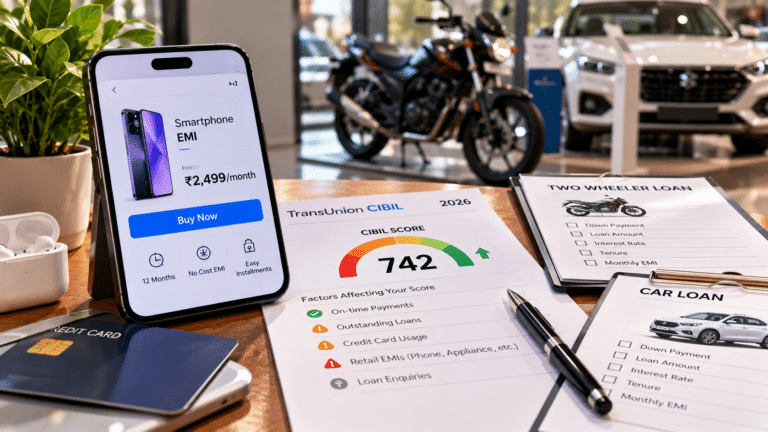
Your CIBIL score is the single most important factor determining personal loan approval, interest rate, and sanctioned amount in 2026. The minimum CIBIL score required for personal loan approval in 2025-2026 is generally 750 for competitive rates, though some lenders may approve scores as low as 650 with significantly higher interest rates. Excellent credit scores above 750 qualify for interest rates ranging from 10 percent to 14 percent while good scores between 650 and 749 receive rates between 14 percent and 18 percent. For ₹50 lakh loan approval specifically, you typically need a CIBIL score above 780 combined with clean credit history showing no defaults, timely EMI payments, and low credit utilization ratio below 30 percent across all credit cards. Understanding the minimum CIBIL score for personal loan approval is vital because insufficient credit often leads to rejections or higher interest rates that increase your total repayment burden significantly. To improve your creditworthiness before applying pay down existing credit card balances, avoid making multiple loan applications within short periods, ensure all EMIs are paid on time, and check your credit report for errors that might be dragging down your score. HDFC Bank accesses your CIBIL score during the application process and this hard inquiry temporarily reduces your score by 5-10 points, so applying without proper preparation can backfire. If your CIBIL score is below 700, consider building credit through small secured loans or credit cards before applying for a ₹50 lakh personal loan.
Step by Step Application Process for Pre Approved Customers
If you’re a pre approved HDFC customer, the application process for instant ₹50 lakh personal loan is remarkably streamlined compared to traditional loan applications. First log into HDFC NetBanking or Mobile Banking app and navigate to the personal loan section where you’ll see your pre approved offer amount and interest rate displayed prominently. The system shows your eligible loan amount based on your existing relationship with HDFC including salary account history, credit card spending patterns, fixed deposits, and previous loan repayment behavior. Click on the apply button and review the loan amount, interest rate, tenure options which typically range from 12 months to 60 months, and EMI amount before confirmation. Since you’re pre approved and KYC compliant, no document upload is required and funds get disbursed into your HDFC account within 10 seconds of approval confirmation. You receive SMS and email confirmation with loan account details, EMI schedule, and repayment instructions immediately after disbursal. The entire process from login to disbursal takes less than 2 minutes for pre approved customers with complete digital verification. For non pre approved customers the process requires visiting a branch or completing online application with document uploads including income proof, identity proof, address proof, and photographs. Processing time for non pre approved applications ranges from 24 hours to 5 working days depending on verification complexity and document completeness. Always read the loan agreement carefully before accepting, paying attention to interest rate type floating or fixed, pre payment clauses, insurance requirements, and any hidden charges not mentioned in the initial offer.
Common Mistakes That Cause Personal Loan Rejection
Understanding why personal loans get rejected helps you avoid costly mistakes that damage your credit score and delay financial planning. The most common reason for rejection is incomplete or fake documents which accounts for 60 percent of all personal loan declines across Indian banks. Low credit scores below 750 trigger automatic rejection or approval with prohibitively high interest rates that make loans unaffordable. Insufficient income relative to the loan amount requested causes rejection because lenders calculate debt service coverage ratio and reject applications where EMIs exceed 50-60 percent of monthly net income. Frequent loan applications within short periods create multiple hard inquiries on your credit report signaling financial distress to lenders. Mismatched information across documents such as different addresses on Aadhaar and utility bills, income discrepancies between ITR and salary slips, or employment gaps raise red flags during verification. Existing high debt obligations including credit card balances, car loans, home loans, and other personal loans reduce your eligibility for additional high value loans. Self-employed professionals without consistent ITR filing for 3 years face stricter scrutiny and higher rejection rates compared to salaried employees with stable income proof. Applying for loans without checking your CIBIL score first is like applying for jobs without updating your resume—you’re setting yourself up for unnecessary rejection. Banks also reject applications from individuals with previous loan defaults, settled accounts, or bankruptcy history in their credit report regardless of current financial situation.
How to Maximize Your Approval Chances for ₹50 Lakh
Maximizing your approval chances for a ₹50 lakh personal loan requires strategic preparation months before applying rather than last minute scrambling. Start by checking your CIBIL score online and obtaining your full credit report to identify any errors, outdated information, or negative entries that might be dragging down your score. If your score is below 750, delay your application and focus on credit optimization for 3-6 months by paying down credit card balances to below 30 percent utilization, ensuring all EMIs are paid on time without exception, and avoiding new credit applications. Maintain stable employment without job changes for at least 12 months before applying since frequent job switching signals income instability to lenders. If you’re not an existing HDFC customer, open a salary account with HDFC Bank and maintain consistent salary credits for 6 months before applying for a personal loan to build relationship value. Reduce your existing debt obligations by paying off credit card balances, closing unused credit cards, and pre paying small personal loans to improve your debt to income ratio before applying for ₹50 lakh. Gather all required documents in advance including 3 years of ITR for self-employed, 6 months of bank statements, salary slips, employment proof, and identity address documents to avoid delays during verification. Apply during periods of stable or declining interest rates rather than when RBI is tightening monetary policy since banks may become more conservative about high value unsecured lending. Consider applying for a lower amount initially like ₹25 lakh and building a positive repayment history before requesting additional top up loans which often have easier approval processes. Compare offers from multiple banks including SBI, ICICI, Axis, and HDFC to ensure you’re getting the best interest rate and terms before committing.
Realistic Expectations About Loan Amount and Tenure
Setting realistic expectations about loan amount and tenure prevents disappointment and helps you plan finances appropriately. While HDFC advertises personal loans up to ₹50 lakh, the actual sanctioned amount for most borrowers ranges between 10-30 lakhs based on income, credit score, and existing debt obligations. The ₹50 lakh maximum applies to a tiny fraction of borrowers with exceptional profiles including monthly income above ₹3 lakh, CIBIL scores above 780, minimal existing debt, and long standing relationships with HDFC Bank. Personal loan tenures typically range from 12 months to 60 months with longer tenures reducing monthly EMI but increasing total interest cost significantly. For a ₹50 lakh loan at 11 percent interest over 5 years, your monthly EMI would be approximately ₹1,08,500 which requires monthly income exceeding ₹2 lakh to maintain acceptable debt to income ratio. Extending tenure to 7 years reduces EMI to approximately ₹86,000 but increases total interest paid by nearly ₹70 lakh over the loan life. Shorter tenures like 24 months require much higher EMIs but save substantial interest costs and demonstrate financial discipline to lenders for future borrowing. Your sanctioned amount also depends on your existing credit card limits and usage since banks consider total unsecured credit exposure when determining loan eligibility. Many borrowers overestimate their eligibility and apply for amounts they cannot realistically afford leading to rejection or approval with unaffordable EMIs that create financial stress. Use HDFC’s personal loan eligibility calculator before applying to get realistic estimate of sanctioned amount based on your income, expenses, and existing obligations. Remember that getting approved for ₹50 lakh doesn’t mean you should borrow that much—borrow only what you need and can comfortably repay within your budget.
Financial Planning Considerations Before Taking High Value Personal Loan
Taking a ₹50 lakh personal loan represents a significant financial commitment requiring careful planning and realistic assessment of repayment capacity. Before borrowing calculate your total monthly financial obligations including existing EMIs, living expenses, savings goals, emergency fund contributions, and the new personal loan EMI to ensure you maintain at least 30 percent income buffer for unexpected expenses,. Personal loans are unsecured meaning they carry higher interest rates compared to secured loans like home loans or car loans, making them expensive for long term financing needs,. Consider whether your loan purpose justifies the cost—personal loans for debt consolidation making sense if you’re replacing credit card debt at 36 percent interest with personal loan at 12 percent, but borrowing for luxury consumption or speculative investments creates dangerous financial leverage. Emergency funds should remain intact after loan disbursal maintaining 6 months of essential expenses in liquid savings account separate from loan proceeds. If you’re borrowing for business purposes consider alternative options like business loans or MSME loans which may offer better rates, longer tenures, and tax benefits compared to personal loans. Understand the total cost of borrowing including principal, interest over full tenure, processing fees, GST, insurance premiums, and any pre payment charges to calculate true annual percentage rate rather than just looking at monthly interest rate. Avoid using personal loan for down payment on property or car since this creates layered debt with both loans requiring repayment simultaneously. Consider insurance coverage either credit life insurance or adequate term insurance to protect your family from loan burden in case of untimely death or disability. Review your budget quarterly after taking the loan and adjust spending to ensure timely EMI payments without strain. If you anticipate income instability due to industry downturns, job change, or business uncertainty, consider waiting before taking high value personal loan or reducing loan amount to manageable levels.
Alternative Options If You Don’t Qualify for HDFC Zero Documentation Loan
If you don’t qualify for HDFC’s zero documentation pre approved loan, several alternative financing options exist that might better suit your profile and needs. Standard personal loans from HDFC or other banks require documentation but offer similar interest rates and tenure options for borrowers with good credit scores. SBI offers personal loans starting from 10 percent interest with slightly stricter documentation but better rates for government employees and PSU workers. ICICI Bank and Axis Bank provide instant personal loans with minimal documentation for customers with existing relationships similar to HDFC’s offering. For professionals like doctors, CA’s, and lawyers, specialized professional loans offer higher amounts up to ₹50 lakh with better rates based on professional qualifications and income stability. Business loans and MSME loans provide higher amounts with longer tenures for business purposes and may offer tax benefits unavailable with personal loans. Credit card balance transfer offers can consolidate high interest credit card debt at lower rates without taking a new personal loan. Secured loans against fixed deposits, insurance policies, or gold provide lower interest rates and easier approval since collateral reduces lender risk. If you need smaller amounts like ₹50,000 to ₹5 lakh, instant approval digital lending apps offer quick disbursal with minimal documentation though rates are typically higher. Consider home loan top up or car loan top up if you already have existing secured loans since these offer better rates than personal loans. Peer to peer lending platforms provide alternative financing for borrowers who don’t qualify for traditional bank loans though due diligence is essential to avoid predatory lenders.
Final Verdict on HDFC’s 2026 Personal Loan Rule Change
HDFC Bank’s 2026 personal loan update represents a strategic evolution in digital lending rather than a revolutionary change eliminating documentation for everyone. The zero documentation ₹50 lakh loan benefit is real but exclusively available to pre approved KYC compliant customers with excellent credit profiles existing banking relationships and proven repayment history. For the 90 percent of borrowers who aren’t pre approved, traditional documentation requirements remain in place with income proof, identity verification and address proof still mandatory. RBI’s 2026 digital lending guidelines have actually increased transparency and borrower protection while making banks more cautious about unsecured lending risk. Your CIBIL score above 750 remains the critical gatekeeper determining whether you get instant approval or face rejection regardless of marketing claims. The interest rate starting from 9.99 percent is competitive but applies only to premium borrowers while average borrowers pay 12-16 percent depending on their credit profile. Before applying check your CIBIL score gather all documents reduce existing debt maintain stable employment and apply only when you genuinely need funds for productive purposes not consumption. This balanced approach protects you from overborrowing while ensuring you get fair access to credit when you qualify based on merit rather than marketing hype.