Photo by Tima Miroshnichenko on <a href="https://www.pexels.com/photo/a-person-counting-us-dollars-6694569/" rel="nofollow">Pexels.com</a>
Introduction
Inflation is like that sneaky thief who slowly nibbles away at your purchasing power without you even noticing. On the other hand, rental income seems like a reliable friend, providing steady cash flow month after month. But can rental income alone keep pace with or even outpace inflation? Let’s dive into this intricate dance between inflation and rental income.
Inflation and Its Impacts
What is Inflation?
Inflation refers to the rate at which the general level of prices for goods and services rises, subsequently eroding the purchasing power of currency. Essentially, as inflation goes up, each dollar you have buys a smaller percentage of a good or service.
Historical Inflation Rates
Historically, inflation rates have fluctuated. For instance, in the United States, the average annual inflation rate has hovered around 3% over the past century, though there have been periods of significantly higher and lower rates.
How Inflation Affects Purchasing Power
As prices increase, the value of money decreases. This means that unless your income grows at the same rate as inflation, your purchasing power diminishes. For landlords, the key question is whether rental income can keep pace with these rising costs.
Understanding Rental Income
- What Constitutes Rental Income?
Rental income is the amount of money received by a landlord from tenants. This can include monthly rent payments, security deposits, and fees for additional services like parking or pet accommodations.
- Types of Rental Properties
Rental properties can vary widely, including single-family homes, apartments, commercial properties, and short-term rentals.
- Factors Influencing Rental Income
Several factors affect rental income, including location, property condition, market demand, and the landlord’s management skills.
Comparison of Rental Income vs. Inflation Rates
- Historical Analysis of Rental Income Growth
Historically, rental income has shown steady growth. However, the rate of growth can vary based on economic conditions, location, and property type.
- Comparing Rental Income Growth to Inflation Rates
In many cases, rental income has kept pace with or exceeded inflation. However, this is not guaranteed and can be influenced by local market conditions and broader economic factors.
Strategies to Maximize Rental Income
- Location and Property Selection:Choosing properties in high-demand areas can significantly boost rental income. Proximity to amenities, good schools, and transportation hubs are key factors.
- Renovations and Upgrades:Investing in property upgrades can justify higher rent prices. Modern kitchens, updated bathrooms, and energy-efficient features are attractive to tenants.
- Effective Property Management:Good management practices, including regular maintenance and responsive communication, can lead to higher tenant satisfaction and retention, thereby stabilizing rental income.
The Role of Economic Conditions
- Economic Booms and Busts:Economic conditions heavily influence the rental market. During economic booms, demand for rental properties can increase, driving up rental income. Conversely, during downturns, rental demand may decrease.
- Impact on Rental Market Demand:Inflation can impact rental market demand. For example, if inflation leads to higher interest rates, more people might choose renting over buying, increasing demand for rental properties.
- Inflation’s Effect on Rent Prices:Inflation often leads to higher costs for landlords, such as maintenance and utilities. These costs can be passed on to tenants through higher rent prices, but there is a limit to how much rent can be increased without losing tenants.
Case Studies
Rental Income in Urban Areas
Urban areas typically have higher rental income potential due to greater demand. Cities with strong job markets and amenities tend to attract more tenants.
Let’s explore rental income trends in Indian urban areas:
- Average Rental Yield:
- In India, a 3–5% gross rental yield for apartments is considered average and is common in most cities.
- Individual homes typically have a higher rental yield.
- Commercial properties, on the other hand, tend to yield around 6–10%.
- Affordable Rental Housing:
- India faces a significant housing shortage, especially for economically weaker sections (EWS) and low-income groups (LIG).
- The Affordable Rental Housing Complex (ARHC) scheme, launched in June 2020, aims to provide decent rental housing for the urban poor near their workplaces.
- This initiative benefits multiple stakeholders, including dwellers, developers, and urban local bodies.
Rental Income in Suburban and Rural Areas
While rental income in suburban and rural areas might be lower, the costs associated with these properties are also generally lower. This can lead to a decent net income despite lower rent prices.
Let’s explore rural and urban rental income trends in India:
- Urban Rental Income:
- Average Urban Income: Urban households typically earn more than their rural counterparts. The average annual income for urban households is around ₹2,67,656.
- Rental Yield: In urban areas, rental yields for residential properties (apartments, houses) generally range from 3% to 5%. Commercial properties may yield higher returns (around 6% to 10%).
- Demand and Supply: Urban locations have a higher supply of rental properties, offering renters a wider selection. However, tenant demand has surged, especially in suburban and rural regions.
- Rural Rental Income:
- Average Rural Income: Rural households have an average annual income of approximately ₹1, 67,833.
- Income Disparity: The rural-urban divide is stark, with rural incomes being less than half of urban incomes. This disparity impacts spending and consumption patterns significantly.
- Challenges: Rural rental income faces challenges due to limited infrastructure, lower property values, and fewer tenants.
Potential Risks and Challenges
- Market Volatility:The rental market can be volatile. Economic downturns, changes in local laws, and shifts in market demand can all impact rental income.
- Tenant Issues:Issues such as late payments, property damage, and eviction processes can affect rental income and increase costs.
- Regulatory and Taxation Changes:Changes in housing regulations and taxes can impact profitability. Staying informed and adapting to new laws is crucial for landlords.
Additional Income Streams for Landlords
- Short-Term vs. Long-Term Rentals:Short-term rentals can offer higher income but come with higher turnover and management costs. Long-term rentals provide stable, consistent income but at potentially lower rates.
- Ancillary Services (e.g., parking, storage):Offering additional services like parking spaces, storage units, or laundry facilities can provide extra income streams.
Long-Term Investment Planning
- Building a Diverse Real Estate Portfolio
Diversifying across different property types and locations can mitigate risks and maximize returns.
- Other Investments to Hedge Against Inflation
Incorporating other investments, such as stocks, bonds, or commodities, can provide additional protection against inflation.
Expert Opinions
- Economists’ Views on Rental Income and Inflation
Many economists believe that real estate, including rental properties, can be a good hedge against inflation, as property values and rents often increase with inflation.
- Real Estate Experts’ Insights
Real estate experts emphasize the importance of strategic property selection, effective management, and diversification in maximizing rental income.
Future Projections
- Predicted Inflation Trends
While predicting exact inflation rates is challenging, many forecasts suggest continued moderate inflation. Preparing for varying scenarios is crucial for landlords.
- Forecasting Rental Income Growth
Rental income is expected to grow, particularly in high-demand areas. However, growth rates can vary based on economic conditions and market dynamics.
Personal Financial Planning
- Budgeting and Saving Tips for Landlords
Effective budgeting and saving are crucial for managing rental properties. Setting aside funds for maintenance, vacancies, and unexpected expenses is essential.
- Planning for Retirement with Rental Income
Rental properties can be a significant part of retirement planning. Ensuring properties are well-maintained and income-generating is key to a stable retirement income.
Conclusion
In conclusion, rental income has the potential to keep pace with or even outstrip inflation, especially when landlords employ strategic property selection, effective management, and diversification. However, it’s not without risks. Staying informed and adaptable is crucial for long-term success in the rental market.
Frequently Asked Questions
- Can rental income alone sustain long-term financial stability?
- While rental income can be a significant part of financial stability, diversification with other income streams and investments is recommended.
- How can landlords protect their income against inflation?
- Regularly adjusting rent prices, maintaining property quality, and diversifying income streams can help protect against inflation.
- What are the best property types for maximizing rental income?
- Properties in high-demand urban areas, multifamily units, and short-term rentals often offer higher rental income potential.
- How does inflation impact mortgage rates for rental properties?
- Inflation often leads to higher interest rates, which can increase mortgage costs for new property purchases or refinancing.
- Is it better to invest in real estate or other assets to beat inflation?
- A balanced approach, including real estate and other assets like stocks and bonds, is generally recommended to hedge against inflation.
-

Oommen Chandy Health Insurance Scheme: Can You Apply Yet for the ₹25 Lakh Family Cover — and What to Do Until Registration Opens?
Oommen Chandy Health Insurance Scheme: Can You Apply Yet? ₹25 Lakh Cover, Eligibility and Timeline Health InsuranceKeralaRegistration status: not open Oommen Chandy Health Insurance Scheme: Can You Apply Yet for the ₹25 Lakh Family Cover — and What to Do Until Registration Opens? Kerala’s government has announced a health insurance scheme with up to ₹25…
-

Which Bank Lets You Open a Savings Account Online Instantly With Video KYC — and When Can You Actually Get on the Call?
Which Bank Lets You Open a Savings Account Online Instantly With Video KYC? Timings and Rules Compared Banking / Accounts / India, October 2026 Which Bank Lets You Open a Savings Account Online Instantly With Video KYC — and When Can You Actually Get on the Call? Most large Indian banks now open savings accounts…
-

Zero-Balance Digital Savings Accounts Compared: Kotak 811 vs AU, IDFC First, IndusInd, SBI and Jupiter — Where the Real Costs Hide
Zero-Balance Digital Savings Accounts Compared: Kotak 811 vs AU, IDFC First, IndusInd, SBI and Jupiter Personal FinanceSavings AccountsIndia 2026 Zero-Balance Digital Savings Accounts Compared: Kotak 811 vs AU, IDFC First, IndusInd, SBI and Jupiter — Where the Real Costs Hide Several digital savings accounts let you open an account by app and video KYC with…
-

Sensex Snaps a 4-Day Slide, but Can Nifty Survive Expiry Day With Brent Near $115?
Sensex Snaps a 4-Day Slide, but Can Nifty Survive Expiry Day With Brent Near $115? Dailyfinancial.in Market Desk | Tuesday, 27 October 2026 | Closing data as of market close, 26 October 2026, with pre-open cues for 27 October (monthly F&O expiry) Quick Summary: The Numbers That Matter (as of market close, 26 October 2026)…
-
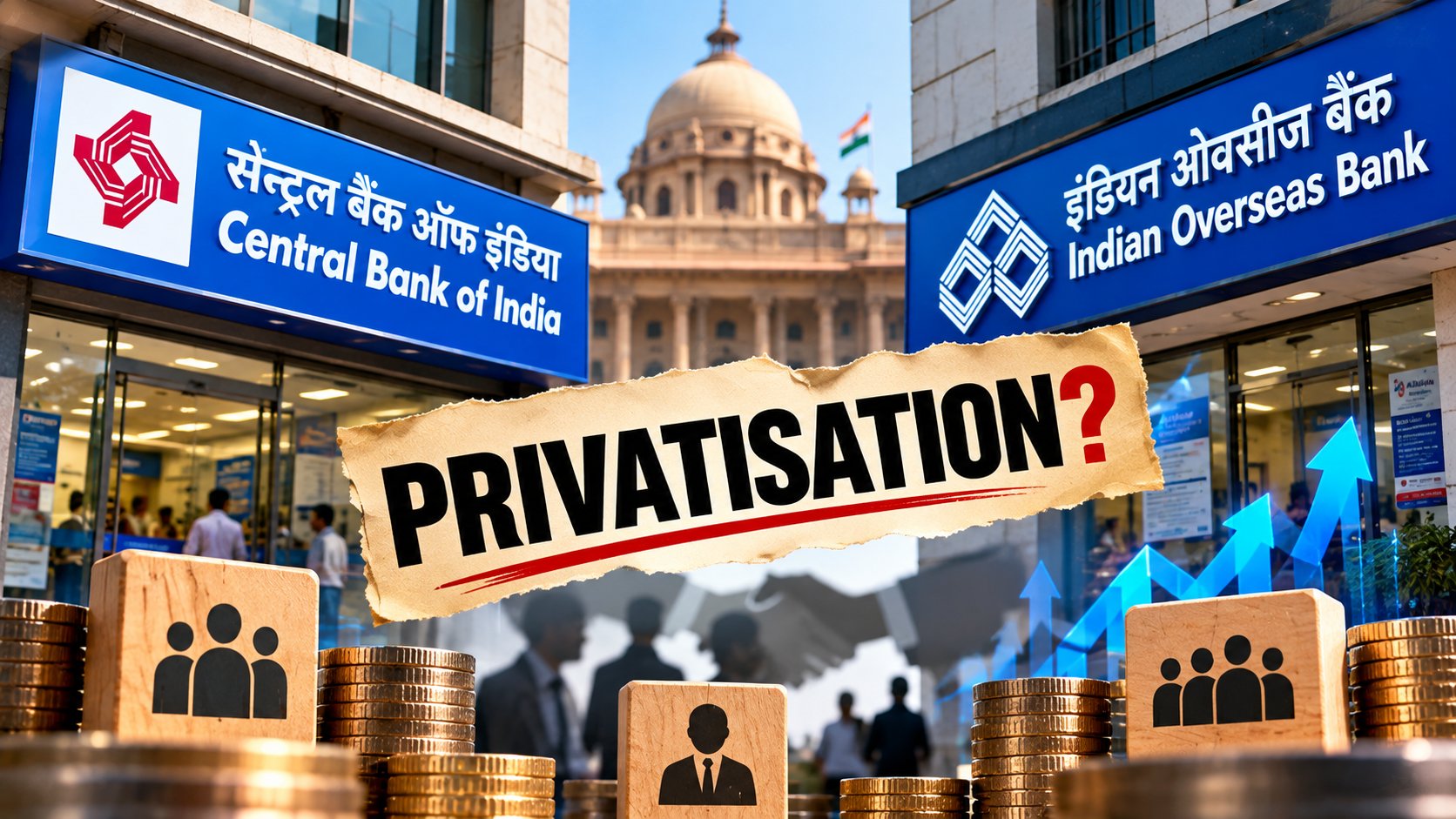
Central Bank of India and IOB Are Back in Privatisation Talk — What It Could Mean for Customers, Staff and Competition
Central Bank of India and IOB Privatisation: What the NITI Aayog Shortlist Means for Customers and Staff Banking · Policy · India Central Bank of India and IOB Are Back in Privatisation Talk — What It Could Mean for Customers, Staff and Competition Reports that the Centre is weighing stake sales in four public sector…
-

Infosys Cuts Guidance, Brent Hits $116 and Nifty Slips Into the Red for October. What Now?
Infosys Cuts Guidance, Brent Hits $116 and Nifty Slips Into the Red for October. What Now? Dailyfinancial.in Market Desk | Monday, 26 October 2026 | Closing data as of market close, 23 October 2026, with pre-open cues for 26 October Quick Summary: The Numbers That Matter (as of market close, 23 October 2026) BSE Sensex:…
-

SEBI’s New Settlement Rules: How the ₹10 Lakh Fast-Track Route Works — and What It Will Now Cost to Settle a Case
SEBI Settlement Regulations 2026: ₹10 Lakh Fast-Track Route, New Formula and 90-Day Window Explained Markets & RegulationSEBISettlement Regulations 2026 SEBI’s New Settlement Rules: How the ₹10 Lakh Fast-Track Route Works — and What It Will Now Cost to Settle a Case SEBI has notified the Settlement of Administrative and Civil Proceedings Regulations, 2026, replacing the…
-

OnePlus 16 First Look: A 185Hz Screen, Snapdragon 8 Elite Extreme and a 9,000mAh Battery — but Not for Most of the World
> SMARTPHONES / ONEPLUS / CHINA LAUNCH OCT 12, 2026 OnePlus 16 First Look: A 185Hz Screen, Snapdragon 8 Elite Extreme and a 9,000mAh Battery — but Not for Most of the World OnePlus launched the OnePlus 16 in China on October 12, 2026, starting at CNY 5,999. It pairs a 6.78-inch display that hits…
-
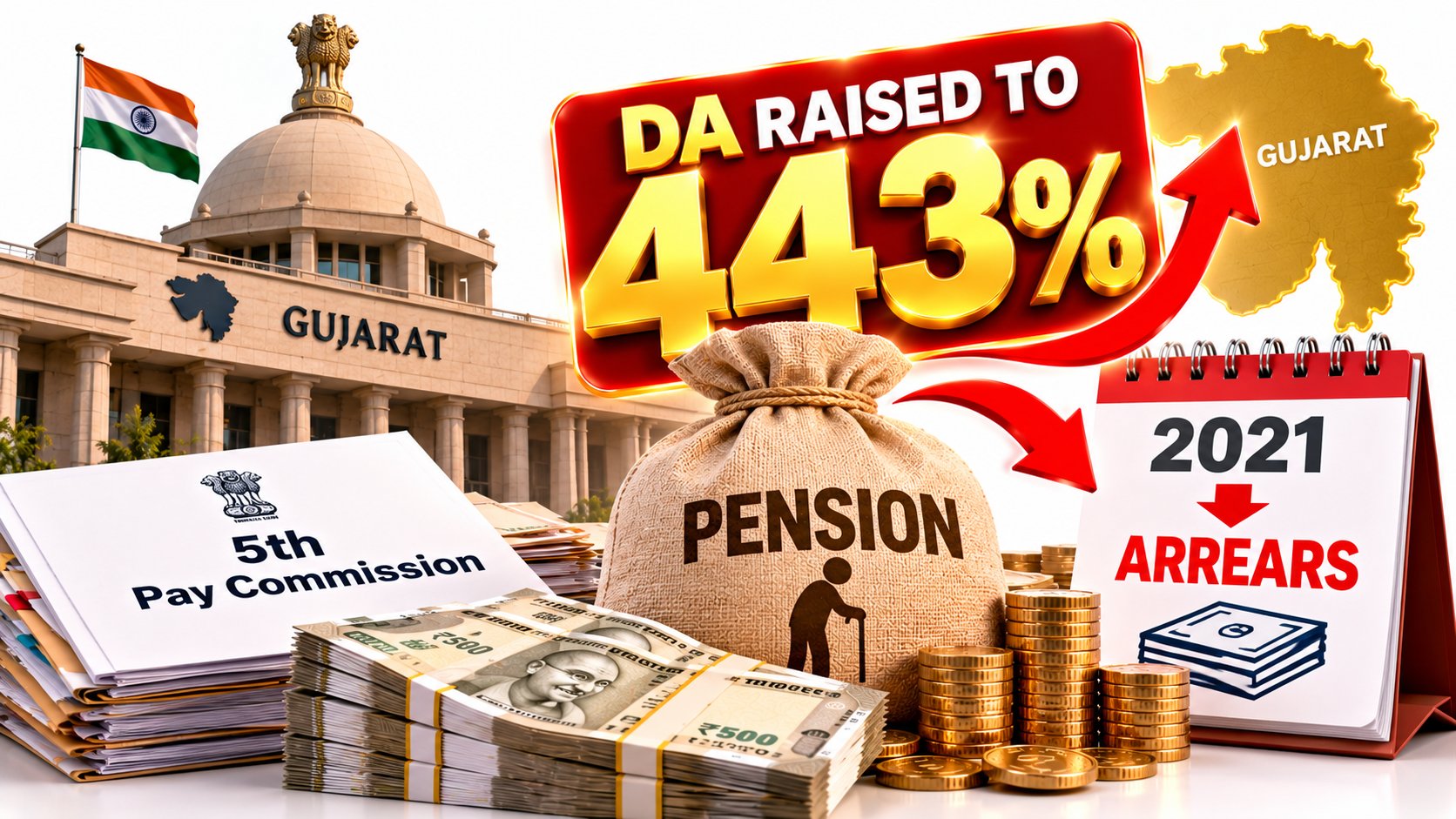
Gujarat’s 5th Pay Commission Pensioners Get DA Raised to 443% — With Arrears Going Back to 2021
Gujarat 5th Pay Commission Pensioners Get DA Raised to 443%, With Arrears From 2021 Pensions · Gujarat · 5th Pay Commission Gujarat’s 5th Pay Commission Pensioners Get DA Raised to 443% — With Arrears Going Back to 2021 A Gujarat Finance Department resolution dated October 22, 2026 lifts the temporary increase for state pensioners on…
-

What Really Sets Your Term Insurance Premium — 7 Factors and What Each One Costs You
7 Factors That Decide Your Term Insurance Premium, and How Much Each Costs (2026) Life InsuranceTerm PlansIndia 2026 What Really Sets Your Term Insurance Premium — 7 Factors and What Each One Costs You Two healthy 35-year-olds can be quoted premiums that differ by 80% for the same ₹1 crore cover. Age, tobacco, gender, health,…