How Supply-Chain Pressure, Sanctions, and War Are Combining to Make 2026 a High-Risk Year for Global Markets
The year 2026 has emerged as one of the most perilous periods for global markets since the 2008 financial crisis. Three interconnected forces—supply-chain pressure, international sanctions, and ongoing wars—are converging to create a toxic environment for businesses, investors, and consumers worldwide. According to the World Economic Forum’s Global Risks Report 2026, 50 percent of respondents anticipate either a turbulent or stormy outlook over the next two years, with geoeconomic confrontation ranked as the top risk most likely to trigger a material global crisis. This isn’t distant theoretical risk management; it’s the reality shaping your supply chains, investment portfolios, and economic stability right now.
The Three Forces Creating a Perfect Storm
Supply-Chain Pressure: From Efficiency to Survival
The global supply-chain landscape has fundamentally transformed. The era of globalized predictability has been replaced by a regime of non-linear fragmentation where traditional Just-In-Time efficiency is now a move toward insolvency. What we’re witnessing is not temporary disruption but a structural breakdown in how goods move across borders.
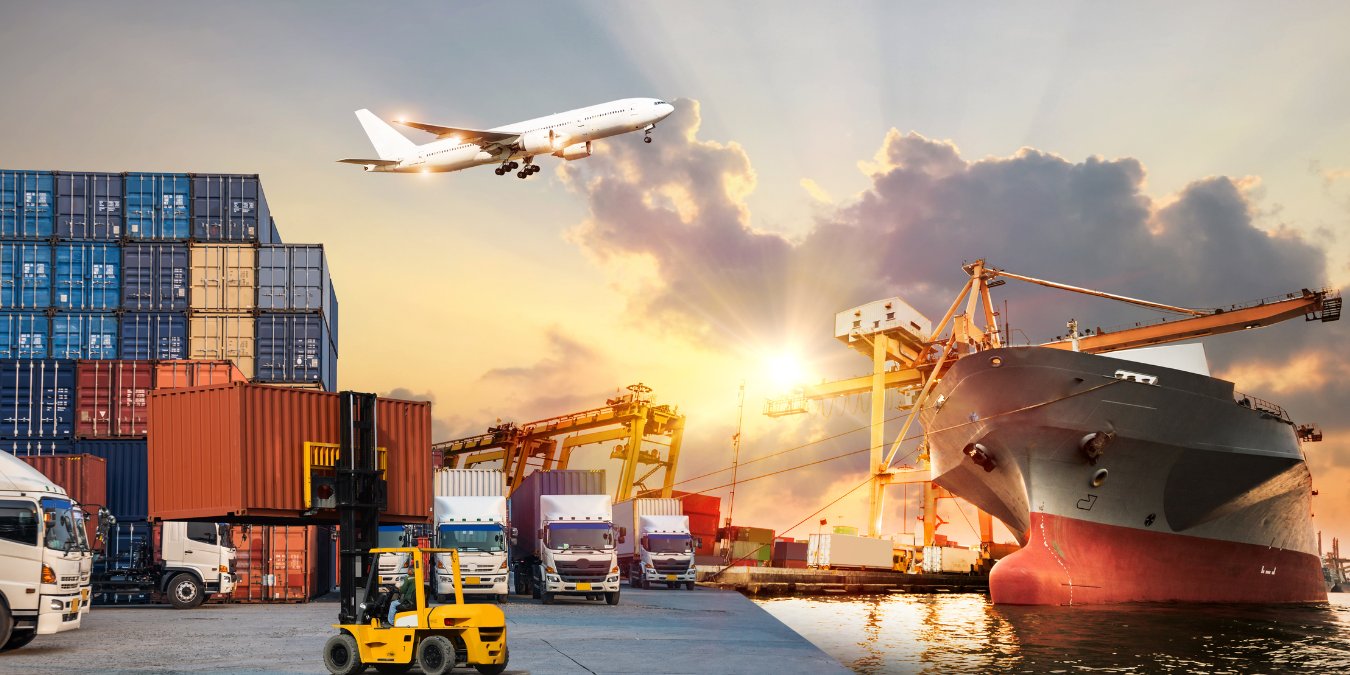
Supply-chain leaders are facing a familiar tension in 2026: markets are volatile, capacity is tight, and decisions made today can lock in costs for the year ahead. Shippers are weighing the impact of an early Chinese New Year, the reopening of the Red Sea, tender season pressures, and sudden policy shifts including President Donald Trump’s postponement of planned 2026 tariff increases. Each factor alone affects freight rates, contract timing, and network planning. Together, they create a complex, high-stakes environment where the margin for error is thin.
The top supply-chain risks for 2026 reveal the depth of the crisis. Geopolitical fragmentation and trade policy volatility dominate the landscape, with heightened competition pulling more countries into competitive blocs. New U.S.-led economic cooperation initiatives like Pax Silica aim to secure technology supply chains, especially semiconductors and AI-related components. This acceleration of China-plus-one and nearshoring strategies often occurs without equivalent infrastructure or capacity in alternative markets.
Sanctions: The Weaponization of Trade
Government trade policies have become a primary driver of geopolitical disruption. Tariffs, quotas, and embargoes are increasingly introduced to protect domestic industries or apply political pressure rather than achieve traditional economic goals. While these measures may achieve strategic objectives, they frequently distort markets, creating higher import costs that reduce demand while encouraging domestic production that leads to inefficiencies and higher prices for consumers.
The weaponization of trade continues to intensify as governments increasingly use export controls, sanctions, and industrial policy to pursue geopolitical objectives. The automotive sector is particularly exposed due to its reliance on critical minerals like lithium, cobalt, and nickel, plus semiconductors. Sudden export controls and sanctions are not isolated events. In a war-influenced world, predictability matters more than cost savings.
US trade policy has entered a phase transition of high variance, waiving oil sanctions while threatening 18 percent textile tariffs. This unpredictability creates what experts call tariff whack-a-mole, where the US targets India or Mexico next, causing 15 to 20 percent margin erosion. The Turkey illusion represents another critical risk: temporary softening of sanctions lures businesses back into fragility, creating total ruin during the next sudden pivot. View all sanctions-waiving as temporary and do not revert to Just-In-Time models.
War: Multiple Conflicts Driving Systemic Risk
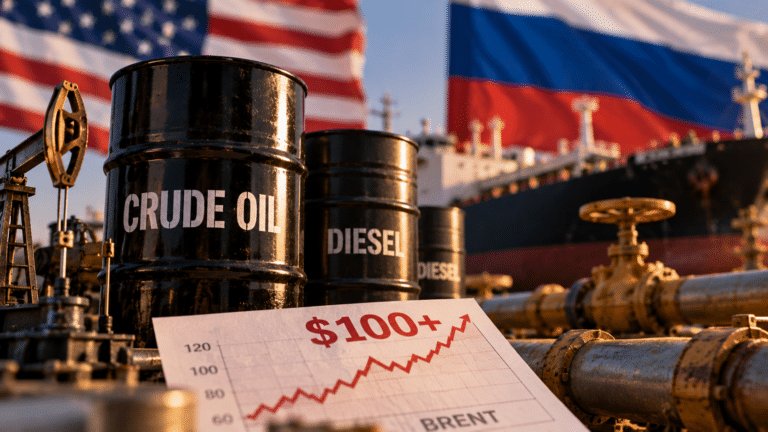
The Russia-Ukraine conflict continues significantly impacting global energy and grain markets, with reduced supply leading to price increases that highlight how geopolitics disrupts even well-established supply chains. The Iran conflict is moving oil prices as the Russia-Ukraine war continues, while investors monitor broader market impacts. Global shipping costs have spiked as the fuel crisis driven by the US-Israel war on Iran continues.
In April 2026, ongoing global conflict continues to affect both supply and demand. While the human impact is significant, businesses are facing rising costs, disrupted supply chains, and unpredictable market conditions. The Iran crisis and Russia war are reshaping global supply chains, with 2026 energy prices already above levels recorded ahead of the 2022 Ukraine war energy crisis.
State-based armed conflict was selected by 14 percent of respondents as the second-top risk most likely to trigger a material global crisis in 2026, following geoeconomic confrontation at 18 percent. In a world already weakened by rising rivalries, unstable supply chains, and prolonged conflicts at risk of regional spillover, such confrontation carries systemic, deliberate, and far-reaching global consequences, increasing state fragility.
How These Forces Interconnect and Amplify Each Other
The relationship between supply and demand is becoming increasingly complex, and geopolitics plays a central role in shaping it. Political decisions, conflicts, and international relations are no longer distant concerns. They directly influence how goods are produced, distributed, and consumed. For procurement and supply chain professionals, understanding geopolitics is essential for navigating uncertainty and maintaining stability.
Modern supply chains are highly globalized, making them more sensitive to geopolitical risks. Events such as Brexit demonstrated how political decisions can introduce new trade barriers, delays, and costs. Similarly, tensions between major economies like the United States and China have encouraged businesses to diversify their supply chains to reduce risk. This highlights the growing importance of understanding geopolitics in long-term planning.
When supply is disrupted, prices can rise sharply, increasing production and transportation costs across industries. These ripple effects show how closely geopolitics is linked to supply and demand on a global scale. Many economies rely heavily on imported resources such as oil, gas, food, and rare earth materials. This dependency makes them particularly vulnerable to geopolitical tensions.
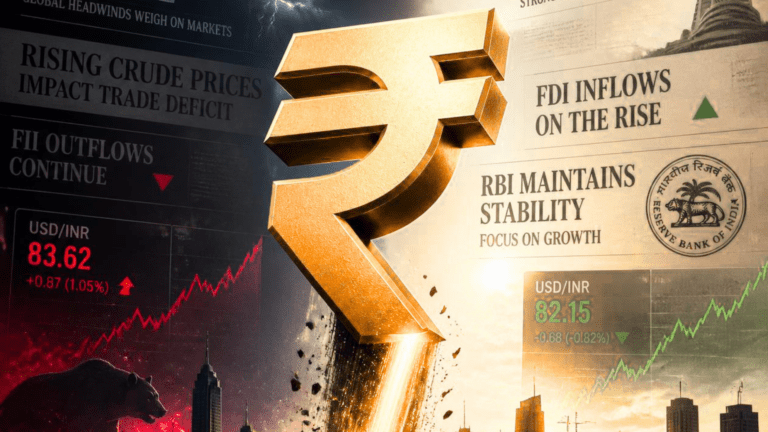
Geopolitical instability often influences currency values, which in turn affect supply and demand. A weakened currency makes imports more expensive while making exports more competitive. This shift forces businesses to adapt quickly, adding another layer of complexity driven by geopolitics.
The Economic Impact: What Markets Are Facing
Economic risks, taken collectively, show the largest increases in ranking over the next two years, albeit from relatively low rankings last year. Economic downturn and inflation are both up eight positions, to number 11 and number 21 respectively, with a similar uptick for asset bubble burst, up seven positions to number 18. Economic downturn has witnessed one of the largest increases in severity score compared with last year’s findings, behind only geoeconomic confrontation.
Most economic forecasts point to continued volatility through 2026, with pockets of weak growth, regional divergence, and sudden demand slowdowns or rebounds. For supply chains, this translates into persistent uncertainty around volumes, inventory levels, and capacity needs, making long-term planning increasingly difficult. Consumer and industrial demand is now highly sensitive to interest rates, energy prices, and geopolitical events.
Input costs including energy, labour, insurance, and compliance remain elevated, even when demand softens. For many sectors, especially retail and manufacturing, margin pressure is compounded by limited ability to pass these costs on, forcing frequent pricing and sourcing reevaluations. After turbulent years of inflation, tariff obstacles, and demand oscillations, economic instability remains a top risk.
Sector-Specific Vulnerabilities
Energy Markets Under Pressure
Energy markets face unprecedented pressure from the combination of sanctions and war. The Russia-Ukraine conflict significantly impacted global energy markets, with reduced supply leading to price increases. The Iran conflict is moving oil prices as the Russia-Ukraine war continues. Sanctions targeting Russia’s oil production have created supply disruptions that ripple through global markets.
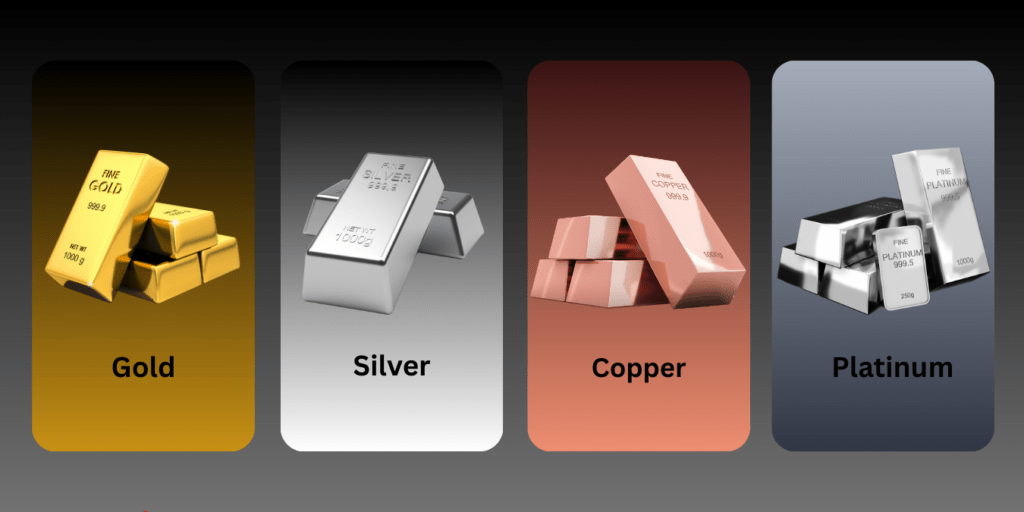
Copper, essential for electrification and technology supply chains, faces forecast deficits reaching millions of tonnes over the next decade, driven by surging demand for clean energy infrastructure, EV production, and high-tech electronics. Other critical inputs such as rare earths, lithium, and semiconductors face similar pressures, leaving automotive, aerospace, and renewable energy sectors vulnerable to supply disruption and price volatility.
Technology and Semiconductor Crisis
The technology sector faces a systemic rupture rendering legacy Just-In-Time models high-risk liabilities. Memory price surges of 600 percent signal this breakdown. Reliance on legacy DRAM is a concave trap, and survival requires immediate migration to HBM4 and advanced process nodes.
Heightened geopolitical competition includes new U.S.-led economic cooperation initiatives like Pax Silica aiming to secure technology supply chains, especially semiconductors and AI-related components, pulling more countries into competitive blocs. The automotive sector is particularly exposed due to its reliance on critical minerals and semiconductors. Trade uncertainty will continue to plague supply chains, but retailers and manufacturers will also contend with supply constraints on key materials such as semiconductors.
Automotive Industry at Risk
The automotive sector faces particular exposure due to its reliance on critical minerals like lithium, cobalt, and nickel, plus semiconductors. To reduce disruption risk, OEMs are pushing Tier 1s and Tier 2s to localize production and sourcing closer to vehicle assembly plants. While this shortens supply lines, it also fragments volume across regions and platforms.
For suppliers, this creates new risks including lower economies of scale as global volumes are split across regional plants, higher unit and logistics costs in nearshore markets, more complex inbound networks especially for Tier 2s supplying multiple Tier 1s, and hybrid supply chains where local production still depends on globally sourced electronics, materials, and sub-components. The result is supply chains that look more resilient on paper but are harder to plan, more expensive to run, and less flexible when demand shifts.
Jaguar Land Rover was forced to halt production and retail operations following a cyber incident in September 2025, disrupting vehicle manufacturing and its wider supply chain for several weeks. This highlights how a single cyber event can disrupt manufacturing schedules, halt deliveries, force manual workarounds, and undermine planning, procurement, and customer service simultaneously.
Geopolitical Fragmentation: The New Competitive Order
In this period of geoeconomic transformation, alliances are being reshaped and the resilience of markets and of the institutions that emerged from the Bretton Woods Conference of 1944 is being tested. Protectionism, strategic industrial policy, and active influence by governments over critical supply chains all signal a world growing more intensely competitive.
In the World Economic Forum survey, 68 percent of respondents describe the global political environment over the next 10 years as a multipolar or fragmented order in which middle and great powers contest, set, and enforce regional rules and norms, an increase of four percentage points compared with last year. Only 6 percent of respondents expect a reinvigoration of the previous unipolar, rules-based international order.
The multilateral system is under pressure. Declining trust, diminishing transparency and respect for the rule of law, along with heightened protectionism, are threatening longstanding international relations, trade, and investment, increasing the propensity for conflict. Geoeconomic confrontation is top of mind for respondents and was selected as the top risk most likely to trigger a material global crisis in 2026 by 18 percent of respondents, increasing two positions from last year.
This growing shift toward more inward-looking and adversarial policies has cast further uncertainty over the future of multilateralism. As nations increasingly prioritize national interests over collective action, pressing questions emerge about the capacity of the international community to confront shared challenges such as climate change, global health, and economic stability.
Strategic Responses: How Businesses Can Navigate 2026
The Barbell Strategy for Survival
To survive 2026, businesses must abandon traditional Western-aligned hubs in favor of neutral intermediaries like the UAE and pivot to a barbell strategy that balances hyper-redundant local sourcing with aggressive bets on next-generation technology. The verdict is clear: execute a China-plus-2 strategy centered on the UAE while aggressively pruning legacy dependencies.
Do this first: secure transition assets by immediately locking in HBM4 and advanced node capacity. At 600 percent price inflation, these are no longer components; they are liquid collateral. Then relocate hubbing to the UAE by moving Tier-1 distribution out of Singapore and Hong Kong. Utilize warehouse-as-a-hedge to bypass the art of the delay and Taiwan-related deadlocks. Finally, rationalize your SKU tree by pruning any product line that relies on legacy chips or fragile trade routes such as US-India textiles. If it cannot survive an 18 percent tariff, kill it now.
Geographic Diversification and Neutrality
Geopolitical neutrality is the new alpha. Capital and logistics are fleeing traditional Western hubs for non-aligned jurisdictions. The UAE is systematically surpassing Singapore and Hong Kong as the preferred neutral global trade crown. Consider building a comprehensive geopolitical risk dashboard including sanctions, tariff changes, and export controls. Diversify supplier regions to avoid concentrated exposure to one political bloc. Bring trade compliance expertise into early procurement planning.
The panel agrees that efficiency is dead. The cost of a miss now outweighs the savings of an optimized route. Physicality matters: holding physical inventory of transition assets like HBM4 is the only valid hedge against currency and price volatility. Stop optimizing for cost and start optimizing for survival; in 2026, the most expensive supply chain is the one that does not arrive.
Scenario Planning and Flexible Contracts
Economic instability exposes the limits of rigid planning cycles and static contracts. Procurement teams are increasingly asked to balance cost control with resilience while avoiding both over-commitment in weak markets and under-coverage during sudden rebounds. Traditional annual contracting models struggle to keep pace with this level of volatility.
Scenario plan for demand swings and build flexible contracts that allow capacity and price adjustments. Use real-time intelligence on freight rates and macro indicators to avoid reactive cost blowouts. Reduce the time between market change and commercial response. Faster access to reliable data enables procurement and logistics teams to act proactively rather than defensively.
Monitor carrier routing decisions closely to anticipate schedule changes and potential disruptions. Scenario-plan for Red Sea versus Cape routes, including lead times, capacity constraints, and cost implications. Incorporate flexibility into contracts, balancing rate opportunities with operational resilience.
The Human Cost and Broader Implications
While the human impact of ongoing conflicts is significant, businesses are also facing rising costs, disrupted supply chains, and unpredictable market conditions. Rising societal and political polarization is intensifying pressures on democratic systems as extremist social, cultural, and political movements challenge institutional resilience and public trust.
The growing prevalence of streets versus elites narratives reflect deepening disillusionment with traditional governance structures, leaving many citizens feeling excluded from political decision-making processes and increasingly skeptical that policy-making can deliver tangible improvements to livelihoods. Inequality was selected by respondents as the most interconnected global risk for a second year running, followed closely by economic downturn.
As wealth continues to concentrate in the hands of a few while cost of living pressures remain high, permanently K-shaped economies are becoming a risk, calling the social contract and its financing into question. The challenges highlightedspan geopolitical shocks, rapid technological change, climate instability, economic uncertainty, and their collective impact on societiesunderscore both the scale of the risks we face and our shared responsibility to shape what comes next.
Looking Beyond 2026: Long-Term Implications
The centrality of geoeconomic confrontation in the global risks landscape is not restricted to 2026, with respondents selecting it as the top risk over the two-year time horizon to 2028, up eight positions from last year. Over the next two years, mounting debt sustainability concerns coupled with potential economic bubbles in a context of rising geoeconomic confrontation could herald a new phase of volatility, potentially further destabilizing societies and businesses.
In the next 10 years, environmental risks have retained their ranking as the most severe risks, with extreme weather events identified as the top risk and half of the top 10 risks being environmental in nature. Over the next decade, environmental risks were perceived with the most pessimism out of all risk categories surveyed, with close to three-quarters of respondents selecting either a turbulent or stormy outlook.
History reminds us that order can be rebuilt if nations choose strategic collaboration even amid competition. The future is not a single, fixed path but a range of possible trajectories, each dependent on the decisions we make today as a global community.
The Bottom Line for Investors and Business Leaders
For investors, the message is clear: 2026 demands portfolio resilience over yield optimization. Markets are volatile, capacity is tight, and the margin for error is thin. The small shift that matters most in 2026 is to move from reacting to disruption to planning for volatility as standard. With that mindset, you can turn uncertainty into actionable insight and navigate the year with confidence.
For business leaders, the imperative is equally clear: stop optimizing for cost and start optimizing for survival. In 2026, the most expensive supply chain is the one that does not arrive. Resilience will be built through risk-ready decisions made earlier. Supply chains now operate in a world that is less predictable and more interconnected than ever.
The convergence of supply-chain pressure, sanctions, and war has created a high-risk environment that demands strategic adaptation. Geopolitics, data complexity, cyber risk, and infrastructure constraints are not isolated threats; they interact, amplify one another, and expose weaknesses in how decisions are made. The question is not whether 2026 will be difficult, but whether your organization has the resilience to navigate it successfully.
Uncertainty is the defining theme of the global risks outlook in 2026. A contested multipolar landscape is emerging where confrontation is replacing collaboration, and trust the currency of cooperation is losing its value. As global risks continue to spiral in scale, interconnectivity, and velocity, 2026 marks an age of competition. As cooperative mechanisms crumble with governments retreating from multilateral frameworks, stability is under siege.
The path forward requires acknowledging that the old rules no longer apply. Efficiency is dead, geopolitical neutrality is the new alpha, and physicality matters. Adapt accordingly, or risk being left behind in the most challenging year for global markets since 2008.