The Hidden 2026 Personal Loan Trick: How Gen-Z Gets 9% Rates Without a High CIBIL Score
A Quiet Shift in India’s Lending Landscape
The idea that only borrowers with a high CIBIL score can access low-interest personal loans is rapidly becoming outdated in 2026. Across India, particularly in urban centers like Lucknow, Delhi, and Bangalore, Gen-Z borrowers are securing personal loans at rates as low as 9% without having a traditionally strong credit profile. This is not a loophole or a risky workaround but a structural shift in how lenders evaluate creditworthiness. With fintech innovation, alternative data, and smarter financial behavior, a new system has emerged that rewards consistency, transparency, and digital financial habits over legacy scoring models. This blog unpacks the real mechanism behind this trend, grounded in practical experience, current lending practices, and credible financial insights, helping you understand how this transformation works and how it can be used responsibly.
Why CIBIL Score Is No Longer the Only Gatekeeper
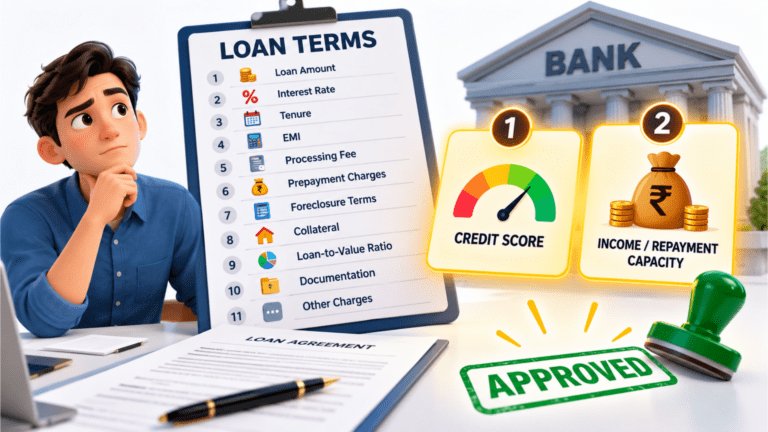
For decades, the CIBIL score has been treated as the single most important factor in determining loan eligibility and interest rates. While it still plays a role, lenders in 2026 no longer rely on it exclusively. The limitation of CIBIL is simple: it reflects past borrowing behavior but does not fully capture present financial health. Many Gen-Z individuals either have thin credit files or no credit history at all, yet they demonstrate strong earning potential and disciplined money management. Recognizing this gap, lenders have adopted multi-dimensional risk assessment models. These models combine bureau scores with real-time financial data, allowing them to make more accurate lending decisions. As a result, a borrower with an average or even below-average CIBIL score can still be offered competitive interest rates if other indicators are strong.
The Real “Hidden Trick”: Alternative Credit Profiling
The so-called hidden trick is not a hack but a shift toward alternative credit profiling. Lenders now analyze factors such as monthly bank transactions, income consistency, savings patterns, bill payments, rent history, and digital spending behavior. For example, a young professional earning a stable monthly salary and maintaining a consistent account balance is seen as low-risk even without a strong credit score. These alternative signals provide a more dynamic and realistic picture of financial behavior. In many cases, fintech platforms use machine learning models to assess this data instantly, reducing reliance on outdated scoring systems. This approach benefits borrowers who are financially responsible but underserved by traditional credit frameworks.
How Gen-Z Uses Digital Ecosystems to Their Advantage
Gen-Z is uniquely positioned to benefit from this evolution because they are deeply integrated into digital financial ecosystems. From UPI payments and mobile wallets to neobanking apps and subscription services, their financial activity is largely transparent and trackable. This digital footprint becomes valuable data for lenders. Regular UPI transactions, timely bill payments, and stable spending patterns create a strong behavioral profile. Many lending platforms now offer pre-approved loans based on this data, often at lower interest rates because the risk is already assessed. Unlike traditional applications that require extensive paperwork, these offers are instant, personalized, and competitively priced.
The Role of Pre-Approved Loan Offers
One of the most significant developments in 2026 is the rise of pre-approved personal loans. These offers are generated using internal data collected by banks, NBFCs, and fintech platforms. Because the lender already understands the borrower’s financial behavior, the uncertainty is reduced. Lower risk translates directly into lower interest rates. For instance, a salaried individual who consistently receives income in the same account and maintains healthy spending habits may receive a pre-approved loan offer at around 9% to 11%, even if their CIBIL score is not exceptional. This system removes friction and rewards financial consistency over credit history alone.
Income Stability Matters More Than Ever
Lenders today prioritize income stability over credit history depth. A consistent salary credit is one of the strongest indicators of repayment capacity. Gen-Z borrowers are increasingly aware of this and structure their finances accordingly. Instead of relying heavily on irregular freelance income or cash transactions, they prefer predictable salary deposits that create a clear financial trail. Even gig workers are now using platforms that provide structured income records, making it easier for lenders to assess their earning stability. This shift has made it possible for individuals with limited credit history to access low-interest loans simply by demonstrating consistent income flow.
Smart Use of Small Credit Products
Another strategy that contributes to lower interest rates is the use of small, manageable credit products. Gen-Z borrowers often start with buy-now-pay-later services, secured credit cards, or fixed deposit-backed loans. These products are easy to access and help build a repayment track record. Even a few months of timely repayments can significantly improve a borrower’s internal risk profile with lenders. Over time, this data feeds into alternative scoring systems, making it easier to qualify for larger loans at better rates. This approach is practical, low-risk, and highly effective in building financial credibility.
The Importance of Low Debt-to-Income Ratio
A critical but often overlooked factor in securing low-interest loans is maintaining a low debt-to-income ratio. Lenders assess how much of a borrower’s income is already committed to existing obligations. Gen-Z borrowers who consciously limit their liabilities are seen as financially responsible and less risky. For example, someone earning ₹50,000 per month with minimal existing EMIs will likely receive a better interest rate than someone with higher outstanding debt, even if both have similar credit scores. This is why many borrowers strategically reduce their liabilities before applying for a personal loan.
Choosing the Right Lender in 2026
Not all lenders evaluate risk the same way. Traditional banks, fintech NBFCs, and digital lending platforms each have different underwriting models. Fintech lenders, in particular, are more open to alternative data and often offer better rates to attract young customers. Gen-Z borrowers actively compare multiple offers using aggregator platforms that allow soft credit checks. This ensures they can explore options without negatively impacting their credit score. By selecting lenders that align with their financial profile, they increase their chances of securing lower interest rates.
Co-Lending Models Driving Lower Rates
Co-lending has emerged as a powerful mechanism in the lending ecosystem. In this model, a bank and a fintech company jointly provide a loan. The fintech platform handles customer acquisition and data analysis, while the bank provides capital at a lower cost. This combination allows borrowers to benefit from advanced risk assessment and cheaper funding. As a result, interest rates are often lower than those offered by standalone lenders. Many Gen-Z borrowers are unknowingly benefiting from this model when they apply through digital platforms.
Behavioral Signals That Influence Loan Pricing
Modern lending algorithms consider a wide range of behavioral signals. These include maintaining a positive bank balance, avoiding frequent overdrafts, making timely payments, and demonstrating controlled spending habits. Even small actions, such as avoiding bounced transactions or maintaining consistent savings, can influence how lenders perceive risk. These micro-behaviors collectively build a strong financial narrative, which can outweigh a less-than-perfect credit score. This shift toward behavioral assessment represents a significant evolution in credit evaluation.
Negotiation Is Still Relevant
Despite the rise of automated lending, negotiation remains an effective tool. Borrowers who receive multiple loan offers can use them to negotiate better terms. Many lenders are willing to reduce interest rates or waive certain fees to secure high-quality customers. Gen-Z borrowers, being more informed and confident, are increasingly engaging in such negotiations. This proactive approach can make a noticeable difference in the final loan cost.
Regulatory Support and Safer Lending Practices
The Reserve Bank of India has strengthened regulations around digital lending, ensuring greater transparency and consumer protection. Verified platforms are required to disclose interest rates, fees, and terms clearly. This has reduced the risk of predatory lending and increased trust in digital loan products. Borrowers who choose regulated lenders benefit from fair practices and genuine low-interest rates. This regulatory environment supports the broader shift toward inclusive and data-driven lending.
Financial Literacy as a Key Advantage
Access to online financial education has empowered Gen-Z to make informed borrowing decisions. They understand concepts such as effective interest rates, processing fees, and loan tenure optimization. This knowledge helps them choose loan structures that minimize total cost. For example, selecting a shorter tenure can reduce overall interest paid, even if the EMI is slightly higher. Avoiding unnecessary add-ons and understanding fine print further enhances their ability to secure cost-effective loans.
Real-World Example: How a 9% Loan Becomes Possible
Consider a 25-year-old salaried professional earning ₹40,000 per month with a CIBIL score of 690. Traditionally, this profile might attract interest rates of 13% or higher. However, if this individual maintains consistent salary credits, uses UPI regularly, pays bills on time, keeps liabilities low, and has a history of repaying small credit products, a fintech lender may assess them as low-risk. Based on this alternative data, the lender could offer a personal loan at around 9% to 10.5%. This example illustrates how modern credit evaluation works in practice.
Common Mistakes to Avoid
While the opportunities are significant, there are also pitfalls to watch out for. Borrowers should avoid applying to multiple lenders simultaneously through hard inquiries, as this can negatively impact their credit profile. Ignoring hidden charges such as processing fees or prepayment penalties can increase the effective cost of the loan. Using unregulated apps or sharing sensitive financial data without verification can lead to serious risks. Responsible borrowing requires awareness, caution, and informed decision-making.
Building a Future-Ready Credit Profile
The future of lending is clearly moving toward inclusivity and data-driven decision-making. Borrowers who adapt to this shift will continue to benefit from better financial opportunities. Building a strong financial profile now involves more than just maintaining a good credit score. It requires consistent income, disciplined spending, low liabilities, and active participation in digital financial ecosystems. By focusing on these areas, even individuals with limited credit history can access competitive loan products.
A New Definition of Creditworthiness
The hidden 2026 personal loan trick is not about bypassing the system but about understanding how the system has evolved. Creditworthiness is no longer defined solely by past borrowing but by overall financial behavior. Gen-Z has embraced this change, using technology, data, and financial awareness to secure better loan terms. For anyone looking to achieve similar results, the path is clear: build consistent financial habits, leverage digital tools, and choose lenders wisely. This new approach to borrowing is not only more inclusive but also more reflective of real financial capability, making low-interest personal loans accessible to a broader segment of borrowers than ever before.