Tired of bank queues for your daily cash? Shocking upgrade: Deposit Rs 49,000 instantly at PNB, Canara, or Kotak BNAS using ANY beneficiary’s debit card—no app, no branch! But wait—how does it dodge UPI? Unlock India’s hidden cash revolution transforming markets forever.
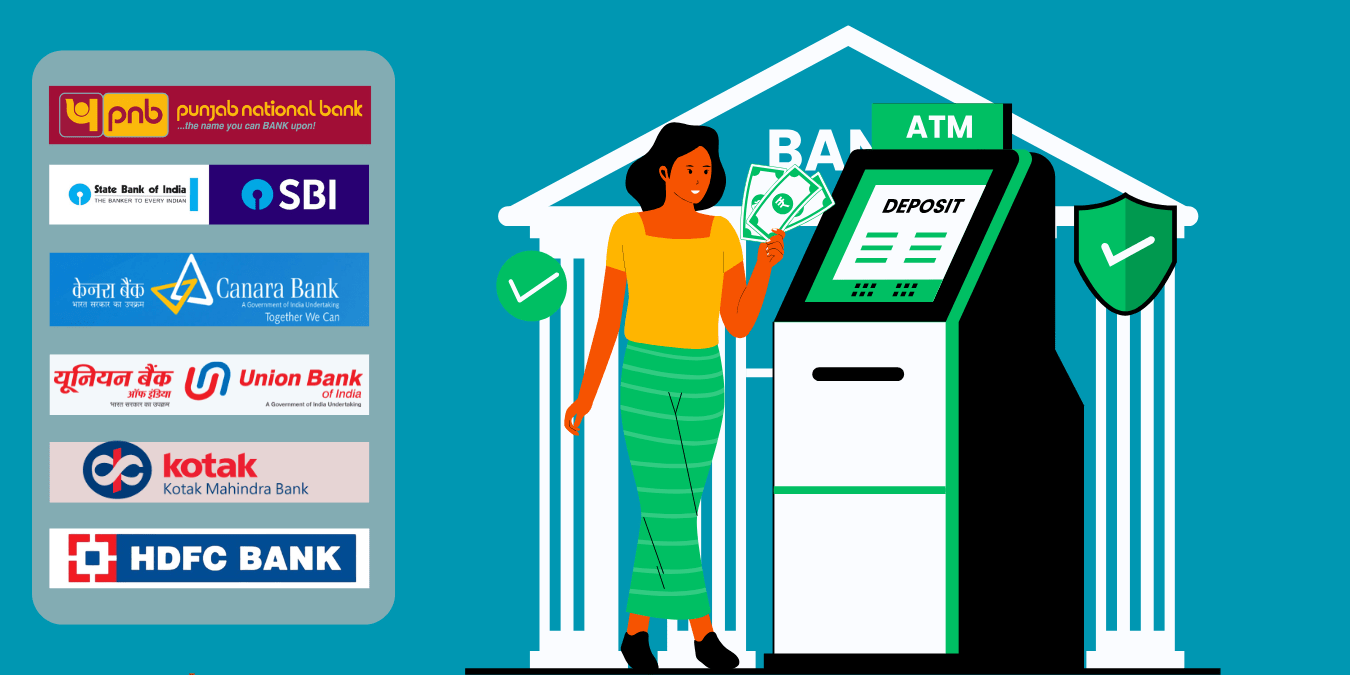
Indian banking just got a massive upgrade for cash-loving users. You can now deposit up to Rs 49,000 per transaction into BNAS (Bulk Note Acceptor machines) of PNB, Canara, Indian, Kotak, and Union Banks using only the beneficiary’s debit card number—interoperable across these banks.
BNAS machines excel at handling bulk notes (Rs 100/200/500, up to 200 pieces), with instant crediting via NPCI networks across these banks. Users enter the 16-digit debit card number and PIN, select the account type, insert cash, and receive a receipt—funds reflect immediately, bypassing traditional restrictions.
Perfect for markets, where traders deposit Rs 20k-40k daily without queues, or families transferring cash via relatives’ cards.Despite digital growth toward 65% non-cash by 2026, cash persists at 60%+ in smaller cities for its tangibility in wages, weddings, and MSMEs. This upgrade bridges gaps, offering 24/7 access and security without full digital adoption.
This feature eliminates branch queues and card hassles, perfect for India’s cash economy where daily wages and small businesses thrive on notes. This interoperable feature removes the need for branch visits or the account holder’s physical card, streamlining processes in India’s cash-dominated economy where daily wages and small business earnings often come in notes.
Table of Contents
What is an Interoperable BNAS Cash Deposit?
Interoperable BNAS Cash Deposit simplifies banking by allowing cross-bank cash deposits at specialized machines. These machines enable users to deposit cash into accounts of other participating banks using just the beneficiary’s debit card details, bypassing the need for the account holder’s physical card or branch visits.
Core Concept
BNAS stands for Bulk Note Acceptor, a type of advanced Cash Deposit Machine (CDM) designed to handle large bundles of notes efficiently—typically up to 200 notes in denominations like Rs 100, Rs 200, and Rs 500—for immediate crediting to the account. Unlike standard ATMs, BNAS machines use high-speed sorters and recyclers to verify, count, and process cash quickly, reducing errors and wait times.
Interoperability refers to the cross-bank functionality introduced by RBI and NPCI, where you can now use a BNAS from one bank (e.g., PNB) to deposit into an account at another (e.g., Canara or Kotak) by entering the beneficiary’s 16-digit debit card number and PIN. This shifts from the traditional model, where deposits were restricted to your own bank’s machines and required swiping your own debit card.
Transaction Limits and PAN Linkage
The standard limit per transaction is Rs 49,000 (or Rs 50,000 in some implementations), applied without PAN details to curb misuse like money laundering. Linking your PAN can raise this to Rs 1 lakh or more at certain banks like PNB, aligning with RBI’s cash deposit rules for better compliance and higher-volume users. Daily limits vary by bank—e.g., PNB allows up to Rs 2 lakh aggregate—but always check the machine screen for specifics.
| Limit Type | Amount | Requirement |
| Per Transaction (No PAN) | Rs 49,000 | Debit card number + PIN |
| Per Transaction (With PAN) | Up to Rs 1 lakh | PAN + KYC verification |
| Daily Aggregate (Example: PNB) | Rs 2 lakh | Bank policy |
How It Differs from UPI-ICD
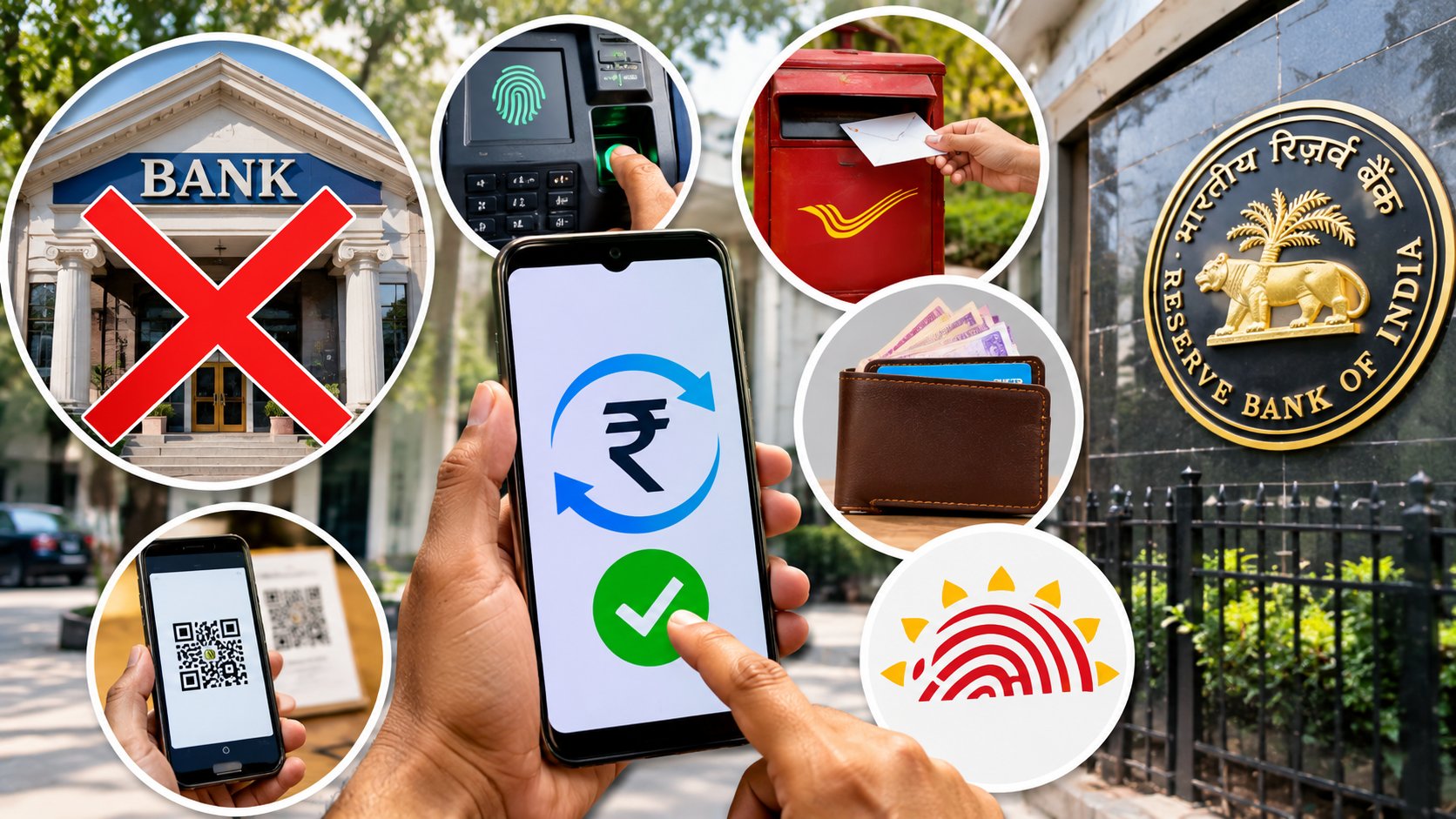
While UPI Interoperable Cash Deposit (UPI-ICD) uses QR scans via apps like Paytm or PhonePe for cardless deposits (also ~Rs 50,000 limit), BNAS focuses on debit card-based entry for a phone-free experience. BNAS suits users without smartphones or in low-data areas, emphasizing speed for cash-heavy transactions common in India’s tier-2/3 cities. Both promote inclusion, but debit card BNAS integrates directly with existing card infrastructure.





How the New Feature Works Step-by-Step
The interoperable BNAS cash deposit feature enables seamless cross-bank deposits using the beneficiary’s debit card details at participating machines. Follow these detailed steps to complete a transaction efficiently, ensuring quick crediting without needing a UPI app or the account holder’s physical presence.
Preparation Before Visiting
Download bank apps (PNB ONE, Canara EASE, Kotak Mobile Banking, Union MyUB, Indian Bank iMobile) or use websites to locate nearby BNAS via GPS or PIN code searchers. Participating banks include PNB, Canara, Indian Bank, Kotak Mahindra, and Union Bank; confirm machine supports “interoperable” mode via helpline (e.g., PNB: 1800-180-2222). Have the beneficiary’s 16-digit debit card number, expiry (if prompted), and PIN ready—share securely, never via SMS. Ensure notes are Rs 100/200/500, clean, unsoiled (up to 200 notes max).
Step-by-Step at the BNAS Machine
- Approach and Start: Insert or tap your own debit card if prompted for authentication (some machines allow cardless via mobile OTP); otherwise, select language (Hindi/English). Choose “Cash Deposit” from main menu.
- Select Mode: Opt for “Inter-bank Deposit,” “Third-Party Deposit,” or “Interoperable Cash Deposit” (label varies by bank). Confirm you’re depositing to another bank’s account.
- Enter Beneficiary Details: Input the 16-digit debit card number of the recipient’s account. Enter the PIN (beneficiary’s or authorized). Machine validates via NPCI network—takes 5-10 seconds. If multiple accounts linked to card, select savings/current.
- Specify Amount and PAN (Optional): Enter expected amount (under Rs 49,000); machine auto-counts later. Link PAN for higher limits if needed. Review pre-filled details.
- Deposit Notes: Open bundle slot, insert notes face-up (machine orients automatically). Close flap; sorter counts, verifies genuineness (rejects fakes). View on-screen tally—add more if under limit.
- Confirm and Credit: Verify count matches intent. Hit “Confirm”—funds credit instantly to beneficiary account (visible in passbook/app within seconds).
- Receipt and Exit: Print/get SMS receipt with txn ID, amount, date. Log out securely.
Post-Transaction Checks
Monitor beneficiary’s app/SMS for credit confirmation. Dispute via bank’s toll-free if mismatch (rare, <0.1% error rate). No charges for standard txns; fees only exceed limits.
| Step | Time Taken | Common Errors & Fixes |
| Locate BNAS | 2 mins | Use app; avoid non-BNAS ATMs |
| Enter Details | 30 secs | Wrong PIN? Retry 3x, then contact bank |
| Note Insertion | 1 min | Jam? Call maintenance; don’t force |
| Confirmation | 10 secs | Mismatch? Cancel, redeposit |
This debit card-based process prioritizes simplicity for India’s cash users, distinct from QR/UPI methods.
Participating Banks and Their BNAS Networks
PNB, Canara Bank, Indian Bank, Kotak Mahindra Bank, and Union Bank participate in interoperable BNAS cash deposits, enabling cross-bank use with beneficiary debit card details. Each offers extensive networks tailored for high-volume cash handling, with PNB leading in coverage.
Key Features by Bank
PNB deploys thousands of BNAS nationwide, supporting Rs 49,900 inter-bank deposits without PAN and cardless options via OTP.
Canara Bank’s BNAS handle multi-account selections and now full interoperability post-RBI guidelines.
Indian Bank and Union Bank focus on third-party seamless transfers, integrated with NPCI rails.
Kotak Mahindra uses CDM/BNAS equivalents for debit-linked deposits, urban-heavy network.
Network Leaders
Public sector banks dominate due to branch density, while privates excel in urban tech. Coverage focuses on Tier-1/2 cities; rural expansion ongoing.
Top 10 BNAS Overview Table
| Rank | Bank | Est. BNAS/CDMs (2026) | Coverage Strength | Max Interoperable Limit | Notes |
| 1 | PNB | 5,500+ | Nationwide | Rs 49,900 | Largest recycler network |
| 2 | SBI | 8,000+ (incl. standard CDMs) | Pan-India rural/urban | Rs 49,000 | Highest volume |
| 3 | Canara Bank | 4,000+ | South/North expansion | Rs 49,000 | Multi-denom support |
| 4 | Union Bank | 3,000+ | West/North-East | Rs 49,000 | UPI integration |
| 5 | Bank of Baroda | 2,800+ | Gujarat clusters | Rs 50,000 | Fast rollout |
| 6 | Indian Bank | 2,200+ | Tamil Nadu/UP | Rs 50,000 | Third-party focus |
| 7 | Kotak Mahindra | 2,000+ | Metros/malls | Rs 49,000 | App locators |
| 8 | HDFC Bank | 1,900+ | Urban premium | Rs 49,000 | Tech-heavy |
| 9 | Axis Bank | 1,700+ | Corporate hubs | Rs 50,000 | ICD pioneer |
| 10 | ICICI Bank | 1,600+ | High-traffic zones | Rs 49,000 | 24/7 smart machines |
Why This is a Game-Changer for Indians
Interoperable BNAS cash deposits transform banking for India’s cash-reliant population by offering flexible, queue-free access across banks. In smaller cities and rural areas where physical cash remains prevalent despite digital growth, this cuts dependency on specific bank branches.
Impact on Tier-2/3 Cities
Tier-2/3 cities like Lucknow see significant cash use—while digital payments hit 40%+ daily among consumers, merchants report <25% digital sales, meaning 60-75% transactions stay cash-based. Interoperable BNAS slashes travel to “your” bank’s ATM, saving 30-60 minutes per deposit amid traffic and limited hours. Rural-urban migrants deposit earnings at urban machines using family debit cards.
Benefits for Small Traders and Businesses
Small traders handle Rs 20,000-40,000 daily cash from markets—previously queuing at branches risked losses or delays. Now, instant crediting at any BNAS boosts cash flow, reduces theft risk during transit. Festivals amplify needs; deposit peaks without PAN scrutiny under Rs 49k.
Family and Remittance Ease
NRIs or urban kids remit cash to parents/NRAs via shared debit cards—secure PIN entry sends funds in seconds, no account details shared. Supports joint family dynamics in cash-heavy households.
Financial Inclusion Boost
Extends services to rural/semi-urban users with basic debit cards accessing urban BNAS networks, bridging gaps where branches are scarce. Aligns with NPCI goals, empowering underserved amid 65% digital shift by 2026.
- Lowers entry barriers for zero-balance accounts.
- Enables MSMEs to digitize gradually.
- Complements UPI for hybrid cash-digital economy.
Benefits from an Indian User’s View
Interoperable BNAS cash deposits deliver practical advantages tailored to everyday Indian users, from traders to families. These benefits emphasize simplicity, security, and alignment with India’s hybrid cash-digital economy, saving time and reducing hassles.
Key Benefits Point-by-Point
- Ultimate Convenience: Access nearest BNAS from PNB, Canara, or others 24/7—no branch hours or queues. Saves 1-2 hours weekly for frequent depositors like auto drivers in Lucknow, who previously traveled 5-10 km to their bank’s machine. Deposit anytime, even post-bank closure.
- Enhanced Security: Transactions protected by 4-digit PIN on beneficiary’s debit card, with real-time crediting and NPCI validation preventing tampering. Lower fraud risk than crowded branches where pickpockets target cash bundles; machines detect fakes instantly, alerting authorities if needed. Receipts provide audit trail for disputes.
- Zero or Minimal Costs: Most banks charge nothing for deposits under Rs 49,000 limit, unlike some branch fees or old CDM surcharges. PNB and Canara confirm fee-free inter-bank use, maximizing value for small amounts common in daily wages or shop sales.
- Seamless Third-Party Deposits: Send cash directly to family, friends, or employees’ accounts using just their debit card number—no full IFSC, account details, or UPI apps. Ideal for NRIs remitting to parents, Diwali bonuses, or kids topping up siblings’ accounts securely without oversharing info.
- Perfect for Cash-Heavy Economy: Handles soiled/mixed notes (Rs 100/200/500, up to 200 notes), suiting festivals, markets, or farm earnings where pristine cash is rare. High-volume processing matches India’s 60%+ cash transactions in Tier-2/3 areas, unlike picky standard ATMs.
- Time-Saving for Businesses: Small kirana stores or vendors deposit Rs 20k-40k daily earnings instantly, improving cash flow vs overnight branch waits. No more lost sales from carrying heavy cash home.
- Financial Inclusion Edge: Rural users with basic debit cards tap urban BNAS networks, bypassing sparse local branches. Empowers women, seniors, or low-literacy groups uncomfortable with apps.
These perks make banking “bank-agnostic,” fitting India’s diverse needs beyond full digital shift.
Potential Limitations and Tips
Interoperable BNAS deposits have limits to ensure compliance, but smart tips maximize usability. Key restrictions include denomination caps and transaction ceilings, with verification via bank helplines resolving issues fast.
Main Limitations
Rs 49,000 per transaction cap combats laundering—split larger sums across txns or days (daily aggregate ~Rs 2 lakh). Accepts only Rs 100/200/500 notes (no Rs 10/20/2000 or coins); soiled notes OK if readable. PAN linkage unlocks Rs 1 lakh+ at PNB/Canara. Machines may vary in interoperability—older ones limited to own-bank. Counterfeit rejection halts txn; maintain clean bundles. Peak hours (evenings) cause jams—visit off-peak.
Comprehensive Bank Helplines Table
Contact these numbers for BNAS-specific queries like interoperability support, limits, or nearest locations. Most operate round-the-clock for retail banking.
| Bank | Primary Toll-Free | Alternate Toll-Free | Timings & Notes |
| PNB | 1800 180 2222 | 1800 103 2222 | 24×7; Debit/ATM queries, OTP support |
| Canara Bank | 1800 425 0018 | 1800 1030 | 24×7 general; Cards: 1800 222 884 |
| Indian Bank | 1800 425 0000 | 1800 1700 | 24×7; Balance: 96776 33000 (missed call) |
| Kotak Mahindra | 1860 266 2666 | N/A | 24×7; 811 accounts: 1800 209 0000 |
| Union Bank | 1800 22 2244 | 1800 208 2244 | 24×7; Premium: 1800 425 2407 |
| SBI (Bonus) | 1800 11 2211 | 1800 425 3800 | 24×7; CDM/BNAS locator |
| Bank of Baroda | 1800 5700 | 1800 258 4455 | 24×7; Interoperable queries |
Comparing with UPI-ICD Alternative
Interoperable BNAS debit card deposits differ from UPI-ICD (Interoperable Cash Deposit) in method, requirements, and user fit, both enabling ~Rs 50,000 cross-bank cash drops at ATMs. UPI-ICD uses QR scans for cardless convenience, while BNAS relies on debit card details for app-free simplicity.
Detailed Comparison
| Feature | Debit Card Interoperable BNAS | UPI-ICD (QR/UPI Scan) |
| Deposit Method | Enter 16-digit debit card no. + PIN | Scan ATM QR code + UPI PIN (via app like PhonePe) |
| Device Needed | None (standalone machine) | Smartphone with UPI app + internet |
| Transaction Limit | Rs 49,000 (no PAN); Rs 1L+ with PAN | Rs 10,000-50,000 (bank/app-specific) |
| Supported Notes | Rs 100/200/500, up to 200 soiled OK | Same, but app confirms first |
| Participating Banks | PNB, Canara, Indian, Kotak, Union (expanding) | Wider: SBI, Axis, BoB, PNB + UPI PSBs |
| Speed | Instant credit (5-30 secs) | Instant, but QR scan adds 10-20 secs |
| Best For | Cash-heavy users, no-phone seniors, rural | Digital natives, metro youth |
| Security | Debit PIN + NPCI validation | UPI PIN + biometric (app-level) |
| Charges | Free under limit | Free; rare app fees |
| Availability | BNAS/CDMs at branches (5k+ nationwide) | UPI-enabled ATMs (growing, 20k+) |
| PAN Requirement | Optional for higher limits | Rarely needed for small txns |
When to Choose Each
Opt for BNAS debit method in low-connectivity areas or for bulk soiled notes; UPI-ICD shines for quick, contactless urban use. Both advance RBI’s cash-to-digital bridge
Future of Cash Deposits in India
RBI and NPCI aim to expand interoperable cash deposits nationwide by late 2026, integrating advanced features for broader access. This evolution builds on BNAS/UPI-ICD successes, targeting full bank-agnostic deposits to modernize India’s cash handling.
Nationwide Expansion Plans
RBI/NPCI mandate interoperability across all PSBs and major privates by 2026, onboarding 20+ additional banks like SBI, HDFC, ICICI fully. Private players (Axis, IndusInd) accelerate BNAS rollouts, aiming for 50,000+ machines. Rural push via DBUs adds 10,000 units.
Tech Integrations Ahead
BNAS will link with Digital Banking Units (DBUs) for one-stop services: open accounts, apply loans, or KYC at deposit machines using Aadhaar/biometrics. AI sorters handle all denominations; hybrid UPI-debit modes emerge. Blockchain for real-time audit trails cuts disputes.
Economic Impacts
Reduces branch cash traffic by 60-70%, redirecting 2 lakh staff hours monthly to MSME loans/digital advisory. Boosts GDP via faster liquidity for 6 crore small businesses; supports Jan Dhan for 50 crore unbanked. Aligns with 70% digital payments goal by 2030.
Challenges and Roadmap
Cybersecurity upgrades needed; pilot tests in 2026 address rural data gaps. Success metrics: 80% user adoption in Tier-2/3 cities.
Get Started Today: Quick Checklist
Follow this quick checklist to start using interoperable BNAS cash deposits confidently today. These steps ensure your debit card works seamlessly for cross-bank deposits up to Rs 49,000 at PNB, Canara, Indian, Kotak, or Union Bank machines.
Pre-Deposit Checklist
- Verify Debit Card Status: Confirm the beneficiary’s debit card (RuPay/VISA/Mastercard) is active via bank app, ATM balance check, or missed call. Know the exact 16-digit number and 4-digit PIN—test a small withdrawal first if unsure.
- Locate Nearest BNAS: Search “PNB BNAS near me,” “Canara CDM Lucknow,” or use bank apps (PNB ONE, Canara EASE) with GPS filters for interoperable machines. Google Maps + bank name works; aim for high-traffic branches.
- Prepare Notes: Gather Rs 100/200/500 notes (max 200, clean-ish); count roughly to stay under Rs 49,000. Carry PAN/Aadhaar for potential limit boosts.
- Test Small Deposit: Begin with Rs 500-1,000 to validate machine interoperability, PIN, and instant crediting—confirms setup without risk.
During and Post-Deposit Steps
- Update KYC/PAN: Link PAN via bank app/branch beforehand for Rs 1 lakh+ limits at PNB/Canara; full KYC unlocks daily aggregates up to Rs 2 lakh.
- Save Contacts: Note helplines (e.g., PNB 1800-180-2222) for quick support; enable SMS alerts on beneficiary account.
This interoperable leap makes banking truly “bank-agnostic” for cash deposits—embrace it for faster, smarter money management across India’s vast network!
Disclaimer: The use of any third-party business logos in this content is for informational purposes only and does not imply endorsement or affiliation. All logos are the property of their respective owners, and their use complies with fair use guidelines. For official information, refer to the respective company’s website.