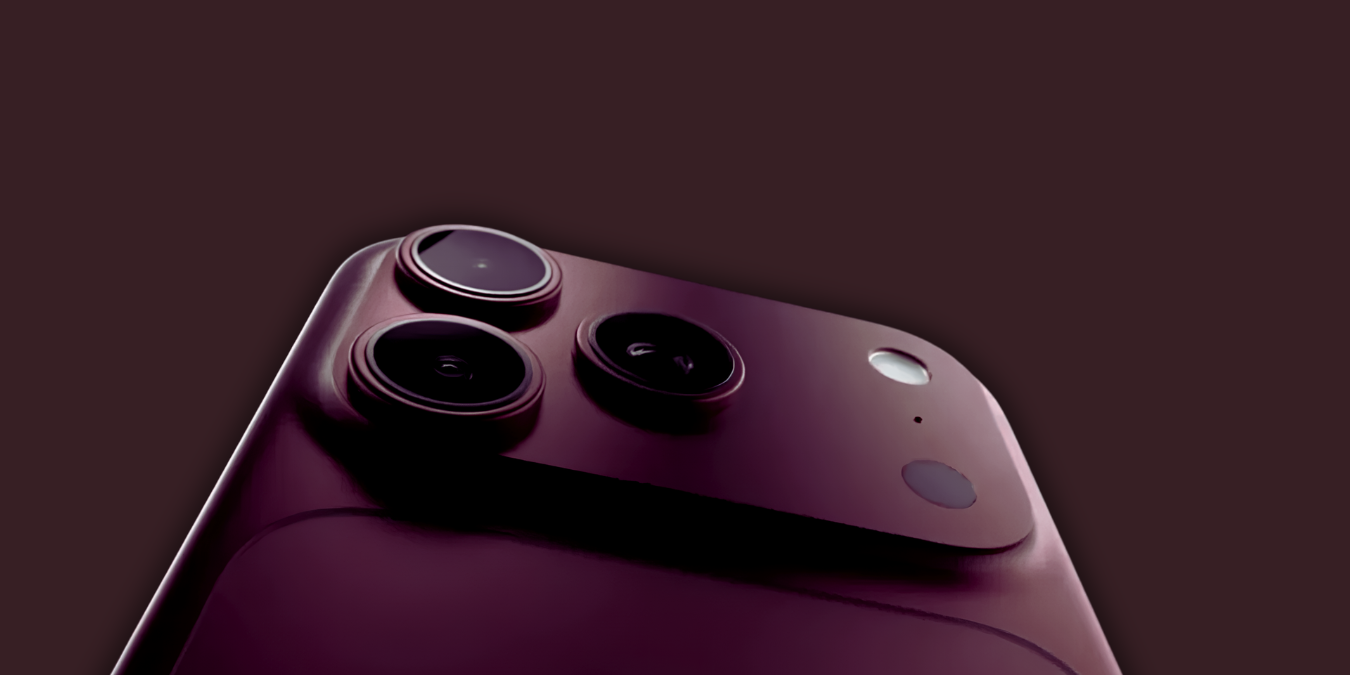
The Same iPhone Costs $1,999 in the US and $4,744 in Türkiye: Where Does the Extra Money Go?
Consumer Tech · Global Pricing · Taxes and Duties · September 2026
The Same iPhone Costs $1,999 in the US and $4,744 in Türkiye: Where Does the Extra Money Go?
A 25-country comparison of Apple’s newest flagship shows a 137.3% spread between the cheapest shelf and the dearest. India sits 57.7% above the US price. Very little of that difference ends up with Apple.
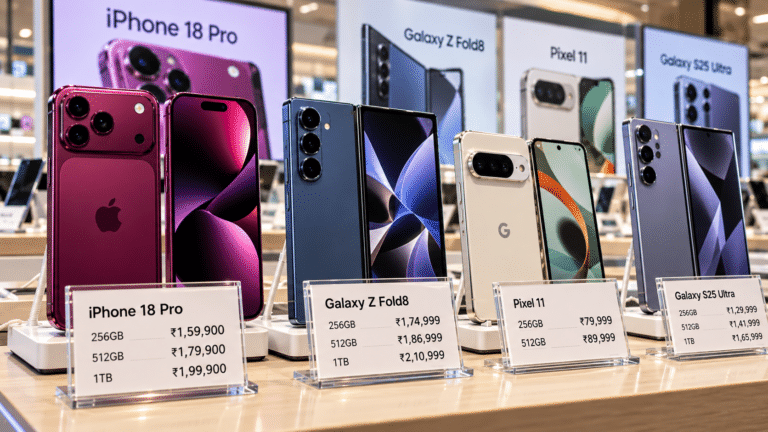
Apple announced its first foldable phone on 9 September 2026 and gave the world exactly one number: $1,999. Within forty-eight hours the national storefronts filled in the rest, and the picture that emerged was far less tidy. The same 256GB device carries a sticker of ₺229,999 in Türkiye, R$21,999 in Brazil and ₹2,99,900 in India. Converted at prevailing rates, that is $4,744, $4,311 and $3,153 against a US list of $1,999.
The instinctive reading is that Apple charges what each market will bear. The instinctive reading is mostly wrong. Strip the tax layers out of the three most expensive shelves and the underlying prices converge to within a few hundred dollars of each other. What separates a New York buyer from an Istanbul buyer is not Apple’s pricing committee. It is four stacked levies, a customs schedule and an exchange rate.
Quick Summary
Across 25 markets the base price ranges from $1,999 in the United States to $4,744 in Türkiye, a spread of $2,745. The median shelf price is $2,526, about 26.4% above the US. India’s ₹2,99,900 works out to roughly $3,153, or 57.7% more. Once an estimated 22% import duty and 18% GST are removed, one analyst puts India’s pre-tax price at about ₹1,98,557, which is within roughly $88 of the US list. The gap is a tax gap, not a margin gap.
A $2,745 Gap for an Identical Box: The Numbers First
Every figure below is the 256GB configuration, the entry tier, listed on the national Apple storefront in local currency and converted at rates prevailing in the week of 11 September 2026. Nothing about the hardware changes between markets. The 5.4-inch outer display, the 7.6-inch inner display, the two colours and the four storage tiers are identical everywhere.
| # | Market | Local list price | Approx. USD | vs US |
|---|---|---|---|---|
| 01 | United States | $1,999 | $1,999 | Baseline |
| 02 | Canada | C$2,999 | $2,173 | +8.7% |
| 03 | Hong Kong | HK$17,499 | $2,231 | +11.6% |
| 04 | United Arab Emirates | AED 8,499 | $2,314 | +15.8% |
| 05 | Malaysia | RM 9,499 | $2,336 | +16.9% |
| 06 | Japan | ¥364,800 | $2,376 | +18.9% |
| 07 | Taiwan | NT$74,900 | $2,378 | +19.0% |
| 08 | China | CNY 15,999 | $2,386 | +19.4% |
| 09 | Thailand | THB 79,900 | $2,428 | +21.5% |
| 10 | Singapore | S$3,099 | $2,452 | +22.7% |
| 11 | South Korea | KRW 3,290,000 | $2,456 | +22.9% |
| 12 | Switzerland | CHF 1,999 | $2,468 | +23.5% |
| 13 | Australia (median) | A$3,499 | $2,526 | +26.4% |
| 14 | Saudi Arabia | SAR 9,499 | $2,530 | +26.6% |
| 15 | Germany | €2,299 | $2,676 | +33.9% |
| 16 | Chile | CLP 2,499,990 | $2,696 | +34.9% |
| 17 | United Kingdom | £1,999 | $2,711 | +35.6% |
| 18 | Belgium | €2,339 | $2,723 | +36.2% |
| 19 | France | €2,339 | $2,723 | +36.2% |
| 20 | Netherlands | €2,339 | $2,723 | +36.2% |
| 21 | Spain | €2,339 | $2,723 | +36.2% |
| 22 | Mexico | MXN 47,999 | $2,843 | +42.2% |
| 23 | India | ₹2,99,900 | $3,153 | +57.7% |
| 24 | Brazil | R$21,999 | $4,311 | +115.7% |
| 25 | Türkiye | ₺229,999 | $4,744 | +137.3% |
Three Price Zones, and What Decides Which One You Live In
Rank the 25 markets by premium and they do not form a smooth curve. They cluster into three distinct groups, and the boundary between them is almost perfectly predicted by one thing: how a country taxes an imported consumer electronic.
Read the table through that lens and the apparent randomness disappears. Hong Kong, with no sales tax, is the third cheapest. The UAE, at 5% VAT, is fourth. Every eurozone market sits in a tight cluster in the thirties. The two markets that break 100% are the two that layer excise duties on top of VAT rather than charging VAT alone.
Türkiye’s Price Is Four Taxes Stacked on Each Other
Türkiye is the most expensive market in this comparison and has topped similar surveys for years. Deutsche Bank’s 2026 Mapping the World’s Prices study, which tracks the 256GB iPhone 17 Pro across 41 markets, put Türkiye at $2,592 against a US benchmark of $1,181 and a Japanese price of $1,121, the cheapest of the 41.
The mechanism is well documented. A Ministry of Culture levy of 1% is charged on the base price. A banderole fee of 12% follows, funding the state broadcaster. A Special Consumption Tax, the ÖTV, is then applied at a rate that scales with device value: 25% on the lowest tax base, 40% in the middle band, and 50% on flagship devices above the top threshold. Finally, 20% KDV, the Turkish VAT, is levied on the whole accumulated amount rather than on the base price alone.
Buying abroad does not solve it
A Turkish resident who buys the phone overseas still has to register its IMEI to use a Turkish SIM. The 2026 registration fee was set at ₺54,258, about $1,263, after the government applied an 18.95% revaluation rate to fees for the year. Unregistered handsets stop working on local networks after a limited grace period. For most devices the arbitrage is wiped out entirely by that single fee.
India’s 57.7% Gap Is Real, and Smaller Than It Looks
India’s ₹2,99,900 is the highest sticker any iPhone has carried in the country. Against a straight currency conversion of the $1,999 list at roughly ₹95.5 to the dollar, which comes to about ₹1,90,900, Indian buyers are paying roughly ₹1.09 lakh more than arithmetic alone would suggest. That is a genuinely large number, and it is worth understanding where it lands.
The device is shipped into India as a completely built unit rather than assembled locally, so it attracts customs duty that domestically made iPhones avoid. Reported estimates of the applicable duty cluster around 22%, with an effective burden nearer 28% once the social welfare surcharge is counted. GST of 18% is then charged on the post-duty value, which compounds the effect rather than adding to it linearly.
The comparison nobody makes
US list prices are quoted before sales tax. A buyer in a state charging 6% to 10% actually pays between roughly $2,119 and $2,199 at the till. Set that against India’s estimated pre-tax price of about $2,087 and the two are close to level. The headline 57.7% gap is almost entirely the difference between a country that adds tax at the register and one that builds duty and GST into the sticker.
One Euro Price, Five Different VAT Rates
The eurozone rows repay a second look. Germany lists at €2,299 while France, Belgium, the Netherlands and Spain all list at €2,339. Yet German VAT is 19%, French VAT is 20%, and Belgian, Dutch and Spanish VAT are all 21%.
Apple is not pricing to each national tax rate. It sets a small number of euro prices and absorbs the variation in its own net receipts. A Dutch buyer and a French buyer pay exactly the same €2,339, but the Dutch treasury takes a larger slice of it, which means Apple’s net revenue per unit is lower in the Netherlands than in France. The United Kingdom sits apart at £1,999, the only market in the comparison where the local numeral matches the US figure digit for digit, though the pound converts to $2,711.
Why Flying Somewhere Cheaper Almost Never Pays
Every price list of this kind produces the same reaction: buy it abroad. The arithmetic looks tempting and rarely survives contact with the rules.
- Customs allowances are low. Most countries treat a second unopened handset as a commercial import. Bringing one back typically means declaring it and paying the domestic duty and VAT anyway, which removes the saving you flew for.
- Network registration can be a separate bill. Türkiye’s 2026 IMEI fee of about $1,263 is the starkest example, but several markets restrict how long an unregistered foreign device can connect.
- Warranty coverage is not always portable. Service for a device bought overseas can require returning it to the country of purchase, and some protection plans are simply not sold in every market.
- Regional hardware differences exist. Physical SIM trays, cellular band support and certain feature availability vary between regions, and those differences do not travel.
- The saving is quoted before the trip. Airfare, a hotel night and the foreign transaction fee on the card frequently exceed the price gap for all but the widest spreads.
The one gap large enough to matter
Between the US and Türkiye the difference is $2,745, which is wide enough to cover a flight several times over. It is precisely this size of gap that Türkiye’s IMEI regime was designed to close, and it does. Between the US and most of the table, the spread is $200 to $700, which is inside the cost of the trip.
What We Know
These are the confirmed points underpinning the comparison above.
- Apple introduced its first foldable iPhone on 9 September 2026, with a US list price of $1,999 for the 256GB configuration in two colours.
- Pre-orders open on 16 October 2026, with availability from 23 October in more than 70 countries and a further 28 markets a week later.
- Confirmed national list prices include £1,999 in the UK, C$2,999 in Canada, A$3,499 in Australia, €2,299 in Germany, €2,339 in France, ¥364,800 in Japan, S$3,099 in Singapore, AED 8,499 in the UAE and ₹2,99,900 in India.
- Every market receives the same four storage tiers from 256GB to 2TB, and the same hardware specification.
- Türkiye applies a Special Consumption Tax on mobile phones at 25%, 40% or 50% depending on the declared tax base, plus 20% KDV levied on the accumulated total.
- Türkiye’s 2026 IMEI registration fee is ₺54,258, roughly $1,263, for a handset brought in from abroad.
- Deutsche Bank’s 2026 global price survey found Türkiye the most expensive of 41 markets for the 256GB iPhone 17 Pro at $2,592, with Japan cheapest at $1,121.
- India’s rupee traded near 95.5 to the US dollar in the week of 11 September 2026, having weakened about 8% over the preceding twelve months.
What Is Still Unclear
Four things this comparison cannot settle, and which would change the ranking if they moved.
- The exchange rate that decides the order. Apple sets local prices, not conversions. The dollar column here reflects one week’s rates; a 5% currency move reshuffles the middle of the table without a single price changing.
- The exact duty applied in India. Published estimates range from 22% to an effective 28% once surcharges are counted, and Apple has never confirmed the figure. The pre-tax reconstruction is an analyst estimate, not a disclosure.
- Whether prices will move before shipping. Several markets have not opened pre-orders. Apple rarely revises a launch price for short-term currency movement, but it is not bound to hold every figure.
- How local assembly might change the picture. If production of a later generation shifts to India, the customs layer could fall away, as it already has for locally assembled iPhone models. No timetable for that has been announced.
What Buyers Get Wrong About These Tables
Price comparisons circulate faster than the caveats attached to them. These are the ones that matter most.
Frequently Asked Questions
Which country has the cheapest iPhone and which has the most expensive?
Across the 25 markets compared here, the United States is cheapest at $1,999 for the 256GB base model and Türkiye is the most expensive at about $4,744, a spread of $2,745. Canada and Hong Kong are the next cheapest at roughly $2,173 and $2,231. Deutsche Bank’s separate 2026 survey of 41 markets, using a different iPhone model, also placed Türkiye at the top and found Japan the cheapest.
Why are iPhones so expensive in India compared to the US?
Because the device is imported as a completely built unit rather than assembled locally, it attracts customs duty estimated at around 22%, with an effective burden closer to 28% once the social welfare surcharge is counted. GST of 18% is then applied on the post-duty value, so the two levies compound. Counterpoint Research estimates the pre-tax India price at roughly ₹1,98,557, which is within about $88 of the US list price.
How much more does India pay than the US in rupees?
The India list price is ₹2,99,900 for the 256GB model. Converting the $1,999 US list at roughly ₹95.5 to the dollar gives about ₹1,90,900, so the difference is approximately ₹1.09 lakh, or 57.7%. That comparison flatters the US figure slightly, because American list prices exclude state sales tax of about 6% to 10% that is added at the register.
Why is Türkiye the most expensive country to buy a phone?
Türkiye layers four charges on an imported handset: a 1% Ministry of Culture levy, a 12% banderole fee funding the state broadcaster, a Special Consumption Tax of 25%, 40% or 50% depending on device value, and 20% KDV applied on the accumulated total rather than the base price. Flagship devices fall into the 50% band. Years of lira depreciation and high inflation compound the effect.
Is it cheaper to buy an iPhone abroad and bring it home?
Usually not. Most countries treat a second sealed handset as a commercial import subject to domestic duty and VAT on arrival, warranty service can require returning the device to its country of purchase, and regional hardware differences such as SIM tray design do not travel. In Türkiye specifically, registering a foreign handset’s IMEI costs about $1,263 in 2026, which erases the saving for most devices.
Why do France, Belgium, the Netherlands and Spain all show the same price?
Apple sets a small number of euro list prices rather than pricing to each country’s VAT rate. All four markets list at €2,339 even though French VAT is 20% and Belgian, Dutch and Spanish VAT are all 21%. Germany, at 19% VAT, gets a slightly lower €2,299. The practical effect is that Apple’s net receipt per unit differs between these markets even though the shelf price does not.
Do these price rankings change over time?
Yes, and often without any price changing. Apple sets prices in local currency and rarely revises them for short-term exchange rate movement, so the dollar-converted ranking shifts whenever currencies move. The rupee weakened roughly 8% against the dollar over the twelve months to September 2026, which widens India’s apparent premium even if the rupee sticker stays exactly where it is.
Could iPhone prices in India come down in future?
Potentially, if a later generation is assembled in India rather than imported. Locally made iPhone models already avoid the customs duty layer, which is why their India premium over the US price is visibly narrower than an imported model’s. Whether and when foldable production shifts to India has not been announced, so any expectation of a lower price rests on a manufacturing decision that has not been made public.