WhatsApp Logo Follow Now
Advertisement
Indian Stock Market Trends Today (April 20, 2026): Nifty Signals Gap-Up, Sensex Eyes 79,000 — Everything You Need to Know Before the Bell Rings

Indian Stock Market Trends Today (April 20, 2026): Nifty Signals Gap-Up, Sensex Eyes 79,000 — Everything You Need to Know Before the Bell Rings

Your complete Monday morning market briefing: fresh data on BSE Sensex, NSE Nifty 50, Bank Nifty, RBI policy, India GDP, sector performance, top gainers, losers, and actionable stock recommendations — all in one place. Is today the day Dalal Street breaks its April consolidation and charges toward the 24,800–25,000 zone? With GIFT Nifty flashing a 1.15% premium and global sentiment turning cautiously optimistic, Indian investors are walking into Monday, April 20, 2026, with a mix of nervous excitement and calculated confidence. Whether you're a seasoned trader scanning for momentum plays or a long-term investor reviewing your 2026 portfolio, this exclusive…
Read More
China’s Growth Rate Is Falling and Even Fiscal Stimulus Can’t Stop It — What Investors Must Know Right Now

China’s Growth Rate Is Falling and Even Fiscal Stimulus Can’t Stop It — What Investors Must Know Right Now

For the first time in more than three decades, China has set an economic growth target below 5%. The world's second-largest economy, which once roared ahead at double-digit rates and rewrote the rules of global capitalism, is now officially acknowledging what market analysts, institutional investors, and field economists have warned about for years: the era of easy Chinese growth is over. This is not a short-term dip caused by a bad trade quarter or a pandemic hangover. It is a structural, multi-layered deceleration that even Beijing's most aggressive fiscal moves cannot fully reverse. If you hold assets tied to China…
Read More
Europe’s Inflation Just Climbed to 2.5% as Oil Prices Bite — Is the ECB About to Make a Surprise Rate Hike?

Europe’s Inflation Just Climbed to 2.5% as Oil Prices Bite — Is the ECB About to Make a Surprise Rate Hike?

Something has shifted in the eurozone's economic atmosphere. After months of relatively subdued price pressures and a string of interest rate cuts that brought the European Central Bank's deposit rate down to 2%, inflation has roared back with a force that few economists fully anticipated heading into the first quarter of 2026. The headline number is now 2.5% — above the ECB's carefully defended 2% target — and the question dominating trading desks, finance ministries, and kitchen tables across Europe is the same: Is the ECB about to make a surprise rate hike?The answer is more nuanced than a simple…
Read More
Emerging Markets on the Edge: Why Currency Volatility and Energy Shocks Are Creating a Financial Powder Keg in 2026

Emerging Markets on the Edge: Why Currency Volatility and Energy Shocks Are Creating a Financial Powder Keg in 2026

The year 2026 was supposed to be different. After years of post-pandemic restructuring, rising interest rates, and geopolitical friction, economists had cautiously penciled in a period of stabilization for the world's emerging economies. Instead, what we are witnessing is something far more unsettling — a convergence of currency volatility, energy supply disruptions, and sovereign debt stress that is quietly assembling one of the most precarious financial environments in recent memory. For investors, policymakers, and everyday citizens in countries from Pakistan to Peru, the ground beneath their feet is shifting faster than official forecasts acknowledge. Understanding why this moment is different…
Read More
S&P 500 and Nasdaq Hit January-Level Highs Again — But Is Wall Street’s Optimism Getting Ahead of Reality?

S&P 500 and Nasdaq Hit January-Level Highs Again — But Is Wall Street’s Optimism Getting Ahead of Reality?

Markets have a funny way of making pessimists look foolish — and then, just when everyone exhales, reminding them why caution existed in the first place. As of this week, both the S&P 500 and the Nasdaq Composite have clawed their way back to levels last seen in early January 2026, erasing months of volatility and delivering a rally that has left analysts, retail investors, and institutional desks scrambling to explain what exactly just happened. On the surface, it looks like a victory lap. Dig beneath the surface, however, and the picture grows considerably more complicated. The question that every…
Read More
Global Financial Markets vs. Middle East War: IMF’s Shocking New Stability Report Reveals the Hidden Amplification Risks

Global Financial Markets vs. Middle East War: IMF’s Shocking New Stability Report Reveals the Hidden Amplification Risks

When War Meets Wall Street The world has always been an uneasy marriage between geopolitics and finance. But the IMF's latest Global Financial Stability Report has done something remarkable — it has put hard numbers to a fear that most investors quietly carry but rarely discuss openly. The hidden amplification risks embedded in global financial markets, triggered by the ongoing Middle East conflict, are not just a regional problem. They are a systemic threat that could reverberate across every asset class, every central bank balance sheet, and every retirement portfolio on the planet. Having closely tracked global risk indicators and…
Read More
The Fed, ECB, and Bank of England Just Pushed Back Rate Cuts to 2027 — Is This the End of the Cheap Money Era?

The Fed, ECB, and Bank of England Just Pushed Back Rate Cuts to 2027 — Is This the End of the Cheap Money Era?

For years, borrowers, investors, and governments operated under a comforting assumption: interest rates would eventually return to the near-zero levels that defined the post-2008 financial landscape. That assumption is now being dismantled, one central bank statement at a time. The Federal Reserve, the European Central Bank, and the Bank of England have all, in their own ways, signaled that the rate-cutting cycle many expected to accelerate through 2026 is running into serious headwinds — and for some institutions, meaningful easing may not arrive until 2027 at the earliest. This is not a temporary pause. It may be the defining monetary…
Read More
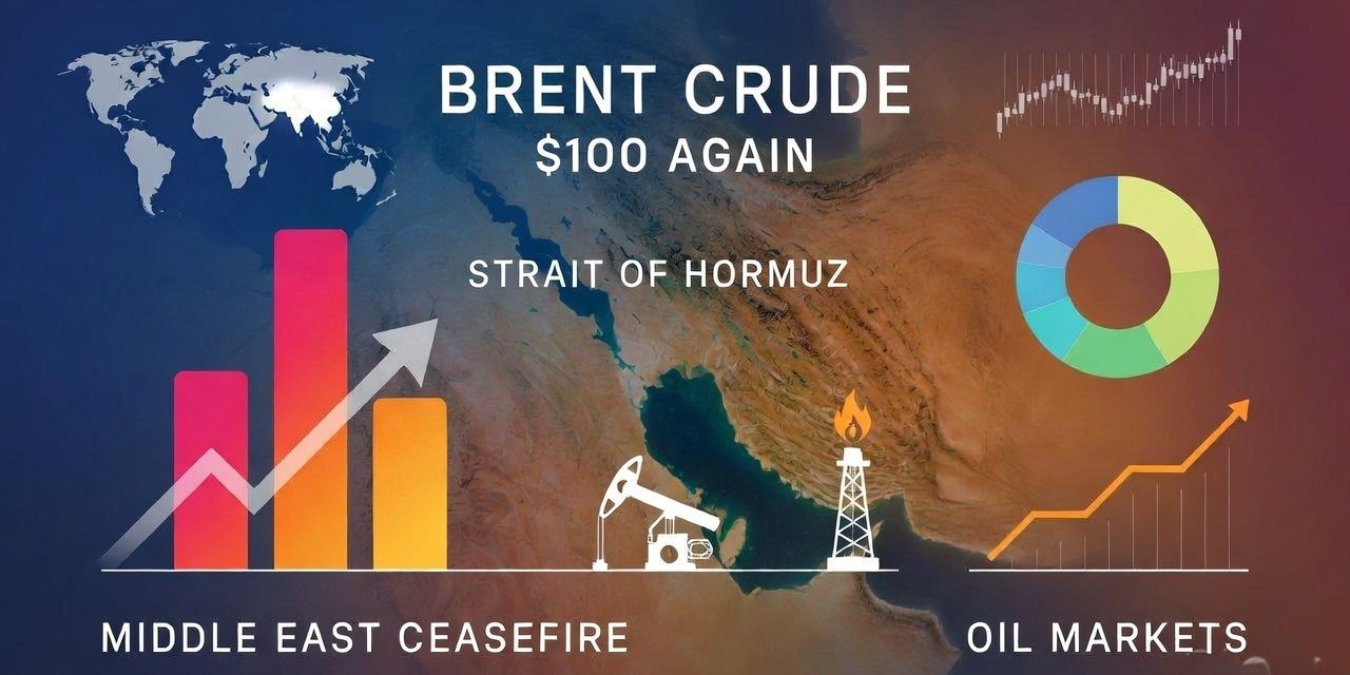
Brent Crude Crosses $100 Again: How a Middle East Ceasefire Is Still Failing to Calm Oil Markets

Brent Crude Crosses $100 Again: How a Middle East Ceasefire Is Still Failing to Calm Oil Markets

Oil traders woke up to an uncomfortable reality this week. Brent crude, the global benchmark that energy analysts, finance ministers, and everyday consumers watch with equal anxiety, has crossed the $100 per barrel threshold again — a psychological and economic milestone that reverberates across supply chains, inflation forecasts, and household budgets worldwide. What makes this surge particularly striking is that it comes despite a widely publicized ceasefire agreement in the Middle East, a development that markets would typically greet with relief and a downward correction in prices. Instead, the opposite has happened. The rally has continued, volatility remains elevated, and…
Read More
The Strait of Hormuz Is “Reopening” — But Here’s Why Energy Markets Are Still in a Dangerous Mess

The Strait of Hormuz Is “Reopening” — But Here’s Why Energy Markets Are Still in a Dangerous Mess

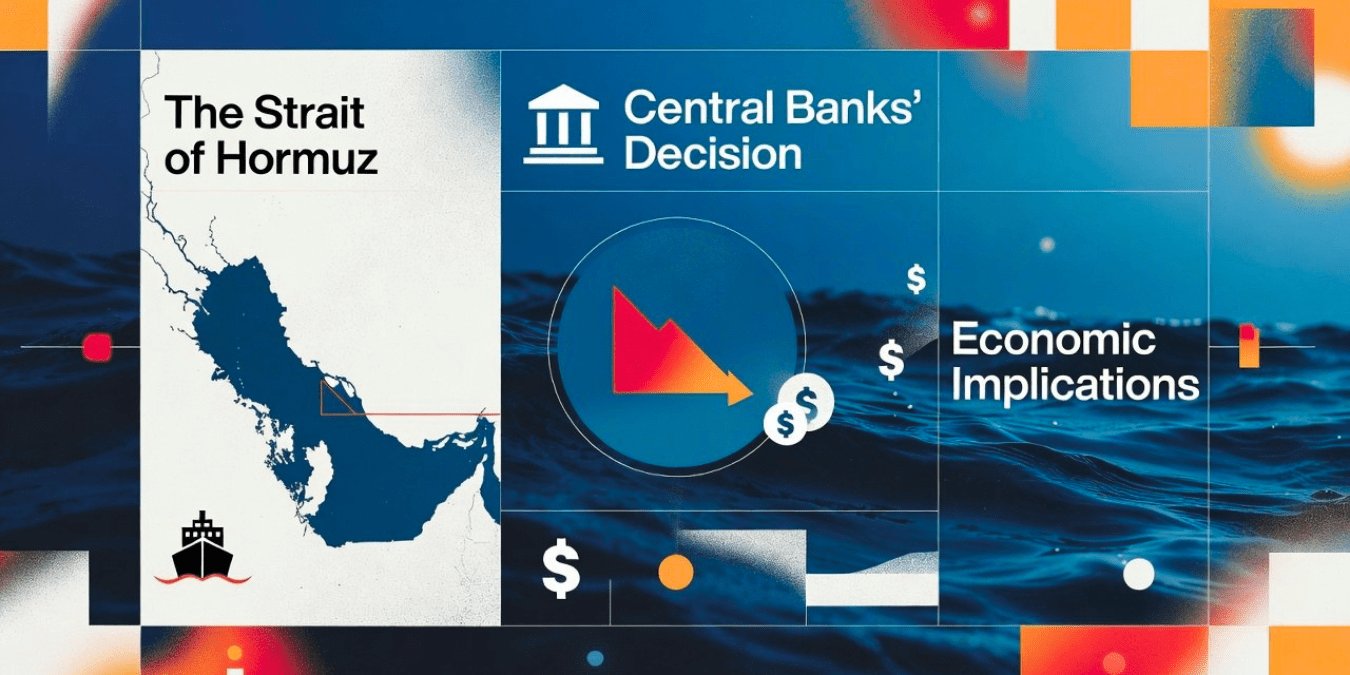
The Announcement Everyone Wanted to Hear When news broke in early 2026 that tensions around the Strait of Hormuz were easing — with diplomatic signals suggesting a de-escalation between Iran and Western powers — energy traders exhaled. Oil prices dipped slightly. Headlines called it a turning point. Social media lit up with relief. But seasoned energy analysts, geopolitical strategists, and anyone who has watched the Middle East closely for the past two decades knows a sobering truth: a headline does not fix a structural problem. The Strait of Hormuz may be "reopening" in the diplomatic sense, but the global energy…
Read More
Why the IMF Just Slashed Global Growth Forecasts to the Weakest Since 2009 — And What It Means for Your Money

Why the IMF Just Slashed Global Growth Forecasts to the Weakest Since 2009 — And What It Means for Your Money

The International Monetary Fund does not panic easily. As the world's most influential financial watchdog, it chooses its words carefully, releases its data methodically, and tends to project cautious optimism even when storm clouds gather. That's what makes its latest move so striking. In April 2026, the IMF cut its global growth forecast to levels not seen since the aftermath of the 2008 financial crisis, citing a dangerous cocktail of trade fragmentation, geopolitical tension, sticky inflation, and weakening consumer demand across both advanced and emerging economies. If the IMF is sounding the alarm this loudly, the rest of us should…
Read More