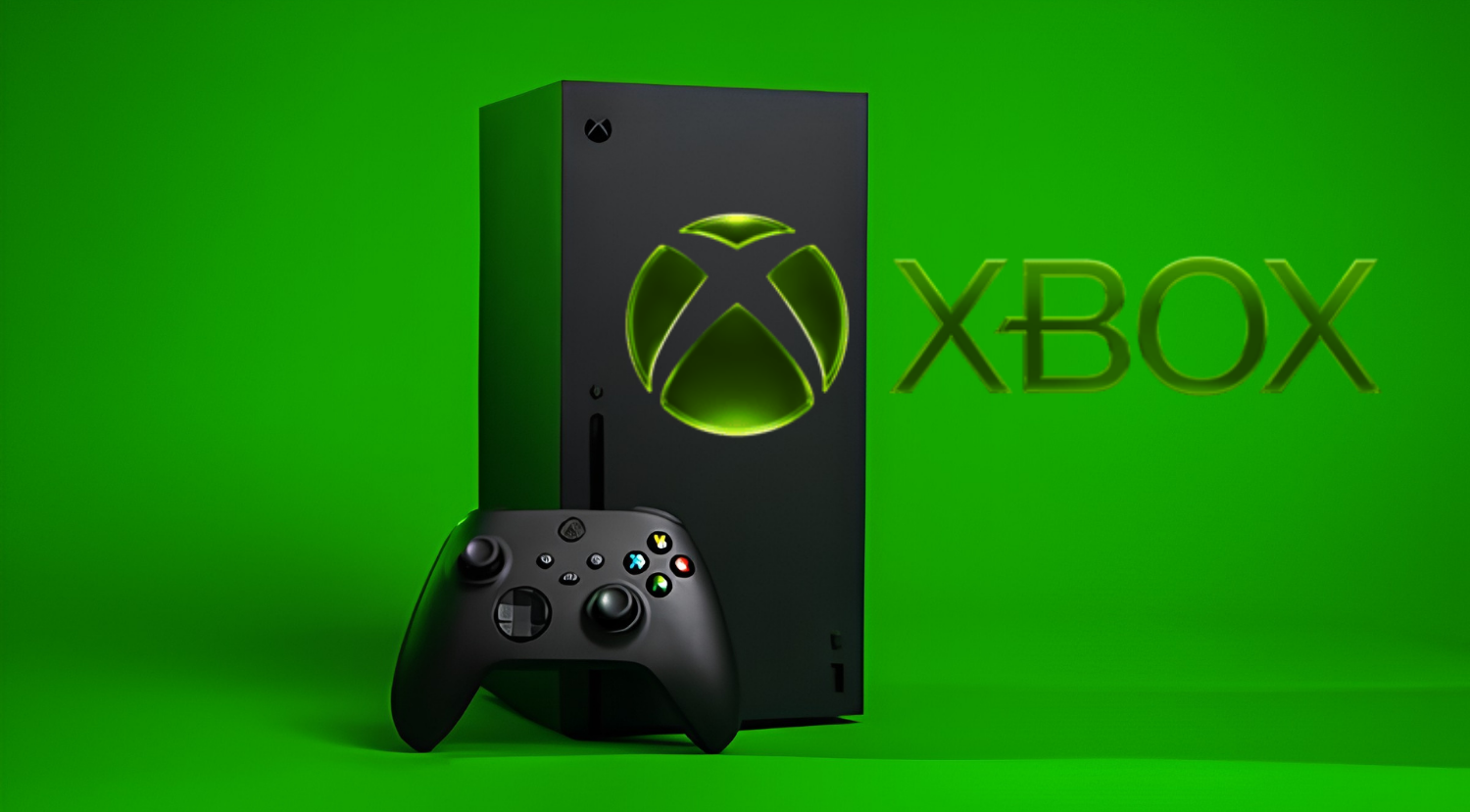
Xbox Testing Game Digitization: A Major Shift Toward a Disc-Free Gaming Future
The gaming industry is undergoing one of its most transformative phases, and Microsoft appears ready to take another bold step forward. Recent reports indicate that Xbox is testing a feature that allows gamers to digitize their physical game discs, potentially bridging the long-standing gap between physical ownership and digital convenience. This development, if fully implemented, could redefine how players access, store, and interact with their game libraries, while also signaling a larger shift in the gaming ecosystem. As someone who has followed console evolution closely and observed the gradual migration from discs to downloads, this feature feels less like a surprise and more like an inevitable next chapter.
For decades, physical media defined gaming ownership. From cartridges to CDs, DVDs, and Blu-ray discs, the tactile experience of holding a game has been deeply tied to the culture of gaming. However, the last decade has seen a dramatic shift toward digital distribution. Platforms like Xbox Live, PlayStation Network, and Steam have normalized the idea of downloading games directly, eliminating the need for physical storage while offering instant access. Yet, millions of players still own extensive disc libraries, creating a disconnect between legacy ownership and modern convenience. Xbox’s experimental digitization feature appears designed to close that gap.
At its core, the concept is simple but powerful. The feature would allow users to verify ownership of a physical disc and convert it into a digital license tied to their account. Once verified, players could access the game without needing to insert the disc again. This effectively transforms a physical copy into a digital asset, offering the flexibility of digital gaming while preserving the value of previously purchased titles. For users who have invested heavily in physical collections over the years, this could be a game-changing development.
From a user experience standpoint, the benefits are immediately clear. Digital libraries offer faster access, eliminate the need to swap discs, and integrate seamlessly with cloud gaming and remote play. Players can switch between games instantly, install titles without relying on disc reads, and potentially access their library across multiple devices. For those who travel frequently or prefer minimalist setups, removing physical clutter while retaining ownership is a compelling proposition.
However, implementing such a feature is far from straightforward. One of the biggest technical challenges is ensuring secure and reliable verification of disc ownership. Microsoft would need a system that confirms a user legitimately owns the physical copy without creating opportunities for abuse. For example, a system that simply checks for disc insertion once could be exploited if users digitize a game and then resell the disc. Addressing this requires a robust authentication process, potentially involving periodic verification or account-based restrictions.
Another important consideration is licensing and publisher agreements. Game distribution involves complex legal frameworks, and converting physical ownership into digital licenses may require renegotiating terms with publishers. Not all companies may be willing to support such a transition, especially if it impacts revenue from resales or new purchases. Microsoft’s ability to secure broad industry support will likely determine how widely this feature can be implemented.
From an industry perspective, this move aligns with Microsoft’s broader strategy of building a service-driven ecosystem. Xbox Game Pass has already shifted the focus from ownership to access, offering a subscription model that provides a vast library of games for a monthly fee. Digitizing physical games complements this strategy by bringing legacy purchases into the digital ecosystem, strengthening user engagement and platform loyalty. It also reinforces Microsoft’s vision of a unified gaming experience across consoles, PCs, and cloud platforms.
For gamers in regions like India, including cities such as Lucknow where access to high-speed internet has improved significantly in recent years, this feature could have a particularly meaningful impact. Physical games have historically been popular due to limited bandwidth and high data costs. Even today, many players prefer discs because they can install games without large downloads. However, as infrastructure improves, the convenience of digital libraries becomes increasingly attractive. Digitization offers a hybrid solution, allowing players to retain their existing collections while embracing modern conveniences.
Environmental considerations also play a role in this transition. Physical game production involves manufacturing discs, packaging, and transportation, all of which contribute to environmental impact. Reducing reliance on physical media could lower carbon footprints associated with gaming. While digital distribution has its own energy costs, particularly in data centers, the overall shift may still result in a more sustainable model over time.
Despite its potential advantages, the feature is not without controversy. Some gamers value the tangibility and resale potential of physical games. Digitizing a disc could raise questions about ownership rights, particularly if the process restricts the ability to sell or transfer the physical copy. Transparency will be crucial in addressing these concerns. Microsoft will need to clearly communicate how digitization affects ownership, resale, and account limitations to maintain trust among its user base.
Security and account management will also be critical factors. As digital libraries grow, protecting user accounts becomes increasingly important. A digitized collection represents significant value, and any vulnerabilities could lead to loss of access or unauthorized use. Microsoft has already invested heavily in security measures such as two-factor authentication, and expanding these protections will be essential as more users transition to digital ownership.
Looking at the competitive landscape, Xbox’s experimentation could influence other major players in the industry. Sony and Nintendo have traditionally maintained strong ties to physical media, but they have also embraced digital distribution in recent years. If Microsoft successfully implements disc digitization, it may set a precedent that encourages similar innovations across the industry. This could accelerate the transition toward a predominantly digital future while preserving the legacy of physical collections.
From a historical perspective, this development reflects a broader trend in media consumption. Music, movies, and books have all undergone similar transitions from physical to digital formats. Streaming services have largely replaced CDs and DVDs, offering instant access to vast libraries of content. Gaming has been slower to fully embrace this shift due to technical and licensing complexities, but the direction is clear. Xbox’s digitization feature represents a significant step in aligning gaming with these broader trends.
The economic implications are also worth considering. Digitization could reduce the secondary market for physical games, as players may be less inclined to sell discs once they are converted into digital licenses. This could impact retailers and resellers who rely on used game sales. At the same time, it may encourage more users to remain within the Xbox ecosystem, increasing long-term revenue through subscriptions and digital purchases.
For developers, the transition offers both opportunities and challenges. On one hand, digital distribution simplifies updates, patches, and content delivery. Developers can release improvements more efficiently and reach a broader audience without the constraints of physical production. On the other hand, changes in ownership models may require adjustments in pricing strategies and revenue sharing agreements.
User feedback will play a crucial role in shaping the final implementation of this feature. Early testing phases provide valuable insights into how players interact with the system, what concerns they have, and what improvements are needed. Microsoft has a history of iterating based on community feedback, and this approach will be essential in refining the digitization process.
Trust remains a central pillar of this initiative. Gamers need assurance that their purchases are secure, their rights are respected, and their investments are protected. Microsoft’s track record with backward compatibility and consumer-friendly policies provides a foundation for this trust, but the company will need to maintain transparency and consistency as it rolls out new features.
In practical terms, the success of this feature will depend on ease of use. The process of digitizing a game should be straightforward, intuitive, and accessible to users of all technical levels. Complicated procedures or frequent verification requirements could deter adoption. Striking the right balance between security and convenience will be key.
The potential integration with cloud gaming adds another layer of significance. If digitized games can be accessed through services like Xbox Cloud Gaming, players could enjoy their entire library across devices without needing local installations. This would further blur the lines between console, PC, and mobile gaming, creating a truly unified experience.
As the gaming industry continues to evolve, features like disc digitization highlight the importance of adaptability. Players’ preferences are changing, technology is advancing, and companies must innovate to stay relevant. Xbox’s willingness to experiment with new ideas demonstrates a forward-thinking approach that could shape the future of gaming.
Ultimately, the concept of digitizing physical games represents more than just a technical feature. It reflects a shift in how we think about ownership, access, and convenience in the digital age. For long-time gamers with extensive disc collections, it offers a way to bring the past into the present without losing value. For new players, it reinforces the benefits of a digital-first ecosystem.
While it remains to be seen how and when this feature will be fully implemented, its potential impact is undeniable. By addressing technical challenges, securing industry support, and maintaining user trust, Microsoft has the opportunity to set a new standard for gaming accessibility and convenience. As someone who has experienced the evolution of gaming firsthand, from physical shelves filled with discs to cloud-based libraries accessible anywhere, this development feels like a natural progression toward a more flexible and connected future.
The coming months will likely reveal more details about Xbox’s testing phase, including how the feature works in real-world scenarios and how it is received by the gaming community. Until then, the idea of turning physical games into digital assets remains one of the most intriguing developments in the industry, offering a glimpse into what the next generation of gaming might look like.
In a world where convenience increasingly defines user experience, Xbox’s experiment with game digitization stands as a testament to the industry’s ongoing transformation. It is not just about removing discs; it is about redefining access, preserving value, and embracing the possibilities of a digital future while respecting the legacy of physical gaming.