Why the Iran-Israel conflict remains the most dangerous global story of 2026
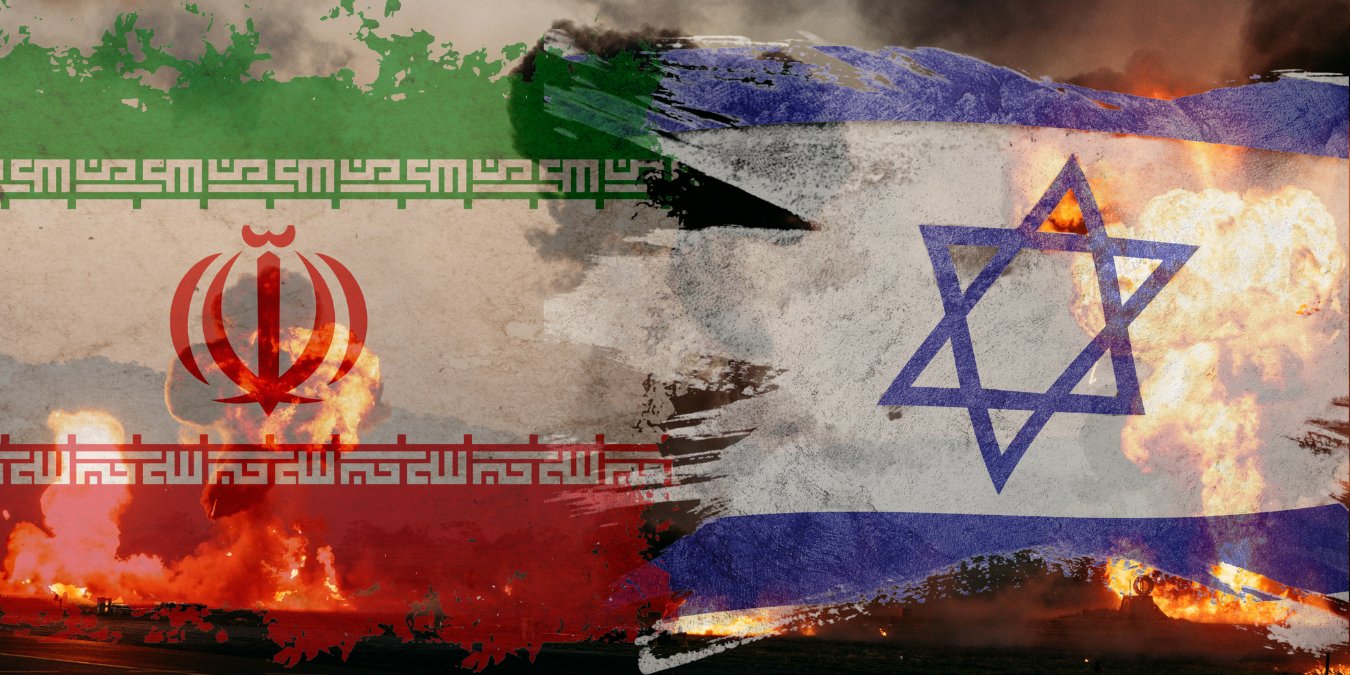
The Iran-Israel conflict is still the most dangerous global story of 2026 because it sits at the intersection of nuclear risk, regional war, energy security, and great-power rivalry, with enough moving parts to spiral beyond anyone’s control. Even after repeated strikes and counterstrikes, the core problems remain unresolved: Iran’s nuclear stockpile, the future of the Strait of Hormuz, and the possibility of a wider war pulling in the United States and other regional actors.
The conflict did not end
What makes this crisis so volatile is that it has already moved from a shadow conflict into direct military confrontation. A long period of cyberattacks, sabotage, proxy clashes, maritime incidents, and assassinations gave way in 2026 to overt interstate warfare, with direct strikes on Iranian targets and retaliation across the region. That shift matters because wars become harder to contain once both sides are firing openly and domestic pressure starts rewarding escalation over restraint.
The conflict also no longer looks like a clean bilateral struggle. Reporting in March and June 2026 shows the fighting has spread into Gulf states, affected U.S. forces and interests, and raised the risk of sustained regional warfare involving armed groups across Lebanon, Iraq, Qatar, and Saudi Arabia. In other words, this is not a single front problem; it is a connected system of fronts.
Nuclear danger remains high
Iran’s nuclear file is still one of the most alarming elements of the story. Reuters reported in June 2026 that the IAEA’s latest reporting and diplomacy focus on Iran’s enriched uranium stockpile and access for inspectors, with the agency pressing Tehran to re-engage and open up sites and uranium stocks. Reuters also reported that Iran had 440.9 kg of uranium enriched to 60 percent in May, a level close enough to weapons-grade that further enrichment could significantly shorten the path to a bomb if Iran chose that route.
The IAEA’s concerns are not abstract; they shape war planning. Reuters reported that much of the near-bomb-grade material was believed to be stored at Isfahan, while damaged facilities and blocked inspections made it harder to verify the status of key materials after strikes. That uncertainty is dangerous because the absence of verified information can push leaders toward worst-case assumptions, especially in a crisis where time pressure is intense.
Energy shock can spread fast
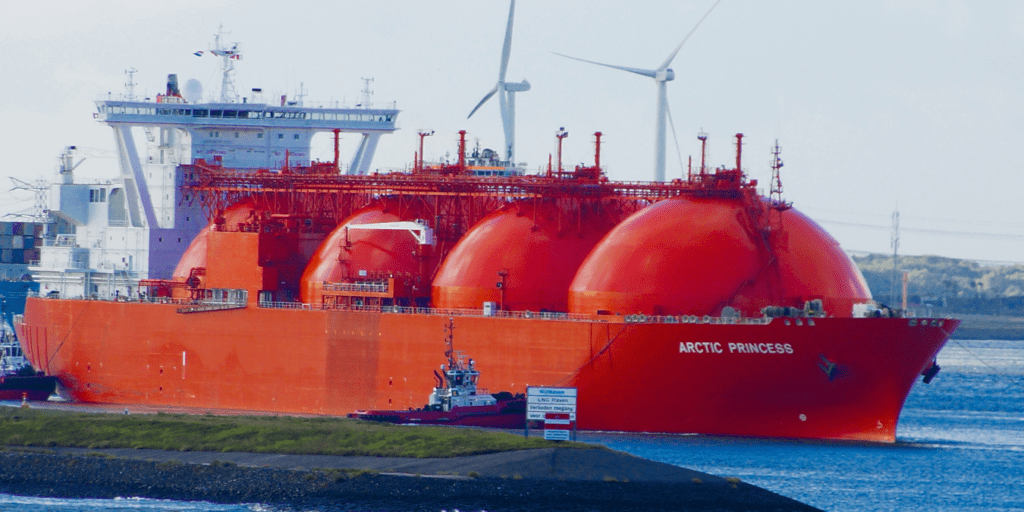
The Strait of Hormuz is the second reason this crisis matters globally. Reuters and other reporting indicate that the conflict has already disrupted shipping, raised war-risk insurance costs, and made the reopening of the strait a central issue in any peace framework. Because the waterway is a critical route for global oil flows, even partial disruption can send shock waves through fuel prices, freight, food, and inflation.
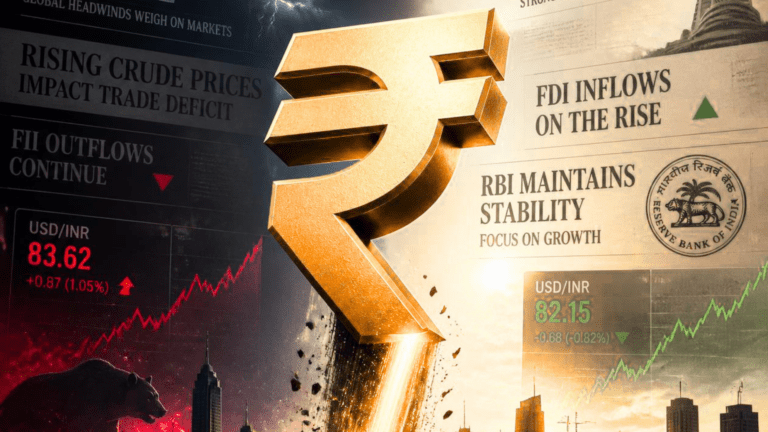
That is why this conflict is not just a Middle East story but a macroeconomic one. A prolonged closure, mining threat, or insurance withdrawal in the strait could tighten supply far beyond the region and hit import-dependent economies first. For households, that means higher transport and food costs; for governments, it means a harder fight against inflation and slower growth.
The next phase could be worse
There are several plausible next steps, and none are comforting. The first is a fragile deal that pauses the fighting while leaving the core dispute intact, especially if both sides conclude that further escalation is too costly. The second is a grinding conflict in which strikes, reprisals, and maritime disruption continue for weeks or months, creating a permanent crisis atmosphere rather than a decisive outcome.
The third scenario is the most dangerous: a widening regional war that drags in more states and nonstate actors while both Iran and Israel seek to restore deterrence through punishment. Brookings experts warned that even major damage to leadership and infrastructure does not guarantee regime collapse or stability, and that attempts at forced change can produce fragmentation, repression, or prolonged chaos instead. That is the key lesson of 2026 so far: military success does not automatically create political order.
What to watch next
The clearest indicators of where this goes will be diplomatic, military, and economic. Watch whether inspectors return to Iranian nuclear sites, whether Tehran provides credible accounting of enriched uranium, whether shipping through Hormuz normalizes, and whether either side signals readiness for a structured negotiation rather than open-ended retaliation. Also watch for any sign that U.S. forces, Gulf states, or regional armed groups are being drawn more directly into the fighting.
The most important question is not whether this conflict is serious; it is whether policymakers treat it as a manageable crisis or a system-level threat. Based on the evidence available in June 2026, it is still the world’s most dangerous story because it can jump from military conflict to nuclear brinkmanship to energy shock with very little warning.