What Makes the Best Credit Cards of 2026 Stand Out from the Rest Right Now
Choosing the right credit card in 2026 is no longer just about earning points or getting lounge access. The top cards this year differentiate themselves through smarter reward structures, stricter regulatory compliance, personalized lifestyle benefits, and transparent fee models that actually deliver value. While hundreds of cards flood the Indian market, only a handful truly stand out by aligning with how people actually spend, travel, and manage finances in today’s digital-first economy.
The 2026 Credit Card Landscape Has Changed Dramatically
Credit card usage in India has exploded in recent years. The number of cards in circulation nearly doubled from 5.53 crore in 2019 to 10.8 crore by end of 2024, with transaction volumes more than doubling and total spending touching over ₹20.37 lakh crore [web:idfcfirst]. Digital-first options like RuPay credit cards linked to UPI have seen 750 million transactions in a single year, fundamentally changing how consumers interact with credit [web:idfcfirst].
Butquantity doesn’t mean quality. nine major rule changes took effect April 1, 2026 that reshape how cards work, from mandatory two-factor authentication to tighter tax scrutiny on high-value spending. These regulatory shifts mean the best cards now must balance generous perks with compliance, security, and sustainable reward economics.
What Separates Top Cards from Mediocre Ones in 2026
The elite credit cards of 2026 share five critical characteristics that less valuable cards lack. Understanding these differences is essential before applying for any new card.
1. Reward Programs That Actually Reward You Without Hidden Caps
Many cards advertise attractive reward rates but impose frustrating caps, exclusions, or devaluation traps. The best cards offer high reward rates on regular expenses like groceries, dining, and travel with easy redemption options [web:idfcfirst].
For example, the HDFC Regalia Gold Credit Card delivers 4 points per ₹150 spent with strong travel perks and complimentary flight vouchers, making it well-balanced for frequent travelers. The Axis Bank ACE Credit Card offers up to 5% cashback on utility bills and recharges with a simple structure that provides real savings. In contrast, SBI Card discontinued reward points on rent payments from April 2026, and Axis Bank capped rewards on insurance premiums and utility bills, showing how quickly黯然失色 previously attractive cards can become.
2. Low or Zero Annual Fees with Transparent Waiver Conditions
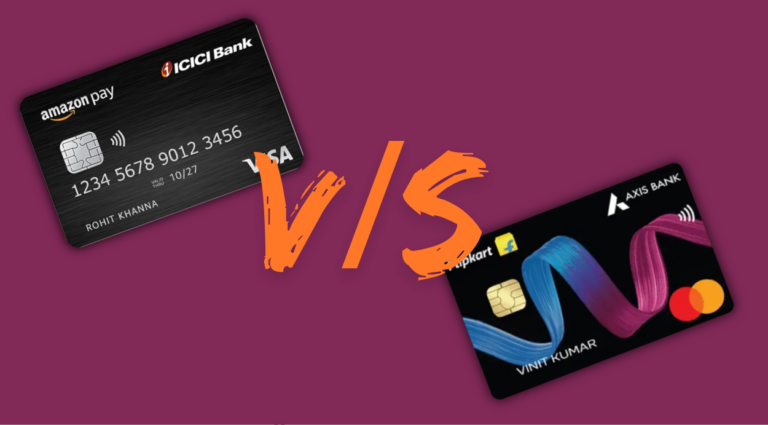
Lifetime-free cards or those with spend-based fee waivers dominate the 2026 recommendations because they remove financial friction. The ICICI Amazon Pay Credit Card has zero annual fee and zero joining fee while delivering up to 5% cashback on Amazon, making it ideal for Prime users. The IDFC First Select Credit Card offers premium perks including complimentary lounge access with no annual fee and reward points that never expire.
Premium cards like Axis Bank Magnus Credit Card charge ₹10,000+ annual fee but justify it with unlimited international lounge access, airport meet-and-greet services, and benefits rivaling global charge cards. The key is whether benefits offset the fee based on your actual spending patterns.
3. Travel Perks That Offset Card Costs Quickly
For travelers, the best cards provide low forex markup, complimentary lounge access, and travel insurance that collectively save more than the card costs. The IDFC FIRST Ashva Credit Card features just 1% forex markup, four domestic and two overseas lounge visits per quarter, plus comprehensive travel insurance including trip cancellation coverage [web:idfcfirst]. The Mayura Credit Card offers zero forex markup entirely, four domestic and four overseas lounge visits each quarter, and up to 24 complimentary golf rounds monthly on meeting spend thresholds [web:idfcfirst].
The IndiGo IDFC FIRST Dual Credit Card stands out for frequent IndiGo flyers with 22 IndiGo BluChips on flight bookings, welcome bonus of 5,000 BluChips, and dual-network benefits (RuPay and Mastercard) under one credit limit [web:idfcfirst]. Forex markup of just 1.49% saves significantly on international transactions [web:idfcfirst].
4. Digital-First Features Including UPI Integration
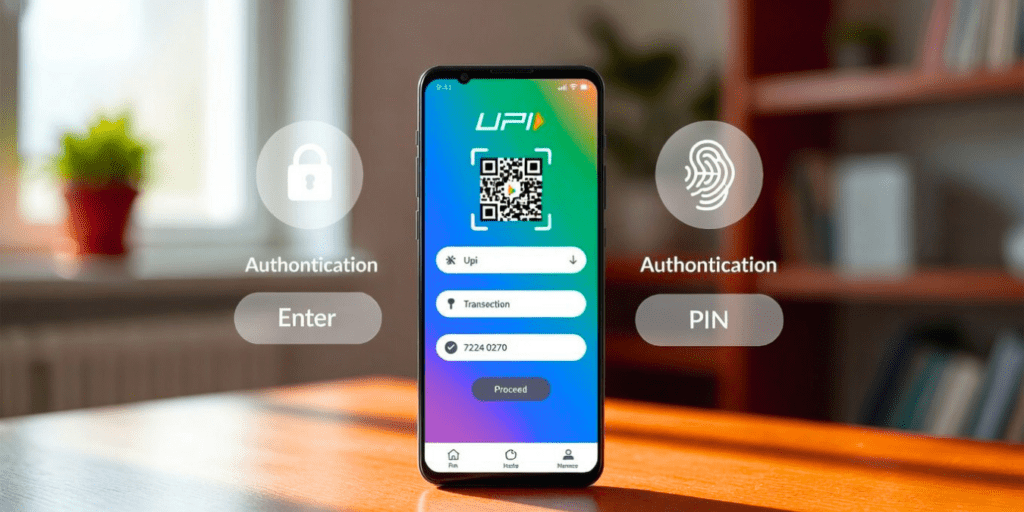
With UPI becoming the preferred payment method across India, cards enabling UPI linking offer superior flexibility. The FIRST Digital RuPay Credit Card is 100% digital, offering 100% cashback capped at ₹200 on first four UPI transactions within 15 days, plus 3 reward points on UPI spends above ₹2,000 [web:idfcfirst]. The FIRST WOW! Black Credit Card includes a complimentary UPI-enabled virtual card for quick secure payments alongside 4 reward points per ₹150 spent and 3 points via UPI [web:idfcfirst].
5. Enhanced Security With Real-Time Fraud Protection
Top cards now offer real-time fraud alerts, instant card locking via mobile apps, and dedicated customer support. The RBI’s new mandatory two-factor authentication requirement for all credit card transactions effective April 1, 2026 means every transaction must verify using at least two independent factors including at least one dynamic factor like OTP. Premium cards build on this baseline with additional fraud monitoring and zero-liability protection for unauthorized transactions.
Top Credit Cards by Category in 2026
Understanding which card fits your lifestyle requires categorizing by primary spending patterns. Here are the standout cards across key segments.
Best for Frequent Travelers
| Card | Annual Fee | Key Travel Benefit | Forex Markup |
|---|---|---|---|
| HDFC Regalia Gold | ₹2,500 (waived on spend) | Complimentary flight vouchers, domestic and international lounge access | Standard |
| Axis Magnus Burgundy | ₹10,000+ | Unlimited international lounge, airport meet and greet | Standard |
| Mayura Credit Card | ₹5,999 + GST | Zero forex markup, 4 domestic + 4 overseas lounge visits quarterly | 0% |
| IndiGo IDFC FIRST Dual | ₹4,999 + GST (waived for FD option) | 22 BluChips on flight bookings, 5,000 welcome bonus | 1.49% |
The Axis Magnus Burgundy ranks among the top three cards in India for high spenders, particularly for luxury travelers wanting premium benefits rivaling global charge cards. HDFC Infinia and HSBC Premier also compete strongly in this HNI segment.
Best for Online Shopping
| Card | Annual Fee | Reward Rate | Best For |
|---|---|---|---|
| SBI SimplyCLICK | ₹499 | 10X points on partner platforms | Digital spending |
| ICICI Amazon Pay | Nil | Up to 5% on Amazon | Amazon Prime users |
| HDFC Millennia | ₹1,000 | Up to 5% on online spends | Young professionals |
The SBI SimplyCLICK Credit Card delivers excellent entry-level value for digital spending with 10X points on partner platforms and an Amazon gift voucher welcome benefit. The ICICI Amazon Pay card remains the top zero-fee option for consistent cashback value for Prime members.
Best for Cashback Seekers
| Card | Annual Fee | Cashback Rate | Key Feature |
|---|---|---|---|
| Axis Bank ACE | ₹499 | Up to 5% on utilities and recharges | Google Pay offers, 20% dining discount |
| ICICI Amazon Pay | Nil | Up to 5% on Amazon | Fuel surcharge waiver |
| FIRST EA₹N Credit Card | FD-secured | Up to 1% on every spend | 100% cashback on first UPI transaction |
Axis ACE and Amazon Pay ICICI offer the strongest cashback benefits in the market, with Axis ACE providing simple cashback structure and real savings on utility bills. The secured FIRST EA₹N Credit Card ideal for beginners offers up to 100% cashback capped at ₹500 on first UPI transaction within 15 days [web:idfcfirst].
Best Lifetime-Free Options
| Card | Fee | Lounge Access | Notable Perk |
|---|---|---|---|
| IDFC First Select | Nil | Complimentary | Reward points never expire |
| FIRST Classic | Nil | Railway lounges 4x quarterly | 1% fuel waiver up to ₹200 monthly |
| FIRST WOW! | Nil (secured) | None | 6.3% p.a. interest on FD |
| ICICI Amazon Pay | Nil | None | 5% Amazon cashback |
IDFC First Select delivers premium perks without annual charges, including complimentary lounge access and lower interest rates than peers. The FIRST Classic Credit Card offers low interest rates starting at 8.5% per annum with consistent everyday value for salaried professionals [web:idfcfirst].
Critical 2026 Rule Changes Affecting Card Value
Nine major credit card rule changes took effect April 1, 2026 that directly impact which cards deliver maximum value.
Mandatory Two-Factor Authentication
The RBI’s Authentication Mechanisms for Digital Payment Transactions Directions, 2025 requires all credit card transactions verify using at least two independent factors with at least one dynamic factor. OTPs qualify as valid dynamic factors. Low-risk small-value transactions may get flexibility, but high-value or unfamiliar transactions will require extra verification.
High-Spending Under Tax Scrutiny
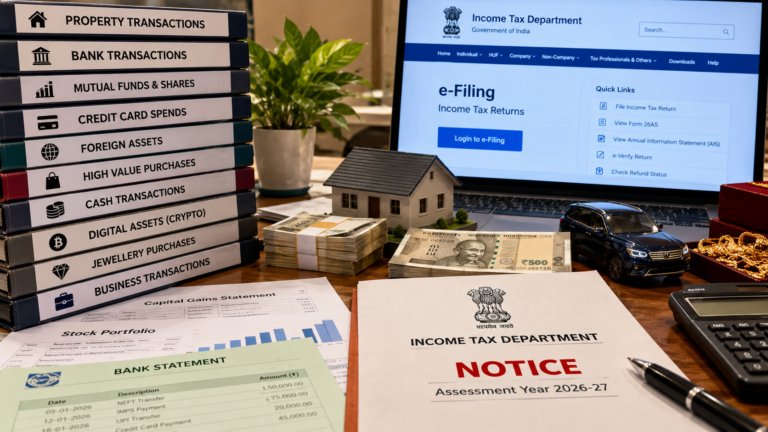
Annual credit card spending of ₹10 lakh or more through digital modes may now be reported to the Income Tax Department under the Statement of Financial Transactions framework. Cash payments of ₹1 lakh or above through credit cards are also under monitoring. If declared income and credit card spending diverge significantly, scrutiny may follow.
PAN Mandatory for All New Applications
Banks will not process any new credit card application without valid PAN from April 1, 2026. Updated forms require date-of-birth verification in addition to Aadhaar, tying issuance directly to verified financial identity.
Weekly Credit Score Reporting
Banks and NBFCs must report borrower data to credit information companies every seven days starting April 1, 2026. A missed payment can now show up in your credit profile within a week rather than a month, making timely payments more critical than ever.
Reward Program Tightening
SBI Card discontinued reward points on rent payments across several cards from April 1, and revised cashback cap on SBI Cashback Card from ₹5,000 to ₹4,000 per statement cycle. ICICI Bank moved complimentary domestic lounge access to spend-linked model requiring ₹35,000 minimum spend in preceding quarter. Axis Bank capped reward points on insurance premiums and utility bill payments.
These changes mean cards previously valued for rent or utility point accumulation may no longer deliver expected returns, requiring strategy reassessment.
Common Mistakes That Cost Cardholders Thousands
Picking the wrong credit card can cost more than it saves. Avoid these critical errors when comparing options.
Choosing a card without checking annual fees and other charges leads to negative value when benefits don’t offset costs [web:idfcfirst]. Ignoring actual spending patterns when selecting features means you’ll never maximize rewards since cards are optimized for specific categories [web:idfcfirst].
Overlooking forex markup rates devastates value for frequent travelers—a 3.5% markup versus 1% markup on ₹5 lakh annual international spending costs ₹12,500 extra [web:idfcfirst]. Applying for multiple cards at once causes credit score drops that hurt future borrowing capacity [web:idfcfirst].
Forgetting to check if rewards or cashback come with caps and restrictions means advertised rates rarely match actual earnings. Many cards advertise 10X points but only on specific partner platforms with monthly caps.
How to Choose Your Perfect Card in 2026
Ask these five questions before applying to narrow down to the right card.
1. Do you spend more on travel, shopping, or everyday essentials?
Travelers should prioritize low forex markup and lounge access. Online shoppers need high rewards on e-commerce platforms. Everyday spenders benefit from cashback on groceries and utilities [web:idfcfirst].
2. Will you benefit more from cashback, reward points, or lounge access?
Cashback provides instant savings credited back to your account. Reward points accumulate for future redemption on travel, shopping, or vouchers with potentially higher value if redeemed strategically [web:idfcfirst].
3. Do you want a lifetime-free card or pay annual fee for premium perks?
Lifetime-free cards like ICICI Amazon Pay and IDFC First Select offer long-term affordability. Premium cards like Axis Magnus justify ₹10,000+ fees with benefits that offset costs for high spenders.
4. How often do you use UPI-linked payments?
With 750 million RuPay credit card UPI transactions annually, cards offering UPI rewards deliver superior convenience [web:idfcfirst]. FIRST Digital RuPay and FIRST WOW! Black both offer enhanced UPI rewards [web:idfcfirst].
5. Are you starting your credit journey or upgrading to premium features?
Beginners should consider secured cards like FIRST WOW! Credit Card or FIRST EA₹N Credit Card that help build credit history while offering rewards [web:idfcfirst]. Established users with 700+ CIBIL scores can access premium cards with richer benefits.
The E-E-A-T Framework for Credit Card Selection
Google’s E-E-A-T (Experience, Expertise, Authoritativeness, Trustworthiness) framework applies to credit card selection just as it does to content evaluation.
Experience means understanding real-world card usage through actual spending patterns, not theoretical maximums. Track your last three months of spending to identify categories where you’ll earn maximum rewards.
Expertise requires understanding reward structures, fee economics, and redemption mechanics. Know that HDFC Regalia Gold’s 4 points per ₹150 translates to roughly 1% return when redeemed for travel, while Axis ACE’s 5% cashback is straightforward value.
Authoritativeness comes from relying on official bank sources and verified comparison data rather than promotional content. Equentis, IDFC FIRST Bank’s FinFIRST blog, and Paisabazaar provide research-backed comparisons [web:idfcfirst].
Trustworthiness means choosing cards from reputable banks with strong customer support, transparent terms, and robust fraud protection. HDFC, Axis, ICICI, SBI, and IDFC FIRST all have established track records.
Credit Card vs Charge Card: Know the Difference
Understanding this distinction matters for high spenders. Credit cards have fixed credit limits and allow minimum due repayment with interest applicable. Charge cards have no preset limit but require full payment mandatory with no interest since balances don’t carry.
Most Indian users prefer credit cards due to repayment flexibility. Charge cards suit disciplined, high-income spenders who pay full balances monthly and want higher spending power without preset limits. Axis Magnus functions similarly to a charge card in practice despite being technically a credit card.
Building Credit Score Responsibly
Credit cards significantly impact credit scores when used responsibly. Weekly reporting starting April 2026 means missed payments appear within a week rather than a month, accelerating negative impact. However, timely payments build positive history faster too.
Ideally maintain 1-3 cards depending on usage, keeping utilization below 30% of total credit limit. Never close unused cards immediately since older cards help credit history length. Convert purchases to EMIs only when necessary since EMI conversions reduce available credit and may impact score temporarily.
Final Thoughts: Your Card Should Work Harder Than You
Finding the best credit cards in India in 2026 is about aligning features with your lifestyle and financial goals, not chasing maximum advertised rewards. When used wisely, a credit card isn’t just a payment tool—it’s a financial advantage that complements savings, spending, and long-term planning.
The top cards of 2026 stand out because they deliver transparent value without hidden traps, adapt to regulatory changes while maintaining generous perks, and personalize benefits to match how people actually live and spend. Whether you choose HDFC Regalia Gold for balanced premium benefits, Axis ACE for straightforward cashback, ICICI Amazon Pay for zero-fee consistency, or Mayura for zero forex markup travel, the right card should save you money, provide protection, and enhance your financial flexibility.
Before applying, verify current terms since reward structures and fees change frequently. Consult your financial advisor for decisions specific to your financial situation, especially given the new tax scrutiny on high-value spending. With over 10.8 crore cards in circulation and intense competition, you have more options than ever—but only a handful truly deserve a spot in your wallet [web:idfcfirst].
The credit card landscape in 2026 rewards informed decision-making. Choose wisely based on your actual spending, not marketing promises, and your card will deliver consistent value for years to come.