This New 2026 Cashback Credit Card Is Secretly Paying More Than Your Old Reward Card – Here's the Catch
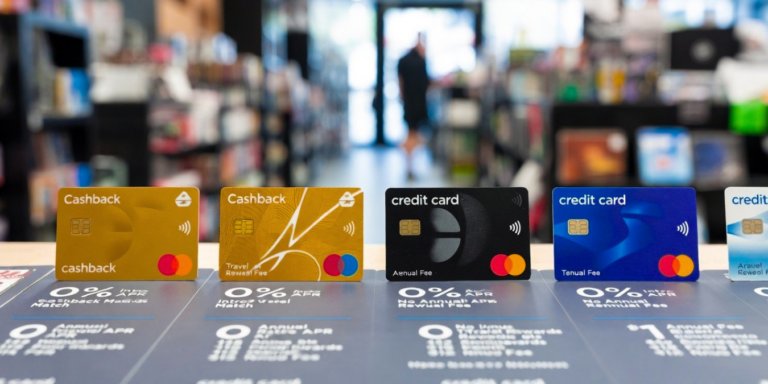
A new generation of cashback credit cards launched in 2026 is quietly outperforming older reward-point cards on almost every everyday spending category, but the higher payout comes wrapped in caps, category restrictions, and redemption conditions that most cardholders overlook until their statement arrives.
Why Cashback Beat Reward Points in 2026
Reward point programs built their appeal on travel redemptions and premium catalogues, but that model has weakened over the past two years as banks devalued point-to-rupee conversion ratios across the industry. Cashback cards sidestep that entire problem because the value is fixed and transparent from day one. You spend, you get a defined percentage back, and there is no guessing about what a point is actually worth when you try to redeem it.
This shift explains why cashback has become the most searched and most recommended card category in India through 2026, with nearly every major issuer refreshing or launching a cashback product this year. The appeal is straightforward. Spend money, get a portion of it back, with no complicated point conversion or catalogue browsing required.
The New Card That Is Quietly Outperforming Legacy Rewards Cards
Several 2026 launches are the ones actually driving this “secretly paying more” narrative, and the SBI Cashback Credit Card sits at the center of it. It offers 5 percent cashback on virtually all online transactions without restricting cardholders to a specific merchant list, which is a meaningful departure from older co-branded cards that only rewarded spending on one platform. That flat, unrestricted online rate is what makes it feel like a hidden upgrade next to legacy reward cards, most of which cap their best earn rates to travel bookings or a narrow set of partner brands.
The Axis Ace Credit Card follows a different but equally disruptive model. Instead of chasing shopping spend, it pays out 5 percent cashback on bill payments made through Google Pay and 4 percent on platforms like Swiggy, Zomato, and Ola, categories that traditional reward cards have historically ignored or rewarded at negligible rates. For a household that pays electricity, broadband, and mobile bills every month, that difference compounds quickly.
Newer entrants are pushing the envelope even further. The Jupiter Edge Plus RuPay Credit Card advertises up to 10 percent cashback on Amazon, Flipkart, and Myntra purchases, along with 5 percent on travel bookings and 1 percent on UPI spending, positioning itself directly against premium reward cards that require far higher annual fees to unlock comparable value. HSBC Live Plus, meanwhile, has carved out a niche by rewarding dining, groceries, and food delivery generously, a category most legacy cards treat as an afterthought.
Where the Real Numbers Stack Up
The table below lays out how these 2026 cashback cards compare on headline rate, best-use category, and cost, based on published bank terms as of mid-2026.
| Credit Card | Cashback Rate | Best Category | Annual Fee |
|---|---|---|---|
| SBI Cashback | 5% online | All online shopping | ₹999 |
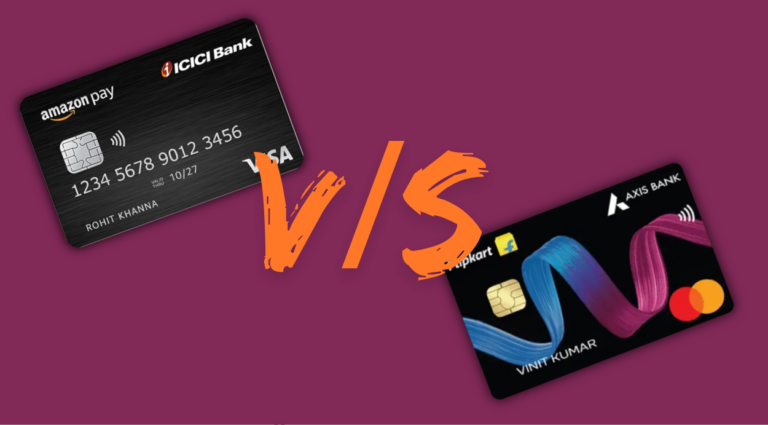
| Amazon Pay ICICI | 5% on Amazon (Prime) | Amazon ecosystem | Lifetime free |
| HDFC Millennia | 5% on select brands | Multi-platform online | ₹1,000 |
| Axis Ace | 5% on bill payments | Utilities and payments | ₹499 |
| HSBC Live+ | High on food/grocery | Dining and groceries | ₹999 |
| Jupiter Edge+ RuPay | Up to 10% (capped) | Amazon/Flipkart/Myntra | Varies |
Numbers like 10 percent or 5 percent look dramatic against the 1 to 2 percent reward rates that most legacy travel and lifestyle cards deliver on everyday, non-premium spending. That gap is real, but it is also where the catch begins.
The Catch Nobody Talks About
Every one of these headline rates comes with a limiting condition, and this is the part that separates a genuinely better card from a marketing headline.
- Monthly cashback caps quietly limit total earnings, with the SBI Cashback card capping payouts at ₹5,000 per month regardless of how much you spend beyond that threshold.
- High percentages like the Jupiter Edge Plus’s 10 percent are explicitly described as capped, meaning the rate only applies up to a fixed spend amount before dropping sharply.
- Category restrictions mean a 5 percent rate on Amazon or Flipkart does nothing for spending outside that ecosystem, so the effective blended cashback across your entire monthly budget is usually far lower than the advertised figure.
- Prime membership requirements affect cards like the Amazon Pay ICICI card, where non-Prime users earn only 3 percent instead of the advertised 5 percent.
- Redemption format matters because some cashback is credited as usable wallet balance rather than a direct statement credit, which changes how freely you can actually use the money.
- Annual fees offset a portion of the gain, particularly on cards charging ₹999 to ₹1,000 a year, since that cost has to be recovered through actual cashback earned before the card becomes net positive.
This is precisely why financial comparison platforms now stress that choosing a cashback card based purely on the advertised percentage is one of the most common mistakes cardholders make, since caps, restrictions, and category mismatches often erase a large share of the theoretical benefit.
How These Cards Actually Compare to Legacy Reward Cards
Legacy reward point cards were designed around a redemption ecosystem, points that convert into flights, hotel stays, or catalogue items at a rate the bank controls and can change at will. Over the past two years, several major issuers devalued these conversion ratios, which quietly reduced the real-world value of points already sitting in customer accounts. Cashback cards do not carry that risk because the payout is cash or cash-equivalent from the moment it is credited.
That said, reward point cards still win in specific, narrow situations, primarily premium travel redemptions where transferred points to airline or hotel partners can occasionally outperform a flat cashback rate. For the vast majority of everyday domestic spending, though, on groceries, food delivery, bill payments, fuel, and online shopping, the new 2026 cashback cards are structurally better because the value is guaranteed and does not depend on redemption timing or partner availability.
Who Should Actually Switch
The right decision depends entirely on your dominant spending pattern rather than the single highest advertised rate.
- Choose SBI Cashback if you want one simple card that works broadly across all online shopping without merchant restrictions.
- Choose Amazon Pay ICICI if the majority of your online spending happens on Amazon and you hold a Prime subscription.
- Choose Axis Ace if utility bills, food delivery, and cab rides make up a large share of your monthly budget.
- Choose HSBC Live Plus if dining, groceries, and food delivery dominate your spending rather than e-commerce.
- Choose HDFC Millennia if your spending is spread across multiple platforms like Amazon, Flipkart, Myntra, Swiggy, and Zomato rather than concentrated on one.
A practical approach many experienced cardholders use is layering, holding a primary cashback card for daily spending, a lifetime-free backup card for categories the primary card excludes, and a UPI-optimized card for smaller daily transactions, since no single card maximizes every category simultaneously.
The Bottom Line on Switching
Before switching, calculate your actual monthly spend in the categories a new card rewards, then apply the published cap and any Prime or platform conditions to see the realistic payout rather than the headline number. In most cases, the 2026 cashback cards genuinely do out-earn an old reward-point card on everyday domestic spending, but only within their capped limits and only if your spending naturally falls into the categories they favor. Outside those boundaries, the old card may still hold its own, which is the real catch behind the “secretly paying more” claim.