The Credit Card Offers Everyone Is Comparing in Late May 2026
If you scroll through finance forums, bank offer pages, and comparison blogs in late May 2026, one pattern stands out: people are no longer chasing the “best card” in the abstract. They are comparing cards based on a very practical question: which one gives the highest real return on the spending they already do? That shift has made credit card decisions more tactical, more seasonal, and much more competitive. In India, the loudest comparisons right now sit around cashback cards for everyday shopping, travel cards for high-value redemptions, and premium cards for big spenders who can actually unlock the headline benefits. The smartest buyers are looking past marketing and checking caps, eligibility, fee waivers, redemption ratios, and offer expiry dates before applying.
Why this month matters
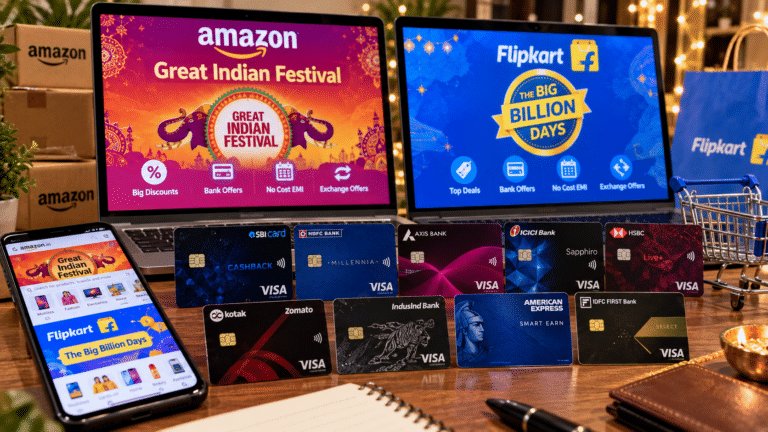
Late May is a strong comparison window because banks and issuers are actively pushing seasonal offers tied to shopping, travel, dining, and reward boosts. HSBC’s current offer page, for example, lists multiple deals that run through 31 May or 30 June 2026, including travel savings, electronics discounts, dining perks, and 3.5% cashback on FX spending for the TravelOne card. GrowthJockey’s May 2026 roundup also highlights time-sensitive India offers such as lifetime-free card deals and airline mile promotions, which is exactly the kind of limited-time activity that causes readers to compare cards now rather than later. For Google Discover, this matters because readers are responding to urgency, and urgency is strongest when a benefit has a visible deadline.
Cashback cards still win
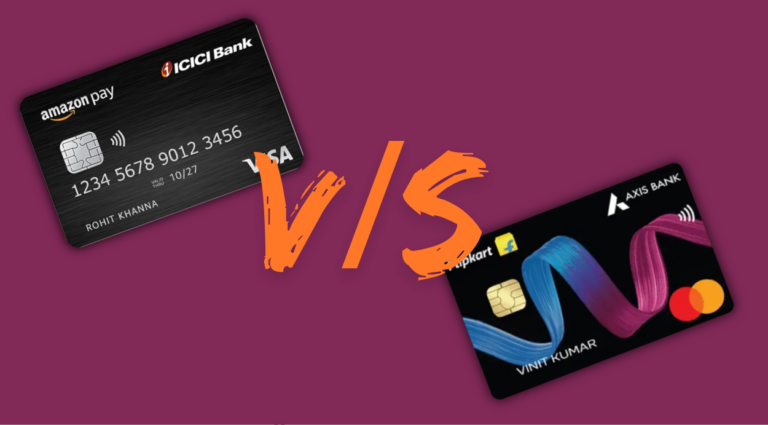
For most people, cashback remains the easiest card benefit to understand because the value is immediate and simple. Amazon Pay ICICI is still one of the most talked-about cards because it offers unlimited 5% cashback for Prime members on Amazon purchases, 3% for non-Prime users, 2% on Amazon Pay categories, and 1% on other eligible spends, all with no joining fee or annual fee. SBI Cashback is also heavily compared, but the card has seen a meaningful devaluation in 2026, with new caps reported at ₹2,000 for online cashback and ₹2,000 for offline cashback per statement cycle. That means it is still attractive for online spenders, but the days of treating it as an unlimited cashback machine are over.
Premium travel cards
At the high end, the biggest comparison is between cards that look expensive on paper but can deliver outsized value for large spenders. Axis Magnus Burgundy is one of the most discussed premium cards in May 2026 because it carries a ₹30,000 plus tax fee, but it also offers up to 14% value-back on non-travel spends and up to 24% on travel spends when used through the right transfer path, along with unlimited domestic lounge access and several premium travel perks. HDFC Infinia remains a benchmark premium card, especially after its 2026 reward redemption changes, because it still offers five reward points per ₹150 spent and up to 10x rewards through SmartBuy, but users now pay closer attention to redemption caps and eligibility tightening. For many affluent cardholders, the debate is no longer “which is the fanciest card,” but “which premium card still returns enough value after fee, cap, and transfer limits.”
Travel value cards
Axis Atlas continues to appear in card comparisons because it targets a broader audience than the ultra-premium segment while still giving meaningful travel returns. Recent India coverage describes Atlas as a travel-centric card with 2.5x rewards on travel spends through the Travel EDGE portal and a 1:2 redemption structure across airlines and hotels, which is why it stays in conversations even when newer cards appear. On the lounge side, Atlas and similar cards are being compared with lifetime-free or lower-fee options that give domestic and some international lounge access, because people want travel comfort without always paying super-premium annual fees. The key question for buyers is whether they travel enough to justify a transfer-heavy travel card or whether they should stay with straightforward cashback.
Lifetime-free alternatives
The other big comparison theme is lifetime-free cards, especially for readers who do not want a recurring fee hanging over the reward calculation. Amazon Pay ICICI is the clearest example of a no-fee card with scale because its rewards are easy to understand and it still delivers strong value for Amazon-heavy households. Paisabazaar and BankBazaar both continue to highlight lifetime-free or zero-annual-fee cards in 2026, which shows that fee-free products remain a major search and comparison category. This is important because many users are now fee-sensitive after seeing premium-card devaluations and changing reward rules across the market.
What buyers compare
When people compare offers in late May 2026, they are usually weighing the same checklist, even if they do not say it out loud. They want to know whether the card has a welcome bonus, an annual fee waiver, accelerated online rewards, lounge access, and caps that are high enough to matter. They also want to know whether redemption is easy or complicated, because a complicated reward currency can reduce the real-world value of an apparently generous card. In practice, the strongest card is the one that fits the user’s actual spend pattern rather than the one with the biggest headline number.
How to choose
The most useful way to compare these offers is to start with your own monthly pattern. If most of your spending is online retail, Amazon Pay ICICI or SBI Cashback is usually easier to justify than a premium travel card. If you spend heavily on travel, flights, hotels, or large merchant categories, a premium card like HDFC Infinia, Axis Magnus Burgundy, or Axis Atlas may produce more value, but only if you can clear the spend thresholds and use the redemption network well. If you travel occasionally and hate annual fees, a lifetime-free card or a lower-fee travel card may be the more disciplined choice.
Hidden trade-offs
The big mistake in credit card comparison is focusing on reward percentage and ignoring the fine print. SBI Cashback’s 2026 caps changed the math for heavy spenders, while HDFC Infinia’s redemption limits and tightening eligibility reduced some of its “set and forget” appeal. Premium cards such as Axis Magnus Burgundy can look extraordinary, but their annual fee and eligibility requirements mean they only make sense for users who can genuinely unlock the higher-value tiers. In other words, a 14% headline return is not useful if your own spending pattern never reaches the level needed to earn it.
Market signal
The broader signal for late May 2026 is that the credit card market has become more transparent and more demanding at the same time. Banks are still offering rich perks, but the richest perks are now increasingly attached to spend thresholds, partner ecosystems, or limited redemption paths. That is why readers are comparing not just cards but also ecosystems, such as Amazon, SmartBuy, airline transfer partners, and dining or travel portals. The winning card is no longer the one that sounds premium; it is the one that turns your regular spending into usable value with the least friction.
Final take
If your goal is pure savings, the cards everyone keeps returning to are Amazon Pay ICICI and SBI Cashback because their value is easy to understand and easy to use. If your goal is premium travel value, the main comparison is between HDFC Infinia, Axis Magnus Burgundy, and Axis Atlas, with the right answer depending on your spend level and how much you care about redemptions versus convenience. And if your goal is to capture a short-lived seasonal deal, late May 2026 is packed with limited-time offers across travel, dining, electronics, and FX spending, which makes this a good moment to apply, compare, or upgrade.