The Most Ambitious iPhone Rumor Yet Points to a Device With No Bezels, No Distractions, and a True All-Screen Look
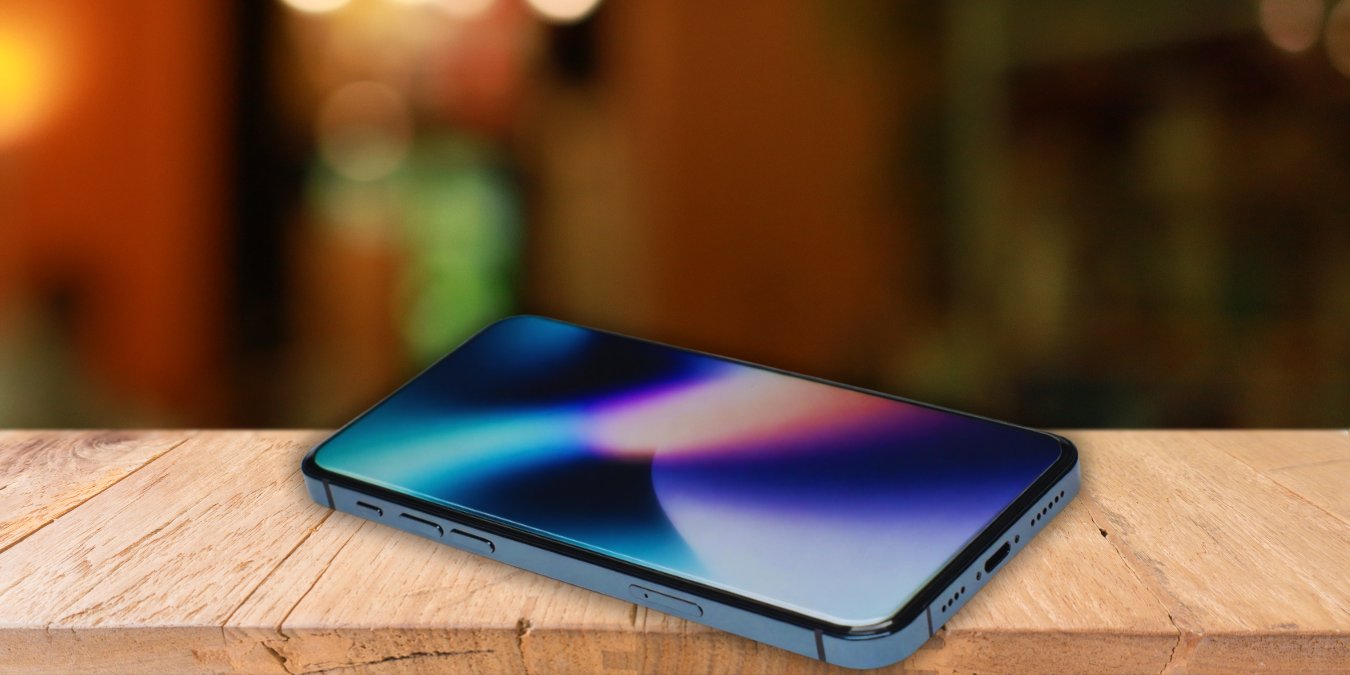
Apple’s next best iPhone may be the most radical redesign the company has planned in years, and the appeal is easy to understand: an all-screen front, no visible bezels, and no Dynamic Island interrupting the display. If Apple executes this well, it will not just be another annual upgrade; it could become the phone that defines the next era of iPhone design.
The iPhone Apple has been moving toward
Apple rarely makes abrupt design moves. It usually advances in careful stages, refining the look and feel of the iPhone over multiple generations until the next big leap feels inevitable rather than shocking. That is exactly what has happened with the front of the device: the thick bezels of the earliest models gave way to slimmer borders, then the notch arrived, and later the Dynamic Island replaced it with a more functional compromise. Each step brought Apple closer to a display-first design, and the rumored all-screen iPhone looks like the final destination of that long strategy.
That matters because the iPhone is no longer competing only on speed, camera quality, or ecosystem strength. At the premium end of the market, industrial design is part of the product promise. A phone that looks clean, modern, and technically ambitious sends a message before the user even unlocks it. Apple understands that better than most companies, which is why its biggest design changes often become cultural moments, not just product updates.
Why “all screen” is a bigger deal than it sounds
At first glance, “all screen” sounds like a simple aesthetic upgrade. In reality, it is a far more complicated engineering goal. To eliminate bezels entirely and remove Dynamic Island, Apple would need to hide major front-facing components beneath the display or rework them so they no longer need visible cutouts. That includes technologies tied to Face ID, the selfie camera, proximity sensing, ambient light detection, and possibly other hardware that has traditionally occupied valuable space above the panel.
The challenge is not just making those parts disappear. It is making them disappear without sacrificing the quality users expect from an iPhone. The front camera still has to take sharp, natural-looking photos. Face ID still has to be fast, secure, and reliable in different lighting conditions. The display itself still has to remain bright, colorful, and durable. Apple’s reputation depends on getting those details right, which is why the company has taken an incremental path instead of rushing to market with a visually impressive but technically compromised solution.
That caution is one of the reasons this rumored iPhone feels so important. If Apple does it, the result will likely be polished enough to reset expectations for the entire industry. Competitors may eventually copy the look, but Apple has historically been strongest when it moves in a way that combines engineering discipline with design simplicity.
Why the Dynamic Island may not survive
The Dynamic Island has been one of Apple’s cleverest transitional ideas. It turned a hardware compromise into a software feature, making the front cutout feel intentional rather than awkward. Instead of hiding the sensor area, Apple gave it a personality. Notifications, background activities, timers, music controls, and other live information can all live there in a way that feels useful and visually coherent. For a while, it was a rare example of Apple turning limitation into advantage.
But transitions are temporary by design. The Dynamic Island solved a problem that Apple did not want to leave unresolved forever. If the company is now moving toward under-display Face ID and an under-display front camera, the island’s role naturally shrinks and eventually disappears. That does not mean it was a failed idea. It means it did its job. It helped Apple bridge the gap between today’s hardware and tomorrow’s clean slate.
From a product strategy perspective, the removal of the Dynamic Island would also signal confidence. Apple would be saying that the software crutch is no longer needed because the hardware itself has matured enough to stand on its own. For users, that would mean a more immersive screen experience. For Apple, it would reinforce the image of a company that does not settle for halfway solutions when a better one is possible.
What makes this rumor credible
One reason this story keeps gaining traction is that it fits Apple’s known design trajectory. The company has been steadily reducing the visible hardware footprint on the front of the iPhone for years. It has also shown clear interest in display integration technologies that allow sensors and cameras to work through the panel rather than around it. Industry reporting has repeatedly pointed in the same direction: Apple is working toward a staged transition, not a dramatic overnight change.
That staged approach is believable for practical reasons. It is easier to shrink the visible cutout first, then move certain sensors under the display, and only later eliminate front-facing interruptions entirely. Apple has used this kind of step-by-step migration before. It reduces risk, gives software teams time to adapt, and allows component suppliers to improve yields before a flagship launch. It also gives Apple room to market each generation as meaningfully better rather than simply “different.”
Still, a rumor is not a guarantee. The history of smartphone leaks is full of ambitious timelines that slipped by a year or two. But the consistency of the all-screen narrative matters. When multiple reports keep pointing toward the same long-term direction, it usually means the underlying project is real, even if the exact launch window remains fluid.
Why the timing matters so much
The timing of an all-screen iPhone would be as important as the design itself. Apple tends to reserve especially bold moves for milestone moments. A major anniversary model, for example, is the kind of launch that gives the company permission to redefine the phone rather than simply update it. That makes the rumored no-bezel, no-Dynamic-Island iPhone feel like more than a random annual refresh. It feels like a statement device.
There is also a market reason to time it carefully. Premium smartphone buyers are increasingly selective, and the biggest upgrades now need to feel visible, immediate, and worth the price. Many consumers already keep phones longer, which means Apple has to create stronger reasons to upgrade. A radically cleaner front display is the kind of change people can see instantly in photos, videos, and in-hand impressions. That visual impact makes the device easier to market than an internal spec bump alone.
At the same time, Apple cannot afford to launch the design too early. If the camera quality suffers or Face ID reliability drops, the company would lose the trust it has built around premium hardware. Apple knows that first impressions matter, especially for a feature that is meant to be the face of the brand’s next era.
What users would actually gain
Beyond the headline-making appearance, the practical benefit of an all-screen iPhone is better immersion. Watching videos, reading articles, editing photos, and playing games would all feel more seamless when the display is uninterrupted. The device would also look more futuristic in everyday use, which matters more than many people admit. Premium buyers often choose based on both function and emotion, and a clean front design delivers both.
A bezel-free phone can also make the screen feel larger without necessarily making the device itself much bigger. That means Apple could increase usable display area while keeping the phone relatively compact in the hand. For people who dislike bulky devices but still want a large viewing surface, that is an ideal combination.
There is also a subtle psychological effect. A full-front display makes the phone feel less like a tool with a frame and more like a surface for experiences. That may sound abstract, but it is exactly the kind of feeling that helps a flagship stand out. Apple has built its reputation on making technology feel calm, focused, and intentional. An all-screen iPhone would fit that philosophy perfectly.
The design risks Apple must solve
Every futuristic phone concept sounds easy until the real-world compromises appear. For Apple, the biggest risk is image quality. Under-display cameras often struggle because the screen material must let enough light pass through to produce a usable photo, and that can reduce sharpness or create a hazy look. A front camera that is technically hidden but visually disappointing would undermine the whole point of the design.
Face ID presents an even tougher problem. Users rely on it constantly, often without thinking. If Apple moves the biometric system under the display, it must preserve speed, accuracy, and security. Those are not optional features. A slightly slower unlock process might sound minor on paper, but for a company that sells premium convenience, it would be a noticeable regression.
Display durability is another issue. The more components Apple packs beneath the panel, the more carefully it has to manage heat, light transmission, and repair complexity. A cleaner exterior should not come at the cost of a more fragile or harder-to-service device. Apple will need to balance visual elegance with long-term reliability, because one bad trade-off can weaken years of brand goodwill.
Why this matters for the whole industry
Apple does not just follow smartphone trends; it often normalizes them. When it removes a feature, adds a new interface pattern, or adopts a different design language, the rest of the market pays attention. That is why an all-screen iPhone would matter far beyond Apple fans. It would likely become the new reference point for premium smartphone design, especially if the implementation is as polished as Apple’s best work usually is.
Competitors would then face a familiar pressure: match the look, or risk appearing dated. Some brands may respond quickly with their own under-display camera systems and reduced bezels. Others may double down on hardware branding, foldables, or edge-to-edge software experiences. But in the flagship slab-phone category, Apple setting a new visual standard would force everyone else to rethink how much front-facing hardware they are willing to show.
There is also a content and media effect. A dramatic iPhone redesign creates a wave of attention across reviews, social feeds, and short-form video. That kind of attention helps Apple in a way that goes beyond pure specifications. It keeps the iPhone culturally relevant, which is one reason the product still dominates conversation years after launch. For a company selling a premium device, visibility is part of the value proposition.
What a buyer should expect
Anyone waiting for this rumored all-screen iPhone should expect a premium product first and a radical design second. Apple is unlikely to sacrifice battery life, camera quality, or performance just to make the phone look futuristic. The best-case scenario is a device that feels like a normal iPhone in daily use but looks dramatically cleaner from the outside. That combination would make the upgrade feel meaningful without forcing users to relearn the basics.
Buyers should also expect Apple to frame the change carefully. The company rarely markets a design shift as a gimmick. It presents it as a logical evolution, one that improves clarity, simplicity, and utility. In other words, Apple would probably not say, “Here is a phone with no bezel.” It would say something closer to, “Here is a more immersive, more refined iPhone experience.” That framing matters, because Apple sells outcomes more than features.
For consumers who tend to keep phones for several years, this kind of redesign could be especially appealing. It is the sort of upgrade that makes an old model feel immediately outdated in a way a minor camera improvement cannot. That visual contrast is powerful, and Apple knows how to use it.
How to judge the story responsibly
With any major Apple rumor, the safest approach is to separate direction from timing. The direction here seems clear: Apple wants an iPhone that eventually hides the camera and Face ID hardware, removes the last obvious front-side interruptions, and delivers a true all-screen look. The timing is less certain. That is normal for Apple rumors, especially when they involve technologies that still need refinement before mass production.
A trustworthy interpretation is not “this exact model is guaranteed,” but rather “this is the path Apple is likely on.” That distinction matters. It keeps the conversation grounded while still recognizing the significance of the development. Too much hype can make any rumored product sound inevitable, and too much skepticism can ignore obvious design momentum. The best stance sits between those extremes.
For readers, the right takeaway is simple: this is probably not just another minor redesign story. It is a signal about where Apple wants to take the iPhone next. Whether the final version arrives on the next flagship cycle or a future anniversary model, the destination appears to be an iPhone that hides its hardware and lets the display take center stage.
The bigger meaning
Apple’s next best iPhone is not exciting only because it may be bezel-free. It is exciting because it represents the final step in a design story Apple has been telling for years: less interruption, more screen, and a deeper fusion of hardware and software. The Dynamic Island made the current generation smart and distinctive, but the future version may make that compromise unnecessary. If Apple gets it right, the result could be the most elegant iPhone ever made and one of the most influential smartphones of the decade.
For Apple, that kind of device does more than sell units. It refreshes the brand. It reminds people why the company still matters in a market full of incremental upgrades and recycled ideas. And for users, it delivers something that remains surprisingly rare in consumer tech: a product that feels genuinely new the moment you look at it.