How Micro and Small Enterprises Can Apply Under the Credit Guarantee Scheme
How Micro and Small Enterprises Can Apply Under the Credit Guarantee Scheme
A practical explanation of the lender-led process for obtaining eligible credit backed by the Credit Guarantee Scheme for Micro and Small Enterprises.
Quick Summary
- Micro and small enterprises begin by approaching a participating bank or lending institution for business credit.
- The business applies for a loan, while the lender assesses the proposal and processes the credit request.
- The lender, not the borrower, requests guarantee cover under the CGTMSE process after handling the credit proposal.
- Eligible facilities can be structured without collateral security or third-party guarantees, subject to applicable scheme provisions and lender appraisal.
- CGTMSE does not mean automatic sanction: the lender still decides whether the proposed credit is suitable and repayable.
- Interest rate, repayment period, processing time, final loan amount and charges must be confirmed with the relevant lending institution.
Why This Lending Route Matters for Small Businesses
For many micro and small enterprises, business growth is limited less by demand than by access to workable credit. A manufacturer may need money for machinery. A retailer may need inventory before a seasonal rush. A service business may need working capital to manage salaries, vendor payments and customer-payment delays. Yet a viable business can still struggle to obtain a conventional loan if it cannot provide the security a lender expects.
The Credit Guarantee Scheme for Micro and Small Enterprises, widely referred to as CGTMSE, is relevant because it creates a guarantee framework for eligible credit extended by member lending institutions. The process is designed around a lender’s credit decision. An entrepreneur does not bypass the lender; instead, the entrepreneur approaches the lender, submits a proposal, and the lender evaluates whether the facility can be sanctioned and placed under the scheme.
This is the central point readers should understand. A guarantee-supported application is not a shortcut to money, and it is not a guarantee that every business will receive a loan. The lender remains responsible for credit assessment. The borrower remains responsible for repaying the debt. The scheme can help address collateral constraints for eligible facilities, but it does not eliminate business, repayment or documentation requirements.
What We Know
The confirmed workflow has four broad actions: approach a lender, apply for a loan, let the lender process the application and request guarantee cover, and complete the approval and disbursement process if the facility is sanctioned.
The Four Steps Behind a CGTMSE Loan Application
The process starts when the business contacts a bank or other lending institution. Examples commonly mentioned in application guidance include SBI, PNB, Canara and SIDBI. The business should ask whether the institution is currently able to process an eligible facility under the CGTMSE framework and which loan product fits the requirement.
The entrepreneur applies for a business loan. The exact documents, loan purpose, repayment structure and financial information required can vary by lender and by the type of facility. A borrower should explain clearly whether the need is for a term loan, working capital or another eligible facility.
The bank or lending institution processes the loan application. If the proposal proceeds under the scheme, the lender requests guarantee cover in accordance with the applicable CGTMSE process. This confirms why a direct conversation with the lender is essential: the lender has a central role in evaluating and submitting the request.
After approval, the facility can be supported under the scheme without collateral security, subject to the scheme’s eligibility terms and the lender’s sanction conditions. The borrower should carefully read the sanction letter, repayment terms, interest conditions, charges and all continuing obligations.
What Current Scheme Documents Add to the Process
Current official CGTMSE scheme material describes eligible borrowers as new or existing micro and small enterprises that receive credit from a lending institution under the applicable terms. The scheme material also describes term loans and working-capital facilities among the forms of credit that may be covered.
The maximum eligible credit amount is not one universal number for every borrower or lender. Current scheme documentation indicates that limits can differ according to the category of Member Lending Institution. For example, the indicated cap for certain public-sector banks, private-sector banks, foreign banks and select financial institutions can be higher than the limit available through some other lender categories. This makes it essential to ask the lender which applicable category and current limit applies to the proposed facility.
| Area | Confirmed framework | What the borrower should confirm |
|---|---|---|
| Eligible borrower | New or existing micro and small enterprises may be eligible, subject to scheme conditions. | Whether the enterprise, activity and proposed facility qualify at the time of application. |
| Credit type | Scheme material describes term loans and working-capital facilities, along with certain fund-based and non-fund-based facilities. | Which product is appropriate for the enterprise’s actual requirement. |
| Guarantee request | The Member Lending Institution applies for guarantee cover through the scheme process. | When and how the lender will submit the request for the specific proposal. |
| Collateral position | Eligible credit may be covered without collateral security and or third-party guarantees. | Whether the proposed facility meets the applicable collateral-free conditions. |
| Loan amount | Current caps can vary by lender category and scheme provisions. | The current maximum amount, borrower eligibility and lender-specific exposure limit. |
Why the Loan Limit Cannot Be Treated as One Fixed Number
One of the most common searches around CGTMSE concerns the maximum loan amount. The responsible answer is that the applicable ceiling depends on the lender category and current scheme terms. Official scheme documentation available for reference describes limits that can extend up to ₹10 crore for specified categories of lenders, while lower caps apply to other categories such as certain small finance banks, regional rural banks, state financial institutions, co-operative banks and microfinance institutions.
This does not mean that every enterprise is entitled to the highest stated cap. A ceiling is not a sanction amount. The lender will look at the borrower’s turnover, cash flows, project cost, repayment capacity, existing debt and viability of the proposed activity before deciding the amount, if any, that can be offered.
What Is Still Unclear Until You Speak to the Lender
The application process itself is easy to describe, but a borrower needs more than a process map. The supplied guidance does not confirm the commercial terms of any individual loan. Those terms are crucial because they determine whether the facility is affordable and suitable for the business.
| Question a borrower may ask | Why it matters | Status before lender confirmation |
|---|---|---|
| How much can I borrow? | The amount must match the business requirement and ability to repay. | Not confirmed for a specific borrower. |
| What interest rate will apply? | Interest changes the total cost of borrowing and monthly instalments. | Not confirmed in general application guidance. |
| How long will approval take? | Working-capital and project schedules may depend on timing. | Not fixed or confirmed. |
| What documents will be required? | Preparation can reduce avoidable delays. | May vary by lender and proposal. |
| Is the facility fully collateral-free? | The answer depends on the applicable scheme conditions and facility structure. | Must be checked for the specific case. |
Why the Lending Institution Remains the Key Decision-Maker
The lender’s role is sometimes misunderstood. A credit guarantee is not a substitute for underwriting. Banks and other Member Lending Institutions must still determine whether a proposed borrower has a reasonable ability to service the debt. They may evaluate sales records, bank statements, business experience, existing liabilities, projected cash flow and the stated purpose of the loan.
The lender evaluates creditworthiness
A lender may assess whether expected income can support principal and interest payments. A business applying for equipment finance, for example, may need to demonstrate how the equipment will improve production, reduce cost or generate revenue. A working-capital proposal may need to show the operating cycle, customer-payment pattern and inventory requirement.
The lender structures the facility
The lender decides the appropriate lending product, subject to its policies and the applicable scheme rules. The business should not assume that the lender will offer the requested amount, tenure or rate simply because the proposal is placed under the guarantee framework.
The lender requests the guarantee cover
The guarantee application is handled through the Member Lending Institution. This is why an applicant should ask direct, practical questions: whether the loan is eligible, whether guarantee cover will be requested, what stage the request is at and what additional documents are needed.
The borrower must meet repayment obligations
Guarantee cover supports the lender’s risk management. It does not cancel the borrower’s obligation to repay. Before taking any credit, an entrepreneur should understand the instalment schedule, total cost, consequences of missed payments and all conditions in the sanction documentation.
The Business Importance of Collateral-Supported Credit Access
Small enterprises can have real commercial potential while still lacking property or other assets that can be pledged as collateral. This mismatch can make credit difficult to obtain, especially for newer enterprises that have limited operating history. A guarantee framework can help lenders consider eligible lending without relying only on collateral security.
That can matter across several business situations. A firm may need a machine to increase capacity. A supplier may need short-term capital to purchase raw material against a confirmed order. A service enterprise may need operating finance while waiting for invoices to be paid. In each case, the most important question remains whether the amount borrowed can be repaid from business cash flow.
The likely implication is not that credit becomes risk-free. The more realistic implication is that eligible businesses may have another route to discuss finance with a participating lender. The quality of the proposal remains important. A clear business plan, accurate financial information and realistic repayment assumptions improve the quality of the lending conversation.
How to Prepare Before Applying
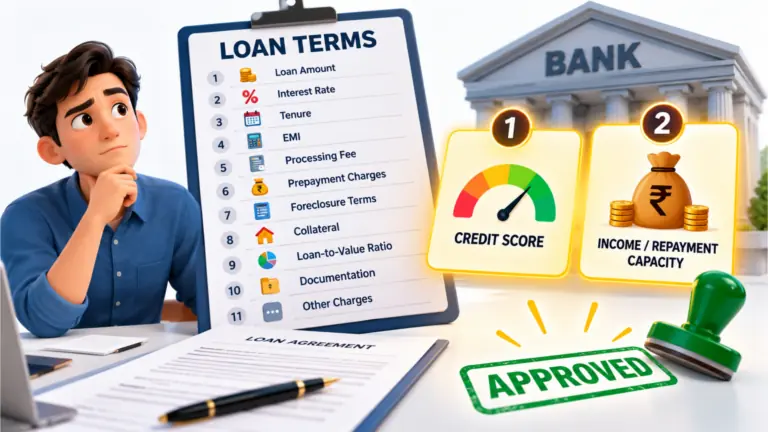
No universal document list is confirmed here because lenders may follow different requirements. However, an entrepreneur can prepare for the conversation by organising basic business information and asking the lender for its current checklist.
- Prepare a plain-language explanation of the business and the exact purpose of the requested funding.
- Estimate how much money is genuinely needed instead of selecting an amount without a business calculation.
- Create a simple expected cash-flow statement that includes sales, expenses, existing repayments and proposed instalments.
- Keep available registration, identity, banking and financial records organised for review.
- List all existing loans, overdrafts, guarantees and material payment obligations.
- Ask whether the lender currently processes eligible CGTMSE-supported facilities for the proposed type of business.
- Request written details of interest, charges, repayment tenor, guarantee-related conditions and any lender-specific requirements.
- Read the sanction terms carefully before accepting or drawing down any credit.
Four Misunderstandings That Can Create Problems
Thinking that a guarantee is the same as approval
The lender must process and assess the application. The scheme supports eligible credit but does not compel a lender to sanction every request.
Confusing collateral-free credit with no repayment risk
A borrower still owes the money. Missed payments can have serious financial consequences, even where a facility has guarantee support.
Assuming old online figures are always current
Scheme limits and conditions may be revised. Use current official scheme information and confirm the terms with the lending institution handling the loan proposal.
Borrowing without a cash-flow plan
A loan can help a business grow only when the cash generated by the activity is sufficient to service it. Borrowing for an unclear purpose can create pressure instead of solving a business need.
Final Thought: Start With the Lender, Then Focus on Viability
The CGTMSE route offers a structured way for micro and small enterprises to seek eligible credit through participating lending institutions. The process is clear in principle: approach a lender, apply for business finance, allow the lender to assess the proposal and request guarantee cover, and proceed if the facility is sanctioned.
The most valuable insight is that the guarantee framework and the loan decision are connected but different. The framework can support collateral-free eligible lending, while the lender must still decide whether the business can repay. For entrepreneurs, the strongest application is not simply one that asks for a large amount. It is one that explains the business need, presents credible financial information and shows a practical path to repayment.
Before applying, verify the current scheme conditions and all loan terms directly with the relevant Member Lending Institution. This is particularly important for the final credit amount, interest rate, repayment tenor, applicable charges and whether the proposed facility qualifies for the guarantee cover.
Frequently Asked Questions
What is the first step in applying for a CGTMSE loan?
The first step is to approach a bank or lending institution that can process eligible credit under the CGTMSE framework. The lender will explain its application process and requirements.
Who applies for guarantee cover under CGTMSE?
The Member Lending Institution processes the credit proposal and requests guarantee cover in accordance with the applicable scheme procedure.
Is every CGTMSE loan automatically approved?
No. The lender must assess the enterprise, the purpose of the loan and the borrower’s repayment capacity before deciding whether to sanction credit.
Are CGTMSE loans always collateral-free?
Eligible facilities can be covered without collateral security and or third-party guarantees, subject to applicable scheme provisions and lender assessment. Confirm the position for the specific loan proposal.
What types of loans can be covered under CGTMSE?
Official scheme material describes term loans and working-capital facilities, as well as certain fund-based and non-fund-based credit facilities, subject to eligibility and applicable conditions.
What is the maximum loan amount available under CGTMSE?
The applicable maximum can vary by lender category and current scheme provisions. A scheme ceiling should not be confused with the amount a borrower will actually be sanctioned.
Does CGTMSE decide the loan interest rate?
The general application guidance does not state a uniform interest rate. The lending institution should provide the applicable rate, charges and repayment terms for the proposed loan.
How long does CGTMSE loan approval take?
No fixed approval timeline is confirmed. Timing can depend on the lender’s appraisal, documents, complexity of the proposal and the applicable guarantee process.