High‑Value Property and Vehicle Payments in 2026: Fresh PAN and Reporting Norms That Can Flag Your Transactions
High value payments for property and vehicles are under much tighter PAN-linked scrutiny in 2026, especially once your deal crosses 20 lakh rupees for real estate or 5 lakh rupees for a motor vehicle, including high-end two-wheelers. If you do not plan for these fresh PAN norms and the new reporting framework, your transaction can easily be flagged, delayed, or even rejected by banks, registrars, or vehicle dealers.
Why High Value Payments Look Different In 2026
From April 2026, India’s income tax framework has moved from a narrow, transaction-by-transaction monitoring approach to a broader, aggregate and risk-based system for many financial activities. Instead of chasing every small cash payment, the rules now focus on big-ticket deals, especially high value property transactions, vehicle purchases, and large lifestyle spends that are most likely to hide unreported income or benami investments.
This shift is being driven through the Income Tax Act 2025 and Draft Income Tax Rules 2026, particularly the new Rule 159, which lists where PAN quoting is compulsory and where even a fresh PAN must be obtained before a transaction can go through. The result is a sharper focus on who is actually behind high value purchases, how they are funding them, and whether those funds match their declared income profile.
New PAN Thresholds For Property Deals
Under earlier rules, quoting your PAN was mandatory for most immovable property transactions above 10 lakh rupees. In 2026, this threshold has been raised to 20 lakh rupees, but with stricter obligations once you cross higher slabs and new rules on mandatory PAN application for those who do not already have one.
Broadly, the new framework for property looks like this
- PAN is mandatory for purchase, sale, gift, or joint development of immovable property where either the actual consideration or the stamp duty valuation exceeds 20 lakh rupees.
- If the property deal value goes beyond 45 lakh rupees, any individual who does not have a PAN is required to apply for one before entering into the transaction.
- Reporting entities such as sub-registrars and registrars of assurances must not only collect PAN but also verify and authenticate the number against government records in higher value cases.
In practical terms, even if a buyer or seller tries to avoid PAN by routing funds through someone else or by splitting payments, the registrar’s online reporting and authentication process creates a clear digital trail linked to the real parties in interest. That means any mismatch between your tax returns and your property footprint can be picked up through data analytics at the back end, even years later.
Vehicle Purchases Now Include High Value Two Wheelers
For motor vehicles, the most visible change is the shift from a near blanket requirement to a value-based threshold that also explicitly covers costly motorcycles and scooters. Earlier, PAN was generally insisted upon for most car purchases, but high value two wheelers often slipped through the net depending on local practice.
From April 2026, the rules state
- PAN must be quoted for the purchase or sale of motor vehicles, including motorcycles, where the value exceeds 5 lakh rupees, excluding tractors which have been carved out.
- This threshold applies irrespective of whether the vehicle is new or used, except where specific exemptions apply to certain used vehicle categories under other notifications or sectoral guidelines.
- Dealers and RTOs are expected to capture and report PAN information digitally, creating a centralised, searchable record of high value vehicle ownership.
In effect, anyone planning to buy a premium car, superbike, or even an expensive electric scooter above this threshold must be prepared with a valid, verified PAN, and should assume that the tax department will be able to cross check the purchase against their declared income and lifestyle profile. Attempts to avoid PAN by paying in someone else’s name or by heavily under-reporting the price can invite scrutiny when the vehicle registration details, insurance records, and loan information are reconciled.
From Transaction Based To Aggregate Based Monitoring
One of the biggest structural changes under the 2026 framework is the move from monitoring individual cash transactions to tracking aggregate totals over the entire financial year. Earlier, even a single cash deposit above 50,000 rupees in a day could trigger a PAN requirement, which created friction for many small savers and traders.
Now the focus is on the annual sum of cash deposits and withdrawals across all your accounts
- PAN is generally required where total cash deposits in bank, cooperative bank, or post office accounts reach or exceed 10 lakh rupees in a financial year.
- The same 10 lakh rupee annual threshold applies to aggregate cash withdrawals, which means heavy cash users will find their activity reported and linked through PAN even if no single withdrawal seems large in isolation.
- Banks and other reporting entities are required to compile and file annual statements showing these aggregates against each PAN, instead of just daily flags for one-off large transactions.
For someone planning a large property or vehicle purchase partly funded through cash, this aggregate view becomes critically important. Multiple small deposits made to avoid the earlier daily limits can now be picked up as a pattern once they collectively cross 10 lakh rupees and are then mapped to later high value payments.
Fresh PAN Application Requirements And New Forms
The 2026 framework does not just change where PAN must be quoted; it also revises how you apply for a fresh PAN and when that application becomes compulsory because of a transaction you are entering. Traditional PAN forms like 49A and 49AA are being phased out for new applications, replaced by category specific forms designed for Indian individuals, entities, and foreign persons.
Key changes include
- From 1 April 2026, Aadhaar alone is not enough for most fresh PAN applications; applicants must provide additional documents for identity, address, and date of birth, using new forms such as Form 93 for Indian individuals and HUFs, Form 94 for Indian entities, and Form 95 or 96 for foreign persons and entities.
- Individuals without PAN who wish to undertake high value property transactions above 45 lakh rupees, or other specified high value transactions listed in the new Rule 159, must apply for PAN first and cannot rely on the older Form 60 route.
- The old Form 60 mechanism is being gradually replaced with a modernised, digital Form 97, but its use is heavily restricted and cannot be used for certain top tier transactions like vehicle purchases above 5 lakh rupees, opening demat accounts, or large mutual fund investments.
This squeeze on alternative declarations means that in practice, most individuals engaging in serious property or vehicle deals will either already have a PAN or will be forced to obtain one, making it very difficult to hide their identity behind paper declarations. As a result, any attempt to use someone else’s PAN or rely on informal arrangements can be treated as misrepresentation or even facilitating tax evasion.
Reporting Duties Of Banks, Registrars, And Dealers
The strengthened PAN norms are backed by equally robust obligations on the institutions that handle high value payments and registrations. Banks, sub registrars, vehicle dealers, and insurance companies all have defined reporting responsibilities that feed into centralised income tax databases used for risk analysis and scrutiny.
For example
- Registrars must collect, verify, and electronically report the PAN of parties involved in immovable property transactions above prescribed thresholds, particularly when the value exceeds 45 lakh rupees.
- Vehicle dealers must ensure that PAN is captured for motor vehicle purchases above 5 lakh rupees and must comply with reporting formats notified under Rule 159 and related guidelines; failure to do so can invite penalties and even regulatory action.
- Banks and post offices must monitor aggregate cash deposits and withdrawals at the customer PAN level and file annual information returns wherever the 10 lakh rupee threshold is breached.
When all this information is integrated, the tax department can build a detailed map of an individual’s financial activity, linking high value properties and vehicles to their cash flows, loans, and insurance profiles. Any major inconsistency—for instance, a modestly reported income along with a series of premium vehicle and property purchases—stands out clearly in the data.
High Value Property Payments That Can Get Flagged
In everyday life, several common property payment patterns now carry a higher risk of triggering flags once the new PAN and reporting norms operate fully. Understanding these patterns helps you structure transactions transparently and avoid unintended compliance issues.
Some examples of risky scenarios
- Under-reporting the sale or purchase price to stay just below the 20 lakh or 45 lakh thresholds while paying a big chunk in cash off the books; this often gets discovered because stamp duty valuation, loan amounts, or subsequent resale values reveal the true picture.
- Splitting large cash payments over several months or across multiple accounts to avoid immediate PAN requirements, which is now less effective because of annual aggregate monitoring and consolidated reporting at the PAN level.
- Using someone else’s PAN or entering a property in the name of a low income family member or associate while you provide the funds, a classic benami pattern that becomes easier to detect when the system correlates that person’s lack of matching financial capacity.
If such patterns emerge, transactions can be flagged either at the registration stage—leading to queries, delays, or refusal to register—or later during scrutiny, resulting in notices, demand for explanations, or even reassessment of past tax returns. For genuine taxpayers, avoiding creative structuring and sticking to documented, fully disclosed funding sources is the surest way to keep property deals smooth and compliant.
Vehicle Payments Under The Scanner
Vehicle payments have their own characteristic red flags, especially when buyers try to avoid PAN declaration or understate the actual sale consideration. With the explicit inclusion of high value two wheelers, the system can now track premium bikes and scooters that previously might have flown under the radar.
Some high risk patterns include
- Declaring a vehicle price just below 5 lakh rupees while paying the balance in cash without documentation, even though the model’s market price and insurance value clearly point to a higher figure.
- Routing payments through multiple small transfers from different family members to avoid any single high value transaction being linked to one PAN, a strategy that becomes weaker when dealer reporting consolidates all payments for that vehicle.
- Trying to use Form 97 or other declaration routes in cases where the rules now mandate a valid PAN, such as vehicle purchases above 5 lakh rupees, which can lead to outright refusal by cautious dealers.
Additionally, any vehicle purchased through a bank loan automatically generates a digital footprint that combines PAN, loan repayment schedules, insurance records, and registration details. When this is matched with your income and tax returns, the department can easily question how you are sustaining EMIs for multiple high value vehicles without corresponding declared earnings.
PAN And Lifestyle Or Hospitality Payments
Though property and vehicles are the focus of this article, it is important to remember that hospitality and lifestyle payments also feed into the overall picture of your financial behaviour. The PAN threshold for hotel, restaurant, banquet hall, and event payments has been raised from 50,000 rupees to 1 lakh rupees per transaction, which benefits smaller events but keeps big ticket spends in view.
If you pay above this limit, especially in cash, your PAN must be reported by the hotel or event manager, and this can be cross checked against your other high value activities such as property and vehicle purchases. For frequent big spenders whose declared income does not support such a lifestyle, these data points can collectively trigger a closer look from the authorities.
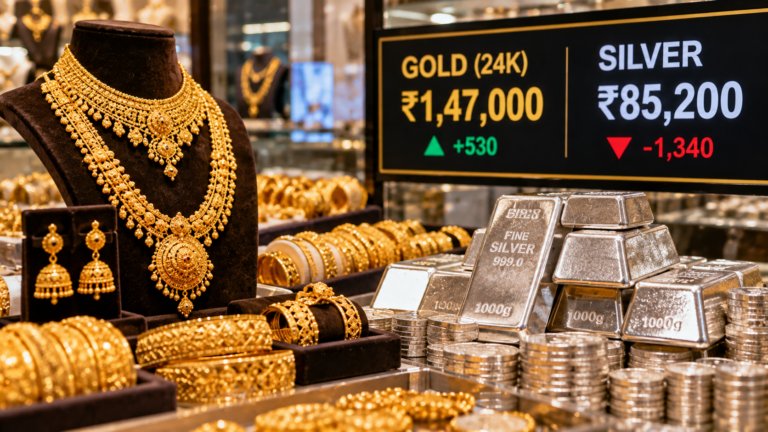
The same principle applies to other high value purchases of goods and services above 2 lakh rupees per transaction, or jewellery purchases above 10 lakh rupees, where PAN quoting and reporting requirements continue to apply. In sum, the department is using a holistic footprint rather than relying on any single transaction to decide whether a taxpayer’s profile is credible.
How These Norms Strengthen E E A T For Taxpayers
From a broader governance perspective, the 2026 PAN rules aim to build greater experience, expertise, authoritativeness, and trustworthiness into the financial system. By forcing high value property and vehicle buyers to operate through verified PANs, the system strengthens the link between declared income and visible assets, which is fundamental to any fair tax regime.
For compliant taxpayers, this creates several indirect benefits
- Greater transparency reduces the scope for anonymous or benami purchases that distort markets and drive up prices, especially in urban real estate and premium vehicle segments.
- Clean, PAN-linked documentation makes it easier to prove ownership, establish capital gains history, and access loans or refinancing for properties and vehicles when needed.
- Over time, consistent and truthful PAN usage helps you build an authoritative financial identity, which banks, regulators, and even potential business partners can trust.
On the flip side, taxpayers who rely on cash-heavy, undocumented funding or creative structuring will find it increasingly hard to maintain a credible profile once all their major assets are tied back to authentic PANs. That is why the safest strategy is to treat PAN not as a mere compliance hurdle, but as the backbone of your financial reputation.
Practical Compliance Checklist Before Your Next High Value Deal
If you are planning a property purchase or vehicle upgrade in 2026, a simple pre-deal checklist can help you avoid surprises and keep your transaction from being flagged. Think of this as a practical action plan you can follow with your advisor, banker, or chartered accountant.
- Confirm your PAN status Make sure your PAN is active, correctly linked with your Aadhaar where required, and updated with current address and contact details before you initiate any high value transaction.
- Evaluate deal thresholds Check whether your planned property or vehicle transaction will cross the 20 lakh or 45 lakh property thresholds or the 5 lakh vehicle threshold, and understand exactly which PAN obligations will apply.
- Map your funding sources Identify how much will come from bank loans, digital transfers, savings, or any cash component, and ensure that your aggregate cash deposits and withdrawals remain within the legal reporting framework.
- Avoid under-reporting Resist any suggestion from intermediaries to understate the price in the registered document or to split payments artificially to avoid PAN triggers, as these approaches now carry significant discovery risk and potential penalties.
- Document everything Maintain clear records of agreements, bank statements, loan sanctions, and receipts tied to your PAN, so that you can easily substantiate the source of funds if questioned later.
If you follow these steps, your high value property or vehicle transaction is far less likely to face compliance issues, and you will be better positioned to demonstrate that your financial behaviour is consistent with the E E A T principles regulators increasingly expect from serious taxpayers.