How to File TDS Form 121: A Practical Guide for Indian Taxpayers
Form 121 is the new declaration used to prevent TDS on certain incomes when your estimated tax liability is nil, and it replaces the older 15G and 15H framework under the Income-tax Rules, 2026. The right way to file it is simple: check eligibility, fill Part A with correct income and PAN details, submit it to each payer before payment or credit, and let the payer complete Part B and assign a UIN.
What Form 121 is
Form No. 121 is a statutory declaration for receiving specified incomes without deduction of tax, provided the legal conditions are met. It is designed to stop unnecessary TDS at the source so taxpayers do not have to wait for refunds later.
The form is the consolidated replacement for earlier Forms 15G and 15H, and it is aligned with the Income-tax Act, 2025 and the Income-tax Rules, 2026. The form also separates taxpayer details and payer verification more cleanly, which makes it more system-friendly for e-filing.
Who can file it
Eligibility depends on your age and expected tax liability. For individuals below 60 and other eligible persons, the tax on estimated total income must be nil and the total specified income must not exceed the maximum amount not chargeable to tax; for persons aged 60 or more, the main condition is that tax on estimated total income must be nil.
The official guidance also says the form is meant for resident individuals and other resident persons in the allowed category, not for companies, firms, or non-residents. That means the form is useful for common cases such as bank interest, rent, insurance commission, dividends, and similar specified incomes.
Documents you need
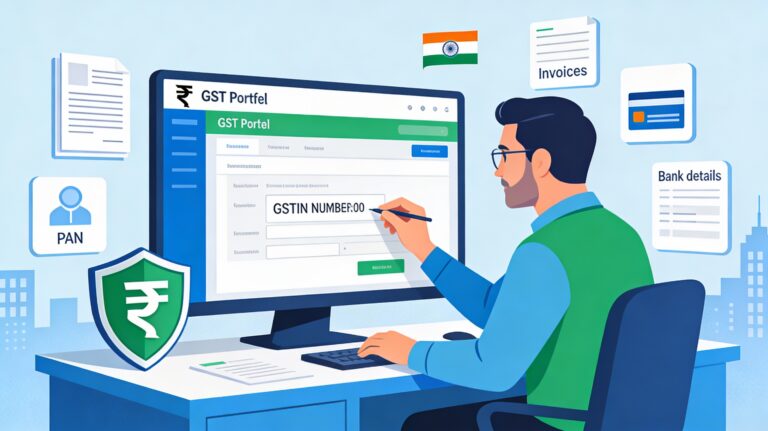
You should keep your valid and operative PAN ready, because it is mandatory. You also need the payer’s TAN, details of the income or investment for which you want no TDS deduction, and bank account details when the income relates to interest-bearing instruments.
If you are claiming senior citizen status, you should also keep proof of age available. In practice, many banks may reject or delay a declaration if the PAN, income estimate, or payer details are incomplete or inconsistent.
Step-by-step filing
- Estimate your total income for the tax year. Check all likely income sources, such as salary, pension, bank interest, rent, or other taxable receipts, and confirm that your final tax liability will be nil.
- Identify the income for which you want TDS relief. Decide whether it is bank FD interest, savings interest, rent, or another covered payment, and make sure the payer is eligible to accept the declaration.
- Fill Part A of Form 121 carefully. Enter your name, PAN, address, income estimate, financial year details, and the declaration exactly as required.
- Review all details before submission. Even a small error in PAN, income amount, or payer information can lead to rejection or unnecessary TDS deduction.
- Submit the form to the payer. You can file it through the payer’s online process if available, or in paper form where permitted.
- File it before the income is credited or paid. For best results, submit it at the beginning of the tax year or before the first interest payment or rent payment.
- Wait for the payer’s verification. After receiving the form, the payer checks the details and confirms whether the declaration is valid.
- Note the Unique Identification Number. Once accepted, the payer assigns a UIN and uses it for reporting in the tax records.
- Keep a copy for your records. Save the acknowledgement, reference number, or submitted copy in case you need to verify the filing later.
- Understand the payer’s reporting duty. The payer uploads quarterly declaration details by the 7th of the month after the quarter and reports accepted declarations in the quarterly TDS statement.
Filing online
Many payers now support online submission through internet banking or mobile banking, which is usually the fastest method. If your bank offers an e-filing option, you generally log in, choose the tax or TDS section, select Form 121, enter the required declaration details, review everything, and submit digitally after verification.
A clean digital submission is useful because it reduces errors in names, PAN, and income categories, while also helping the payer generate the UIN quickly. The official FAQ notes that the declaration may be furnished electronically or in paper form, and the payer is responsible for receiving, examining, and relying on it before skipping TDS.
Common mistakes
One common mistake is filing the form after the payment has already been credited, because that can lead to TDS already being deducted. Another error is estimating income too optimistically and declaring nil tax when your total income will actually cross the taxable limit.
People also forget that the declaration has to be furnished separately to each payer. If you have fixed deposits with two banks, for example, each bank needs its own declaration for the relevant income it is paying.
Filing the form too late.
One of the most common mistakes is submitting Form 121 after the income has already been credited or paid. In that case, TDS may already have been deducted by the payer, and the form may not help for that payment cycle. To avoid this, submit the declaration before the first interest payment, rent credit, or other eligible payout.
Assuming timing does not matter.
Many taxpayers think they can submit the form anytime during the year, but timing is important. The declaration works best when filed at the start of the tax year or before the payer processes the first payment. If you delay, the payer may have already deducted tax according to the default rules.
Estimating income too optimistically.
Another major error is underestimating your total income and declaring that your tax liability will be nil when it will actually become taxable. This can create compliance problems later, especially if your salary, interest, rent, or capital gains push you above the exemption limit. Your estimate should be realistic, conservative, and based on the full year.
Ignoring all income sources.
Some people focus only on the income they want TDS relief for, such as FD interest, and forget to include other income in their estimate. That mistake can make the declaration inaccurate. You should consider every taxable income source before deciding whether you are eligible.
Submitting one form for multiple payers.
A common misunderstanding is that one declaration will cover all banks or deductors. In reality, the form has to be furnished separately to each payer. If you have fixed deposits in two different banks, each bank needs its own declaration for the interest it pays.
Using the wrong payer details.
Entering the wrong name, TAN, branch information, or account details can cause rejection or reporting issues. The declaration is linked to a specific deductor, so the information must match exactly. Even a small mismatch can create delays or confusion.
Leaving out PAN or using an invalid PAN.
PAN is essential for the declaration to be accepted correctly. If the PAN is missing, incorrect, inactive, or does not match your name, the payer may reject the form or deduct TDS anyway. Always double-check the PAN before submission.
Not keeping proof of submission.
Many taxpayers file the declaration and then do not save the acknowledgement or copy. If there is a dispute later, you may need proof that the form was submitted on time. Keeping a record helps if the payer asks for verification or if TDS is deducted despite the filing.
Assuming acceptance is automatic.
Filing the form does not always mean immediate approval. The payer still verifies the declaration before relying on it. If the form is incomplete or the eligibility conditions are not met, the payer may not honor it.
Not updating the declaration when income changes.
If your income increases during the year, the earlier nil-tax estimate may no longer be valid. Many people forget to revisit the form when circumstances change. It is safer to reassess your income and withdraw or revise the declaration if needed.
Example
Suppose a senior citizen expects only bank interest during the tax year and her total tax will remain nil. She can submit Form 121 to the bank before the interest is credited so the bank does not deduct TDS on that interest, provided she meets the conditions and gives correct PAN and age proof.
That same person would still need to submit separate declarations to different banks if interest is being received from multiple institutions. This is why the form is not a one-time universal filing; it is a payer-specific declaration.
Compliance value
Form 121 is more than a paperwork replacement for 15G and 15H. It is a compliance tool that keeps taxpayers from suffering unnecessary TDS and reduces the need for later refund claims, while also creating a traceable record through the UIN and quarterly reporting process.
The form also reflects the broader shift toward digital and standardized tax administration. According to the official draft, the framework is designed to support e-filing, clearer data fields, and easier reporting for both the taxpayer and the deductor.
Final checklist
Before filing, confirm that your estimated total income makes your tax liability nil, and make sure the income type is one covered by the form. Keep PAN, TAN, age proof if needed, and income details ready, then submit the declaration to the payer before the first payment or credit.
After that, keep a copy of the filed declaration and the acknowledgement or UIN for your records. That simple habit makes follow-up easier if the payer later asks for verification or if you need to track whether TDS was correctly avoided.