Tax Planning in 2026: The New Developments That Could Change Your Next Filing Strategy
Tax planning in 2026 looks less like a routine annual checklist and more like a strategic reset. The biggest change is not just one law or one deduction, but a combination of new federal rules, shifting filing behavior, and a more digital IRS experience that can reward accuracy while punishing rushed mistakes.
Tax planning in 2026
For many taxpayers, 2026 is the first year where the effects of recent federal legislation, including the One Big Beautiful Bill framework, are fully working through everyday filing decisions. That matters because the usual questions, such as whether to itemize, how much to withhold, or when to realize capital gains, now depend on updated thresholds and deductions that can change your result more than they did in prior years. The IRS is also pushing taxpayers toward direct deposit, online accounts, and cleaner digital filing habits, which makes preparation and recordkeeping more important than ever.
What changed in 2026
One of the most important developments is the rise in the standard deduction and the broader impact that creates on itemizing decisions. When the standard deduction climbs, many taxpayers lose the benefit of itemizing, which means older planning habits no longer produce the same savings. At the same time, several recent tax provisions have created new opportunities for credits and deductions, including changes affecting dependents, retirement savers, and certain business owners.
Another major shift is the expansion of digital filing expectations. The IRS is encouraging direct deposit, online account management, and early review of 2025 return documents before the 2026 filing season becomes crowded. That may sound administrative, but it affects strategy because faster filing only helps if the return is correct, and amended or error-flagged returns may take longer to resolve in a tighter IRS environment.
Strategy shifts
The smartest 2026 tax strategy is to plan around thresholds instead of just chasing deductions. That means thinking about income timing, retirement contributions, capital gains, charitable giving, and withholding as parts of one system rather than isolated tasks. BDO’s 2026 planning guidance emphasizes modeling, documentation, and proactive elections because several new rules create opportunities only if you act before year-end or before the return is filed.
For individuals, the most useful question is often not “What can I deduct?” but “Where is my income best placed?” That may involve pushing income into a lower-bracket year, using pre-tax retirement savings more deliberately, or realizing gains when your marginal tax rate is lower. For business owners, the answer may involve reclassifying spending, changing the timing of charitable gifts, or evaluating whether research costs should be expensed or capitalized depending on the broader tax picture.
Retirement and income
Retirement planning remains one of the cleanest ways to reduce taxable income in 2026. Higher contribution limits and catch-up opportunities continue to make workplace plans, IRAs, and health-related tax accounts valuable tools for lowering current-year tax exposure. For older taxpayers, the interaction between the standard deduction, additional age-based deductions, and managed withdrawals can create a surprisingly low-tax window for some IRA distributions.
A practical example: a retiree who needs living expenses in 2026 may be better off combining partial retirement withdrawals with a careful estimate of other income sources instead of waiting until year-end to “see what happens.” That kind of planning can help avoid crossing a threshold that increases tax on Social Security, capital gains, or Medicare-related surcharges. The key is to coordinate withdrawals, not just take them as needed.
Investing and gains
Capital gains planning is still one of the biggest levers available to taxpayers with investments. Long-term gains generally remain more favorable than short-term gains, and lower-income households may still benefit from the 0 percent long-term capital gains rate when income is managed carefully. That makes 2026 a useful year to review taxable brokerage accounts, rebalance portfolios, and decide whether some gains should be harvested intentionally rather than by accident.
Tax-loss harvesting also deserves a place in 2026 planning, especially for investors who experienced uneven markets in prior years. The basic idea is simple: offset gains with losses where appropriate, then reinvest in a way that matches your long-term allocation without creating unnecessary tax drag. This is especially useful if your income, deductions, or business activity make 2026 a high-income year and you want to soften the blow before filing time.
Home and itemizing
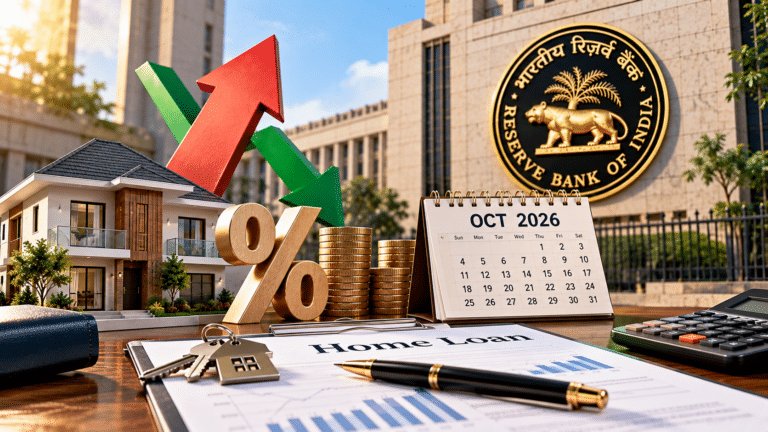
The itemizing decision is changing again in 2026, and that can affect homeowners more than they expect. Higher standard deductions mean mortgage interest, charitable giving, and state and local taxes have to clear a higher bar before itemizing becomes worthwhile. In some cases, bunching deductible expenses into one year may make more sense than spreading them out evenly.
For higher-income households, state and local tax planning can still matter, especially when combined with charitable contributions and mortgage-related deductions. But the right move depends on the full picture, not one line item on its own. A taxpayer with moderate giving and limited mortgage interest may be better off taking the standard deduction, while a household with significant property taxes and planned donations may still benefit from itemizing.
Business owner angles
Business owners have some of the most interesting planning opportunities in 2026, but also the most complicated ones. BDO notes that the One Big Beautiful Bill provisions are already reshaping how companies think about charitable deductions, research costs, tariff exposure, self-employment tax, and qualified small business stock. For many firms, the right answer will depend on cash flow, entity structure, and how well the company documents its intent.
That means one of the most valuable habits in 2026 is better recordkeeping. If a payment could be treated either as a charitable contribution or as a business expense, the tax treatment may hinge on whether the company can show a direct business purpose and expected benefit. Likewise, decisions about research cost treatment, tariffs, and international tax exposure often require modeling before the tax return is due rather than after the year closes.
Filing behavior
The filing process itself is becoming part of tax planning in 2026. The IRS is urging taxpayers to gather documents early, use online tools, and file with direct deposit to reduce delays and avoid paper-check problems. That makes tax prep more like a workflow than a once-a-year event.
This matters because rushed filing can create expensive errors. If your return has a mismatch, missing form, or identity issue, the processing delay may be longer than in prior years, especially when human review is required. A safer strategy is to verify W-2s, 1099s, digital asset records, and payment app income before filing, then submit a complete return rather than a fast one.
Trustworthy approach
A strong 2026 tax plan should be built on three things: current rules, clean records, and realistic timing. That is where E-E-A-T matters in practice, not just in search terms. You show experience by tracking your own spending and income patterns, expertise by understanding how thresholds affect tax outcomes, authoritativeness by relying on IRS and major tax-firm guidance, and trustworthiness by documenting decisions before you file.
The most reliable takeaway is that 2026 rewards people who plan early and adjust often. The taxpayers most likely to benefit are not the ones with the most complicated returns, but the ones who review income, deductions, investments, and filing details before the year is over. In other words, the new strategy is not to wait for tax season to start thinking about taxes.