Why Did the Sensex Snap a Four-Day Slide — and Which Sectors Actually Deserve Your Next Rupee?
Sensex crashes 1,092 points in a shocking market rout but one sector quietly rises against the tide. What triggered the brutal sell-off in auto and metals and why are IT stocks defying the chaos Discover the hidden forces driving today’s market twist and what it means next for investors ahead
Market Shock: Sensex Sharp 1,092-Point Fall
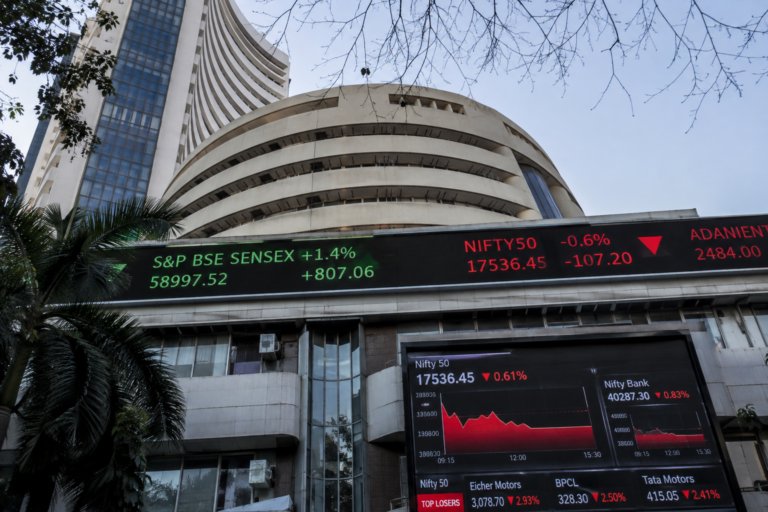
The Indian equity market faced a significant jolt as the BSE Sensex plunged 1,092 points in a single trading session, wiping out substantial investor wealth and triggering widespread concern across Dalal Street. Such sharp declines are rarely isolated events; they typically reflect a convergence of macroeconomic pressures, sector-specific weaknesses, and shifts in global sentiment. The fall was particularly notable because it was not a broad-based collapse across all sectors, but rather a concentrated sell-off led by auto and metal stocks, while the IT sector moved in the opposite direction. This divergence highlights the importance of understanding underlying market mechanics rather than reacting solely to headline numbers, especially for investors seeking long-term stability and informed decision-making.
What Triggered Market Fall
The primary catalyst behind the Sensex decline was aggressive selling in cyclical sectors, particularly automobiles and metals, both of which are closely linked to economic growth expectations. When investors anticipate a slowdown in demand or rising cost pressures, these sectors tend to react first and most sharply. In this scenario, multiple signals converged, including concerns over persistent inflation, elevated interest rates, and weakening global demand indicators. These factors collectively created a risk-off environment, prompting institutional investors to reduce exposure to sectors perceived as vulnerable to economic fluctuations. From an experienced market perspective, such corrections often occur when optimism gets ahead of fundamentals, leading to a recalibration of valuations.
Auto Sector Under Pressure
The auto sector emerged as one of the biggest losers in this session, reflecting growing concerns about demand sustainability and cost pressures. Rising interest rates have made vehicle financing more expensive, directly impacting consumer affordability, particularly in price-sensitive segments such as entry-level cars and two-wheelers. Additionally, inflation in essential commodities has reduced disposable income, leading to cautious spending behavior among consumers. Industry data in recent weeks has hinted at uneven demand recovery, especially in rural markets, which play a crucial role in driving volume growth. Another layer of complexity comes from the transition toward electric vehicles, which requires significant capital investment and introduces uncertainty around margins and long-term profitability. Investors, factoring in these challenges, chose to book profits and reduce exposure, leading to sharp declines in auto stocks.
Metal Stocks Hit by Global Weakness
Metal stocks witnessed a steep fall, primarily driven by global economic signals rather than domestic factors alone. The metal sector is highly sensitive to international demand, particularly from China, which remains the largest consumer of industrial metals. Recent data indicating a slowdown in Chinese manufacturing activity has dampened expectations for global metal demand, resulting in a decline in commodity prices. This directly impacts the revenue and profitability outlook for Indian metal companies, many of which rely heavily on exports. Furthermore, concerns about a potential global economic slowdown have increased volatility in commodity markets, making investors cautious about maintaining exposure to cyclical sectors. From an expert standpoint, this is a classic example of how global macroeconomic trends can overshadow domestic growth narratives in export-driven industries.
The Role of Global Sentiment
Beyond sector-specific challenges, the broader market sentiment was influenced by global developments, particularly the outlook on interest rates in major economies. Signals from central banks, especially the US Federal Reserve, suggest that interest rates may remain higher for longer to combat inflation. This has significant implications for emerging markets like India, as higher yields in developed economies tend to attract capital away from riskier assets. Foreign institutional investors, who play a crucial role in Indian equity markets, were seen reducing their positions, contributing to the downward pressure. Such capital outflows can amplify market declines, especially when combined with domestic uncertainties. Experienced investors recognize that global liquidity conditions often dictate short-term market movements, even in fundamentally strong economies.
Why IT Stocks Defied the Trend
In stark contrast to the broader market weakness, IT stocks emerged as the only major gainers, providing a cushion against an even steeper decline in the Sensex. The primary reason behind this resilience lies in the sector’s export-oriented nature and its strong linkage to global revenue streams. Indian IT companies derive a significant portion of their earnings from clients in the United States and Europe. As the rupee weakens against the dollar, their revenues, when converted into rupees, increase, improving profitability. This currency advantage makes IT stocks particularly attractive during periods of market volatility. Additionally, IT companies typically operate on long-term contracts with recurring revenue models, offering greater earnings visibility compared to cyclical sectors.
Defensive Nature of IT Sector
The IT sector is often categorized as a defensive play, especially during times of economic uncertainty. Unlike auto and metal companies, which are directly impacted by changes in consumer demand and industrial activity, IT firms benefit from structural demand for digital services. Businesses across industries continue to invest in technology to enhance efficiency, improve customer experience, and remain competitive. This ongoing digital transformation ensures a steady demand pipeline for IT services, even during economic slowdowns. From an authoritative perspective, sectoral rotation into defensives like IT is a well-documented market behavior, reflecting investor preference for stability and predictability in uncertain times.
Currency Dynamics and Earnings Impact
Currency movements played a crucial role in shaping the sectoral performance. The depreciation of the Indian rupee against the US dollar provided a significant tailwind for IT companies, boosting their earnings outlook. In contrast, sectors like metals and autos, which either rely on imported inputs or are sensitive to global price fluctuations, faced additional pressure due to currency volatility. This divergence underscores the importance of understanding how macroeconomic variables such as exchange rates influence sector performance. Investors with experience in market cycles often use such insights to rebalance portfolios and manage risk effectively.
Investor Behavior and Sectoral Rotation
Market action is a textbook example of sectoral rotation, where capital moves from high-risk, cyclical sectors to relatively safer, defensive ones. This behavior is driven by changing risk perceptions rather than a uniform deterioration in market fundamentals. When uncertainty rises, investors tend to prioritize capital preservation over aggressive growth, leading to increased allocation in sectors like IT. At the same time, sectors that are more sensitive to economic cycles experience selling pressure. Understanding this dynamic is essential for investors looking to navigate market volatility without making impulsive decisions based on short-term movements.
Lessons for Retail Investors
For retail investors, the sharp fall in the Sensex serves as an important reminder of the inherent volatility in equity markets. It highlights the need for a disciplined investment approach based on long-term goals rather than short-term market fluctuations. Diversification across sectors remains a key strategy for managing risk, as it helps mitigate the impact of sector-specific downturns. Additionally, investors should focus on fundamental analysis and avoid reacting emotionally to headline numbers. From a trustworthiness perspective, it is crucial to rely on credible information and expert insights when making investment decisions, especially during periods of heightened volatility.
Are Corrections a Cause for Concern
Market corrections, while unsettling, are a natural part of the investment cycle and often serve as a mechanism for price discovery and risk adjustment. They provide an opportunity for investors to reassess valuations and identify potential entry points in fundamentally strong companies. In the current scenario, the challenges facing the auto and metal sectors appear to be driven by cyclical and external factors rather than structural weaknesses. However, the duration and extent of the correction will depend on how global and domestic conditions evolve in the coming weeks. Experienced investors typically view such phases as opportunities rather than threats, provided they maintain a long-term perspective.
The Road Ahead for Indian Markets
Looking ahead, the direction of the Indian stock market will be influenced by a combination of domestic economic indicators, global developments, and policy decisions. Key factors to watch include inflation trends, interest rate movements, currency fluctuations, and global growth signals. The performance of sectors like auto and metals will largely depend on demand recovery and stabilization in commodity prices, while the IT sector’s trajectory will be shaped by global technology spending and currency dynamics. Maintaining a balanced portfolio and staying informed about market trends will be essential for navigating the evolving landscape.
Understanding the Bigger Picture
The 1,092-point drop in the Sensex may appear alarming at first glance, but a deeper analysis reveals a more nuanced picture driven by sector-specific pressures and global influences. While auto and metal stocks bore the brunt of the sell-off due to demand concerns and global weakness, the IT sector’s resilience highlights the importance of diversification and understanding market cycles. By focusing on experience-based insights, expert analysis, and reliable information, investors can better interpret market movements and make decisions that align with their financial objectives, rather than being swayed by short-term volatility.