This agreement is a pivotal step towards establishing a robust semiconductor manufacturing ecosystem in India, aligning with the country’s “Make in India” initiative and boosting its global competitiveness.The recent agreement between Tata Electronics and PSMC to build India’s first semiconductor fab:
- Historic Agreement: Tata Electronics and Taiwan’s Powerchip Semiconductor Manufacturing Corporation (PSMC) have finalized a landmark technology transfer agreement to establish India’s first semiconductor fab.
- Location: The semiconductor fab will be built in Dholera, Gujarat, marking a significant milestone in India’s journey towards becoming a global semiconductor manufacturing hub.
- Investment: The project involves a substantial investment of up to INR 91,000 crores (approximately USD 11 billion), highlighting the scale and ambition of this initiative.
- Manufacturing Capacity: The fab will have the capacity to produce up to 50,000 wafers per month, catering to the growing demand for semiconductors in various sectors.
- Technological Advancements: The facility will incorporate next-generation factory automation capabilities, utilizing data analytics and machine learning to achieve industry-leading efficiency.
- Product Range: The fab will manufacture a variety of chips, including power management ICs, display drivers, microcontrollers (MCUs), and high-performance computing logic.
- Market Applications: These semiconductors will serve critical markets such as AI, automotive, computing, data storage, and wireless communication.
- Job Creation: The project is expected to create over 20,000 direct and indirect skilled jobs, significantly boosting local employment.
- Strategic Importance: This agreement positions India as a trusted partner in the global semiconductor supply chain, enhancing the country’s strategic importance in the tech industry.
- Future Prospects: Tata Group’s multi-fab vision for Dholera aims to create over 100,000 skilled jobs, further solidifying India’s role in the global semiconductor ecosystem.
-
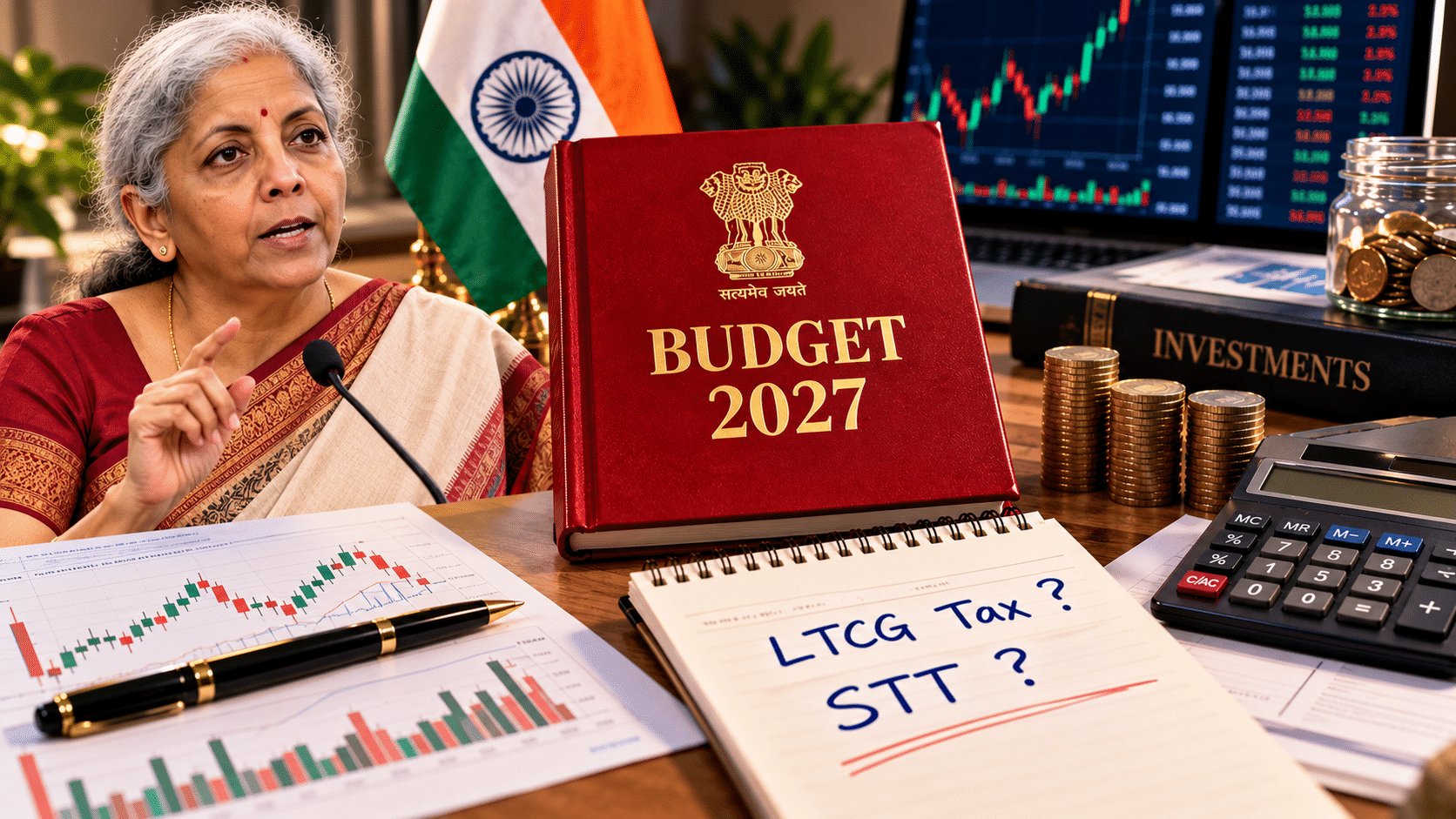
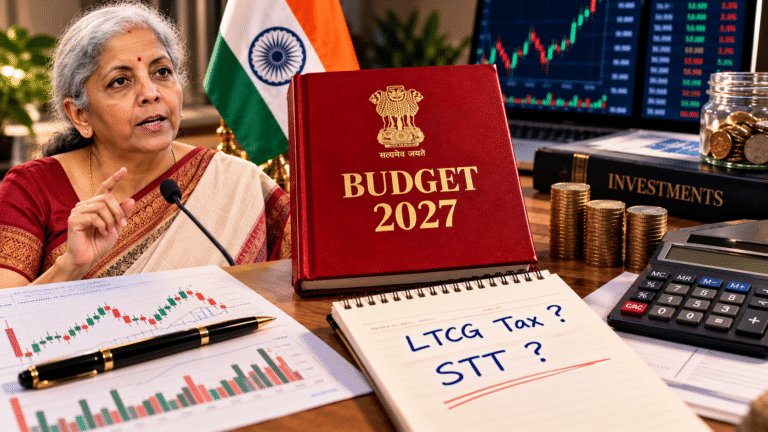
Will LTCG Tax or STT Change in Budget 2027? What the Finance Minister Actually Said — and What It Could Mean for Investors
Will LTCG Tax or STT Change in Budget 2027? What the Finance Minister Actually Said — and What It Could Mean for Investors Personal FinanceCapital Gains TaxBudget 2027 Will LTCG Tax or STT Change in Budget 2027? What the Finance Minister Actually Said — and What It Could Mean for Investors On 13 October 2026,…
-

Why Did Trump Ease Sanctions on Russian Diesel — and Why Is Crude Still Above $100?
Why Did Trump Ease Sanctions on Russian Diesel — and Why Is Crude Still Above $100? Energy · Oil Markets · October 2026 Why Did Trump Ease Sanctions on Russian Diesel — and Why Is Crude Still Above $100? On 9 October 2026, Washington authorised Russian diesel sales until April 2027, a sharp turn after…
-

Is Meta’s Muse Really the Biggest AI Launch Since ChatGPT? What Muse Wonder Does, Costs and Still Has to Prove
Is Meta’s Muse Really the Biggest AI Launch Since ChatGPT? What Muse Wonder Does, Costs and Still Has to Prove Artificial IntelligenceMeta MuseOctober 2026 Is Meta’s Muse Really the Biggest AI Launch Since ChatGPT? What Muse Wonder Does, Costs and Still Has to Prove Meta released Muse Wonder, its first frontier AI model, on 12…
-

Can Sensex and Nifty Hold the IT-Fuelled 1.6% Rally as GIFT Nifty Flashes Red?
Can Sensex and Nifty Hold the IT-Fuelled 1.6% Rally as GIFT Nifty Flashes Red? Dailyfinancial.in Market Desk | Wednesday, 14 October 2026 | Closing data as of market close, 13 October 2026, with pre-open cues for 14 October Quick Summary: The Numbers That Matter (as of market close, 13 October 2026) BSE Sensex: 73,033.78, up…
-
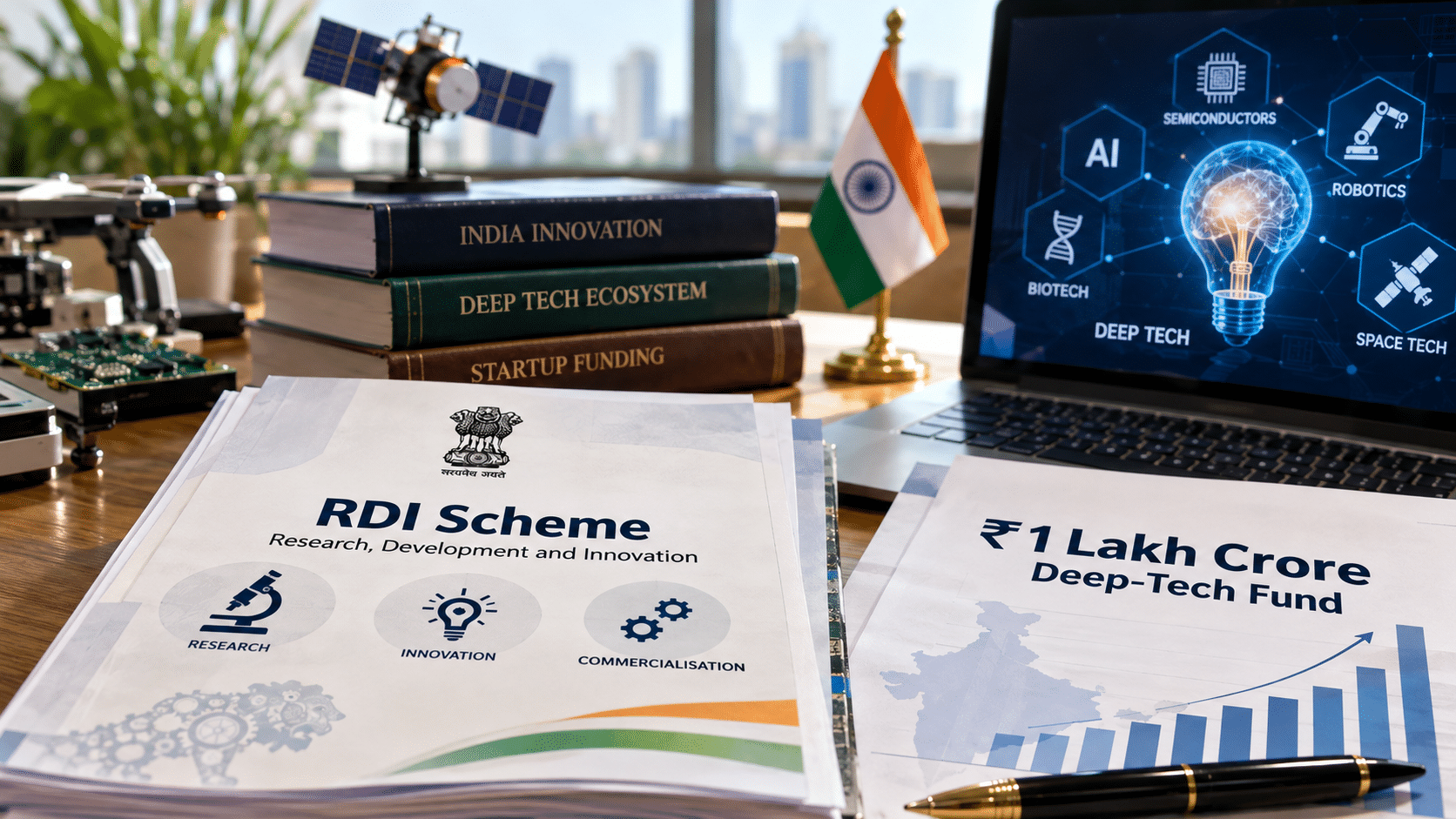
Has India’s ₹1 Lakh Crore Deep-Tech Fund Stalled? Where the RDI Scheme Stands After 11 Months
Has India’s ₹1 Lakh Crore Deep-Tech Fund Stalled? Where the RDI Scheme Stands After 11 Months Science and Tech PolicyRDI FundIndia, October 2026 Has India’s ₹1 Lakh Crore Deep-Tech Fund Stalled? Where the RDI Scheme Stands After 11 Months Launched in November 2025 to fund private research at low interest, the RDI Fund has committed…
-
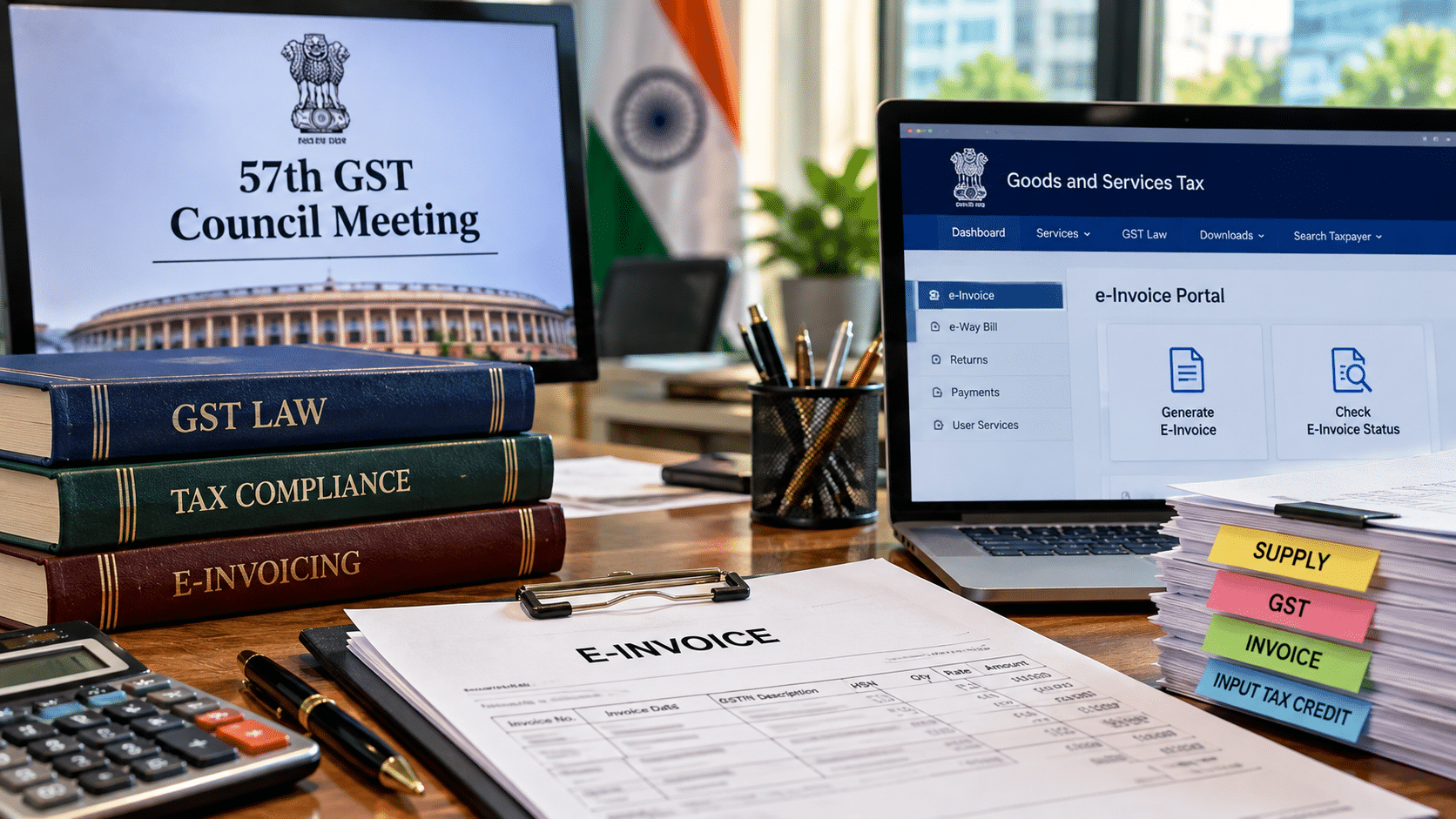
Is the ₹5 Crore E-Invoice Limit Scrapped? What the 57th GST Council Actually Changed — and Who Must Act
Is the ₹5 Crore E-Invoice Limit Scrapped? What the 57th GST Council Actually Changed — and Who Must Act GST · E-invoicingIndia · October 2026 Is the ₹5 Crore E-Invoice Limit Scrapped? What the 57th GST Council Actually Changed — and Who Must Act The threshold stays. What the Council recommended on 8 October 2026…