Crude Oil Past $95 on US-Iran Escalation — and What Decides the Next $10 Move
Crude oil surges, gold slips, and something unexpected is happening to the Nifty. Beneath these shifts lies a deeper global story few investors fully grasp. What’s really driving the market tension, and could this signal a bigger move ahead? Discover the hidden forces reshaping India’s market outlook right now.
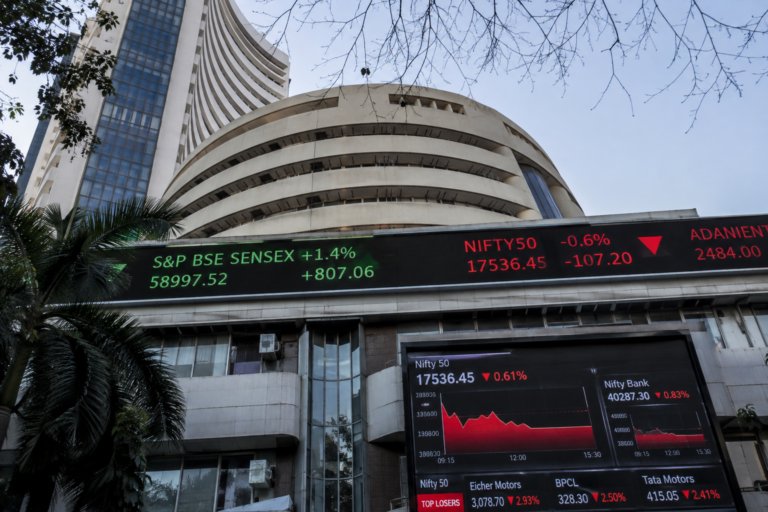
Global financial markets are once again being shaped by the powerful movements of commodities, and India’s benchmark index, the Nifty 50, is feeling the pressure. A sharp rise in crude oil prices alongside a decline in gold has created a complex macroeconomic environment that investors can no longer afford to ignore. These shifts are not isolated events; they reflect deeper global dynamics involving geopolitics, inflation expectations, currency movements, and investor sentiment. Understanding how these forces interact is critical for anyone tracking Indian equities or planning investment strategies in the current environment.
Crude oil has always held a central position in India’s economic narrative. As one of the world’s largest importers of crude, India is highly sensitive to fluctuations in oil prices. When crude oil prices spike, it directly impacts the country’s import bill, widens the current account deficit, and exerts pressure on the Indian rupee. These macroeconomic stresses often translate into volatility in the equity markets, particularly in indices like the Nifty 50, which include companies heavily dependent on energy inputs or sensitive to economic cycles.
In recent weeks, crude oil prices have surged due to a combination of geopolitical tensions and supply constraints. Conflicts in key oil-producing regions, production cuts by major exporters, and concerns over shipping routes have all contributed to tightening global supply. At the same time, demand has remained resilient, especially from large economies that continue to recover or expand despite inflationary pressures. This imbalance has pushed prices upward, creating ripple effects across global markets.
For India, the consequences are immediate and multifaceted. Higher crude prices increase fuel costs domestically, which in turn raises transportation and manufacturing expenses. This feeds into inflation, prompting concerns about monetary tightening by the Reserve Bank of India. When inflation rises, central banks often respond by increasing interest rates, which can dampen economic growth and reduce corporate profitability. Equity markets typically react negatively to such scenarios, and the Nifty 50 is no exception.
The pressure on the rupee is another critical factor. As oil prices rise, India’s demand for dollars increases to pay for imports, weakening the domestic currency. A weaker rupee makes imports even more expensive, creating a feedback loop that exacerbates inflation. For foreign investors, currency depreciation reduces returns, making Indian equities less attractive. This often leads to capital outflows, further dragging down the Nifty.
While crude oil is exerting upward pressure on costs and inflation, gold is telling a different story. Traditionally seen as a safe-haven asset, gold tends to rise during periods of uncertainty. However, recent trends have shown a decline in gold prices, which might appear counterintuitive given the current geopolitical climate. This decline is largely driven by rising bond yields and a stronger US dollar, both of which reduce the appeal of non-yielding assets like gold.
The fall in gold prices has important implications for market sentiment. It suggests that investors are shifting their focus away from safety and toward yield-bearing assets. This shift can signal confidence in certain aspects of the global economy, but it can also indicate tightening financial conditions. When bond yields rise, borrowing costs increase, affecting both consumers and businesses. Higher yields can also divert investment away from equities, putting additional pressure on indices like the Nifty.
The simultaneous rise in crude oil and fall in gold creates a unique combination of challenges. On one hand, rising oil prices increase costs and inflation, while on the other hand, declining gold prices reflect tightening liquidity and changing investor preferences. Together, these factors create a less favorable environment for equity markets, particularly in emerging economies like India.
Sectoral impacts within the Nifty 50 further illustrate this dynamic. Oil marketing companies, airlines, and logistics firms are among the most affected by rising crude prices, as their operating costs increase significantly. These sectors often see margin compression, which can lead to lower stock valuations. On the other hand, upstream oil producers may benefit from higher prices, but their weight in the index is not enough to offset broader declines.
Banking and financial services, which constitute a significant portion of the Nifty, also face indirect pressure. Higher inflation and interest rates can lead to reduced credit demand and increased risk of defaults. This affects the profitability of banks and non-banking financial companies, further weighing on the index. Additionally, foreign institutional investors, who play a major role in Indian markets, may reduce exposure in response to global uncertainties and currency risks.
Information technology companies, another major component of the Nifty, are influenced by global economic conditions and currency movements. While a weaker rupee can boost export revenues for IT firms, broader concerns about global growth and tightening financial conditions can offset these benefits. Clients in developed markets may cut back on spending, affecting revenue growth and investor sentiment.
Consumer goods and retail sectors are not immune either. Rising fuel and transportation costs increase prices for end consumers, potentially reducing demand. Inflation erodes purchasing power, forcing households to prioritize essential spending over discretionary purchases. This shift can impact revenue growth for companies in these sectors, contributing to overall market weakness.
From an investor’s perspective, the current scenario calls for a nuanced approach. It is not enough to track stock-specific factors; macroeconomic indicators and global commodity trends must also be considered. Diversification becomes crucial, as different asset classes respond differently to changing conditions. While equities may face pressure, certain sectors or stocks could still offer opportunities based on their resilience or ability to pass on costs.
Risk management is equally important. Investors should be mindful of exposure to sectors that are highly sensitive to oil prices or interest rate changes. Hedging strategies, such as investing in commodities or related instruments, can help mitigate risks. Staying informed about global developments, including geopolitical events and central bank policies, is essential for making informed decisions.
The role of policy responses cannot be overlooked. Governments and central banks often take measures to stabilize markets and manage inflation. In India, steps such as adjusting fuel taxes, managing currency volatility, and calibrating interest rates can influence market dynamics. These interventions can either amplify or mitigate the impact of global commodity trends on the Nifty.
Looking ahead, the trajectory of crude oil and gold will continue to play a significant role in shaping market sentiment. If oil prices remain elevated or rise further, the pressure on inflation and the current account deficit could intensify. Conversely, any easing of geopolitical tensions or increase in supply could provide relief. Similarly, gold prices will depend on factors such as interest rates, dollar strength, and investor sentiment toward risk.
The interconnected nature of global markets means that developments in one area can quickly influence others. Investors must adopt a holistic view, considering not only domestic factors but also international trends. This requires a combination of experience, analytical skills, and access to reliable information.
In conclusion, the current movements in crude oil and gold are more than just commodity price changes; they are signals of broader economic shifts. For India and the Nifty 50, these signals translate into tangible challenges that affect inflation, currency stability, corporate profitability, and investor confidence. Navigating this environment requires a disciplined approach, a deep understanding of market dynamics, and a willingness to adapt to changing conditions. As global uncertainties persist, the ability to interpret and respond to these signals will be a key determinant of investment success.