US Slaps 126% Tariff on Solar Panels — Is Waaree Energies the Biggest Loser Among Indian Solar Stocks?
America just slapped a 126% tariff on solar panels — and one Indian stock is bleeding the most. Waaree Energies investors are in shock. But is this really the end, or a hidden opportunity? The answer will surprise you. Read before making any move.
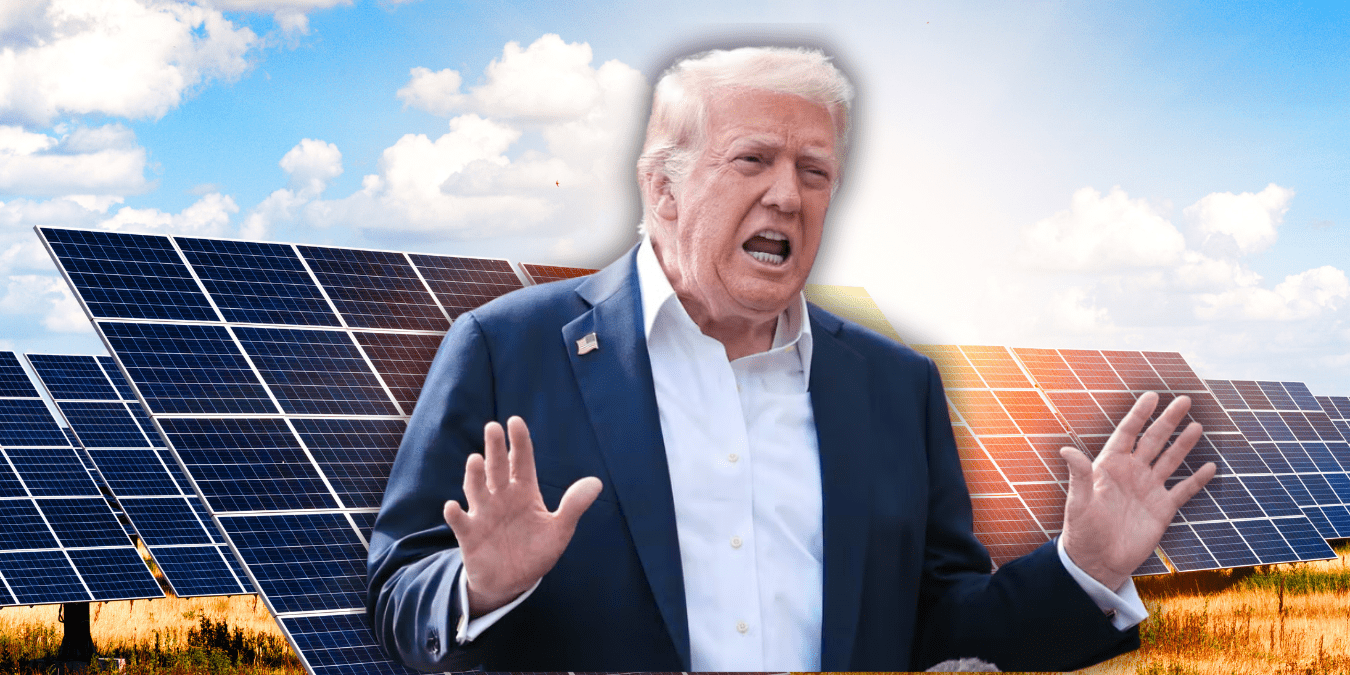
The mood on Dalal Street turned grim this week as Indian solar stocks took a severe beating — and at the centre of the storm sits Waaree Energies, India’s largest solar panel manufacturer. The trigger? The United States has imposed a staggering 126% tariff on solar panel imports, a move that sent shockwaves through the entire Indian renewable energy sector almost instantly.
For retail investors who bought into the solar story hoping for a long green runway, this news feels like a gut punch. But before you hit the panic button, it is worth understanding exactly what this tariff means, why Waaree Energies is being hit hardest, and whether this is a temporary storm or a permanent structural setback.
Let’s break it all down.
What Exactly Is This 126% US Solar Tariff?
To understand why Indian solar stocks are falling, you first need to understand the tariff itself.
The United States has been on a protectionist path for several years, determined to build its own domestic solar manufacturing base and reduce dependence on Asian solar supply chains — particularly from China. Under the previous tariff structure, Indian solar manufacturers had actually benefited significantly because Chinese panels were already subject to steep duties, making Indian-made panels an attractive alternative for American solar project developers.
That advantage is now largely wiped out.
The new 126% tariff applies broadly to solar panel imports entering the US market, and while the fine print on country-specific rates and product classifications is still being analysed by trade lawyers and corporate teams, the market has reacted swiftly and decisively. Investors don’t wait for fine print — they sell first and read later.
For context, a 126% tariff effectively means that a solar panel that cost an American buyer ₹100 to import now costs ₹226 after duty. No project developer in the US can absorb that cost without completely restructuring their procurement strategy. The economics simply don’t work. And that is exactly what the market is pricing into Indian solar stocks right now.


Why Waaree Energies Is in the Crosshairs
Among all Indian solar manufacturers, Waaree Energies has the highest exposure to the US export market. That is both its greatest strength in normal times and its most significant vulnerability right now.
Waaree had aggressively built its US business over the past three years, signing long-term supply agreements with American solar developers and even announcing plans to set up a manufacturing facility in the United States to serve the American market more competitively. The company’s revenue growth story was substantially powered by surging US demand, and analysts had built that US export trajectory into their future earnings models.
When those models get broken, valuations get reset — sharply.
Here is what makes Waaree particularly vulnerable compared to peers like Premier Energies or Adani Green Energy. Waaree’s core business is manufacturing and exporting solar modules. It is not primarily a solar energy generator that earns stable returns from domestic power purchase agreements. Its revenue is directly tied to selling panels, and a large chunk of those panel sales were headed to the United States. That direct trade exposure means the tariff hits Waaree’s top line almost immediately, not at some distant future point.
Premier Energies, by comparison, has a more balanced mix of domestic EPC projects and exports. Adani Green Energy generates most of its revenue from operating solar power plants inside India, making it far more insulated from US trade policy changes. Tata Power Solar has significant domestic utility-scale project work that cushions the blow.
Waaree, to put it plainly, has the least cushion.
The Numbers Behind the Pain
Let’s talk specifics, because experience in financial markets has taught one thing above everything else — market reactions that feel emotional are almost always grounded in real earnings math.
Industry estimates suggest that Waaree Energies derived somewhere between 30% to 45% of its revenue from US-bound exports in recent quarters. If even half of that business becomes unviable overnight due to the tariff, the revenue impact runs into hundreds of crores per quarter. That is not a rounding error — it is a fundamental change in the earnings trajectory that justified Waaree’s premium valuation.
The stock had been a darling of Indian markets after its IPO in late 2024, climbing sharply as investors priced in India’s solar manufacturing boom and the company’s aggressive US expansion. At peak valuations, the market was paying a significant premium for expected future growth. When that growth story gets a large dent, the derating can be swift and brutal — as investors are now experiencing firsthand.
Is This Permanent or Temporary?
This is the question that matters most for investors sitting with Waaree positions right now.
The honest answer, drawing on experience watching trade policy cycles over many years, is: it is serious, but not necessarily permanent.
US tariff policy has historically been a negotiating tool as much as a permanent trade barrier. The current tariff announcement is likely to trigger intense diplomatic engagement between India and the United States, particularly given the broader India-US strategic relationship and ongoing free trade agreement discussions. India is not China — and the US administration is well aware that punishing Indian solar manufacturers too severely could push India closer to alternative trade partners, which serves nobody’s long-term interests.
Additionally, Waaree’s own US manufacturing facility plans become significantly more important now. If the company can accelerate its American manufacturing footprint, it sidesteps the tariff entirely. Made-in-America solar panels face no import duty. Several Indian companies, including Waaree itself, had already begun this pivot. The tariff may actually accelerate that strategic shift rather than simply destroying it.
In the near term, however, the pain is real. Contract renegotiations will happen, some orders will be cancelled or deferred, and margins will come under pressure as Waaree tries to find alternative export markets in Europe, Southeast Asia, and the Middle East to compensate for US volume loss.
What About Other Indian Solar Stocks?
The tariff fallout is not limited to Waaree, though it is the most exposed. Here is a quick picture of how the broader Indian solar ecosystem is being affected.
Adani Green Energy has taken a moderate hit in sentiment, though its operational model — running power plants in India — means actual earnings impact is limited. The stock reaction here is more about sector-wide fear than direct business damage.
Premier Energies faces meaningful but manageable exposure. The company has been diversifying its order book across domestic tenders and multiple geographies, which provides partial protection.
Borosil Renewables, which manufactures solar glass rather than panels, faces indirect pressure as the entire supply chain sentiment turns negative, even though its direct US exposure is minimal.
Websol Energy and some of the smaller solar component manufacturers are seeing their stocks fall simply because of guilt by association — investor sentiment towards the entire sector has soured, regardless of individual business fundamentals.
What Should Investors Do Now?
This section comes with a clear disclaimer: nothing here constitutes personalised investment advice. Every investor’s risk profile and portfolio situation is different, and decisions should be made after consulting a SEBI-registered investment adviser.
That said, here is a framework for thinking through this situation based on financial market experience.
If you hold Waaree Energies and are sitting on significant profits from the IPO or early days, this is a moment to seriously reassess your position size and the revised earnings trajectory. The stock’s premium valuation made sense when US growth was on track. That assumption needs recalibration now.
If you are considering entering Waaree at current beaten-down prices, the question is whether the market has already priced in the worst case or whether further earnings cuts are still coming. Given that clarity on the actual tariff impact on Waaree’s specific contracts may take one to two quarters to emerge fully, volatility is likely to remain elevated.
For investors with a longer three-to-five-year horizon, India’s domestic solar manufacturing story remains intact. The government’s Production Linked Incentive scheme, growing domestic solar capacity addition targets, and India’s own energy transition needs will continue to create significant demand. Companies that successfully pivot their US manufacturing plans or diversify export geographies could recover strongly.
The Bottom Line
The 126% US solar tariff is a genuine and serious blow to Indian solar manufacturers, and Waaree Energies, given its concentrated US export exposure, is taking the hardest hit. The market reaction, as painful as it feels, is rationally grounded in changed earnings math rather than pure panic.
However, India’s solar story is not over. It is being rewritten — and companies that adapt fastest will define the next chapter.
Watch the next two quarterly earnings calls from Waaree very carefully. The management’s response to this challenge, the speed of their US manufacturing pivot, and their success in diversifying export markets will tell you everything you need to know about whether today’s pain becomes tomorrow’s opportunity.
Disclaimer: This article is for informational and educational purposes only. It does not constitute investment advice. Please consult a SEBI-registered financial adviser before making any investment decisions. The author holds no positions in any of the stocks mentioned at the time of writing.