UAE-India Flights Get Pricier: How IndiGo's New Fuel Surcharge Hits Your Wallet from March 14
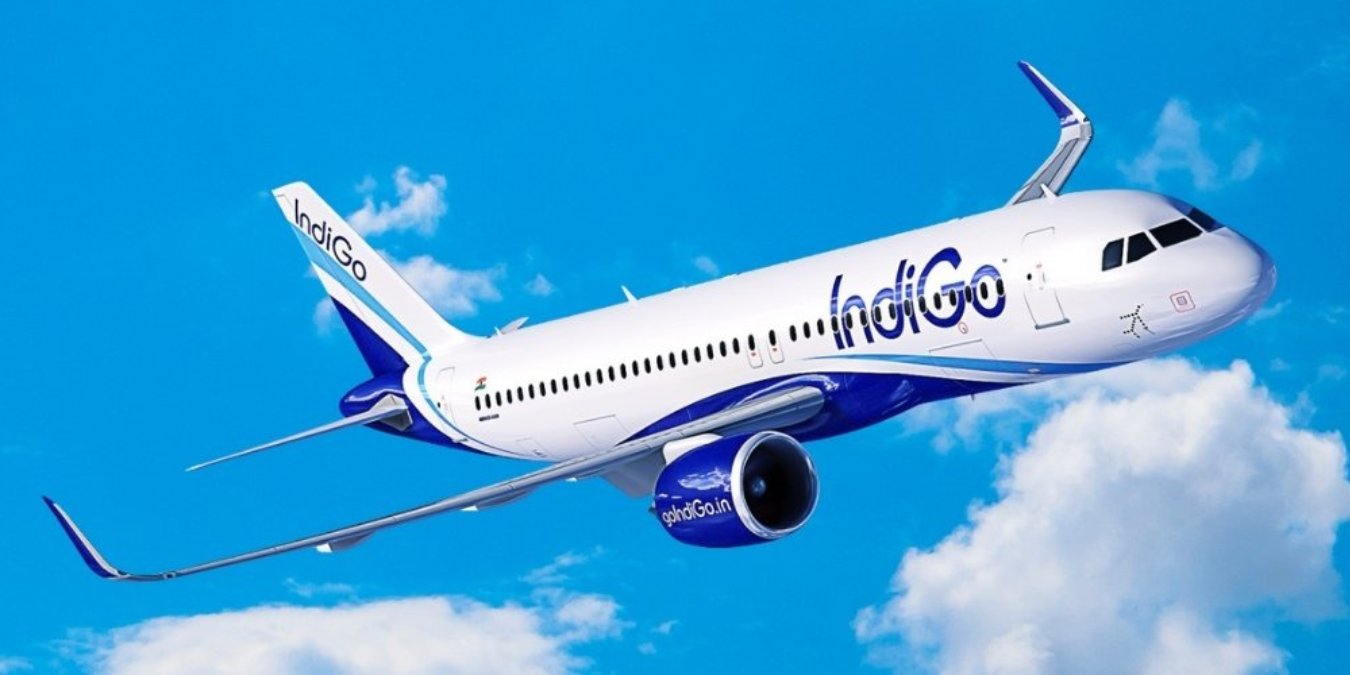
UAE-India flights are set to become noticeably more expensive as IndiGo joins other airlines in introducing a new fuel surcharge starting March 14, 2026, amid rising global oil prices and operational costs.
Why Fuel Surcharges Are Returning Now
Airlines like IndiGo have historically used fuel surcharges to offset volatile jet fuel prices, a practice paused during stable periods but now revived due to geopolitical tensions and OPEC decisions pushing crude oil above $85 per barrel. IndiGo’s move aligns with Air India Express and other carriers, signaling a sector-wide response to costs that have surged 15-20% year-over-year. This isn’t just an IndiGo story—it’s a ripple effect hitting the world’s busiest migrant corridor, with over 4 million Indians traveling between UAE and India annually.
The surcharge kicks in immediately for tickets issued on or after March 14, applying to both directions on popular routes like Dubai-Mumbai, Abu Dhabi-Delhi, and Sharjah-Bengaluru. Expect adds of AED 50-150 per sector, varying by distance, making budget travel less predictable.
Breaking Down IndiGo’s New Fuel Charge Structure
IndiGo confirmed the surcharge via a regulatory filing, categorizing it clearly for transparency:
- Short-haul (e.g., Dubai-Kochi): ~AED 50-75 per passenger.
- Medium-haul (e.g., Abu Dhabi-Mumbai): ~AED 80-110.
- Longer routes (e.g., Dubai-Delhi): Up to AED 140-150.
These are one-way adds, doubling for round-trips, and exclude taxes/VAT. Unlike base fares, surcharges fluctuate monthly based on Aviation Turbine Fuel (ATF) benchmarks from Dubai/ Mumbai airports. IndiGo promises updates via their app and website, but early bookings lock in current rates—buy now if traveling post-March 14.
This mirrors 2022’s surcharge hikes during the Ukraine crisis, where similar adds pushed economy fares up 10-15%. For context, a Dubai-Mumbai round-trip that cost AED 800 pre-surcharge could hit AED 1,100 by April.
Impact on Key UAE-India Routes
The Gulf-India corridor is hyper-competitive, with IndiGo holding 60% market share alongside Flydubai, Air India Express, and Emirates. Here’s how prices shift:
| Route | Pre-March 14 Fare (Round-Trip) | Post-Surcharge Estimate | Increase |
| Dubai-Mumbai | AED 750-900 | AED 950-1,200 | +25% |
| Abu Dhabi-Delhi | AED 850-1,100 | AED 1,100-1,400 | +22% |
| Sharjah-Bengaluru | AED 650-800 | AED 850-1,050 | +28% |
| Dubai-Kozhikode | AED 700-850 | AED 900-1,100 | +26% |
Kerala and Maharashtra routes feel the pinch hardest, as they serve massive expat workforces. Peak summer (April-June) fares could spike further with Ramadan demand.



Who Gets Hit Hardest—and Why It Matters
NRIs and Blue-Collar Workers: UAE’s 3.5 million Indian expats face the sharpest pain. Monthly home visits for Kerala nurses, Mumbai construction workers, or Delhi IT pros just got pricier, squeezing remittances already down 5% amid rupee weakness.
Tourists and VFR Travel: Visiting friends/relatives (the corridor’s 70% traffic) loses budget appeal. A family-of-four summer trip jumps AED 800+.
Business Travelers: Corporates on IndiGo’s frequent Delhi-Dubai runs see expense reports balloon, prompting switches to Emirates (who absorb some costs in premium fares).
Economically, this adds AED 200-300 million annually to passenger bills, per industry estimates, while airlines protect margins squeezed by 12% crew costs and 8% maintenance hikes.
Historical Context: Fuel Surcharges Aren’t New
IndiGo paused surcharges in 2023 when ATF dipped below $90/barrel, touting “all-in fares” as a customer win. Global events flipped the script:
- 2022 Peak: Surcharges hit AED 200+ during oil’s $120 surge.
- 2024 Stability: Prices held as airlines hedged fuel.
- 2026 Trigger: Red Sea disruptions + India’s ATF tax cuts reversed, pushing costs up 18%.
Globally, UAE carriers like Flydubai added similar fees last week, while Emirates bundles them quietly. IndiGo’s transparency—publishing formulas tied to Platts jet fuel indices—builds trust, unlike opaque rivals.
Strategies to Dodge or Minimize the Hike
Smart travelers can outmaneuver this—here’s your playbook:
- Book Immediately: Tickets issued before March 14 lock pre-surcharge pricing, even for April flights. Use IndiGo’s app for fare locks.
- Hunt Promo Fares: Watch for “UAE-India Fest” sales; IndiGo often drops base fares to offset adds.
- Flexible Dates: Shift ±3 days via Google Flights; midweek saves 15-20%.
- Multi-City Hacks: Fly Dubai-Kochi, train to Mumbai—beats direct surcharges.
- Loyalty Perks: 6E Rewards members get vouchers; redeem now before value erodes.
- Alternatives: Air India Express (cheaper base) or Flydubai (fewer fees) for select routes.
- Group Bundles: Family/group bookings sometimes cap surcharges.
Pro tip: Enable price alerts on Skyscanner/Kayak filtering “IndiGo only” for real-time beats.
Alternatives: Competing Airlines and Routes
Not locked into IndiGo? Compare:
- Air India Express: Lower base fares, similar surcharges; best for South India.
- Flydubai: Frequent Dubai flights, bundles fuel in “Lite” fares.
- Emirates/Etihad: Premium but stable pricing; business class absorbs hikes.
- Indirect Paths: Qatar Airways via Doha adds layover but hedges fuel volatility.
For Mumbai-Dubai, Flydubai undercuts IndiGo post-surcharge by AED 100 on averages.
Long-Term: What Drives Future Prices
Oil isn’t calming soon—analysts forecast $90-100/barrel through 2026 due to:
- India-UAE trade booming (USD 100B target).
- Expats returning for elections/weddings.
- No quick fix for ATF duties (India’s 6% GST looms).
Airlines may introduce “peak surcharges” like Europe’s Ryanair. IndiGo’s hedging covers 60% of needs, buying time, but passengers pay the rest.
Advice for Frequent Flyers and Expats
Frequent flyers and NRIs between UAE and India face a new reality with IndiGo’s fuel surcharge from March 14, 2026. Here’s targeted, actionable advice to minimize the AED 50-150 per sector hit while keeping travel affordable and flexible.
NRIs and Monthly Home Visitors
Budget an extra AED 200 per round-trip as baseline costs rise 20-25% on key routes like Dubai-Kochi or Abu Dhabi-Mumbai. Bulk-buy tickets quarterly—lock in pre-surcharge fares for April-June travel by booking before month-end via IndiGo’s app. Offset expenses by channeling wage savings into UPI remittances; apps like PhonePe or Google Pay offer zero-fee transfers to family accounts, turning flight costs into efficient support. Pro tip: Time visits around Indian school holidays but avoid peak April-May when demand doubles fares.
Tourism Professionals and Travel Agents
Push “shoulder season” packages now—February and March 2026 offer 15-20% lower base fares before surcharges fully embed. Bundle Dubai hotel stays with Kochi flights, marketing “pre-monsoon escapes” to UAE families. Partner with Flydubai for surcharge-light options on secondary routes like Sharjah-Thiruvananthapuram. Track inventory via IndiGo’s trade portal; promo codes often emerge mid-week, letting you undercut competitors.
Businesses and Corporate Teams
Negotiate directly with IndiGo’s corporate desk for volume discounts—10+ monthly seats often cap surcharges at AED 75/sector regardless of route. Request consolidated billing to bundle UAE-India legs, and explore net rates that absorb fuel hikes. Shift non-urgent trips to Tuesdays/Wednesdays (lowest loads) and use multi-city itineraries: Dubai-Delhi then train to Mumbai saves AED 100+. For compliance, document surcharges as reimbursable under travel policies.
The Bigger Picture for India-UAE Travel
This hike underscores aviation’s fragility: 40% of costs are fuel, amplified in high-density corridors. Yet, IndiGo’s 200+ weekly UAE flights keep options plentiful, unlike monopoly routes.
Positively, competition and IndiGo’s low-cost model cap damage—fares rose just 12% vs. 25% globally post-COVID. For 15 million annual passengers, it’s an inconvenience, not a barrier.
Travelers win by staying proactive: lock fares today, diversify carriers, embrace flexibility. The skies stay connected; they just cost a bit more fuel to cross.
What’s your next UAE-India trip, and how will you tackle the surcharge?