Trump's $300 Billion Reliance Deal: What India's Backing of America's First New Oil Refinery in 50 Years
Trump’s $300B Reliance mega-deal unleashes America’s FIRST oil refinery in 50 YEARS—backed by India! Will cheap U.S. shale crush petrol prices at YOUR pump? Geopolitical twists, hidden savings, and global shake-up revealed. What’s next? Dive in before prices plummet!
President Donald Trump announced a landmark $300 billion deal on March 10, 2026, for the first new U.S. oil refinery in over 50 years in Brownsville, Texas, with major backing from India’s Reliance Industries. This “America First Refining” project, powered by U.S. shale oil, promises thousands of jobs and energy independence, but what does it mean for everyday petrol prices in India?
The Historic Announcement
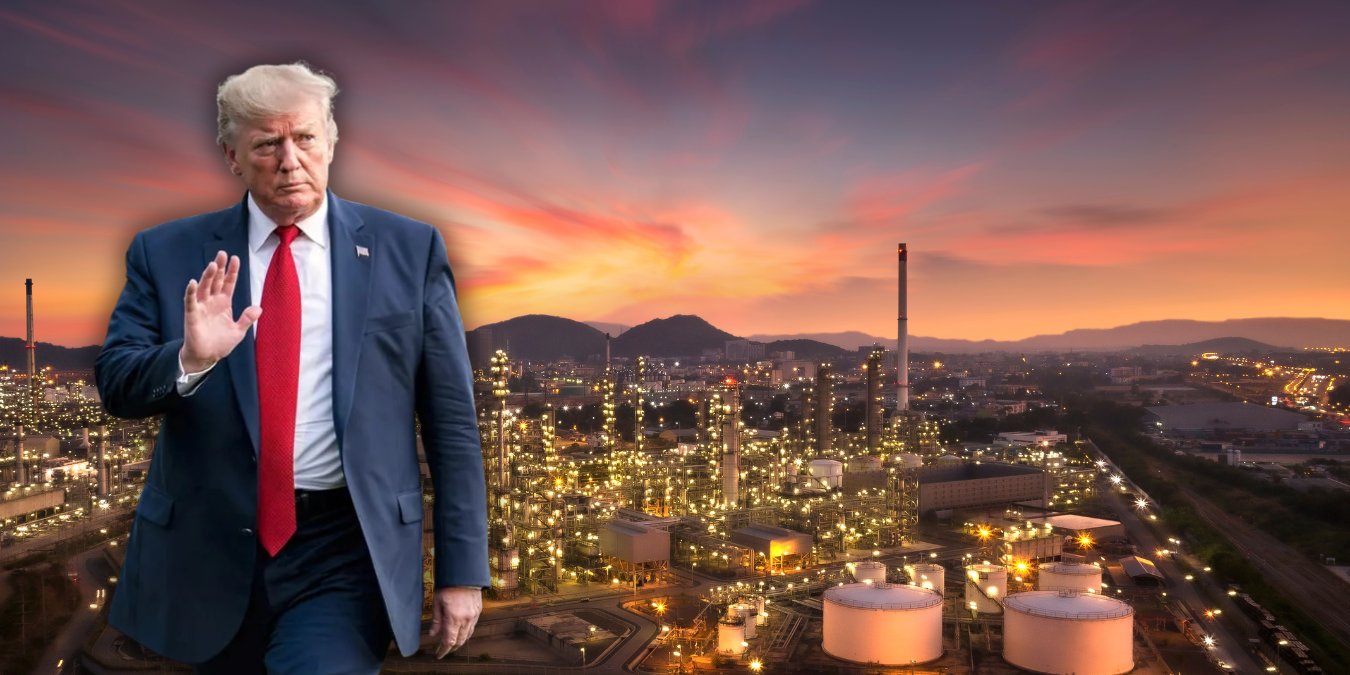
US President Donald Trump revealed the project via Truth Social, calling it the “biggest deal in U.S. history” and crediting his America First policies for streamlining permits and cutting taxes to attract foreign investment. The refinery, developed by America First Refining (a project of Element Fuels), will process light shale crude into ultra-low sulfur diesel, jet fuel, and high-octane gasoline using hydrogen-powered tech for lower emissions. Trump specifically thanked Reliance Industries, India’s largest private energy firm led by Mukesh Ambani, for its “tremendous investment,” marking a deepening U.S.-India energy partnership amid global tensions like those in West Asia.
Reliance’s involvement includes a 20-year off-take agreement to purchase the refinery’s output, securing markets for the fuels while leveraging its expertise from the world’s largest refinery complex in Jamnagar, India. Groundbreaking is slated for Q2 2026, with the facility positioned at the Port of Brownsville for efficient exports.
Why No New U.S. Refineries in 50 Years?
The last major U.S. refinery opened in 1977 (Marathon’s Garyville facility in Louisiana), as environmental regulations, NIMBY opposition, and projections of declining fuel demand deterred greenfield projects. Since then, operators expanded existing plants or built small modular units, but the U.S. exported billions of barrels of its own shale oil boom—over 10 billion from 2014-2024—because legacy refineries were optimized for heavier imported crudes. This mismatch cost the economy $1.8 trillion in imports while sending $600 billion abroad.
Trump’s deregulation push reversed this trend, enabling America First Refining’s permits after years of planning since 2024. The new plant addresses the shale surplus, processing up to 160,000+ barrels per day into cleaner products, boosting national security by reducing reliance on foreign refining.



Reliance’s Strategic Play
Reliance Industries, valued at $206 billion, brings unmatched expertise with its Jamnagar refinery—the globe’s largest single-site complex. By backing this U.S. venture, Reliance diversifies beyond Russian and Venezuelan crudes (hit by sanctions) and secures discounted U.S. shale oil for its own operations or resale. The 20-year deal ensures stable supply chains, potentially optimizing margins as Reliance converts heavy feeds into high-value diesel and petrochemicals.
For India, this aligns with “Make in India” by exporting refining know-how, while strengthening ties with Trump’s administration amid U.S. trade pushes. Reliance’s move also hedges against volatile Middle East supplies, positioning it as a global energy bridge.
Boost to U.S. Energy Independence
The refinery will refine 100% American shale oil, cutting exports of raw crude and curbing imports, directly fueling domestic markets and global sales from Texas ports. It promises “billions in economic impact” and thousands of jobs in South Texas, from direct construction roles to indirect supply chain work. Hydrogen turbines make it one of the “cleanest refineries,” aligning with modern emissions standards while scaling low-carbon fuels.
Under Trump’s energy dominance agenda—post-reelection in 2024—this project counters global disruptions, like Iran-U.S.-Israel conflicts stalling supplies. Increased U.S. refining capacity (adding ~1-2% to total) enhances security, potentially stabilizing world oil flows.
Global Oil Market Ripple Effects
A new major U.S. refinery boosts global refining capacity by processing underutilized shale oil, easing crude gluts and pressuring prices downward long-term. Historically, U.S. expansions have lowered benchmarks like WTI by improving supply-demand balance. Short-term, construction hype could lift oil futures, but operational output (post-2027) might add 50-100 million gallons daily of fuels, competing with OPEC+ exports.
For India, reliant on 85% imported crude, cheaper U.S. shale via Reliance could trim import bills if deals extend discounts. However, Trump’s tariffs on rivals like China might indirectly hike competing fuels, though U.S.-India pacts soften this.
Implications for India’s Petrol Prices
India’s petrol prices, hovering at ₹95-100/liter in Lucknow (March 2026), are 50%+ taxes on imported refined products. Reliance’s access to cheap U.S. shale—lighter and costlier than Russian discounts—could stabilize refining costs at Jamnagar, potentially passing savings if margins hold. A 5-10% global refining boost might shave ₹2-5/liter off petrol/diesel over 2-3 years, assuming no tax hikes.
Yet, risks loom: U.S. sanctions curbed cheap Russian oil, raising India’s bill by 2%; similar on Venezuela hits Reliance hardest. Positively, the deal fosters bilateral crude swaps, buffering volatility. For consumers, expect modest relief by 2028 if output ramps, but government duties dominate pricing.
Broader U.S.-India Energy Ties
This deal symbolizes Trump’s post-2025 push for “energy dominance,” with India as key ally against China-Russia blocs. Past collaborations—like Reliance’s Venezuelan licenses—show mutual benefits in navigating sanctions. Future expansions could include LNG or green hydrogen, as America First’s hydrogen focus aligns with India’s net-zero goals.
Economically, it creates ripple jobs: U.S. thousands direct; India via Reliance’s supply chains. Trust builds through transparency—Trump’s public nod and Reliance’s off-take lock reliability.
Challenges and Criticisms
Environmentalists decry fossil fuel expansion amid climate pledges, though hydrogen tech cuts CO2. Local Brownsville concerns mirror past NIMBY fights, but Port zoning aids approval. Economically, $300B figure may encompass total ecosystem (pipelines, etc.), not just refinery; skeptics question timelines amid past delays.
For India, over-reliance on U.S. shale risks if Trump tariffs bite globally. Still, diversification trumps status quo.
What It Means for Everyday Indians
At the pump in Uttar Pradesh, this won’t slash prices overnight—taxes rule—but cushions against shocks. Cheaper global fuels via Reliance could save households ₹500-1000/year on fuel by 2029. Watch for Q2 groundbreaking updates; success here could spawn more Indo-U.S. ventures, securing energy for billions.