Personal Loan Without a Salary Slip in 2026 — How Gig Workers & Freelancers Can Access Up to ₹20 Lakh
Personal Loan Without a Salary Slip in 2026 — How Gig Workers & Freelancers Can Access Up to ₹20 Lakh
India’s informal workforce has long been locked out of formal credit. In 2026, alternative credit scoring has changed the game entirely. Here’s your complete field guide — no payslip required.
The Salary Slip Trap — And Why It’s Finally Breaking
Banks invented the salary slip requirement as a shortcut. One document answering three questions at once: How much do you earn? Is it regular? Is it from a legitimate employer? For salaried workers, it’s a clean signal. For freelancers, gig workers, small traders, and digital creators — it was an arbitrary wall.
The irony: many of India’s highest-earning individuals don’t have salary slips. A senior consultant billing ₹3 lakh a month across three clients has no single employer to issue one. A Zomato delivery partner earning ₹42,000 through daily platform payouts has no payslip. Their income is real, documented, and traceable — just not formatted for a 1985-era banker.
Over 80% of India’s working population is employed in the informal sector — delivery partners, freelancers, contractual workers, small shopkeepers, farmers, and home-based entrepreneurs. This majority earns genuine incomes but was systematically excluded from formal personal credit until alternative credit scoring arrived.
The RBI began dismantling this structure through targeted interventions: digital lending guidelines in 2022, the Account Aggregator (AA) consent framework, and formal recognition of alternative income verification for NBFC lending. By 2026, these changes have moved from policy to practice — and the loan market is responding visibly.
“A delivery partner earning ₹35,000 in daily platform settlements is not a credit risk. They’re an underserved customer. The new models finally know the difference.”— Industry perspective on India’s evolving digital lending ecosystem, 2026
What Is Alternative Credit Scoring?
Alternative credit scoring (ACS) replaces the salary slip with a constellation of digital data points. Instead of asking “does this person have a formal employer?”, lenders now ask “does this person’s financial behaviour demonstrate repayment capacity?” The answer comes from multiple sources — and each one tells a different part of your financial story:
How Lenders Build Your Credit Picture in 2026
Approximate weight assigned to each data source by leading digital NBFCs
The framework enabling all of this is the Account Aggregator (AA) System — a consent-based data-sharing architecture regulated by the RBI. When you approve a request through your bank’s AA-enabled app, a lender pulls verified transaction history in seconds. No manual uploads, no physical documents. For gig workers on Swiggy, Ola, or Urban Company, some fintech lenders access platform earnings data directly via API, making income verification completely seamless.
CASHe uses a proprietary SLQ algorithm that factors in education history, career trajectory, and behavioural patterns alongside standard financial data — approving borrowers that traditional models would reject outright.
Who Qualifies? Six Borrower Profiles Banks Now Welcome
The eligible borrower definition has expanded dramatically. If you fall into any of these categories, a no-salary-slip personal loan is within reach in 2026:
IT professionals, designers, writers, and consultants. ITR filings and consistent bank credits are your salary slip.
Delivery partners on Swiggy/Zomato, cab drivers on Ola/Uber, and taskers on Urban Company with platform earnings history.
Shop owners, traders, and micro-entrepreneurs with 12+ months of consistent bank activity and GST filings.
YouTubers, Instagram influencers, and podcasters with regular AdSense or brand income visible in bank statements.
Project-based workers in construction, IT, or media. Recurring income patterns over 12 months are sufficient.
Property owners with regular documented rent deposits. Many NBFCs accept rental income as primary income proof.
Documents That Replace the Salary Slip
You can’t walk in empty-handed — but the documents required in 2026 are ones you likely already have. Here is exactly what lenders accept:
- 01Bank Statements (6–12 Months)
The single most important alternative document. Lenders analyse regular credits, average monthly balance, bounce rate, and absence of overdraft. Consistent deposits — even varying amounts — signal income stability.
- 02
- 03Form 16A — TDS Certificate from Clients
Clients who deduct TDS on payments issue Form 16A. Multiple Form 16As from different clients is strong income proof accepted by Bajaj Finserv, Tata Capital, and most NBFCs.
- 04GST Returns (GSTR-1 / GSTR-3B)
GST-registered professionals can use monthly filings to demonstrate business volume. NBFCs look at turnover consistency across 6–12 months of returns.
- 05CA-Certified Income Certificate
A Chartered Accountant’s signed letter certifying annual net income bridges the gap for earners whose income doesn’t appear in standard tax filings.
- 06Platform Earnings Reports (Gig Workers)
Swiggy, Zomato, Ola, and Urban Company partner dashboards generate earnings summaries. Some fintech lenders access this via API — no uploads needed, processed in under 15 minutes.
Lender Comparison: Who Offers What in 2026
The market has matured considerably. Here are the leading lenders and their terms for no-salary-slip borrowers as of early 2026:
| Lender | Max Amount | Rate (p.a.) | Min CIBIL | Best For |
|---|---|---|---|---|
| Navi Finserv | ₹20 Lakh | From 9.9% | 650 | Freelancers |
| Bajaj Finserv | ₹40 Lakh* | From 11% | 700 | Self-Employed |
| Tata Capital | ₹35 Lakh* | From 10.99% | 700 | Business Owners |
| MoneyView | ₹10 Lakh | From 14% | 650 | Contract Workers |
| KreditBee | ₹5 Lakh | 16%–29.95% | 600 | Gig Workers |
| DMI Finance | ₹10 Lakh | Profile-based | 650 | First-Timers |
| Fibe (EarlySalary) | ₹5 Lakh | From 18% | 600 | Young Professionals |
| PaySense / LazyPay | ₹5 Lakh | 16%–36% | None req. | No Credit History |
*Higher amounts at Bajaj Finserv and Tata Capital may require ITR and CA certificate. Rates are indicative and subject to individual credit assessment.
How to Apply: A 7-Step Walkthrough
The entire process — from initial check to disbursal — can happen in under 24 hours for eligible borrowers. Here’s exactly what to do:
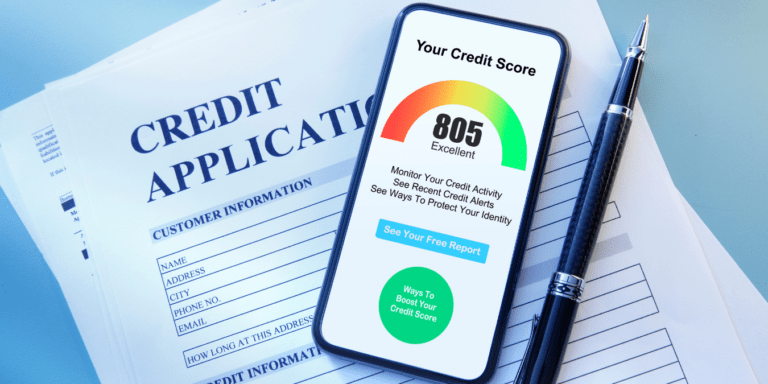
Use CIBIL’s free annual report or apps like CRED, Paisabazaar, or BankBazaar for a soft pull. Know your number before any lender does a hard inquiry — each hard inquiry shaves 5–10 points from your score.
Download 12 months of bank statements in PDF (not screenshots). Pull ITR acknowledgements for 2 years. Collect Form 16As from clients. Export your platform earnings summary if applicable. Having everything ready cuts application time by 60%.
Gig workers: start with Navi or KreditBee. Freelancers with 2+ years ITR: target Bajaj Finserv or Tata Capital. Self-employed with GST history: MoneyView or DMI Finance. Apply to one or two at most to protect your CIBIL score.
All leading platforms use Aadhaar OTP-based eKYC. Keep your Aadhaar-linked mobile number active. The identity verification step takes under 3 minutes and eliminates all physical document submission.
When prompted for AA consent, approve it via your bank’s AA-enabled app. The lender gets instant verified access to your transaction history — removing manual uploads and accelerating approval by up to 60%.
For your first no-salary-slip application, request a conservative amount. This significantly boosts approval probability. After repaying on time, lenders proactively upgrade your limit with no new documentation needed.
Funds transfer via NEFT or IMPS to your registered bank account. Fintech NBFCs typically disburse within 2–8 hours. Bajaj Finserv and Tata Capital may take 2–3 working days for amounts above ₹5 lakh.
Interest Rates by Credit Profile — What to Realistically Expect
Loans without salary slips carry slightly higher rates than standard salaried products — but the gap has narrowed significantly as models have matured. A well-documented freelancer with a 740 CIBIL score can now get a better rate than a salaried employee at a small firm with patchy repayment history.
CIBIL 750+ with 2+ years ITR. Best products at Bajaj Finserv, Tata Capital, and Navi.
CIBIL 700–749 with healthy bank statements but limited ITR history.
CIBIL 650–699 or income history under 12 months. KreditBee, MoneyView territory.
First-time borrowers or below 650. PaySense and LazyPay cater here. Short-term only.
6 Proven Strategies to Maximise Approval Chances
Risks, Red Flags, and the Rules of Safe Borrowing
Democratised lending is largely positive. But the same ecosystem that opened doors for genuine borrowers also created space for exploitative actors. Know the difference before you apply.
Beyond regulatory compliance, watch for these specific red flags: any app promising “instant loan with zero documents whatsoever” — legitimate lenders always require Aadhaar eKYC at minimum. Any lender demanding an upfront fee before loan approval — genuine processing fees are deducted from the disbursed amount, never charged before disbursal. Interest rates advertised below 9% for unsecured no-document loans — below this floor, the economics don’t add up without hidden exploitation.
Confirm all of the following before accepting any loan offer: RBI registration number visible in the app or on the website. Annual Percentage Rate (APR) explicitly disclosed — not just the monthly rate. All fees itemised upfront including processing, foreclosure, and late payment charges. No clause granting access to your contacts, gallery, or call logs. EMI schedule with specific dates and amounts shown clearly before you accept.