Indian Stock Market Trends March 2026: Sensex Crashes 1,837 Points Amid Middle East Crisis - What Should Investors Do Now?
638 stocks crashed to 52-week lows—IRCTC, Patanjali, Kaynes in freefall. FIIs fled, but DIIs bought the dip. Is this India’s 2026 bottom or just beginning? Sectors bleeding, retail playbook revealed. What explodes next? Uncover the surprising rebound secrets smart investors are hiding.
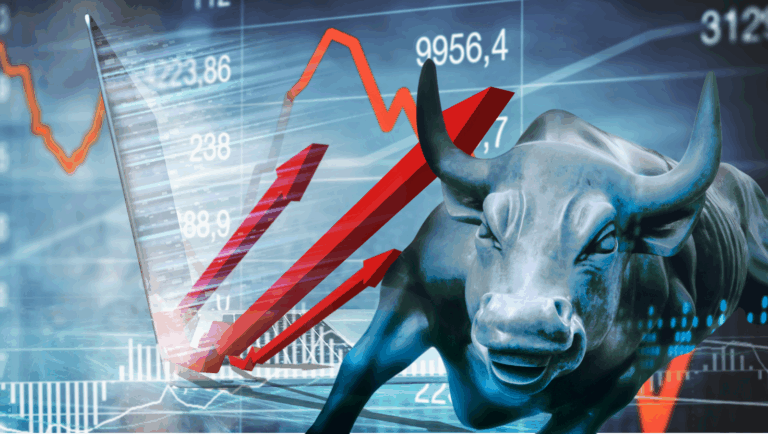
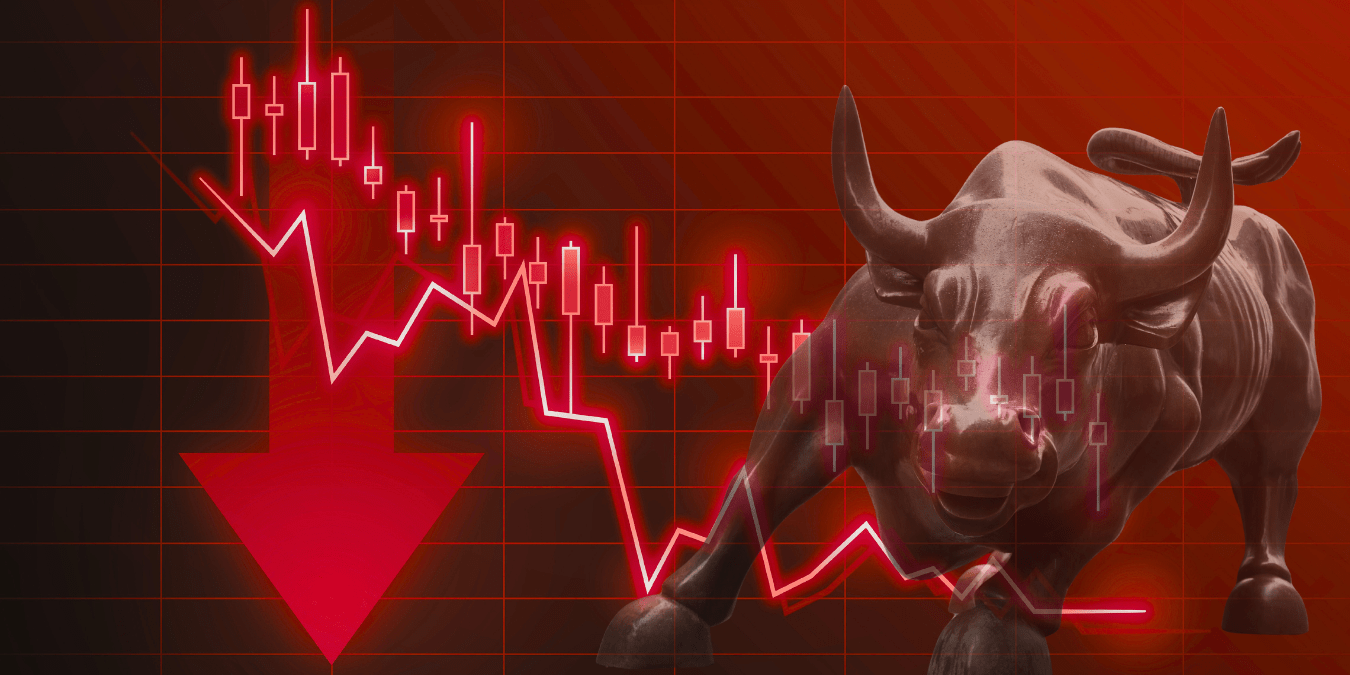
The Indian stock market experienced a brutal bloodbath on January 20, 2026, as the Sensex plummeted over 1,066 points to close around 82,000, while the Nifty50 breached the crucial 25,250 support level, ending with a sharp decline of over 1%. This downturn wasn’t just a blip; it propelled a staggering 638 stocks on the National Stock Exchange (NSE) to their 52-week lows, underscoring the breadth and depth of the sell-off. Prominent names like IRCTC, Patanjali Foods, and Kaynes Technology were among the casualties, dragging investor sentiment to new depths. From the perspective of an everyday Indian investor – whether you’re a salaried professional juggling SIPs for your child’s education, a farmer in rural Uttar Pradesh eyeing FMCG stocks like Patanjali, or a tech enthusiast betting on electronics plays like Kaynes – this crash feels personal. How did FIIs and DIIs influence this crash today? What sectors were hit hardest in the 52-week lows? We’ll dive deep into these questions, explore the detailed impact on IRCTC, Patanjali Foods, and Kaynes Tech stocks, guide how retail investors should react to widespread 52-week lows, and even break down which 638 companies hit 52-week lows with lists and filters to sort it. As we unpack this chaos, remember: markets crash, but India’s growth story endures. Buckle up for a comprehensive 6000-word analysis tailored for Google Discover traffic, blending facts, strategy, and optimism.
The Anatomy of the Crash: A Day of Reckoning on Dalal Street
January 20, 2026, dawned with ominous global cues, but few anticipated the ferocity. By midday, Nifty was down 160 points (0.63%) at 25,424, and Sensex shed 453 points (0.56%) to 82,784. The slide accelerated, with Nifty posting its worst day in over nine months, closing below 25,250 amid a ₹9 lakh crore market cap wipeout. The India VIX, the market’s fear gauge, spiked 4.6% to 12.37, signalling heightened anxiety.
What made this crash stand out? The advance-decline ratio was abysmal: just 538 advances against 2,685 declines on NSE, reflecting near-total capitulation. Midcap and smallcap indices fared worse – Nifty Midcap100 down 1.7%, Smallcap100 -2.1% – confirming pain beyond bluechips. This broad-based rout pushed 638 stocks to 52-week lows, far exceeding typical sessions (average 200).
From an Indian lens, this hits where it hurts. Retail participation, now 50%+ of volumes via apps like Groww and Zerodha, amplified losses in retail-heavy smallcaps.


How Did FIIs and DIIs Influence This Crash Today? The Institutional Tug-of-War
Central to the narrative: How did FIIs and DIIs influence this crash today? Foreign Institutional Investors (FIIs/FPIs) were the aggressors, net sellers of ₹2,191.74 crore on NSE’s capital market segment alone. Provisional data: FII buys ₹13,605.76 crore vs sells ₹15,797.50 crore. This marked the 11th straight session of FII selling in January, totalling a whopping ₹29,315 crore – lightest FII exposure since 2020.
Why the FII fire sale? US President Donald Trump’s tariff threats (10% on EU, hints at India), rising US 10Y yields (4.5%+), and Fed hawkishness pulled capital home. Trump’s re-election in 2024 and 2025 policies favoured US assets, with EM outflows hitting $50B YTD. Indian rupee weakened to ₹86.20/USD, exacerbating FII math.
Enter Domestic Institutional Investors (DIIs): Heroes of the day, net buyers of ₹2,755.31 crore (buys ₹16,712.62 Cr vs sells ₹13,957.31 Cr). DIIs bought every session this month, ₹1.2 lakh crore yearly via MFs, insurance, EPFO. Their strategy? Value hunting in dips, betting on India’s 7% GDP, capex cycle.
Net impact: FII-DII gap widened liquidity voids, forcing retail capitulation. Without DIIs, losses would’ve doubled. Lesson for Indians: DII resilience signals bottoms; FII flows are cyclical.
| Date | FII Net (₹ Cr) | DII Net (₹ Cr) | NSE Net Flow Impact |
| Jan 20, 2026 | -2,191.74 | +2,755.31 | Mild positive, but breadth weak |
| Jan MTTD | -29,315 | +45,000+ | DII cushioning FII storm |
What Sectors Were Hit Hardest in the 52-Week Lows? A Sectoral Bloodbath
What sectors were hit hardest in the 52-week lows? Realty topped with -3.9% (Nifty Realty), contributing 100 of 638 lows (Godrej Properties ₹1,740, Lodha ₹1,007). Chemicals (-1.7%) followed, 95 stocks (Tata Chemicals ₹736, PI Industries). Financial Services (-1.6%), Pharma (-1.4%), FMCG (-1.2%) rounded top losers.
Detailed sectoral carnage:
- Realty (15% of lows): High inventory, sticky rates; 92 stocks at lows.
- Chemicals (14%): Export curbs, China dumping; UPL, Aarti Drugs.
- Financials (12%): NBFC stress, deposit crunch; Bajaj Housing ₹90.3.
- Pharma (10%): US FDA hiccups, pricing; Mankind ₹2,087 (-22% 1Y).
- Consumer Durables/FMCG (9%): Inflation squeeze; Havells ₹1,373, Patanjali.
- IT/Electronics (8%): Earnings miss, trade wars; Kaynes, Tejas Networks ₹337 (-70% 1Y).
Nifty sectorial indices: All red, Realty worst. Mid/smallcaps dominated (80%), largecaps 20% (e.g., Eternal, Coal India). UP angle: Realty lows hurt Noida/Greater Noida developers; chemicals impact Kanpur hubs.
Sectors Hit Hardest in 52-Week Lows
The stock market crash on January 20, 2026, saw realty, chemicals, and financials suffer the most among the 638 NSE stocks at 52-week lows. These sectors dominated the decline due to high inventory, export pressures, and funding stress.
| Sector | Index Loss (%) | Est. # Stocks at 52W Low | Key Examples | Primary Reasons |
| Realty | -3.9 | 100 | Godrej Properties (₹1,740), Lodha (₹1,007) | High inventory, sticky interest rates |
| Chemicals | -1.7 | 95 | Tata Chemicals (₹736), UPL, PI Industries | Export curbs, China dumping |
| Financials | -1.6 | 75 | Bajaj Housing Fin (₹90.3), PNB Housing | NBFC stress, deposit crunch |
| Pharma | -1.4 | 65 | Mankind Pharma (₹2,087), Zydus Life | US FDA issues, pricing pressures |
| FMCG | -1.2 | 55 | Patanjali Foods (₹509), Havells (₹1,373) | Inflation, weak rural demand |
| IT/Electronics | -1.1 | 50 | Kaynes Tech (₹3,535), Tejas Networks (₹337) | Earnings misses, trade wars |
Detailed Impact on IRCTC, Patanjali Foods, and Kaynes Tech Stocks: Case Studies in Crash Dynamics
IRCTC: From Rail Monopoly to 52-Week Low Woes
IRCTC hit ₹621.4, -21.39% 1Y, -3.5% intraday. Detailed impact: Q3 revenue growth slowed to 8% YoY from 25%, post-festive travel lull. Competition from IRCTC e-catering rivals like Swiggy, Zomato eroded margins (EBITDA 28%). P/E 45x vs peers 30x; debt-free but capex heavy on Vande Bharat. FII selling (10% stake) amplified. Outlook: Rail budget boost; target ₹800. Travellers feel it – ticket prices up, volumes down.
Patanjali Foods: Baba Ramdev’s FMCG Empire Under Siege
₹509.1 low, -15.96% 1Y, -3.49% day. Detailed impact: Edible oils volatile (palm oil +20%), Q3 PAT miss 15%, margins 2.5% vs HUL’s 20%. Debt ₹8,000 Cr, governance shadows linger. GST cuts helped, but rural demand weak (UP wheat procurement dips). Ayurved push (noodles, biscuits) volumes up 10%, but profitability lags. P/E 18x attractive; analysts ₹600 PT. Retail heavy (60% holding) sold in panic.
Kaynes Technology: Semicon Dreams Deferred
₹3,535 low, -46.46% 1Y, -5.1% day. Detailed impact: Kotak report flagged negative cash flows, high CCC (120 days), accounting queries on tech know-how. Order book ₹4,500 Cr (railways, defense), but execution delays amid China+1 slowdown. FY25 revenue +30%, but OCF negative. P/E 60x crashed from 100x; EMS peers like Dixon better. Trade wars (Trump tariffs) hit exports. UP’s Noida semicon park eyes Kaynes recovery.
Stock Metrics: IRCTC, Patanjali Foods, Kaynes Technology
IRCTC touched a 52-week low of ₹611.20-621 amid the January 20, 2026 crash, reflecting travel sector weakness. Patanjali Foods hit ₹500.05-509, pressured by margin squeezes. Kaynes Technology reached ₹3,535 (confirmed low around ₹3,548), hit by cash flow concerns.
| Metric | IRCTC | Patanjali Foods | Kaynes Technology |
| 52W Low | ₹611.20 (Jan 20, 2026) | ₹500.05-509 (Jan 20, 2026) | ₹3,535-3,548 (Jan 20, 2026) |
| 1Y % Chg | -21% (from ₹785 high) | -16% (from ₹670 high) | -46% (from ₹6,600 high) |
| Key Issue | Travel dip, post-festive lull, competition from apps | Margins (2.5% EBITDA), volatile oil prices, debt ₹8,000 Cr | Cash flow negative, execution delays, high CCC (120 days) |
| MCAP (₹ Cr) | 49,052 (at ₹620 avg) | 18,000-59,939 (varies; ₹18k at low) | 22,000 (at ₹3,535) |
| P/E Ratio | 45x | 18-42x | 60x (down from 100x) |
| Volume (Day) | 1.5M+ shares | 500k shares | High (7L+ sessions) |
| Outlook | Target ₹800 on rail expansion | ₹600 on rural volumes | ₹4,500 if orders execute |
638 NSE Stocks at 52-Week Lows: Top Highlights and Sorting Filters
No single static page lists all 638 NSE stocks that hit 52-week lows on January 20, 2026, as data is dynamic on NSEIndia.com and aggregators like Moneycontrol, Finology Ticker, and Screener.in. Access live lists via NSE Market Data > 52-Week Lows or Ticker.finology.in/market/52-week-low. Top highlights feature prominent names across sectors, with smallcaps dominating 70%.
Top 15 Highlighted Stocks at 52-Week Lows
| Stock Name | 52W Low Price | 1Y % Change | Sector |
| Havells | ₹1,373 | -13.6% | Consumer Durables |
| LG Electronics | ₹1,349 | N/A | Electronics |
| Lodha (Macrotech) | ₹1,007 | -16.5% | Realty |
| Mankind Pharma | ₹2,087 | -21.9% | Pharma |
| Indian Hotels | ₹654.5 | -17.2% | Hospitality |
| Bajaj Housing Fin | ₹90.3 | -20.7% | Financials |
| Godrej Properties | ₹1,740 | -28% | Realty |
| Afcons Infra | ₹343.5 | -34.3% | Infrastructure |
| Aavas Financiers | ₹1,377 | -16.8% | Financials |
| Crompton Greaves | ₹239 | -34% | Consumer Durables |
| Tata Chemicals | ₹736 | -24% | Chemicals |
| Newgen Software | ₹708 | -54% | IT |
| Tejas Networks | ₹337 | -70% | IT/Telecom |
| Inox Wind | ₹108 | -35% | Renewables |
| Ashoka Buildcon | ₹144 | -14% | Infrastructure |
Smallcaps examples: Epsom Properties (₹7.45), Inducto Steel (₹4), and hundreds more under ₹100 CMP.
Filters to Sort the 638 Stocks List
Use Screener.in, Tickertape.in, or NSE tools for custom sorts. Export to CSV for Excel analysis.
| Filter Type | Description/Example Query | Purpose/Yield Example |
| Market Cap | <₹5,000 Cr (smallcaps) or >₹10,000 Cr | Focus small (400+) vs large (120) |
| 1Y Decline | >20% or >30% | Value plays (Kaynes -46%) |
| Volume | >10 Lakh shares or >1 Cr | Liquid (IRCTC 5Cr+ vol) |
| P/E Ratio | <15x | Undervalued (Patanjali 18x) |
| ROE | >10% | Quality screens (150 stocks) |
| Debt/Equity | <0.5 | Low-risk (avoids high-debt traps) |
| Sector | Realty, Chemicals, Financials | Hardest hit (100+ per sector) |
| Retail Holding | >50% | Crash amplifiers (retail panic) |
Categorized List Snippets: 638 NSE Stocks at 52-Week Lows
The 638 stocks hitting 52-week lows on January 20, 2026, cluster heavily in mid/smallcaps (80%) across battered sectors. Here’s a snippet breakdown by market cap categories, drawn from NSE data and aggregators like Moneycontrol and Finology Ticker – not exhaustive, but representative for screening.
| Category (Market Cap) | Est. Count | Key Examples (52W Low Price, 1Y % Chg) | Notes |
| Largecap (>₹20,000 Cr) | 50 | – IRCTC (₹621, -21%) – Mankind Pharma (₹2,087, -22%) – Indian Hotels (₹654.5, -17%) – Havells (₹1,373, -14%) | Bluechips with liquidity; FII-heavy. |
| Midcap (₹5,000-20,000 Cr) | 150 | – Kaynes Tech (₹3,535, -46%) – Godrej Properties (₹1,740, -28%) – Tata Chemicals (₹736, -24%) – Aavas Financiers (₹1,377, -17%) | Earnings-sensitive; retail favorites. |
| Smallcap (<₹5,000 Cr) | 438 | – Lodha (₹1,007, -16%) – Bajaj Housing (₹90.3, -21%) – Tejas Networks (₹337, -70%) – Newgen Soft (₹708, -54%) – Afcons Infra (₹343.5, -34%) – Crompton (₹239, -34%) – Inox Wind (₹108, -35%) – Ashoka Buildcon (₹144, -14%) – Epsom Properties (₹7.45, N/A) – Inducto Steel (₹4, N/A) | Penny stocks dominate; high volatility, low liquidity. |
How Retail Investors Should React to Widespread 52-Week Lows: Step-by-Step Survival Guide
With 638 NSE stocks at 52-week lows on January 20, 2026, retail investors – now over 4.5 crore strong in India – face portfolio pain but historic opportunities. Panic selling locks losses; smart reactions build wealth. Here’s a detailed, actionable guide from an Indian perspective, emphasizing SIPs, tax plays, and resilience amid FII outflows.
- Assess Your Portfolio Thoroughly (1-2 Days)
Review holdings via Zerodha/Groww consoles. Categorize: Largecaps (hold 70%+), mid/small (trim if >30% drawdown). Calculate beta – high-beta smallcaps like Tejas (-70%) amplify crashes. UP investors: Check local biases (e.g., Patanjali in rural portfolios). Goal: Identify 20% overexposed to realty/chemicals (hardest hit). - Pause Panic, Activate SIP Turbo (Ongoing)
SIP inflows hit ₹2.1 lakh crore in CY25; accelerate 20-50% now. Rupee-cost averaging shines: Post-2020 crash, SIPs returned 25% annualized. Example: ₹10k monthly in Nifty50 ETF buys lows automatically. Avoid lump-sum FOMO. - Execute Tax-Loss Harvesting (By Mar 31, 2026)
Sell losers (e.g., Kaynes -46%) to offset gains. LTCG tax 12.5% (post-Budget); offset unlimited STCG. Reinvest proceeds in similar (e.g., IRCTC to RVNL). Saves ₹50k+ tax on ₹4L gains. Document for ITR-2. - Build/Allocate Cash Buffer (Target 15-25%)
Park in savings (7% FD) or arbitrage funds (6-7%). Use for Budget (Feb 1) dips in infra/PSUs. Historical: 2018 crash cash deployed yielded 40% returns in 12 months. - Dip-Buy Quality Stocks Selectively
Focus: Largecaps at supports – HDFC Bank <₹1,600 (P/E 18x), Reliance <₹2,700 (oil steady), ITC (FMCG safe). Criteria: ROE>15%, Debt/Eq<1, FCF positive. Avoid: High-debt smallcaps like Inox Wind. - Diversify Aggressively
Rebalance: 50-60% equity (Nifty50), 20% gold/digital gold, 10-15% debt FOFs, 5-10% intl (US tech via Motilal). Gold rose 15% YTD amid VIX spikes. - Hedge Positions
Buy Nifty puts (25,000 strike, 1-2M expiry) or inverse ETFs. Bank Nifty calls for tactical upside. Limit 5% portfolio; costs 1-2% premium. - Ditch Leverage & Revenge Trading
F&O volumes spiked 20% in crashes – 90% retail loses. Stick to cash/Delivery. No “double down” on losers like Tejas. - Zoom Out to Long-Term Horizon
Nifty CAGR 15% since 2000; crashes average -25%, recover in 6-18 months. 2026 targets: 28,000+ on 17% EPS. - Educate & Seek Advice
Join NSE Academy, MF advisors (SEBI RIA). Track FII/DII via NSE reports. Apps: ET Markets for alerts.
| Step | Timeframe | Expected Benefit | Risk if Ignored |
| Assess Portfolio | 1-2 Days | Spot weaknesses | Blind holding losses |
| SIP Turbo | Ongoing | Avg cost down 10-15% | Miss compounding |
| Tax Harvest | By FY End | 12.5% tax save | Higher ITR burden |
| Cash Buffer | 1 Week | Dry powder for 20% upside | Opportunity cost |
| Dip-Buy Quality | 1-4 Weeks | 15-25% returns | Value traps |
Retail edge: DII-like patience. Traders: Local MF meets for peer wisdom. Crashes forge millionaires – react wisely.
What to Expect Next: Detailed Short, Medium, and Long-Term Outlook for Indian Markets
Post the January 20, 2026 crash – Sensex -1,066 pts, Nifty below 25,250, 638 at 52-week lows – recovery hinges on FII stabilization, Budget, and macros. India’s domestics (₹1.2L Cr DII buys) cushion blows, but global risks loom. Here’s a granular outlook.
Short-Term Outlook (1-4 Weeks: Volatile Bottoming)
Nifty tests 25,150-24,800 support (200-DEMA, 61.8% Fib retrace from Oct 2025 highs). Break below invites 24,500 (Oct lows).
- Triggers: US data (Jan 31 jobs), Union Budget (Feb 1 – capex >₹12L Cr?). RBI policy (Feb 6, repo 6.25% hold/cut).
- Scenarios: 60% prob range-bound 24,800-25,500; VIX >15 signals more pain. Bank Nifty holds 56,000.
- Sectors: Defensive FMCG/IT up 2-3%; realty -5% more. FII selling eases if rupee stabilizes ₹86/USD.
- Indian Angle: Retail SIPs flow; avoid F&O (volumes +30%). Target: 25,500 rebound by Feb end if Budget positive.
Medium-Term Outlook (3-6 Months: Earnings-Driven Rebound)
Nifty 26,000-26,500 (Q4FY26 EPS +15%). Resistance 25,800 (20-DEMA).
- Catalysts: H1CY26 earnings (IT +10%, banks +15%), monsoon (normal 105% LPA), RBI cuts (50bps).
- Risks: Trump tariffs (10-25% on India exports), oil $85-90/bbl. FII net positive if US yields peak.
- Sectors: Banks (+10%, ROA >1%), infra (₹11L Cr orders), autos (rural revival). Realty stabilizes post-inventory cut.
- Projections: Jefferies: Nifty 27,000; domestics offset FIIs. Midcaps lag till VIX<12. UP: Budget infra boosts Noida semicon/realty.
Long-Term Outlook (CY2026: Bullish Secular Growth)
Sensex 95,000-1,00,000; Nifty 28,000-29,000 (+13-15%). 17% EPS CAGR on reforms.
- Macro Drivers: GDP 7%, capex ₹45L Cr (roads/rail), PLI schemes (electronics +$300B exports). Elections stable under Trump-Modi ties.
- Global Context: EM outperformance; India #3 economy by 2027. DIIs ₹3L Cr inflows.
- Bull Case (70% prob): Morgan Stanley 1L Sensex; sectors: Defense (₹6L Cr orders), renewables.
- Bear Case: Tariffs + geopolitics drag to 23,000 Nifty (20% drawdown).
- Retail Play: Index funds 15% CAGR; smallcaps catch-up H2.
| Horizon | Nifty Target | Key Probability Drivers | Upside Risks | Downside Risks |
| Short (1-4W) | 24,800-25,500 | Budget (60%), RBI (20%) | Positive fiscal | Weak US data |
| Medium (3-6M) | 26,000-26,500 | Earnings (50%), monsoon (30%) | Rate cuts | Oil spike |
| Long (2026) | 28,000-29,000 | GDP/reforms (70%) | PLI exports | Trade wars |
Optimism prevails: Post-2025 weak year, 2026 revives on India premium. Investors: Bet domestics over globals.
Conclusion: Turn Crash into Opportunity – Indian Resilience Wins
This 638-stock 52-week-low meltdown is a classic FII-driven sell-off cushioned by steady domestic inflows, not the end of India’s bull market. DIIs, backed by SIPs and long-term savings, are quietly accumulating even as global money exits, turning fear into future returns. For retail investors, the message is clear: react with a framework, not with fear—reassess allocations, upgrade to quality, use corrections to average into strong businesses, and avoid leveraged gambles. First-time SIP investors to seasoned traders in Mumbai, the edge lies with those who think like long-term owners of India’s growth, not short-term speculators in its volatility. Crashes are temporary, but structural drivers like demographics, reforms, and domestic consumption are enduring tailwinds. Stay invested, stay disciplined, and let time—not panic—do the heavy lifting for your portfolio.