Your Money, Your Safety Net: What RBI's New Fraud Refund Rule Means For Your Savings
RBI’s new digital fraud compensation rule will require banks and other regulated entities to refund a significant portion of small-value UPI and other digital scam losses in many cases, but only within strict limits, conditions, and once-in-a-lifetime eligibility for each customer. It is not a blanket “full refund for every UPI scam” rule, yet it is a major shift that makes it much more likely that an ordinary retail user will get compensated if they act quickly and meet the criteria.
What Exactly Is RBI’s New Digital Fraud Compensation Rule
The Reserve Bank of India has finalised a dedicated framework to compensate victims of digital banking fraud, covering channels such as UPI, internet banking, mobile banking, cards, and other electronic banking transactions. The framework applies to “fraudulent electronic banking transactions,” including those where a third party tricks or coerces a customer into authorising a payment or misuses stolen credentials.
This mechanism is specifically meant for relatively small fraud losses and provides partial compensation, up to a fixed ceiling, funded jointly by RBI and banks, over and above the existing “zero liability” rules that apply when the bank itself is negligent. It will operate initially as a time-bound scheme, with RBI reserving the right to reassess the structure after reviewing data and outcomes.
From When Will These Rules Apply
RBI has notified that the new compensation directions will become effective from 1 January 2027, after earlier proposals for a July 2026 start were deferred to give banks more time to upgrade systems and processes. Only fraudulent electronic banking transactions occurring on or after that date will be covered by this framework.
The scheme will run for a defined period, broadly one year from the effective date, with RBI monitoring its performance and deciding on continuation or modification based on experience and feedback. Banks therefore have a clear implementation window in which they must align their fraud monitoring, complaint handling, and reporting systems.
How Much Money Can You Get Back
Under the finalised framework, compensation is targeted at fraud cases where the net loss (after any recoveries) is up to 50,000 rupees. Within this band, an eligible victim can receive up to 85 percent of their net loss, subject to an absolute cap of 25,000 rupees, whichever is lower.
This cap means that if your net loss is lower than about 29,412 rupees, 85 percent of that amount will be restored, whereas if your loss lies between roughly 29,412 and 50,000 rupees, you will get a flat 25,000 rupees once you qualify. Losses above 50,000 rupees are not covered under this specific compensation scheme, though existing liability rules and bank-level goodwill policies can still apply separately.
Does The Bank Always Pay, Or Does RBI Share The Cost
RBI has structured the scheme so that the cost of compensating victims is shared between the central bank and the banking system, rather than falling entirely on any single institution. For domestic fraudulent transactions in the lower-loss category, RBI bears the bulk share around 65 percent, while the customer’s bank and the beneficiary bank split the remaining burden.
In higher-loss cases still eligible for the capped payout of 25,000 rupees, RBI contributes roughly three-quarters of that amount, with the originating and beneficiary banks contributing smaller portions, and the victim bank’s share rising for cross-border frauds. A key design feature is that each beneficiary bank’s contribution is proportional to the fraudulent amount credited to accounts under its control, which encourages stronger checks at the receiving end of scams.
Will Your Bank Now Have To Refund UPI Scam Losses
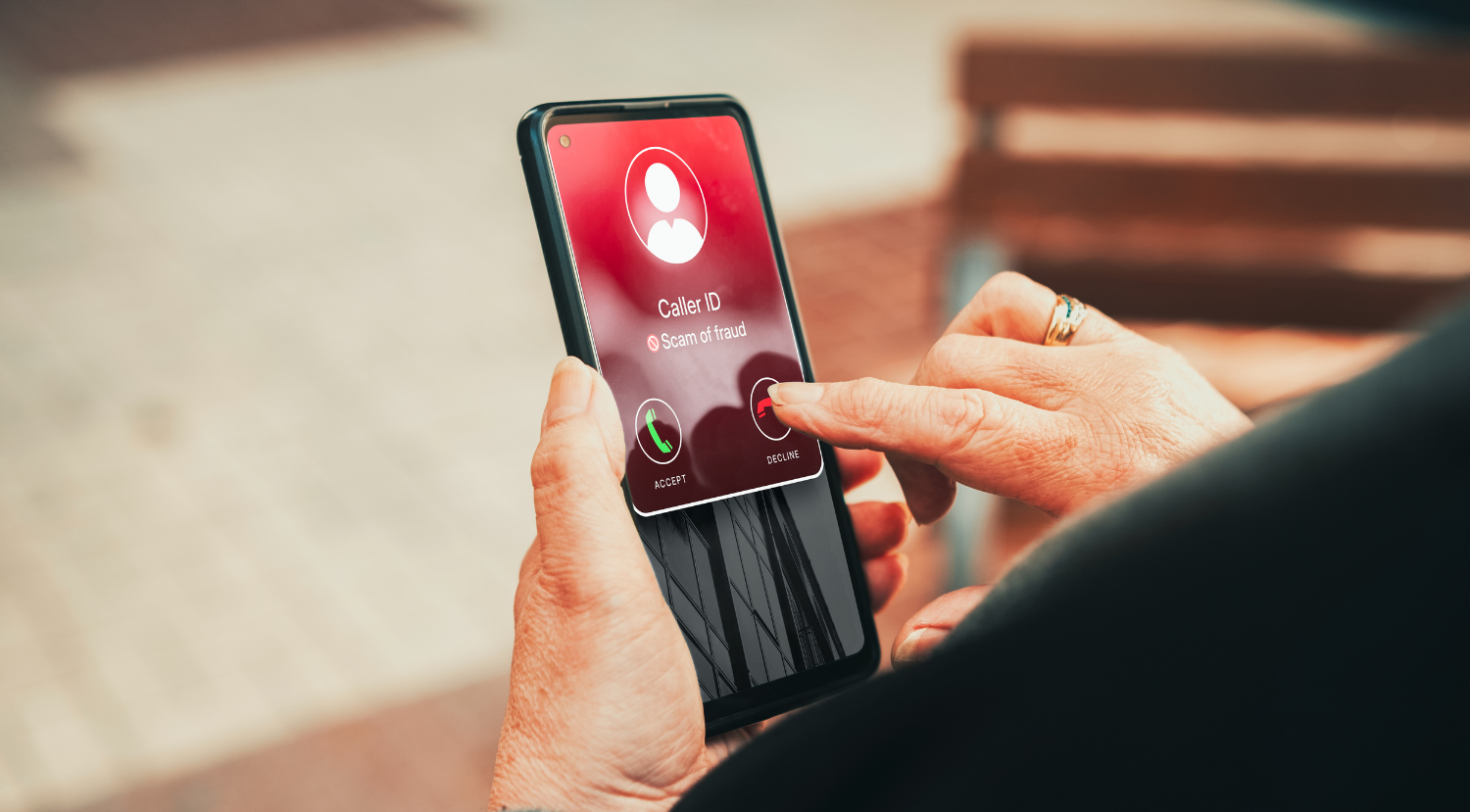
For UPI and other digital channels, the answer is a conditional yes: banks will now be required to refund a large part of your eligible small-value fraud losses, but only if you meet the strict reporting and eligibility conditions. UPI scams often involve social engineering, fake support numbers, or malicious collect requests, and the new framework explicitly recognises such “authorised but fraudulent” transactions as eligible in many cases.
However, refunds under this scheme are not automatic, and banks will assess whether the transaction falls within the RBI definition of a fraudulent electronic banking transaction, whether the customer acted promptly, and whether there was any gross negligence that disqualifies the claim. If your loss exceeds 50,000 rupees, or if you have already claimed once in your lifetime, this new mechanism will not apply, though bank-specific or existing RBI protections could still help.
What Counts As A “Fraudulent Electronic Banking Transaction”
RBI uses an expanded concept of fraudulent electronic banking transactions to capture real-world scam patterns that involve tricking customers rather than purely unauthorised hacks. It covers transactions executed by a third party using credentials obtained through deceit, phishing, or similar means, as well as transactions carried out by the customer under coercion or manipulation by a fraudster.
It also includes unauthorised transactions caused by system breaches or negligence at the bank or a third-party provider, in which case the customer’s liability may already be zero under existing rules. At the same time, RBI has clarified that customers who ignore clear fraud warnings such as alerts on UPI interfaces may be treated differently and may not qualify under the scheme if their behaviour amounts to gross negligence.
How Many Times Can You Claim Compensation
RBI’s compensation scheme is intentionally one-shot: each eligible individual customer or sole proprietor can claim compensation under this framework only once in their lifetime. This “once ever” rule is designed to deter misuse, encourage long-term cyber hygiene, and keep the overall cost manageable for the system while still providing a significant safety net for one major adverse event.
That means you should treat this as a safety cushion for an unfortunate but hopefully rare incident, not as insurance for repeated risky behaviour such as sharing OTPs or ignoring phishing red flags. After a successful claim, any future frauds will have to rely on the standard liability provisions and any goodwill gestures from your bank, not this special compensation pool.
What Are The Reporting Deadlines
Speed is central to your eligibility: customers must report the fraudulent electronic transaction both to their bank and to the National Cyber Crime Reporting Portal or helpline 1930 within five calendar days of the occurrence or discovery of the fraud. This is an expansion over earlier timelines that typically allowed three working days, recognising that customers may need a bit more time to understand what has happened in complex digital scams.
If you miss this five-day window, your case may fall outside the new scheme, although existing RBI guidelines on limited liability and bank-level discretion still apply depending on the facts. Once reported, banks have a prescribed resolution timeline of around 45 to 60 days, with longer time permitted for cross-border cases, to investigate and decide on compensation.
How Does This Sit With Existing Zero Liability Rules
RBI’s earlier circulars had already established that customers should have zero liability in cases where fraud results from bank negligence or a third-party breach, provided they notify the bank within specified timelines. Those protections continue unchanged, which means that if a security failure on the bank’s side leads to unauthorised transactions, the bank must make the customer whole irrespective of the new scheme.
The new compensation framework comes into play mainly where the transaction is not purely a bank-side error, but involves fraudsters manipulating customers or misusing credentials, and where loss amounts are within the specified band. In practice, a bank will first apply the existing zero-liability and limited-liability norms, and then, if the case still involves a net uncompensated loss within 50,000 rupees, the special RBI compensation can top up a large part of that.
Will All Banks And Wallets Have To Follow These Rules
RBI’s directions will apply to regulated entities offering electronic banking transactions, including scheduled commercial banks and certain non-bank players operating under RBI oversight. This means mainstream banks, UPI apps backed by banks, and other RBI-regulated digital payment providers will need to implement the scheme across their operations and customer segments.
However, some smaller entities or new-age fintechs operating under other frameworks might have additional or different obligations depending on licences and regulatory arrangements, so it is wise to check your provider’s specific policy. As RBI refines the framework after the initial period, it may choose to expand or recalibrate coverage based on observed fraud patterns and sector feedback.
Practical Steps To Maximise Your Chances Of Getting A Refund
To benefit from the new rule, your behaviour as a customer matters as much as the regulation itself, especially in how quickly and accurately you respond to fraud. First, you should immediately call 1930 or file a complaint on the National Cyber Crime Reporting Portal as soon as you suspect any fraudulent digital transaction, and parallelly inform your bank through its official channels.
Second, keep clear records of messages, screenshots, call logs, and transaction IDs, because banks and investigators will rely on these to establish that you were genuinely defrauded and did not collude or act with gross negligence. Finally, follow all advisory messages from your bank such as not sharing OTPs, verifying UPI collect requests, and respecting warning pop-ups, since ignoring these can weaken your case or render you ineligible.
What This Means For Everyday UPI Users
For the average UPI user in India, this scheme reduces the fear that a momentary lapse or a sophisticated scam will always result in total, permanent loss of savings, particularly for smaller-ticket frauds. Knowing that up to 85 percent of losses, subject to a cap, can be recovered once in a lifetime gives a meaningful safety net, especially for salary earners, students, and small business owners who transact frequently on mobile.
At the same time, the cap, the once-in-a-lifetime limit, and the requirement of quick reporting signal clearly that RBI wants customers to stay vigilant and not treat digital transactions casually. UPI therefore remains a highly convenient and low-cost payment system, but now with a more structured backstop for those unfortunate enough to fall prey to sophisticated online scams despite acting reasonably.
How The Rule Reflects RBI’s Evolving Approach To Digital Risk
This compensation framework marks a shift from purely liability-based rules to an explicit shared-loss model, where RBI itself participates financially to protect customers while pushing banks to strengthen risk controls. By funding a major share of the compensation and requiring banks to contribute the rest, the regulator aligns incentives for improved fraud prevention, real-time monitoring, and collaboration with law enforcement.
It also recognises the reality that the line between “authorised” and “unauthorised” transactions is increasingly blurred when customers are tricked or coerced, prompting regulators worldwide to rethink how consumer protection should work in the age of instant digital payments. RBI’s approach here blends consumer protection, systemic stability, and behavioural nudges, signalling that India’s payment ecosystem must evolve beyond pure speed and convenience to embed resilience and safety by design.
Why RBI’s Digital Fraud Rule Matters To Your Personal Finance
For years, ordinary users bore the brunt of UPI and online banking scams, often losing a month’s salary, a business’s working capital, or savings parked in a primary bank account, with very limited chances of recovery. That kind of shock can derail a budget, force you to break fixed deposits prematurely, or push you into high-cost borrowing just to manage essentials.
RBI’s fraud compensation rule is meant to soften this blow for small-ticket frauds by ensuring that in clearly defined situations, banks and the system share a part of the loss with you. As a personal finance decision-maker, this changes the risk–reward equation for using digital channels. UPI and mobile banking stay extremely convenient and low-cost, but now there is also a structured compensation mechanism in place for one major fraud event in your financial lifetime.
However, this does not mean “don’t worry, the bank will always pay you back.” The rule is tightly scoped, has caps, timelines, and one-time eligibility. If you treat it like an excuse to be careless, you could still lose large sums that nobody will restore. Your mindset should be that of a disciplined planner who welcomes this extra safety net but never depends on it as the primary line of defence.
The Core Idea: Shared Loss For Small Digital Frauds
From a personal finance perspective, the biggest conceptual shift is that RBI has moved beyond pure blame-based rules (“who is at fault?”) and created a shared-loss model. Instead of asking only “did the bank fail?” or “was the customer careless?”, the framework accepts that in many modern scams, responsibility is blurred.
A typical UPI scam might involve:
- A fraudster pretending to be a bank official or customer care
- The customer being tricked into approving a collect request
- The UPI app clearly showing warnings, but the customer ignoring them under pressure
In such a case, under old rules, the bank could claim it had no liability because technically the transaction was authorised by the customer, even if under deception. Under the new structure, however, the system recognises this as a “fraudulent electronic transaction” in many situations and allows for partial compensation under certain criteria.
This is crucial for personal finance because it acknowledges that intelligent, cautious people can still be conned once, especially when fraudsters use sophisticated psychological tricks. RBI’s stance gives you a second chance, provided you act responsibly before and after the fraud.
The Big Question: Will My Bank Refund UPI Scam Losses
The personal finance answer is nuanced. Your bank is more likely than before to refund at least a significant portion of your UPI scam loss if:
- The loss amount falls within the scheme’s defined range (for example, only up to a certain rupee limit)
- The transaction nature qualifies as a fraudulent electronic banking transaction under RBI’s definition
- You report the fraud within the specified time window
- This is your first and only claim under this scheme
- Your behaviour does not meet the threshold of “gross negligence”
In practice, this means that if you lose a relatively modest amount in a UPI scam and immediately report it through official channels, you stand a fair chance of reclaiming a large part of that loss, subject to the caps and rules. But if you lose a very large amount, delay reporting for weeks, or repeatedly ignore strong warnings, your compensation outlook drops sharply.
As someone managing your family’s financial health, this should encourage you to:
- Always treat fraud alerts seriously
- Make sure all family members know the reporting process
- Keep daily-use balances and long-term savings segregated
- Use UPI responsibly rather than casually approving every request
Understanding The Caps From A Budget Viewpoint
A key personal finance insight is that this framework primarily shields your short-term liquidity rather than your entire net worth. The rupee cap is designed so that:
- Everyday users who lose modest sums because of scams get meaningful relief
- Extreme losses still need to be addressed by risk management, not regulation
Imagine three different users:
- A salaried employee who loses 15,000 rupees in a fraud
- A small business owner who loses 45,000 rupees
- A high-net-worth individual who loses 5 lakh rupees
Under the scheme, only the first two are likely to fall within the “small digital fraud” bracket for compensation. The third case—though very painful—lies outside the intended scope and has to be managed through stronger internal controls, account structure, and maybe separate cyber covers in the future if the insurance market develops further.
For your planning, assume that:
- Small frauds can be partially cushioned by this rule
- Medium to large frauds must be prevented by design (limits, separate accounts, whitelisted payees, and so on)
- Truly catastrophic frauds are akin to major financial shocks and need proactive structuring of accounts and limits rather than reliance on post-facto compensation
Once In A Lifetime: Why This Clause Matters Financially
The “once-in-a-lifetime” nature of the compensation is a critical detail for personal finance. Consider what this means in practical terms:
- You effectively get one big “forgiveness token” from the system for a digital fraud event
- After using it, you will not be eligible to invoke the scheme again, no matter how convincing the next scam is
- The rational response is to ensure you never need to use this token, and if you ever do, to treat it as a wake-up call to overhaul your digital habits
This design has a behavioural finance angle. It nudges you to build durable habits rather than rely on repeated bailouts. You can compare it loosely to:
- A once-off loan restructuring vs repeated restructuring
- A single free withdrawal from a tax-saving instrument vs unrestrained withdrawals
You would never plan your retirement based on the assumption that the government will repeatedly waive penalties or interest. Similarly, you should not plan your digital payment behaviour assuming RBI will compensate you multiple times. Treat the “once ever” condition as strict, and plan accordingly.
Reporting Timeline: Integrate It Into Your Financial Routine
From a pure policy standpoint, the scheme usually requires you to report fraud quickly—often within a few days—to be considered eligible. From a personal finance standpoint, this means you must treat fraud detection and reporting as part of your routine money management.
Practical habits to embed this into your life:
- Check your bank and UPI app statements at least once every few days
- Switch on SMS and app alerts for all debit transactions, not just high-value ones
- Educate family members (especially elders and teenagers) about the importance of reading alerts and not ignoring suspicious debits
- Save your bank’s official helpline numbers and the national cyber helpline in your phone
- Maintain a basic “fraud action plan” note in your personal finance binder or password manager, listing steps and contact details
The objective is that if a fraudulent credit or debit happens, you or a family member should be able to respond within minutes or hours, not days. This is not just for RBI compensation but for blocking further damage and increasing recovery odds overall.
Integrating The Rule Into Your Risk-Management Strategy
Think of this compensation framework as one component in your larger personal risk-management stack. A sensible Indian household could structure its digital risk defence as follows:
- Prevention First
Focus on strong prevention, because compensation is partial and conditional. Examples:- Use separate bank accounts for day-to-day UPI and long-term savings
- Set moderate per-transaction and per-day limits on UPI and net banking
- Enable additional security layers such as device binding, app locks, and biometric access
- Avoid clicking on unknown links and sharing credentials or OTPs
- Early Detection And Containment
Build routines to catch fraud early. For example:- Daily or weekly transaction reviews
- Using “view-only” modes for older family members so they can monitor but not transact easily
- Automatic alerts for any new device or new beneficiary additions
- Response And Recovery
When fraud happens, your response strategy matters:- Immediately inform the bank and national cyber helpline
- Demand written acknowledgment of your complaint
- Cooperate with bank investigations but keep your own records
- Follow up within the specified timeline to ensure your claim is processed under the relevant scheme
- Post-Event Behavioural Change
After one incident, do a detailed post-mortem:- What exactly went wrong?
- Was it a fake link, a call, or a social engineering trick?
- Which security practices need to change?
- Do you need stricter internal rules like never approving collect requests or never transacting above a certain limit from mobile?
By seeing the RBI compensation rule as part of this layered structure, you reduce the chance that a single mistake will devastate your financial life.
Implications For Different Types Of Users
Different households will experience this rule differently. Let’s look at a few typical personal finance personas.
Salaried Professionals
If your salary is credited to a UPI-linked account you use for day-to-day expenses, a fraud that drains a few tens of thousands can derail rent, EMIs, and monthly bills. For you:
- The rule provides a buffer against losing a chunk of your salary to certain frauds
- It becomes even more important to keep a separate account for EMIs or large outflows so that a single fraud doesn’t disrupt everything
- You should view the compensation as a way to keep your monthly budget afloat while you rebuild savings
Small Business Owners And Self-Employed
Many small businesses accept payments entirely via UPI and use current or savings accounts as both business and personal accounts. A digital fraud here can wipe working capital. For you:
- Even partial compensation on a small fraud can give breathing space for operations
- However, larger frauds or repeated incidents can still cause severe disruption
- Consider using business-only accounts with stricter access, separate from personal UPI-linked accounts
- Maintain clear documentation of all payments and payouts to strengthen any future claim
Students And First-Time Workers
Students, freshers, and early-career workers often rely heavily on UPI for small ticket spending and may be more vulnerable to social media scams. For this group:
- The scheme acts as a safety net for that one big mistake many first-time users make
- At the same time, awareness and education are crucial so they don’t burn their “once-in-a-lifetime” eligibility on a preventable scam
- Parents or guardians should guide them on basic dos and don’ts of digital payments and monitor their statements initially
Elderly Users
Elderly users may be especially vulnerable to phone-based scams and fake customer support calls. For them:
- The compensation rule can offer psychological comfort that the system recognises their vulnerability
- Family members should consider restricting transaction limits, enabling view-only access, or co-managing online accounts
- Educating them to hang up on unsolicited financial calls can drastically reduce risk
How This Affects Your Emergency Fund Strategy
Emergency funds are typically designed to cover 3 to 6 months of expenses for events like job loss or medical emergencies. Digital fraud adds a new type of temporary shock—sudden unplanned depletion of your accessible bank balance.
RBI’s fraud compensation rule might tempt you to reduce your emergency fund, thinking that digital fraud is now partly insurable. This would be a mistake. Instead:
- Continue to maintain an emergency fund as before, ideally in a safe, highly liquid instrument like a simple savings account or short-term fund
- Use the compensation rule as an additional buffer, not a substitute
- Focus more on segmentation—for example, keep a portion of the emergency fund in an account that is not linked to UPI or net banking at all, or that requires branch-level access for withdrawals
This way, even if a UPI-linked account is compromised, your core emergency reserves remain safe and accessible.
Long-Term Personal Finance Planning In A High-Digital World
As India continues its fast shift to digital payments, personal finance planning must adapt. The RBI rule is part of a broader trend where regulators and banks gradually take more responsibility for customer protection, but always with conditions and shared accountability.
For your long-term financial life, this implies:
- Digital literacy is now as important as financial literacy
- Estate planning, joint accounts, and power of attorney structures should account for digital access controls
- When selecting banks or apps, security features and fraud policies should be considered alongside interest rates and rewards
- Over time, you may see new products like cyber-fraud insurance or specialised covers emerging; evaluate them using the same cost-benefit logic as you do with health or term insurance
Ultimately, the goal is to enjoy the benefits of instant, 24×7 payments without exposing your life savings to unnecessary risk.
Practical Action Plan You Can Implement This Month
To translate all this into concrete personal finance steps, here is a concise action plan you can implement over the next few weeks:
- Audit Your Digital Footprint
- List all bank accounts, UPI handles, credit and debit cards
- Identify which accounts are used for what purposes (salary, savings, investments, daily payments)
- Segregate And Limit
- Keep a separate “transaction account” for UPI and small spends
- Limit the balance maintained in this account to an amount you can afford to risk, considering the compensation cap
- Keep savings and investments in separate accounts with stricter access
- Update Security
- Change passwords and PINs
- Enable two-factor authentication wherever possible
- Ensure your phones and devices have screen locks and updated software
- Educate Household Members
- Conduct a family “digital safety session” explaining common scams
- Emphasise never sharing OTPs, never installing remote access apps on insistence of strangers, and always verifying numbers
- Document Your Fraud Response Plan
- Note down bank helplines, cyber helpline, and links in a physical notebook and in your phone
- Decide who will act first if a fraud is spotted (for example, the financially savvy person in the family)
- Monitor Regularly
- Set weekly reminders to review transactions
- Periodically check whether any unfamiliar beneficiaries or devices are registered
By doing this, you maximise the chance that if a digital fraud occurs, you not only qualify for RBI’s compensation but also minimise the damage in the first place.