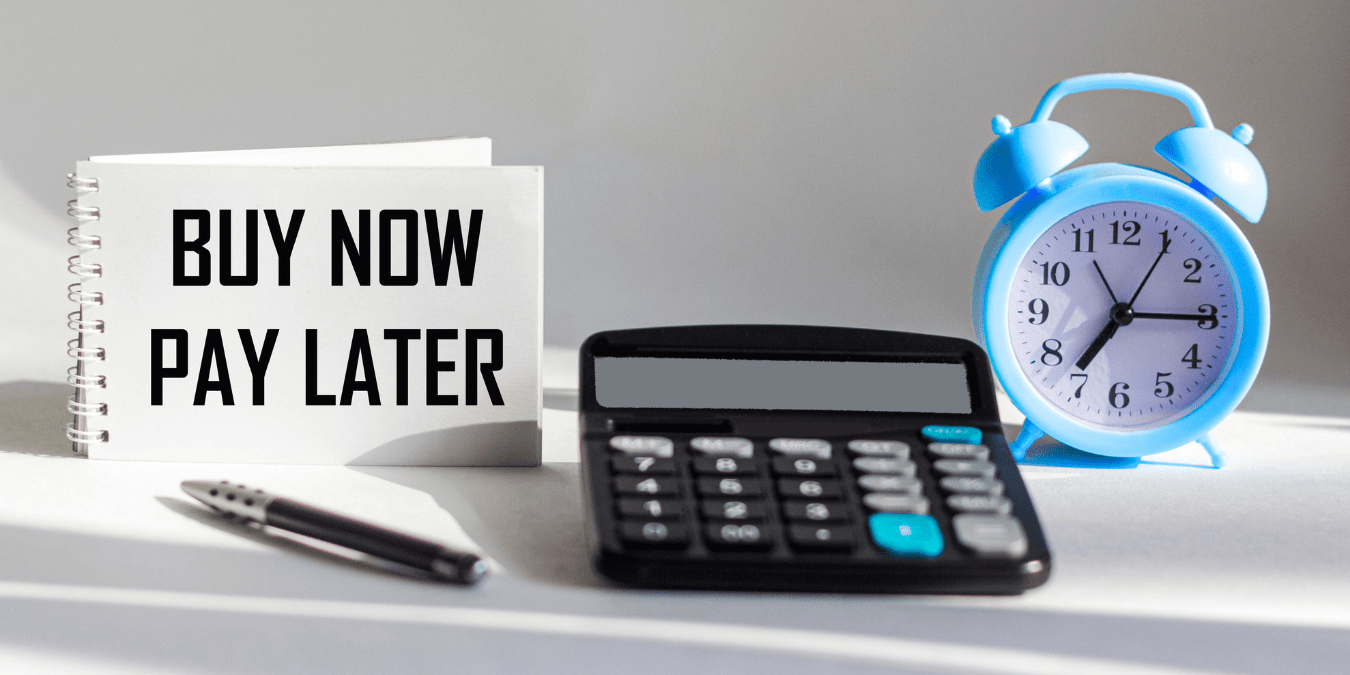
Why Indian Millennials Are Choosing Buy Now Pay Later Over High-Interest Personal Loans Explained
BNPL is exploding in India—millennials are ditching 16-31% personal loans for instant, no-cost EMIs. But is this “free money” a trap? RBI crackdowns loom, hidden fees lurk, and one wrong swipe could tank your credit. Discover why smart young Indians are pausing before they pay later… or regret forever.
Buy Now Pay Later (BNPL) is exploding across India, especially among millennials who are tired of long forms, salary slips and branch visits for small-ticket credit. But with personal loans still charging anywhere between 16–31% from many banks and NBFCs, the real question is: should you shift to BNPL as your primary borrowing tool, or treat it as a tactical convenience?
What Exactly Is BNPL in the Indian Context?
BNPL in India is typically a short-term digital credit line that lets you split purchases into interest-free EMIs or pay the full amount after 15–45 days. You see it embedded at checkout on platforms like Amazon, Flipkart, Swiggy, MakeMyTrip, or through apps like LazyPay, Paytm Postpaid, MobiKwik ZIP and others.
Unlike a traditional loan, many BNPL products don’t always show you an explicit “interest rate”; instead, they earn via merchant fees and late charges if you miss due dates. For millennials used to UPI, instant KYC and minimal documentation, this feels like “credit with one tap”.
Why BNPL Is Exploding Among Indian Millennials
Indian millennials face a structural credit gap: less than 10% of the population has a credit card, while many young professionals and gig workers remain thin-file or new-to-credit in bureau data. BNPL fills this gap with three big advantages:
- Instant approvals and low friction: Many BNPL journeys run on PAN + Aadhaar + mobile number with alternate data, not just salary slips and IT returns.
- Small-ticket, everyday use: From food delivery and fashion to gadgets and flight tickets, BNPL is designed for ₹500–₹50,000 type spends that feel too small for a full-fledged personal loan.
- Digital-first UX: Mobile dashboards, repayment reminders, gamified scorecards and seamless integration with UPI and wallets match the lifestyle of 18–35-year-old Indians.
Gen Z is actually leading adoption, holding nearly 39% of BNPL users in 2025, but millennials form the most active earning cohort using it for both lifestyle and convenience purchases.

Traditional Personal Loans at 16–31%: Still Relevant?
Personal loans from banks and NBFCs remain the backbone of unsecured credit in India, especially for larger needs like weddings, higher education, medical emergencies or debt consolidation. On aggregators, you can see:
- Prime bank loans starting from around 9–12% annually for salaried borrowers with strong profiles.
- Many NBFC and fintech loans in the 16–31% band, with some going close to 44% at the extreme, especially for new-to-credit or lower-score borrowers.
These loans provide:
- Larger ticket sizes (often up to ₹20–50 lakh) and longer tenures (up to 5–7 years).
- Fixed EMIs and clear amortization schedules, so you know upfront how long you’ll pay and how much interest you’ll bear.
- Strong regulatory oversight under RBI’s digital lending and fair practices frameworks, especially when routed through regulated banks and NBFCs.
Regulatory Reality: RBI’s Eye on BNPL
You cannot evaluate BNPL without looking at RBI’s stance. The central bank has already tightened rules around digital lending and prepaid instruments that many BNPL players used.
Key regulatory developments include:
- RBI’s 2022 clarification that non-bank entities cannot load prepaid wallets with credit lines, forcing BNPL players to align with formal lending partners and digital lending norms.
- Crackdowns on specific players where operations were seen as outside the permitted payment and settlement framework, reinforcing that unsecured digital credit must sit firmly under regulated entities.
This means: BNPL is no longer a regulatory grey zone; it is being pulled closer to the same discipline that governs personal loans and credit cards. Over time, this could reduce “wild west” practices but may also make BNPL slightly less liberal in approvals.
BNPL vs Personal Loan: A Practical Comparison for Millennials
For a millennial in urban or semi-urban India, the real decision is not philosophical but situational: which tool suits which need?
Use-cases and Cost Structure
- BNPL is ideal for short-term, small-ticket, planned purchases, especially when you’re confident of cash inflows in the next 30–90 days.
- Personal loans are better for large expenses, long tenures and situations where you need predictability of EMIs over years, not weeks.
Hidden Costs and Risks
- Many BNPL plans advertise “no-cost EMI”, but the discount is often funded by merchants while late fees can be punitive if you slip on payments.
- Personal loans show you the annual interest rate and processing fee clearly, but prepayment charges, insurance bundling and high rates (16–31%) can make them expensive if you qualify only with NBFCs or fintechs.
- Regulated BNPL lines increasingly report to credit bureaus; disciplined usage can help build a strong credit file, but repeated defaults or rollovers can damage your score just like a loan or credit card.
- Personal loans, if serviced without delay, are a time-tested way to build bureau history, which later helps in getting home loans and premium cards at better rates.
Protection and Dispute Handling
- When BNPL is offered through a regulated bank or NBFC, you get access to RBI’s grievance redress framework; however, UX-first fintechs sometimes create confusion on who is actually the lender versus the app.
- In traditional loans, documentation is usually clearer, with sanctioned letters, schedule of charges and explicit EMI structures, which helps if disputes arise.
Snapshot Table: BNPL vs Personal Loan for Indian Millennials
| Factor | BNPL (India) | Personal Loan (India) |
| Typical ticket size | ₹500–₹50,000 for e-commerce, food, travel, bills. | ₹50,000–₹20–50 lakh for big-ticket needs. |
| Tenure | 15–45 days pay-in-full, or 3–12 month EMIs in many cases. | 1–7 years depending on lender and profile. |
| Cost structure | Often marketed as interest-free, but late fees, convenience charges and embedded merchant fees apply. | Clear annual interest (often 9–31%), plus processing fees and possible prepayment penalties. |
| Eligibility | New-to-credit and thin-file customers more likely to get small lines. | Strong bureau history and stable income favoured, especially for low rates. |
| Regulation | Pulled under RBI digital lending norms, with crackdowns on non-compliant models. | Long-established RBI-regulated product with standardized documentation. |
| Ideal use-case | Lifestyle, convenience, short-term cash flow smoothing. | Large, one-time, or emergency expenses needing long-term EMI planning. |
When Millennials Should Prefer BNPL
BNPL can be a smart tool for Indian millennials if you treat it like a disciplined short-term credit instrument, not “free money”. From a practical and risk-aware standpoint, it makes sense to choose BNPL over a traditional personal loan when:
- Ticket size is small and short-term: You want to buy a ₹15,000 phone or ₹8,000 headphone and can comfortably clear it in 3 months; taking a multi-year personal loan at 16–31% simply doesn’t make economic sense here.
- You get true no-cost EMI: The merchant is clearly subsidising the interest and your only real cost is timely payment, with no hidden conversion fee or card interest in the background.
- You are building your first credit history: You are 23–30, maybe self-employed, and BNPL from a regulated lender becomes your first formal reporting credit line. If you pay on time, this can open doors to better-rate personal loans and credit cards later.
- You want flexibility, not long-term lock-in: BNPL lets you experiment with small credit without committing to five-year EMIs that reduce your future borrowing capacity.
However, you must aggressively avoid:
- Stacking multiple BNPL lines across apps beyond what your income can safely handle.
- Ignoring due dates, assuming “it is just a small amount”, because late fees and bureau impacts compound over time.
When Personal Loans Are the Better Choice
Personal loans, even at 16–31%, can be more appropriate than BNPL in several scenarios. From a risk and planning perspective, consider a personal loan instead of BNPL when:
- You have a large, non-discretionary expense: Medical emergencies, higher education fees, or debt consolidation typically need lakhs, not a few thousand rupees. BNPL isn’t designed for that scale.
- You need long, predictable EMIs: A three-year, fixed EMI loan gives stability for salaried professionals planning major life events, while BNPL cycles are too short and too frequent to offer that comfort.
- You already have multiple BNPL dues: If your monthly BNPL repayments across platforms are stressing your cash flow, a structured personal loan to consolidate and close them might actually be healthier, despite the interest cost.
- You qualify for a competitive rate: If your profile allows a 10–14% bank loan, that may be cheaper than rolling short-term credit across BNPL or costlier fintech loans.
In many real Indian households, the right move is not “BNPL versus personal loan” but “BNPL for micro cash-flow management, personal loan for big structural needs,” with a strict limit on total EMI burden.
Risk Management Playbook for Indian Millennials
To use BNPL and personal loans with E-E-A-T-aligned prudence, millennials can follow a simple framework:
- Cap your total monthly EMI + BNPL dues at 30–35% of your net take-home income; beyond this, your financial resilience drops sharply.
- Treat BNPL bills like credit card dues: set auto-debit, calendar alerts or app reminders so you never miss the actual repayment date.
- Always read lender name and key fact statement: many BNPL apps are just interfaces for a partner NBFC; knowing who actually lends helps in grievance redress and future negotiations.
- Prefer RBI-regulated entities: whether BNPL or personal loan, make sure the lender is a bank or NBFC under RBI supervision with clear digital lending disclosures.
- Use aggregators to compare personal loan rates: if you do need a bigger loan, compare offers from multiple banks and NBFCs to avoid overpaying in the 25–31% zone when you might qualify for 14–18% instead.
A simple example: If your in-hand salary is ₹60,000 and current EMIs total ₹12,000, try to keep additional BNPL and new loan dues under ₹9,000 to stay within a 35% burden; beyond that, even a small shock like delayed salary or medical emergency can push you toward defaults.
So, Should Indian Millennials Choose BNPL Over 16–31% Personal Loans?
From an Indian millennial’s perspective, BNPL is best viewed as a tactical tool for small, short-term, planned expenses, while personal loans remain the strategic instrument for large, life-defining financial decisions.
- If your spending is lifestyle-driven, ticket sizes are modest, and you are disciplined about on-time payment, BNPL (especially true no-cost EMI from regulated partners) can be smarter than locking into a high-interest personal loan at 16–31% for every small purchase.
- If you are funding big-ticket needs, carrying multiple debts, or struggling with self-control on impulsive purchases, a structured personal loan with clear EMIs and tighter underwriting is the safer option.
Ultimately, the question is less “BNPL or loan?” and more “what am I borrowing for, how long, and at what total cost and risk to my future self?” When you answer that honestly, BNPL becomes a useful ally—not a financial trap—and high-interest loans become an emergency lever, not a default habit.