UK Inflation Rate Falls to 3%: How Falling Food and Fuel Prices Are Finally Giving British Households a Break in 2026
UK inflation just dropped to 3% — but here’s what the headlines aren’t telling you. Cheaper petrol and bread sound like wins, yet millions of households are still losing ground. Is a Bank of England rate cut coming? The answer might surprise you.
For the first time in nearly a year, millions of British households woke up to genuinely good news on Wednesday morning. The UK’s annual inflation rate has dropped sharply to 3% in January 2026, down from 3.4% in December — the lowest reading since March 2025 — according to official data published by the Office for National Statistics (ONS). The twin forces behind the fall? Cheaper petrol at the forecourt and lower prices for everyday staples like bread and cereals.
It is the kind of headline that sounds dry on paper but carries very real consequences for families budgeting every week, for borrowers watching for mortgage relief, and for savers wondering how long favourable rates will last. This article breaks it all down — what has actually changed, why it happened, what it means for interest rates, and whether the cost-of-living recovery is truly under way.
What the Numbers Actually Say
The Consumer Prices Index (CPI) — the official measure used to track inflation in the UK — rose by 3.0% in the year to January 2026. That is a significant step down from the 3.4% recorded in December, and it is consistent with what most economists had forecast.
On a monthly basis, consumer prices actually fell by 0.5% between December 2025 and January 2026. That is not a statistical quirk; it reflects genuine easing across multiple spending categories that affect everyday life.
Core inflation — which strips out volatile food and energy prices to give a cleaner read on underlying pressures — also fell, dropping to 3.1% from 3.2% in December. Services inflation, closely watched by the Bank of England, edged down to 4.4% from 4.5%, though this was slightly above what policymakers had hoped for and may keep the central bank cautious heading into its March meeting.
The Petrol Factor: Real Relief at the Pump
One of the most concrete reasons inflation fell in January was the drop in fuel prices. The average price of petrol stood at 133.2p per litre in January, down from 137.1p per litre in the same month a year earlier, with petrol falling by 3.1p per litre between December 2025 and January 2026. Diesel prices also dropped, falling by 3.2p per litre compared with the previous month.
For drivers, this is tangible money back in their pockets. Fill up a 55-litre tank and you are saving roughly £1.70 compared with December — not a fortune, but real. More importantly, lower fuel costs have a multiplying effect across the economy. Transport expenses feed into the cost of delivering groceries, building materials, and logistics services, meaning fuel price drops quietly help ease prices across many other sectors over time.
Grant Fitzner, chief economist at the ONS, confirmed that inflation fell markedly in January to its lowest annual rate since March last year, driven partly by a decrease in petrol prices.




Bread, Cereals and Meat: Food Bills Finally Easing
The second major contributor to the inflation drop was food pricing. The ONS reported that food and non-alcoholic drink price inflation slowed from 4.5% in December to 3.6% last month. It also meant that prices were 0.1% cheaper in January than in December, after a drop in the cost of bread and cereals.
Bread and cereals, alongside meat, were specifically highlighted by the ONS as categories where prices moved in the right direction. For households spending £600 or more on groceries each month, a meaningful deceleration in food inflation is not just welcome — it is essential.
It is worth being clear about what this means in practice: food is not suddenly getting cheaper in absolute terms. Prices remain substantially higher than they were two or three years ago. What is changing is the rate at which they are rising, and for many staple items, that rate is now meaningfully slower. Food price growth is easing, and certain staples have edged down month-to-month.
Airfares Helped, Hotels Did Not
The ONS also credited lower airfares as a downward driver in January, with prices retreating after the seasonal surge seen during the December holiday period. December’s uptick had been attributed to seasonal factors, including higher airfares over Christmas and an increase in tobacco duty announced in the autumn budget. With that artificial spike unwinding, the January figures looked considerably healthier.
However, not everything moved in the right direction. Hotel accommodation costs rose, with accommodation inflation climbing to 1.1% for the month — partially offsetting the good news from fuel and food. Takeaway prices also nudged higher. These are reminders that the disinflation process is uneven: some categories are cooling faster than others, and the journey back to the Bank of England’s 2% target is not yet complete.
What This Means for Interest Rates
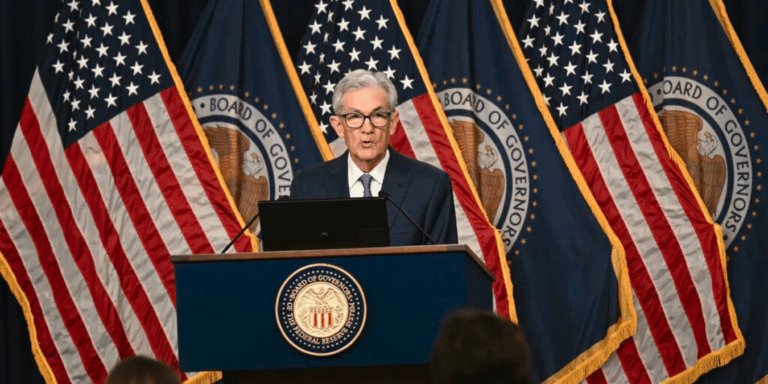
The inflation reading has immediately shifted market expectations around the Bank of England’s next move. Currently, the Bank’s base rate sits at 3.75%. Economists said the latest reading has lifted hopes that central bankers will cut interest rates next month, with expectations that a further cut could take place later this year.
Rob Wood, chief UK economist at Pantheon Macroeconomics, was unambiguous, stating that a March rate cut is “highly likely” following the inflation fall and increase in unemployment.
Yet not everyone is ready to call it a done deal. Berenberg said uncertainty remains over when the UK central bank would next lower its key rate amid underlying price pressures, adding that a rate cut at the BoE’s March 19 meeting is “not a done deal.” Their senior UK economist Andrew Wishart pointed specifically to services inflation, which at 4.4% remains stickier than the Bank of England had hoped, particularly in sectors most sensitive to labour costs.
The message from economists is broadly encouraging but measured: the direction of travel is right, but the Bank will want further evidence before moving aggressively.
What It Means for Mortgages, Savers, and Renters
For mortgage holders, the picture is increasingly hopeful. Tracker mortgage holders would likely see payments fall quickly if the Bank of England cuts rates, and variable rate borrowers could benefit if lenders pass cuts on. Fixed-rate deals may gradually become cheaper as markets price in future reductions. Mortgage pricing often moves ahead of official rate cuts, so some improved deals may already be filtering through.
If you are approaching the end of a fixed-rate deal in the coming months, it is worth speaking to a mortgage broker sooner rather than later, as lenders are already repricing their products in anticipation of rate cuts.
For savers, the calculus runs in the opposite direction. Emma Wall, chief investment strategist at Hargreaves Lansdown, offered direct advice: savers who can should lock in higher rates of interest now, as fixed term products are likely to quickly reflect the market trajectory. Easy-access rates will soften as base rate cuts materialise, so those with cash savings may want to consider locking in a competitive fixed-rate deal while they still can.
For renters, the picture is more complicated. Property rents are driven more by supply and demand than by interest rates in the short term. If mortgage costs fall for landlords renewing loans, that could ease some upward pressure over time, but it’s unlikely to mean immediate rent reductions.
The Political Dimension
Inevitably, the data has been seized upon by politicians on both sides. Chancellor Rachel Reeves welcomed the figures, saying that cutting the cost of living remains her number one priority and citing measures including £150 off energy bills, a freeze on rail fares for the first time in 30 years, and prescription fees frozen again.
Shadow Chancellor Mel Stride offered a different reading, arguing that inflation remaining above the 2% target is a result of what he called Labour’s economic choices, and that families are still feeling the pinch.
The political dispute somewhat misses the deeper point: inflation is falling, but the cost-of-living crisis was built over several years and will not be undone in a single ONS release. Prices are still rising — just more slowly. The cumulative pain of the 2022-2024 inflation surge remains baked into household budgets.
Is the Cost-of-Living Recovery Actually Here?
Alice Haine, personal finance expert at Bestinvest, put it well: easing inflation is positive news for consumers, suggesting the runaway price rises that defined the cost-of-living crisis are now firmly behind us. Falling inflation can sustain purchasing power, particularly for lower-income households that spend a greater share of income on essentials. The pain is not fully over as prices are still rising, just at a slower pace, so some households may still find it hard to maintain their living standards, especially with an ever-rising tax burden to contend with as well.
That is exactly right. The structural recovery is real but gradual. Wage growth at 4.2% is still running ahead of CPI inflation, meaning real wages are rising — a positive that was unimaginable during the peak of the inflation crisis in 2022 and 2023. But the gap between where household budgets are today and where they were before the inflationary wave is still large for many families.
Kevin Brown, savings expert at Scottish Friendly, noted that it seems the journey back towards the Bank of England’s 2% target has regained momentum. Economists broadly predict that inflation could reach the 2% target by April 2026 if current trends hold — a milestone that would represent genuine progress after years of above-target price growth.
What to Watch Next
Several risk factors could disrupt the downward path:
Energy prices remain volatile and susceptible to global supply shocks. Any escalation in geopolitical tensions — particularly in oil-producing regions — could push petrol and energy costs higher again.
Wage growth, while positive for workers, is a double-edged sword. If wage increases outpace productivity gains, businesses may pass higher costs on to consumers, keeping services inflation sticky.
Global trade dynamics, including the potential impact of US tariff policy, could introduce new inflationary pressures through import costs.
Services inflation at 4.4% remains the key number the Bank of England is watching. Until this falls meaningfully, the pace of rate cuts is likely to be cautious rather than rapid.
The Bottom Line
The fall in UK inflation to 3% in January 2026 is genuinely good news — the best reading in nearly a year, driven by real and tangible factors that ordinary people encounter every day: filling up the car, buying bread, booking travel. The data signals that December’s uptick was seasonal noise rather than a renewed inflationary trend, and it opens the door for interest rate cuts that could ease pressure on borrowers and stimulate an economy that grew by only 0.1% in the final quarter of 2025.
But the work is not done. Prices remain elevated compared to pre-crisis levels, services inflation is stubborn, and the 2% target — while closer — is not yet in hand. For households, the message is to plan thoughtfully: lock in savings rates if you can, explore your mortgage options, and recognise that while the worst is likely behind us, the recovery will be measured in months and years, not overnight.