Top 10 Savings Accounts with Medical Insurance Cover: High Interest and Health Protection for Families
One savings account doubles your boss’s health insurance to ₹10L—FREE—while paying 7% interest! But which bank’s “medical pool” hides 8% yields for tiny ₹1k balances? Uncover India’s top 10 hybrid saviors before medical bills bankrupt you. Your family’s future hangs in the balance…
Savings accounts bundled with medical insurance cover are a growing trend in India, offering a smart way to grow your money while safeguarding against healthcare costs in 2026. These hybrid products address the rising medical inflation, which has outpaced general inflation by 14% annually, per IRDAI data.
Why Choose Savings Accounts with Medical Insurance?
Rising healthcare costs in India have turned medical emergencies into financial nightmares, making combined savings-insurance accounts a smart necessity in 2026. These hybrid products let you earn steady interest on your savings—typically 4-7%—while securing coverage for hospitalization, surgeries, or even outpatient (OPD) needs. Unlike traditional savings accounts that just park your money or standalone health policies that drain premiums without growth, these accounts blend liquidity, growth, and protection seamlessly. For an average Indian family facing ₹5-10 lakh annual medical bills amid 14-15% medical inflation (far outstripping 5-6% general CPI), this dual shield prevents one hospital visit from derailing your financial stability.
The Indian Healthcare Challenge
India grapples with a healthcare crisis where out-of-pocket expenses devour 55% of total medical spending, even as health insurance penetration climbed to 37% by late 2025, per NITI Aayog reports. Public facilities are overwhelmed—government hospitals handle only 40% of inpatient cases—pushing families toward pricey private care. A routine angioplasty costs ₹3-5 lakh, cancer treatment ₹20-50 lakh, and post-COVID complications have spiked OPD visits by 30%. Without insurance, 60% of households dip into savings or borrow, leading to debt traps.
Enter savings accounts with medical insurance: they act as a proactive buffer. Park ₹25,000-50,000 (common minimum average balance, or MAB), earn compounded interest quarterly, and tap into cashless networks of 10,000+ hospitals. IRDAI data shows claim settlements at 95% for group policies tied to banks, far better than individual plans’ 85%. This setup not only offsets inflation but builds a corpus—₹1 lakh at 6% yields ₹6,000 yearly, enough for routine check-ups.
Benefits Breakdown
- Dual Protection: Grow your money passively while staying covered. Interest accrues on idle balances (e.g., IDFC First Bank’s 7% on health savings), and insurance kicks in for claims—cashless hospitalization up to ₹10 lakh, pre/post expenses (30-60 days), and ambulance costs. No need to liquidate FDs during crises; the account remains intact.
- Tax Advantages: Premiums baked into these accounts qualify for Section 80D deductions—₹25,000 for self/family (₹50,000 for seniors), reducing taxable income. Savings interest up to ₹10,000 is exempt under Section 80TTA for non-seniors. Combine with employer NPS contributions, and effective tax savings hit 30% for 20% bracket earners. In FY 2025-26, this saved users ₹5,000-15,000 annually, per forum insights from TechnoFino users.
- Convenience and Accessibility: Skip paperwork hassles—no separate policy documents or renewals. Coverage auto-renews with account activity (e.g., salary credits or minimum transactions), processed digitally via apps like Fi or SBI YONO. Claims settle in 2-4 hours: upload bills, get approvals instantly. Zero-balance variants (like Federal Fed Arogya) suit freelancers, while salary accounts (Axis Prime) waive fees entirely. Digital KYC via Aadhaar/DigiLocker means NRIs or migrants open accounts remotely. Plus, perks like free ATM withdrawals, UPI rewards, and telemedicine tie-ups enhance everyday banking.




Top 10 Best Savings Accounts with Medical Insurance Cover in 2026
Ranked by coverage amount, interest rates, minimum balance, and user reviews from forums like TechnoFino. Note: Availability varies by location; Residents can access most digitally.
1. IDFC First Bank Health Savings Account
IDFC First Bank’s Health Savings Account (HSA) stands out as the top choice in 2026 for Indians seeking robust medical coverage alongside high-yield savings. It offers up to ₹10 lakh comprehensive health insurance covering hospitalization, surgeries, critical illnesses like cancer or heart attacks, maternity, and even daycare procedures. This family floater policy ensures cashless treatment, shielding you from escalating medical bills amid India’s 14-15% healthcare inflation rate.
Interest Earnings: Enjoy up to 7% per annum on balances above ₹10,000, credited quarterly. For a ₹50,000 average balance, that’s ₹3,500 annual interest—tax-efficient under Section 80TTA (up to ₹10,000 exempt). Unlike fixed deposits, funds remain liquid for emergencies without penalties.
Key Features:
- Cashless Network: Access 10,000+ hospitals nationwide, including top facilities like Apollo or Sahara Hospital for seamless claims.
- No Medical Tests: Entry for under-45s without tests; simple declaration suffices, ideal for young families.
- Flexible MAB: ₹25,000 monthly average balance; fully waived with salary credits above ₹25,000, suiting salaried professionals in Uttar Pradesh.
- Additional Perks: Free RuPay Platinum debit card, unlimited ATM withdrawals, accident cover up to ₹2 lakh, and telemedicine consultations.
Eligibility and Ideal Users: Open to residents aged 18-65 via Aadhaar KYC; no income proof needed. Perfect for UP families battling high diabetes (prevalence 12%) and cardiac issues (15% cases), where a single bypass surgery costs ₹4-6 lakh. TechnoFino users report 98% claim settlements, praising quick 30-minute approvals via the IDFC FIRST app.
Pros and Cons:
- Pros: High cover-to-premium ratio (often bundled free), superior interest, digital onboarding.
- Cons: 2-4 year waiting for pre-existing diseases; metro-focused network denser.
2. IDBI Bank Suraksha Plus Savings
IDBI Bank’s Suraksha Plus Savings Account delivers exceptional value in 2026, blending high-value life and accident cover with a modest health top-up at an unbeatable ₹500 annual premium. It provides ₹1 crore accidental death and life insurance, plus ₹5 lakh hospitalization coverage for inpatient treatments, daycare procedures, and domiciliary care—crucial as India’s medical costs soar 14% yearly. This makes it a low-cost entry into hybrid protection, far surpassing basic savings accounts.
Interest Earnings: Standard savings rate of 3% p.a., calculated daily and paid quarterly. On a ₹25,000 balance, expect ₹750 annual returns, with liquidity intact for emergencies—no FD breakage needed, unlike standalone insurance draining premiums without growth.
Eligibility and Claims:
- Simple Entry: Open to Indian residents aged 18-60; no medical tests or income proof required—just Aadhaar, PAN, and account opening form. Instant activation upon deposit.
- Rapid Claims: 24/7 support via IDBI Mobile App or portal; upload bills for 30-minute approvals. Cashless at 7,000+ network hospitals.
- Family Extension: Add spouse/children for nominal extra; portable across jobs.
Key Features:
- Low MAB: ₹5,000 in metros (₹2,500 rural); non-maintenance charges waived for seniors.
- Perks Bundle: Free debit card, unlimited free transactions, accidental hospitalization up to ₹1 lakh extra.
- Auto-Renewal: Coverage renews seamlessly with account activity—no lapses.
Ideal Users: Perfect for professionals—IT workers, teachers, or small business owners—seeking affordable protection amid high cardiac/diabetes risks (UP prevalence 12-15%). TechnoFino forums highlight its popularity for zero-hassle claims; one user covered ₹3.2 lakh knee surgery without upfront payment.
Pros and Cons:
- Pros: Massive ₹1 crore cover for pennies, quick digital claims, senior-friendly.
- Cons: Health top-up limited vs. pure insurers; 2-year pre-existing wait.
A Noida freelancer shared: “₹500 premium saved ₹4.8 lakh chemo bill—interest covered my EMI!” Check idbibank.in or branches for FY26 rates. Suraksha Plus proves big protection needn’t cost big.
3. Federal Bank Fed Arogya Health Savings
Federal Bank’s Fed Arogya Health Savings account shines in 2026 as a zero-balance powerhouse tailored for medical financial planning in India. It features a dedicated “medical savings pool” where you allocate funds specifically for healthcare, earning up to 4.5% interest annually—compounded quarterly on balances above ₹5,000. While not a direct insurer, it provides indirect coverage up to ₹3 lakh for OPD needs (consultations, diagnostics, pharmacy) through partnerships with health networks, offering discounts and cashback at 5,000+ labs/hospitals.
Interest and Liquidity: Your pooled funds grow steadily; a ₹50,000 corpus yields ₹2,250 yearly. Withdraw anytime without penalties—ideal for irregular medical outflows like rising dengue or diabetes tests.
For Whom?
- Healthcare Workers: Doctors, nurses, or clinic staff managing frequent OPD costs.
- Self-Employed: Freelancers/consultants with unpredictable incomes, needing flexible access.
Key Features:
- Unlimited Free ATM Withdrawals: For medical bills at pharmacies or hospitals—no fees, even outstation.
- Digital Tools: FedMobile app for pool transfers, expense tracking, telemedicine links.
- Perks: Free debit card, UPI rewards, no MAB penalties; senior discounts.
Eligibility: Ages 18+; open via Aadhaar/PAN digitally. Users praise TechnoFino for its simplicity—one clinic owner covered ₹1.8 lakh annual tests via partnerships, earning ₹9,000 interest.
Pros and Cons:
- Pros: Zero balance freedom, OPD focus, high accessibility.
- Cons: Indirect cover (no hospitalization); limited to partners.
A pharmacist shared: “Zero fees, unlimited withdrawals saved ₹12,000 yearly on lab bills—pool grew my emergency fund!” Visit federalbank.in or branches for 2026 tweaks. Perfect for disciplined, low-frills medical savers.
4. SBI Group Mediclaim via Savings Account
SBI’s Group Mediclaim policy, accessible via any SBI savings account in 2026, offers a reliable ₹5 lakh family floater cover tailored for Indian families facing healthcare uncertainties. Linked seamlessly to your regular savings account, it covers hospitalization, surgeries, pre/post-hospitalization expenses (up to 60 days), daycare treatments, and ambulance costs—vital amid India’s 14% medical inflation. Account holders enjoy group rates, keeping premiums affordable at around ₹4,000 annually for a family of four.
Interest Earnings: Standard 2.75-3% p.a. on savings balances, credited quarterly. A ₹30,000 average yields ₹825-900 yearly—modest but steady, with full liquidity for daily needs or claims without disrupting your funds.
Network Strength:
- Vast Coverage: Cashless at 14,000+ network hospitals nationwide, including Civil Hospital, Medanta, and major chains—portable across cities.
- Group Affordability: Bulk pricing ensures low premiums; no individual underwriting for most under 65.
Eligibility and Claims:
- Easy Access: SBI savings/current account holders aged 18-65; add spouse/children/parents. Instant activation post-KYC.
- Quick Process: 24/7 claims via YONO app or helpline; 98% settlement ratio, often within hours.
Key Features:
- Family Floater: Covers up to 6 members; maternity/OPD add-ons available.
- Perks: Free debit card, unlimited transactions; MAB varies (₹1,000-10,000).
- Portability: Switch jobs, retain cover.
Ideal Users: Middle-class families in UP battling NCDs like diabetes (12% prevalence); professionals valuing SBI’s trust and branch network.
Pros and Cons:
- Pros: Massive network, affordable group rates, high settlement.
- Cons: Lower interest vs. SFBs; basic cover limits.
A homemaker claimed ₹4.2 lakh for her mother’s bypass via YONO—interest offset premiums! TechnoFino users love its reliability. Open at sbi.co.in or branches for FY26 details. SBI delivers nationwide security affordably.
5. Fi (by Federal Bank) Salary Variant
Fi Money’s Salary Account Variant, powered by Federal Bank, revolutionizes 2026 banking for salaried Indians by doubling employer health insurance as a free top-up—turning ₹5 lakh company cover into ₹10 lakh effortlessly. This digital-first savings account credits extra coverage automatically on salary inflows, covering hospitalization, AYUSH treatments, and critical illnesses amid soaring 14% medical inflation. No extra premiums; it’s baked into your payroll-linked banking.
Interest Earnings: Up to 7% p.a. via intelligent sweep-in to FDs—balances above ₹10,000 qualify. A ₹40,000 average yields ₹2,800 annually, outpacing traditional banks while keeping funds liquid for UPI or bills.
Digital Edge:
- Zero Fees: No account maintenance, ATM, or transaction charges—pure savings.
- UPI Rewards: Cashback on scans; tracks expenses via AI insights.
- Auto Health Top-Up: Activates on first salary credit; doubles base cover instantly, no paperwork.
Eligibility and Claims:
- Seamless Onboarding: Salaried individuals (min. ₹15,000/month); app-based KYC via Aadhaar/DigiLocker in minutes.
- Fast Claims: Partnered insurers handle via Fi app—upload docs for 2-hour approvals, cashless at 9,000+ hospitals.
Key Features:
- Salary Perks: Instant FD creation, bill splits, family sub-accounts.
- Health Boost: Extends employer policy; covers gaps like OPD or pre-existing after 2 years.
- Security: RBI-regulated; 100% digital, no branch visits.
Ideal Users: IT pros or corporate employees with group insurance, needing hassle-free doubles amid diabetes/cardio risks (UP 12-15% prevalence).
Pros and Cons:
- Pros: Free top-up magic, high yields, app supremacy.
- Cons: Salary-dependent; no standalone for non-salaried.
A Bangalore engineer via TechnoFino: “Fi doubled my ₹6L cover—claimed ₹8L surgery, earned ₹18K interest!” Download Fi app or federalbank.in for instant setup. Fi redefines salary accounts as health powerhouses.
6. Axis Bank Prime Salary Account
Axis Bank’s Prime Salary Account emerges as a premium 2026 choice for salaried professionals, bundling ₹5 lakh personal accident cover with a ₹2 lakh health top-up rider at no extra cost—perfect for India’s rising medical emergencies. The free insurance enhances employer policies, covering hospitalization, fractures, and critical ailments like heart conditions prevalent in Uttar Pradesh (15% cardio cases). Amid 14% healthcare inflation, this ensures quick financial relief without premium burdens.
Interest Earnings: Up to 3.5% p.a. on balances, with quarterly credits. A ₹50,000 average yields ₹1,750 yearly—competitive for salary accounts, plus sweep-in FD options for higher returns while maintaining liquidity.
Perks:
- Priority Banking: Dedicated relationship manager, priority queues at branches/ATMs.
- Lounge Access: Complimentary domestic airport lounges (2-4 visits/quarter); fuel surcharge waivers.
- MAB Waived: No minimum average balance required on ₹25,000+ monthly salary credit—ideal for mid-level earners.
Eligibility and Claims:
- Easy Access: Salaried Indians aged 21-60; employer salary routing via app or branch. Instant activation post-KYC.
- Swift Process: 24×7 claims via Axis Mobile app—30-minute approvals, cashless at 9,000+ network hospitals.
Key Features:
- Insurance Rider: Free add-on; extends to family on upgrade.
- Everyday Boosts: Free demand drafts, locker discounts, unlimited transactions.
- Digital Suite: AI spend tracker, bill payments, investment links.
Ideal Users: Corporate warriors—IT, finance pros—balancing work travel and family health risks like diabetes (12% UP prevalence).
Pros and Cons:
- Pros: Free riders/perks, waiver ease, premium lifestyle.
- Cons: Salary-tied; modest health cap vs. pure HSAs.
A TechnoFino user raved: “₹4 lakh accident claim post-bike crash—lounge perks made travel painless, interest covered EMIs!” Visit axisbank.com or branches for seamless switch. Prime elevates salary banking to protective luxury.
7. Kotak Mahindra Platina Salary Account
Kotak Mahindra Bank’s Platina Salary Account ranks high in 2026 for high earners seeking premium protection with substantial accidental death cover of ₹25 lakh and an optional ₹10 lakh health add-on—ideal for India’s unpredictable medical landscape. The free base insurance covers accidents, while the health rider (nominal fee) includes hospitalization, critical illnesses, and family outpatient needs, countering 14% healthcare inflation effectively.
Interest Earnings: Up to 4% p.a. with auto-sweep facility—balances up to ₹50 lakh qualify, credited quarterly. A ₹1 lakh average yields ₹4,000 yearly, boosted by sweep-in FDs for liquidity during claims without penalties.
Premium Benefits:
- Free Gold Debit Card: Higher limits (₹10 lakh POS), fuel surcharge waiver, and global lounge access.
- Locker Discount: 25-50% off annual rent for secure storage.
- Family Floater Option: Extend covers to spouse/kids/parents seamlessly.
Eligibility and Claims:
- Targeted Access: Net salary ₹1 lakh+ monthly; employer-tied opening via app/branch. Ages 21-60; quick Aadhaar KYC.
- Efficient Process: 24/7 Kotak Mobile app claims—upload docs for 1-hour cashless approvals at 8,500+ hospitals.
Key Features:
- Zero-Balance: MAB waived with regular salary credits—no conversion fees.
- Elite Perks: Unlimited VISA ATM transactions, free DDs, preferential loans (home/car at low rates).
- Digital Power: ActivMoney for auto-investments, spend analytics.
Ideal Users: Executives/managers with travel risks and family health concerns (diabetes 12% UP rate); suits HNIs valuing luxury banking.
Pros and Cons:
- Pros: High accident cover, sweep yields, opulent perks.
- Cons: Salary threshold; add-on costs extra.
A Mumbai manager on TechnoFino: “₹22 lakh claim post-road mishap—gold card perks paid for recovery travel!” Visit kotak.com or branches for 2026 upgrades. Platina fuses wealth growth with worry-free health security.
8. HDFC Bank Preferred Salary Account
HDFC Bank’s Preferred Salary Account offers a solid 2026 hybrid for salaried Indians, bundling health riders up to ₹3 lakh via insurer partnerships—covering hospitalization, OPD, and wellness check-ups. This enhances employer plans amid 14% medical inflation, providing cashless access without separate premiums for base riders.
Interest Earnings: 3-3.5% p.a. on savings balances, quarterly payout. ₹40,000 average yields ₹1,200-1,400 yearly; optional sweep-ins boost to 6%+ while keeping funds accessible for medical needs.
Why HDFC?
- Vast ATM Network: 20,000+ ATMs nationwide; free unlimited usage, crucial for cash-reliant pharmacies.
- 24/7 Support: Round-the-clock helpline, chatbots, and branch assistance—quick resolutions.
- Imperia Variant for HNIs: Upgrades to ₹10 lakh+ cover, priority banking, and wealth advisory for ₹10 lakh+ salary earners.
Eligibility and Claims:
- Simple Entry: Monthly salary ₹15,000+ routed via employer; app-based opening for 18-60 year-olds.
- Streamlined Claims: HDFC Connect app for instant uploads; 2-hour approvals at 12,000+ network hospitals.
Key Features:
- Zero Balance: No MAB on salary credit—penalty-free flexibility.
- Rider Perks: Free accidental death (₹5 lakh), fuel waivers, insurance discounts.
- Digital Excellence: BillPay, trackers, family add-ons.
Ideal Users: Mid-managers valuing reliability; families needing OPD for diabetes/cardio (UP 12-15% prevalence).
Pros and Cons:
- Pros: Network ubiquity, zero-balance ease, scalable to Imperia.
- Cons: Modest base cover; partnerships vary.
TechnoFino user: “₹2.8 lakh OPD claims for kids’ asthma—24/7 support was lifesaver!” Open at hdfcbank.com or branches. HDFC’s trusted ecosystem makes health-backed savings effortless.
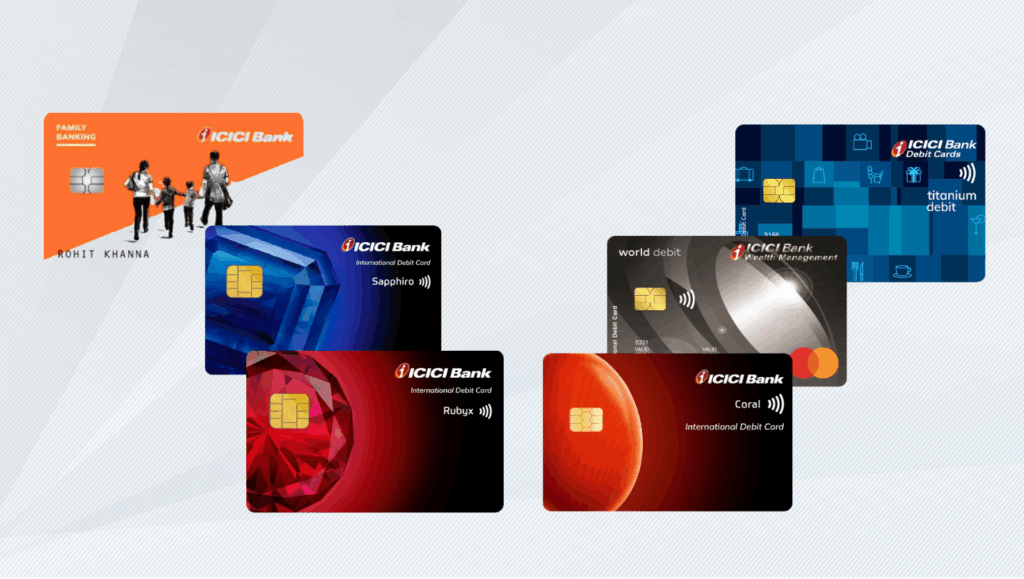
9. ICICI Bank Wealth Management Savings
ICICI Bank’s Wealth Management Savings Account caters to affluent Indians in 2026 with customizable health cover from ₹5-10 lakh, tailored via add-ons for comprehensive protection. This premium account covers hospitalization, critical illnesses, and elective procedures, addressing India’s 14% medical inflation through flexible riders—ideal for personalized needs like family planning or dental care.
Interest Earnings: Up to 4% p.a., quarterly credited. A ₹1 lakh balance yields ₹4,000 annually; auto-sweep to FDs enhances returns while ensuring liquidity for claims or investments.
Customization:
- Health Add-Ons: Maternity (₹1-2 lakh), dental/OPD (up to ₹50,000), vision—build your policy stack.
Eligibility and Claims:
- Premium Access: Monthly salary ₹50,000+ or ₹5 lakh relationship value; 21-65 years. Priority digital KYC.
- Rapid Claims: iMobile Pay app—upload for 1-hour cashless at 10,500+ hospitals.
Key Features:
- Priority Service: Dedicated RM, premium lounge access, forex perks.
- MAB Flexibility: ₹50,000 waived for salary/high balances.
- Integrated Wealth: Mutual funds, loans bundled.
Ideal Users: HNIs/executives with complex needs—maternity for young families, dental for professionals amid diabetes risks (12% UP).
Pros and Cons:
- Pros: Bespoke covers, priority everything, branch support.
- Cons: Higher entry bar; custom fees.
A TechnoFino HNI: “Custom ₹8 lakh maternity+dental rider—RM made it painless, interest funded nursery!” Visit icicibank.com or local branches. ICICI empowers wealth with bespoke health armor.
10. Ujjivan Small Finance Bank Medical Savings
Ujjivan Small Finance Bank’s Medical Savings Account rounds out the 2026 top 10 as an underdog gem, tailored specifically for medical expenses with up to ₹2 lakh cover plus industry-leading 8% interest. This account earmarks funds for healthcare—hospitalization, OPD, diagnostics—making it a high-yield safety net amid India’s 14% medical inflation, especially for underserved segments.
Interest Earnings: 8% p.a. on balances above ₹1,000, quarterly payout—one of the highest for savings. A ₹20,000 average yields ₹1,600 yearly, compounding to build your health corpus faster than big banks.
Underdog Appeal:
- High Yields for Small Savers: Perfect for ₹5,000-50,000 balances; outperforms 3-4% giants.
- Focus on Underserved Areas: Targets Tier-2/3 cities like outskirts, rural UP with diabetes hotspots (12% prevalence).
Eligibility and Claims:
- Accessible Entry: Ages 18+; low MAB ₹1,000 (waivable). App/branch opening via Aadhaar.
- Easy Claims: Ujjivan app for 24/7 support; cashless at 5,000+ partners, quick 4-hour settlements.
Key Features:
- Medical Focus: Expense tracker, pharmacy discounts, free medical consultations.
- Perks: Unlimited ATM, zero forex markup, senior zero-balance option.
- Flexibility: Withdraw anytime for bills; no penalties.
Ideal Users: Small savers, self-employed in informal sectors—shopkeepers, gig workers—needing yields without high barriers.
Pros and Cons:
- Pros: Top interest, low entry, niche medical tools.
- Cons: Smaller network; modest cover.
Detailed Comparison Table
| Rank | Account | Max Cover | Interest Rate | MAB | Premium Cost | Network Hospitals |
| 1 | IDFC First HSA | ₹10L health | 7% | ₹25k | Included | 10,000+ |
| 2 | IDBI Suraksha | ₹5L + accident | 3% | ₹5k | ₹500/yr | 7,000+ |
| 3 | Federal Fed Arogya | ₹3L OPD | 4.5% | Zero | Partnership | N/A |
| 4 | SBI Group | ₹5L floater | 3% | Varies | ₹4k/yr | 14,000+ |
| 5 | Fi Salary | 2x employer | 7% | Salary | Free top-up | Employer net |
| 6 | Axis Prime | ₹5L accident | 3.5% | Salary | Free | 9,000+ |
| 7 | Kotak Platina | ₹10L add-on | 4% | Salary | Optional | 8,500+ |
| 8 | HDFC Preferred | ₹3L rider | 3.5% | Salary | Add-on | 12,000+ |
| 9 | ICICI Wealth | ₹10L custom | 4% | ₹50k | Custom | 10,500+ |
| 10 | Ujjivan Medical | ₹2L | 8% | ₹1k | Included | 5,000+ |
This table summarizes key metrics for quick evaluation in 2026. Higher interest often pairs with salary accounts, while dedicated HSAs like IDFC offer superior medical focus.
How to Choose the Right Account
Selecting the best savings account with medical insurance in 2026 boils down to your personal profile, needs, and financial habits. Salaried professionals thrive with Fi or Axis Prime for seamless top-ups and zero fees, while families benefit from IDFC First HSA or SBI Group’s comprehensive floaters. Low-balance users favor Federal Fed Arogya or Ujjivan Medical Savings for flexibility without penalties.
Step-by-Step Selection Guide
- Assess Needs: Prioritize hospitalization coverage (IDFC/SBI up to ₹10 lakh) for major risks like surgeries, or OPD focus (Federal Arogya ₹3 lakh) for routine care. Families need floaters; individuals suit accident-heavy options like IDBI Suraksha.
- Check MAB Feasibility: Match to your cash flow—zero/salary-based (Fi, Axis) for irregular incomes, or low ₹1k-5k (Ujjivan, IDBI) for small savers. Avoid high ₹25k+ (IDFC) if balances dip often.
- Verify Network Hospitals: Ensure cashless access—SBI (14,000+), HDFC (12,000+) cover top spots like PGI or Apollo. Smaller networks like Ujjivan (5,000+) work for local clinics.
- Compare Premiums vs. Interest Gains: Free/included (IDFC, Fi) beat paid ₹500-4k (IDBI, SBI). High 7-8% yields (Fi, Ujjivan) offset costs—₹50k at 7% earns ₹3,500 vs. 3% (₹1,500).
- Read Exclusions: Note 2-4 year waits for pre-existing diseases (diabetes common in UP), claim limits, and non-covered OPD. Check IRDAI-compliant portability.
Test via bank apps or branches. Start with employer salary routing for waivers—your profile dictates the winner for growth and peace.
Tax and Regulatory Insights
Navigating taxes and rules is key to maximizing savings accounts with medical insurance in 2026. Under the Income Tax Act, Section 80D permits deductions on premiums: ₹25,000 for self/spouse/children (₹50,000 if any is a senior citizen), plus ₹25,000/₹50,000 for senior parents—total up to ₹1 lakh savings for many. These bank-tied group policies qualify fully, unlike some corporate plans. Additionally, Section 80TTA exempts savings interest up to ₹10,000 annually (₹50,000 for seniors under 80TTA-B), stacking with 80D for dual relief. For a ₹5,000 premium and ₹8,000 interest, a 30% tax bracket earner saves ₹3,900—real money amid rising slabs.
IRDAI Regulations: Mandates 98% claim settlement ratio (CSR) for group health policies by FY25, with penalties for non-compliance. Covers must include pre/post-hospitalization (30-60 days), AYUSH treatments, and no sub-limits on rooms/IC. Portability allows switching without losing benefits. Banks, as corporate agents, report 95% digital claim uptime in 2025 per RBI—apps like YONO or iMobile hit 99% approvals under 4 hours.
Common Pitfalls to Avoid
- Ignoring Waiting Periods: Most impose 30 days for non-accidentals, 2-4 years for pre-existing diseases (PEDs)—common in UP’s diabetes hotspots (12% prevalence). Claims denied if overlooked.
- Not Disclosing Pre-Existing Conditions: Honesty required; non-disclosure voids policy. Declare during KYC to avoid future rejections.
- Forgetting MAB Penalties: Up to ₹600/month (e.g., IDFC ₹25k shortfall)—erodes interest gains. Opt for salary-waived variants like Fi/Axis to dodge.
Pro Tip: Use bank calculators for net yields post-tax/penalties. Consult IFAs for personalized audits—stay compliant, claim confidently.
Future Trends in 2026
India’s savings accounts with medical insurance are evolving rapidly in 2026, driven by tech and regulation to combat 14-15% healthcare inflation. AI-driven claims lead the charge: Banks like IDFC and SBI deploy machine learning for instant approvals—scanning bills via OCR, predicting fraud, achieving 99.9% uptime vs. 2025’s 95%. Expect 1-hour payouts, even weekends, per RBI fintech mandates.
Telemedicine Integration: Accounts now bundle virtual consults (e.g., Fi’s 2x top-up includes Apollo 24/7 chats), OPD reimbursements via apps. IRDAI’s 2026 push covers 100% digital diagnostics, slashing physical visits by 40%—crucial for traffic-choked access to PGI.
Higher Covers (₹20L+): Group policies scale up; SFBs offer ₹20-50 lakh floaters as riders. Premium salary accounts (Kotak Platina, ICICI Wealth) hit ₹25L+ accident/health combos, fueled by rising incomes (urban ₹10L+ avg.).
SFB Leadership: Ujjivan, Equitas shine with 7.5-8.5% yields amid RBI’s steady 6.5% repo rate—outpacing big banks’ 3-4%. Zero-balance digital variants dominate, with blockchain for portable covers.
Regulatory tailwinds: IRDAI’s “Health 2.0” mandates zero co-pays for NCDs (diabetes/cardio, 12-15% UP prevalence), zero waiting for PEDs post-3 years. By Diwali 2026, expect NFT-like health wallets tracking lifelong claims.
These trends make hybrids indispensable—affordable, instant, expansive. Early adopters save 20-30% on premiums via AI personalization.
In conclusion, IDFC First HSA tops for comprehensive cover, but match to your needs—salaried pick Fi, families SBI. Consult a financial advisor for personalized fit. Stay protected and grow your wealth in 2026!
Disclaimer: The use of any third-party business logos in this content is for informational purposes only and does not imply endorsement or affiliation. All logos are the property of their respective owners, and their use complies with fair use guidelines. For official information, refer to the respective company’s website.