The $5,000 Welcome Bill: Why the US Border Just Became a Lifetime Debt Trap for Indians in 2025
Think the $5,000 fee for illegal US entry is just a fine? Think again. A hidden clause turns it into a lifetime debt trap, barring you from legal visas forever. Plus, the daily fine that could cost you ₹29 Lakhs in a month. The “Donkey” route just became a financial suicide mission.
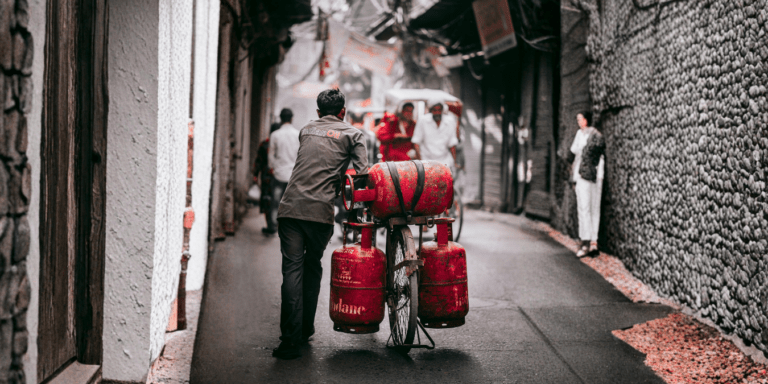
Selling your ancestral land in Punjab or Gujarat, paying an agent ₹80 lakhs, and enduring a three-month journey through the jungles of Panama, only to reach the American border and be handed not a green card, but an invoice.
You might have heard the breaking news this week: The United States has begun charging a $5,000 (approx. ₹4.2 Lakhs) “apprehension fee” to migrants caught entering illegally. But if you think this is just a fine you can ignore if you get deported, you are missing the most terrifying clause in the fine print—a hidden mechanism that transforms a failed border crossing from a temporary setback into a permanent financial and legal ghost that will haunt you for decades.
This isn’t just about stopping the “Donkey” flights. It’s about a new, silent wall being built—not of steel, but of debt. Here is the untold story of the Trump administration’s latest move in December 2025 and what it means for the Indian dream.
The Headline: The $5,000 “Ticket” No One Wants
As of December 4, 2025, the Department of Homeland Security (DHS) officially operationalized a provision from the “One Big Beautiful Bill Act” (H.R. 1), imposing a mandatory $5,000 apprehension fee on any migrant aged 14 or older caught entering the US without inspection.
For the average Indian family, this figure is shocking but arguably manageable compared to the ₹50-80 lakhs paid to smugglers. However, the policy isn’t designed to bankrupt you immediately—it’s designed to blacklist you eternally.
Unlike a traffic ticket, this fee isn’t optional. It is levied at the moment of processing. If you cannot pay it immediately (which most migrants can’t), it doesn’t vanish. It is recorded as a federal debt owed to the United States government.
The Hidden Trap:
Under US law, having an outstanding debt to the federal government is a primary ground for denying any future visa or immigration benefit. That means if you try to enter legally 10 years later—perhaps as a tourist, an H-1B worker, or the spouse of a US citizen—your application will be automatically flagged and rejected until the debt (plus interest) is paid. You aren’t just deported; you are financially excommunicated.




The “Daily Fine” Nightmare You Missed
While the media focused on the $5,000 headline, a far more dangerous financial weapon has been deployed since September 2025: the $1,000 Daily Fine.
Reports confirm that the administration has dusted off and aggressively enforced an obscure legal provision to charge undocumented immigrants up to $1,000 for every day they remain in the US after being ordered to leave.
Do the Math:
- You enter illegally in January 2026.
- You are apprehended and ordered removed, but you stay (hoping to appeal or disappear into the gig economy).
- You stay for just 30 days.
- The Bill: $5,000 (Apprehension) + $30,000 (30 days x $1,000) = $35,000 (₹29.5 Lakhs).
This is the “Self-Deportation” strategy on steroids. The goal is to make staying illegal so financially ruinous that migrants “choose” to leave. By late 2025, the government had already issued millions of dollars in such fines, threatening property seizure for non-payment.
The “Donkey” Route: A ₹1 Crore Gamble?
For decades, the “Donkey” or “Dunki” route—taking flights to Dubai, then Nicaragua or El Salvador, and moving north—was seen as a high-risk, high-reward gamble. In 2025, the math has fundamentally broken.
The Old Calculation (Pre-2025):
- Cost: ₹60-70 Lakhs to Agent.
- Risk: Deportation (Loss of money, but you can try again or live in India).
The New Calculation (Late 2025):
- Cost: ₹80 Lakhs to Agent (rates hiked due to tighter borders).
- US Fine: ₹4.2 Lakhs ($5,000) minimum debt.
- Legal Fees: The new law charges $100 to apply for asylum and another $100 every year your case is pending.
- Result: If caught, you return to Punjab or Haryana not just broke, but with a federal debt that ensures you can never enter the US legally again.
The impact is already visible. US Customs and Border Protection (CBP) data from late 2025 shows a 62% drop in illegal Indian entries compared to the previous year. The visuals of Indian deportees landing in Amritsar, handcuffed and head-bowed, sent a shockwave through the villages that traditionally fuel this migration.
The “Pay-to-Plead” System
Perhaps the most cynical “little-known aspect” of the new policy is the monetization of humanitarian aid.
Previously, applying for asylum was free—a recognition that those fleeing persecution often have nothing. The “One Big Beautiful Bill Act” changes this.
- Asylum Application: $100 (non-waivable).
- Pending Case Fee: $100/year.
- Work Permit Application: $550 (initial).
For an Indian migrant who has sold their land to pay an agent, these fees might seem small. But they signal a massive shift: Justice is now a paid service. If you can’t pay the $100, your asylum claim isn’t even heard. You are processed for immediate removal, owing the $5,000 fee on your way out.
Why This Intrigues the Indian Audience Now?
- The End of the “Easy” Backdoor:
For years, agents in Jalandhar and Mehsana sold the lie: “Just get across the border, they will release you with a court date, and you can work for 5 years.”
That lie is dead. With the “One Big Beautiful Bill,” the “catch and release” policy has been replaced by “catch and bill.” - The “H-1B” Blowback:
Even legal immigrants should be worried. The aggressive enforcement of strict visa debts creates a climate where any administrative error—a missed fee, a late filing—could be weaponized. If the government can bill a refugee $5,000, they can certainly tighten the screws on H-1B extensions. - The Stigma of the “Debt List”:
In Indian culture, financial debt is a matter of honor. The US government effectively creating a “global defaulter list” for migrants adds a layer of shame that agents never mention.
Actionable Takeaways for 2025
- Stop the Agent: If an agent tells you, “Don’t worry, Biden/Trump policies change, but the border is open,” show them this news. The $5,000 fee is statutory—it’s the law, not just a policy.
- Verify the “Work Visa”: Many agents now sell fake “sponsored” visas to bypass the donkey route. If you are asked to pay a “processing fee” to a personal account, it’s a scam. Genuine US visa fees are paid directly to government portals.
- The “Debt” Check: If you have a relative who was deported in 2025, check if they were issued this fine. Ignoring it could bar them from applying for a legitimate tourist visa for their children’s graduation years down the line.
Final Thought : The “Biometric Bar”
If you think a $5,000 fee is the end, you aren’t looking closely at the tech. DHS is already piloting facial recognition integration with global banking systems.
Rumors in Washington suggest the next phase (slated for 2026) isn’t just a “debt” on paper. It’s a “Biometric Financial Bar”—where unpaid US immigration fines could automatically trigger flags in your home country’s passport renewal system or even freeze international travel funds.
The wall is no longer physical. It’s digital, financial, and it’s coming for your bank account. Stay informed, stay legal, and don’t let a ₹80 lakh gamble cost you your future.