PM Kisan Samman Nidhi: A Lifeline for India's Farmers in 2026
PM Kisan’s ₹63,500 Cr Allocation—Hiked or Static? Discover how this lifeline cash shields 10 Cr farmers from debt traps amid soaring costs. Jaw-dropping exclusions, secret boosts, and what’s NEXT for your installment? Don’t miss this game-changer!
PM Kisan Samman Nidhi has transformed rural India by delivering direct financial aid to millions of small farmers. Launched in 2019, this scheme provides ₹6,000 annually in three ₹2,000 installments straight to bank accounts.
Scheme Origins
The Pradhan Mantri Kisan Samman Nidhi (PM-KISAN) began on December 1, 2018, announced in the 2019 Interim Union Budget by Piyush Goyal and launched by Prime Minister Narendra Modi. Inspired by Telangana’s Rythu Bandhu, it targets small and marginal landholding farmers nationwide, excluding high-income groups like pensioners and tax filers.
From an Indian viewpoint, this marked a shift from loan waivers to steady income support. It eases cash flow for inputs like seeds and fertilizers, vital amid rising costs and erratic monsoons.
Key Features
Eligible farmer families receive ₹6,000 yearly via Direct Benefit Transfer (DBT), with Aadhaar-seeded accounts mandatory. Installments arrive every four months, credited during major events by the Prime Minister.
eKYC is now compulsory—OTP-based online or biometric at CSCs—to verify identities and prevent fraud. By February 2026, over ₹3.70 lakh crore has reached 11 crore families through 21 installments.
Who Qualifies?
Landowning farmers qualify, regardless of holding size, if listed in records (cut-off February 1, 2019). Exclusions cover institutional landholders, high-income professionals, and families with members drawing pensions over ₹10,000 monthly.
In practice, smallholders in states like Uttar Pradesh (over 2.25 crore beneficiaries) and Maharashtra dominate lists. Tenants often miss out, sparking debates on inclusivity.
| Category | Eligible | Excluded |
| Landholding | Any cultivable size in records | Institutional/government land |
| Income | Small/marginal farmers | Tax filers, high pensions |
| Verification | eKYC complete | Failed authentication |
| Family | One benefit per household | Multiple high-income members |




Registration
Online Registration Steps
Access pmkisan.gov.in on your mobile or computer for new farmer enrollment.
- Click “Farmers Corner” > “New Farmer Registration.”
- Enter Aadhaar number (or alternate ID if in exempted states like Assam/Meghalaya), mobile number, state, district, sub-district, village, and personal details (name, gender, category).
- Provide bank account number, IFSC code, and self-declaration on eligibility (no exclusions like tax payers or pensions).
- Submit; receive OTP on mobile for verification.
- Post-submission, State Nodal Officer (SNO) verifies land records; track via “View Application Status.”
Upload scanned land documents (e.g., khatauni, 7/12 extract) if prompted; approval in 7-15 days.
eKYC Completion
Mandatory for payments; do after registration.
- On portal, select “eKYC” under Farmers Corner.
- Enter Aadhaar; verify via OTP on registered mobile.
- Alternatively, visit CSC for biometric (fingerprint/iris) authentication—no charge.
Exemptions in Assam, Meghalaya, J&K till March 2020 (now lapsed); use alternate IDs initially.
Offline Registration Process
Ideal for non-digital users.
- Gather: Aadhaar (or voter ID/NREGA card), passport photo, land records (jamabandi/chitta), bank passbook.
- Visit nearest CSC, Block Development Office, or Tehsil revenue office.
- Submit form to nodal officer; they enter data online.
- Complete biometric eKYC at CSC.
Lists displayed at Panchayats for verification.
Post-Registration Checks
- Beneficiary Status: Enter Aadhaar/mobile/bank on portal’s “Know Your Status.”
- Installment Check: View last payment dates/amounts.
- Grievance: If excluded, use portal’s redressal or District Committee.
- Helpline: Call 155261/011-24300606 (9 AM-5:30 PM) for queries.
One benefit per family (husband, wife, minor children); cut-off eligibility: Feb 1, 2019 land records. Expect first installment post-verification if due.
Real Impact on Farmers
A NITI Aayog study shows 92% of beneficiaries buy farm inputs, boosting yields and cutting moneylender reliance (rates 24-36%). In Maharashtra, 66% strongly agree it aids procurement; 85% report income rises.
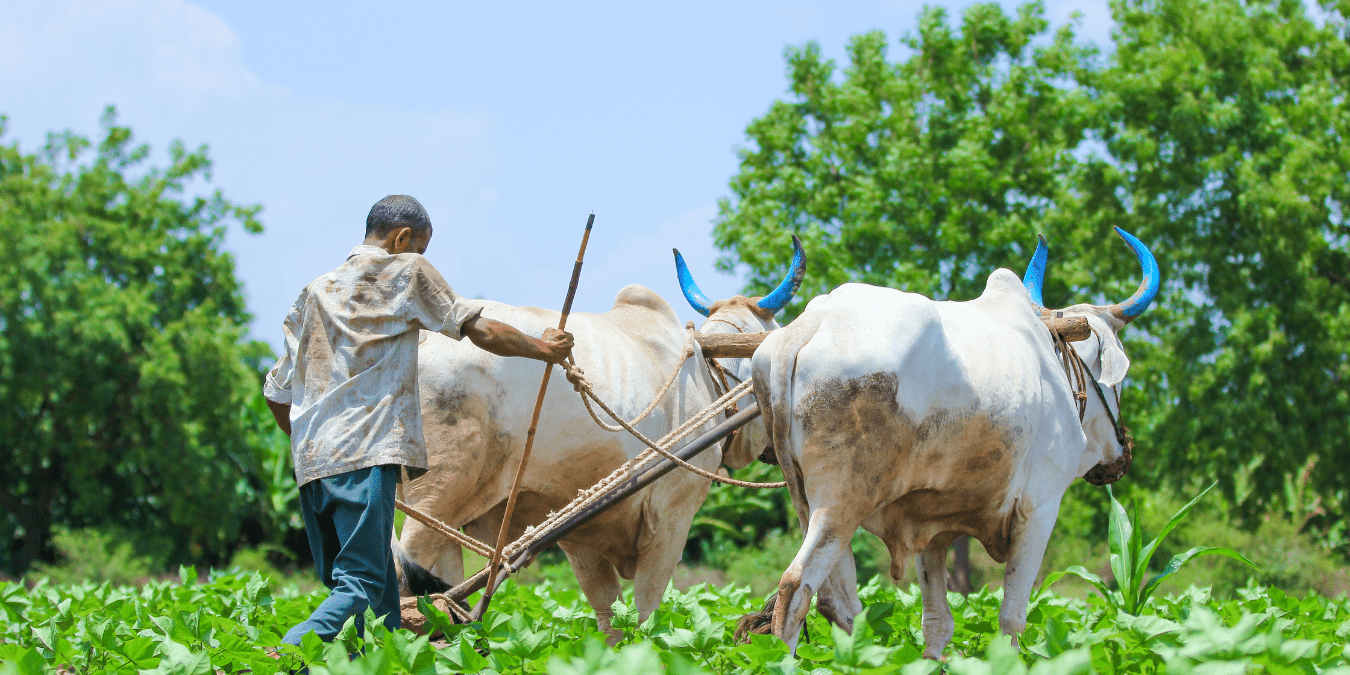
From a farmer’s lens in rural heartlands, ₹2,000 arrives timely for sowing paddy or wheat, covering fertilizers amid inflation. During 2025 lockdowns or crop failures, it funded emergencies like medical bills or school fees. Uttar Pradesh leads with 2.25 crore beneficiaries in the 18th installment.
Yet, stories abound: A Bihar smallholder used funds for hybrid seeds, doubling output; a Rajasthan woman repaid informal debt, gaining dignity.
Latest 2026 Updates
The 21st installment hit accounts on November 19, 2025, with ₹12,000 crore to 9 crore farmers from Yavatmal. The 22nd, worth ₹2,000 each, eyes February-March 2026 release.
New mandates include Farmer ID in 14 states and stricter eKYC/land seeding, delaying payments for non-compliant. No confirmed hike to ₹12,000 despite proposals; stays at ₹6,000. Total reach: 9.59 crore in recent data.
Budget 2026 Overview
Finance Minister Nirmala Sitharaman presented the Union Budget 2026-27 on February 1, 2026, emphasizing Viksit Bharat with ₹53.5 lakh crore total expenditure. Fiscal deficit targets 4.3% of GDP, down from 4.4%, prioritizing growth, inclusion, and reforms.
Agriculture gets focus via productivity boosts, though PM-KISAN allocation holds at ₹63,500 crore—unchanged from 2025-26—covering DBT for landholders. Fertilizer subsidy rises to ₹1.70 lakh crore, aiding input costs.
PM-KISAN Allocation Details
PM-KISAN’s ₹63,500 crore supports ₹2,000 quarterly installments, reaching 9.59 crore families with over ₹3.70 lakh crore disbursed historically. No hike to proposed ₹9,000 or ₹12,000 yearly; status quo despite pre-budget buzz.
This funds the 22nd installment due February-March 2026, post-21st’s ₹12,000 crore payout. Outlay matches revised 2025-26 estimates, ensuring continuity amid 11 crore potential beneficiaries.
From rural India, this stability reassures smallholders facing monsoon uncertainties, though calls for increases persist amid 7% agri-growth.
Challenges Faced
eKYC failures exclude lakhs, especially elderly or remote farmers without smartphones. Delays in record corrections trap 2.18 crore families in verification loops. Exclusion errors and “phantom farmers” persist, prompting CAG audit calls.
Indian farmers note insufficient aid amid ₹1,500/kg fertilizer hikes; tenants and women-headed households often slip through. Digital divides widen gaps in tribal belts.
| Issue | Impact | Solution |
| eKYC Failure | Payments withheld | CSC biometric |
| Exclusion Errors | 2.18 cr pending | Grievance portal |
| Tenant Omission | No coverage | Policy tweak needed |
| Delays | Liquidity crunch | Faster verification |
Path Forward
PM-KISAN integrates with subsidies for seeds and tools via Farmer ID, promising efficiency. Doubling aid or tenant inclusion could amplify gains, aligning with SDGs on poverty and food security.
For India’s 14 crore farmers, it symbolizes respect (“Samman Nidhi”), but enhancements like higher amounts or crop insurance links would fortify it. Amid 2026 polls, expect refinements for broader equity.
This scheme underscores DBT’s power, reducing leakages via JAM trinity. Farmers, stay updated—complete eKYC now for the next payout.