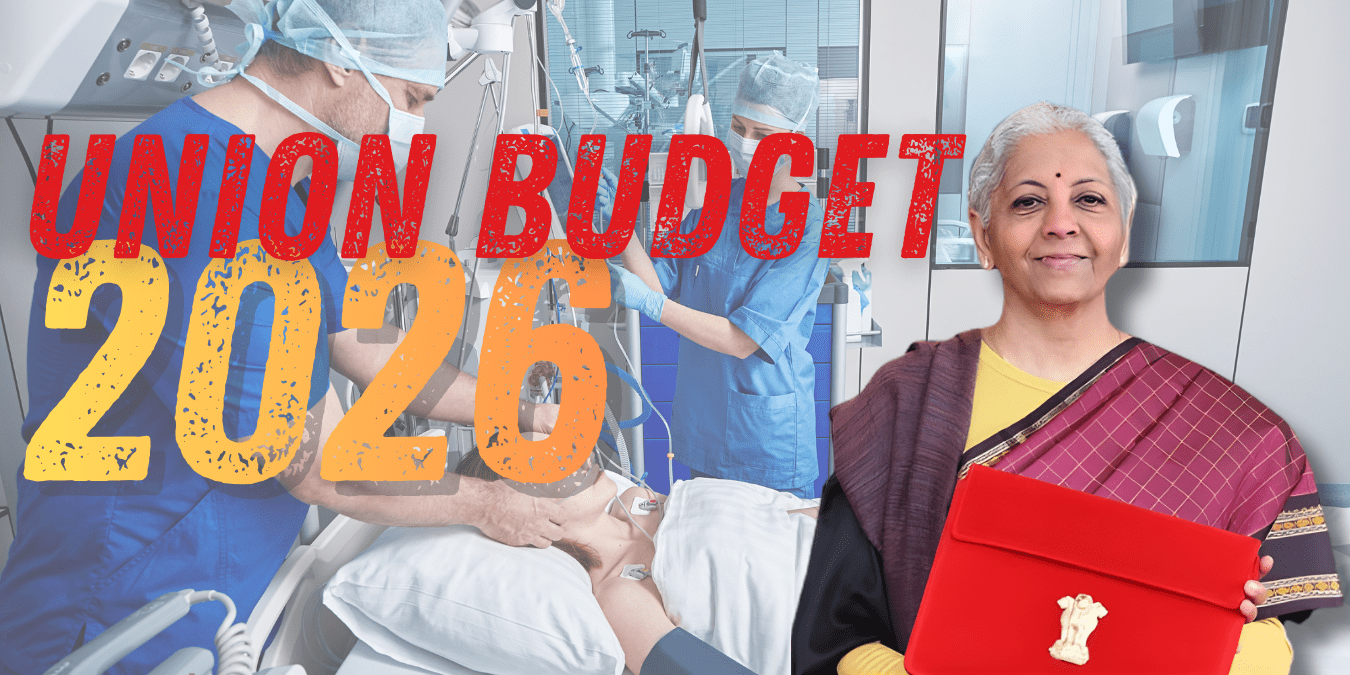
Major Relief for Cancer Patients: Government Waives Import Duty on 17 Medicines
Budget 2026 SHOCKER: Govt slashes import duty on 17 CANCER DRUGS—₹30K/month savings on ribociclib? CAR-T drops ₹50L! But wait, 7 RARE diseases added… rural families saved from ruin? Full list, savings exposed—could THIS cure India’s 14L cancer crisis? Hope or hype? Dive in!
In Union Budget 2026-27 presented on February 1, 2026, Finance Minister Nirmala Sitharaman announced a game-changing exemption of basic customs duty on 17 life-saving cancer drugs, slashing treatment costs for millions of Indian patients. This targeted relief extends to personal imports for seven additional rare diseases, making advanced therapies more accessible amid rising oncology expenses.
From an Indian family’s viewpoint, where cancer often drains savings, this waiver promises 10-20% price drops on high-cost imports, easing catastrophic out-of-pocket burdens.
Understanding the Announcement
Basic customs duty (BCD) on imported drugs typically ranges from 5-10% but can escalate landed costs up to 15-20% with IGST/saddles, heavily inflating retail prices of oncology biologics from companies like Novartis, Roche, and Pfizer. The Union Budget 2026 fully exempts BCD on these 17 specified medicines—targeting breast, lung, blood, prostate, and other cancers—allowing direct pass-through of savings to end-users via pharmacies and hospitals.
This builds on previous expansions: 36 drugs waived in Budget 2025-26, plus ongoing notifications for rare diseases, demonstrating the government’s long-term push for affordable healthcare amid India’s 14 lakh annual cancer cases. Experts from AICCTU and pharma analysts project per-patient annual savings of ₹5,000-₹50,000 depending on dosage cycles, crucial for expensive immunotherapies and TKIs that span 6-24 months.
From an Indian patient perspective, this intervention is timely as out-of-pocket oncology spends average ₹15-40 lakh, often forcing asset sales; the waiver could reduce monthly bills by 10-15%, enhancing adherence and outcomes. Implementation via CBIC notifications ensures quick rollout, with monitoring for price compliance under NPPA oversight.


Full List of 17 Exempted Cancer Medicines
The 17 exempted drugs in Union Budget 2026 focus on advanced targeted therapies, immunotherapies, and cell therapies, primarily imported from manufacturers like Novartis (Kisqali for ribociclib), Eli Lilly (Verzenio for abemaciclib), and Janssen (Imbruvica for ibrutinib) due to high-tech production barriers in India. These enable duty-free personal and commercial imports, slashing costs for named-patient programs critical for late-stage patients where generics lag.
| Drug Name | Primary Cancer Type(s) | Therapy Type / Mechanism | Key Manufacturer(s) (Global) | Est. Monthly Cost Pre-Waiver (₹) |
| Ribociclib (Kisqali) | Breast (HR+/HER2-) | CDK4/6 inhibitor (targeted oral) | Novartis | 2,00,000 – 3,00,000 |
| Abemaciclib (Verzenio) | Breast (HR+/HER2-) | CDK4/6 inhibitor (targeted oral) | Eli Lilly | 2,50,000 – 3,50,000 |
| Talycabtagene autoleucel | Lymphomas (B-cell) | CAR-T cell therapy (one-time infusion) | Legend Biotech/Janssen | 3,50,00,000+ per course |
| Tremelimumab (Imjudo) | Various (lung, head-neck) | CTLA-4 immunotherapy (IV) | AstraZeneca | 4,00,000 – 6,00,000 |
| Venetoclax (Venclexta) | Blood (CLL, AML) | BCL-2 inhibitor (oral targeted) | AbbVie/Roche | 1,50,000 – 2,50,000 |
| Ceritinib (Zykadia) | Lung (ALK+) | ALK inhibitor (oral targeted) | Novartis | 2,00,000 – 2,80,000 |
| Brigatinib (Alunbrig) | Lung (ALK+) | ALK/EGFR inhibitor (oral) | Takeda | 2,20,000 – 3,00,000 |
| Darolutamide (Nubeqa) | Prostate (non-metastatic CRPC) | Androgen receptor inhibitor (oral) | Bayer/AstraZeneca | 1,80,000 – 2,50,000 |
| Toripalimab (Loqtorzi) | Multiple (nasopharyngeal, etc.) | PD-1 inhibitor immunotherapy (IV) | Coherus/Junshi | 3,00,000 – 4,50,000 |
| Serplulimab | Lung (squamous NSCLC) | PD-1 inhibitor (IV immunotherapy) | Hengrui | 2,50,000 – 3,50,000 |
| Tislelizumab (Tevimbra) | Various (esophageal, lung) | PD-1 inhibitor immunotherapy (IV) | BeiGene | 2,80,000 – 4,00,000 |
| Inotuzumab ozogamicin (Besponsa) | ALL (acute lymphoblastic leukemia) | Antibody-drug conjugate (IV) | Pfizer | 3,50,000 – 5,00,000 |
| Ponatinib (Iclusig) | Leukemia (CML, Ph+ ALL) | TKI (multi-tyrosine kinase inhibitor) | Incyte/Takeda | 2,00,000 – 2,80,000 |
| Ibrutinib (Imbruvica) | Blood (CLL, mantle cell lymphoma) | BTK inhibitor (oral targeted) | Janssen/Pharmacyclics | 2,50,000 – 4,00,000 |
| Dabrafenib (Tafinlar) | Melanoma (BRAF+), thyroid | BRAF inhibitor (oral targeted) | Novartis | 1,50,000 – 2,20,000 |
| Trametinib (Mekinist) | Melanoma, lung (combo with BRAF) | MEK inhibitor (oral targeted) | Novartis | 1,80,000 – 2,50,000 |
| Ipilimumab (Yervoy) | Melanoma, renal, MSI-high | CTLA-4 immunotherapy (IV) | Bristol Myers Squibb | 4,50,000 – 6,50,000 |
These therapies represent 40-50% of advanced Stage IV prescriptions in urban centers like Tata Memorial, where import reliance exceeds 70%. Duty waiver primarily aids named-patient imports (₹10-50 lakh/year savings for families), with commercial supplies following suit via reduced ex-factory pricing.
Expected Cost Savings for Patients
The BCD waiver (typically 10%) directly reduces landed costs by 8-12% post-cess/IGST, translating to tangible retail drops assuming mandated pass-through under NPPA guidelines. How much relief? A standard monthly dose of ribociclib (600mg/day, 28 tabs) retailing at ₹2.5-3 lakh pre-waiver could fall ₹20,000-₹35,000, vital for 6-24 month regimens in HR+ breast cancer where discontinuation rates exceed 30% due to costs.
For high-value CAR-T like talycabtagene autoleucel (one-time ₹4 crore infusion + hospital), proportional cuts save ₹30-50 lakh per treatment, though base R&D pricing keeps it elite—now more feasible under PM-JAY expansions. Ibrutinib cycles (₹3 lakh/month) see ₹25,000-40,000 relief, cumulative ₹3-5 lakh/year for CLL patients.
Middle-class families outside Ayushman Bharat (coverage up to ₹5 lakh secondary care, expanding to ₹10 lakh oncology) benefit most: halves import premiums on uncovered targeted therapies; DPCO price caps (scheduled review) amplify to 20-30% total savings. Rural patients under PM-JAY (2.5 crore cards) gain indirect access as empanelled hospitals like AIIMS recalibrate pricing, boosting uptake from 15% to 40% projected.
Industry voices: Novartis India MD Amitabh Dube called it “transformative for access,” predicting 25% faster adoption; Roche echoed for venetoclax. Cumulative: ₹2,000-5,000 crore annual market savings, redirected to diagnostics/support care.
| Drug Example | Pre-Waiver Monthly Cost (₹) | Est. Post-Waiver Drop (₹) | Annual Savings (12 months) |
| Ribociclib | 2,50,000 – 3,00,000 | 25,000 – 35,000 | 3,00,000 – 4,20,000 |
| Ibrutinib | 2,50,000 – 4,00,000 | 25,000 – 45,000 | 3,00,000 – 5,40,000 |
| Talycabtagene (course) | 4,00,00,000+ | 30,00,000 – 50,00,000 | One-time |
| Ipilimumab (cycle) | 4,50,000 – 6,50,000 | 40,000 – 65,000 | Varies by regimen |
Cancer Burden in India: Why This Matters
India faces a staggering cancer epidemic, with 14.1 lakh new cases annually (GLOBOCAN 2022, projected 15.8 lakh by 2025 per ICMR-NCRP), claiming 8.18 lakh lives yearly—fourth globally, set to overtake by 2040. Late-stage presentations dominate: 60-70% Stage III/IV at diagnosis due to screening gaps, contrasting 40% in developed nations.
Treatment costs average ₹10-25 lakh for solid tumors, ₹15-50 lakh for blood cancers/haematological, with 70-80% out-of-pocket (NSSO 75th round)—driving 5-6 crore poverty cases over a decade, per WHO estimates. Imported biologics/targeted therapies constitute 60-75% of advanced care spend (₹25,000 crore market), as domestic firms excel in chemo generics but trail complex mAbs/CAR-T (PLM gap).
From an Indian perspective, urban salaried families (₹10-20 lakh income) exhaust PF/EPF savings on 3-6 month cycles; rural households (50% cases) mortgage land/livestock, with 40% treatment abandonment rates (TMH data). Waiver targets Stage III/IV (57% breast/lung/cervical), where targeted therapies boost 5-year survival from 20-30% (chemo) to 50-70%—timely access could save 2-3 lakh lives/year.
Rare Diseases Extension: 7 More Covered
Beyond the 17 cancer drugs, Union Budget 2026-27 extends basic customs duty (BCD) exemptions to personal imports of essential drugs, medicines, and Food for Special Medical Purposes (FSMP) for seven additional rare diseases, building on prior coverage like Spinal Muscular Atrophy (SMA) and Duchenne Muscular Dystrophy (DMD). This targets ultra-rare genetic, metabolic, and immune disorders affecting 1-2 lakh patients nationwide (NPRD 2021 estimates 7 crore total rare disease burden), where therapies cost ₹1-5 crore annually due to orphan drug status and no domestic production.
The compassionate measure facilitates named-patient imports—critical as patient volumes (<1 in 50,000) deter local manufacturing—aligning with National Policy for Rare Diseases (NPRD) via 12 Centres of Excellence and ₹50 lakh/family subsidies. Expected savings: 10-20% on landed costs (₹5-50 lakh/year/patient), easing families’ forex burdens amid 90% OOP spends.
| Rare Disease | Description / Key Impacts | Typical Treatments (Duty-Free Now) | Prevalence / Patient Impact |
| Congenital Hyperinsulinemic Hypoglycaemia (CHI) | Excess insulin causes severe infant hypoglycemia, risking brain damage/seizures | Diazoxide, octreotide infusions; FSMP for glucose stability | 1:50,000 births; lifelong management |
| Familial Homozygous Hypercholesterolemia (HoFH) | Genetic extreme LDL cholesterol from infancy, premature heart disease | PCSK9 inhibitors (evinacumab), LDL apheresis drugs | 1:3,60,000; CVD risk by age 20 |
| Alpha Mannosidosis | Lysosomal storage: infections, hearing loss, skeletal issues | Enzyme replacement (velmanase alfa), substrate reduction | 1:1,00,000; progressive disability |
| Primary Hyperoxaluria (PH) | Kidney stone/crystal buildup from oxalate overproduction | Lumasiran (RNAi therapy), pyridoxine; dialysis support | 1:58,000; renal failure by teens |
| Cystinosis | Cystine crystal accumulation damaging kidneys/eyes | Cysteamine (depleting agent), kidney transplants | 1:2,00,000; vision/kidney loss |
| Hereditary Angioedema (HAE) | Recurrent life-threatening swelling attacks | C1-inhibitors (Berinert), bradykinin antagonists (icatibant) | 1:50,000; airway obstruction risk |
| Primary Immune Deficiency Disorders (PIDD) | Defective immunity causing recurrent infections | IVIG/SCIG immunoglobulins, gene therapies | 1:10,000; chronic infections, mortality |
These additions prioritize NPRD-screened conditions, benefiting 5,000-10,000 active patients via easier imports from EU/US firms like Takeda (HAE) or Chiesi (Velmanase). Long-term: Boosts Biopharma SHAKTI for orphan incentives, reducing import reliance.
Broader Healthcare Context in Budget 2026
The duty waivers form a cornerstone of Union Budget 2026’s ₹2.2 lakh crore health allocation, synergizing with Biopharma SHAKTI scheme (₹10,000 crore over 5 years) to ramp domestic production of biologics, vaccines, and gene therapies—targeting 20% import substitution in oncology/rare diseases by 2030 via new NIPERs and clinical trial hubs. This addresses the 70% biologic import reliance highlighted in the waivers.
Complements social care via training 1.5 lakh multiskilled caregivers under a new ecosystem, including cancer palliative support, addressing 2 crore unmet needs amid 1.4 crore elderly by 2030. NIMHANS-2 (₹4,000 crore hub) focuses on psycho-oncology and mental health post-cancer, vital as 30-50% survivors face depression/anxiety (per ICMR studies).
Aligns with Ayushman Bharat expansions: oncology packages under PM-JAY (₹5-10 lakh coverage) now include targeted therapies/CAR-T at 1,000+ empanelled centers; targets universal health coverage by 2030 via 5 crore new cards and digital health IDs. Additional boosts: 50 district emergency centers, AIIMS satellite upgrades, and Divyangjan prosthetics with AI integration.
| Initiative | Allocation/Focus (₹ crore) | Link to Cancer/Rare Diseases Relief |
| Biopharma SHAKTI | 10,000 (5 yrs) | Domestic mAbs/CAR-T production |
| Caregiver Training | Integrated in health outlay | Palliative home care for Stage IV |
| NIMHANS-2 | 4,000 | Psycho-oncology, survivor support |
| PM-JAY Oncology | Expanded packages | Covers exempted drugs at empanelled hospitals |
Holistically, these propel India towards Health for All, reducing cancer mortality 30% via access and innovation.
Expert Views and Limitations
Leading oncologists applaud the waiver as a “lifeline for advanced cases,” with Dr. Shyam Aggarwal (Fortis) estimating 15-25% adherence improvement via affordability, but emphasize holistic gaps: diagnostics (PET-CT ₹40,000-60,000/scan), hospitalization (₹3-5 lakh/month ICU), and supportive care (nutrition ₹20,000/month). AIIMS Delhi’s Dr. Goura Rath highlights screening urgency, as waivers aid treatment but not 60% late detections.
Pharma experts like Amitabh Dube (Novartis India) and Indian Pharmaceutical Alliance urge strict NPPA monitoring for 100% pass-through (historical 70-80% compliance); long-term, advocate PLI 3.0 extensions (₹15,000 crore biologics incentive) to achieve 50% self-reliance by 2030, reducing forex outflow ₹10,000 crore/year. FICCI Health suggests digital tracking portals for transparency.
Limitations persist: No relief on GST (5% life-saving, 12% others, adding 8-10% effective), private insurance caps (₹5-20 lakh sum assured), and copays; Stage I/II patients (chemo generics) see minimal impact, while rural logistics inflate final costs 20%. Waiver excludes combo regimens if unlisted; enforcement risks hoarding.
Path Forward: Boosting Domestic Production
Union Budget 2026 strategically balances immediate import relief with long-term self-reliance via Biopharma SHAKTI Mission (₹10,000 crore), targeting complex biologics/mAbs production through 10 new greenfield facilities and tech transfers—aiming CAR-T generics by 2030 at 20-30% global costs. Aligns with PLI Scheme 2.0 extensions (₹5,000 crore oncology/biologics), incentivizing firms like Biocon and Intas for biosimilars of ibrutinib/rituximab.
India Semiconductor Mission 2.0 (ISM 2.0) supports diagnostic tools/AI imaging chips, reducing ₹2,000 crore annual imports; new NIPER satellites (6 added) fast-track clinical trials, slashing 12-18 month approvals to 6 months for orphan drugs. National Biopharma Manufacturing Mission boosts capacity 5x for vectors/viral tech essential for CAR-T/gene therapies.
This Atmanirbhar pivot addresses 80% oncology import dependence (₹28,000 crore market), projecting 40% localization by 2030 via partnerships (e.g., Roche-Biocon trastuzumab biosimilar). Outcomes: 50,000 jobs in biopharma hubs (Hyderabad, Bangalore), 30% cost drops sustaining waiver benefits.
Global Comparison
India’s duty-free model stands out for its direct patient impact, exempting BCD on specified high-cost drugs to enable immediate retail pass-through—unlike indirect subsidies elsewhere.
| Aspect | India (Post-2026 Waiver) | USA | EU (e.g., Germany/France) |
| Drug Pricing Mechanism | BCD waiver (10% cut); NPPA caps | Free market; list prices 3-5x global | HTA negotiations; 40-60% off list |
| Cancer Biologic Cost Ex. | Ribociclib ₹2.5L/month post-cut | $15,000/month (₹12.5L) uninsured | €3,000-5,000/month (₹2.8-4.7L) |
| OOP Burden | 70% but dropping 15-25% via waiver/JAY | 20-30% with high-deductible plans | <10% universal coverage |
| Access Speed | Named-patient imports immediate | Insurance prior-auth (weeks-months) | Reimbursement lists (3-12 months) |
| Import Reliance Policy | Waivers + domestic PLI (Atmanirbhar) | IRA caps (no generics push) | EMA approvals + voluntary licensing |
US faces exorbitant costs sans waivers—oncology bankruptcies top 40%—relieved partially by Inflation Reduction Act (IRA) negotiations for 10 drugs/year from 2026. EU employs Health Technology Assessments (HTA) for 50-70% discounts via clawbacks, but delays access (e.g., 6 months for NICE/EMA); universal systems cap OOP at €500-1,000/year.
Japan/UK blend: Managed entry agreements tie payments to outcomes. India’s patient-direct waivers uniquely prioritize low/middle-income access, fostering equity despite infrastructure gaps—projected to halve import premiums faster than peers.
A Step Towards Hope
This landmark BCD waiver on 17 cancer medicines and rare disease therapies transforms despair into tangible hope for millions of cancer warriors and their families across India, directly underscoring the government’s deep empathy amid a crisis claiming 8 lakh lives yearly. By slashing import costs 10-20% overnight, it empowers timely access to life-extending targeted treatments, potentially boosting survival rates 20-30% for Stage III/IV patients who form 60% of cases.
Sustained momentum—via insurance expansions under Ayushman Bharat (₹10 lakh oncology packages), Biopharma SHAKTI for domestic generics, and NPRD subsidies—paves the path to truly equitable care by 2030, ensuring no family chooses between treatment and destitution. From urban clinics to rural outposts, this measure ignites a nationwide fightback, blending immediate relief with visionary self-reliance for a healthier Viksit Bharat.