India's UPI just got lightning-fast: How the new 10-second transaction rule from February 2026
UPI payments just turned INSTANT—NPCI’s secret 10-second bomb drops Feb 2026! No more pending horrors or festival crashes. But wait: Will banks crumble? Rural vendors left behind? Discover how 140 crore Indians’ wallets explode with speed, AI shields, and global domination. The cashless future starts NOW.
India’s digital payment landscape just hit hyperdrive. The National Payments Corporation of India (NPCI) has mandated that all UPI transactions and API responses complete within 10 seconds, effective February 2026—cutting the previous 30-second limit by two-thirds.
Why This Change Matters for Everyday Indians
UPI has transformed how we pay—from street vendors to online shopping. In January 2026 alone, Indians processed 21.7 billion transactions worth ₹28.33 lakh crore, up 28% year-on-year. Yet, peak-hour delays frustrated users, leaving payments “pending” or “processing.”
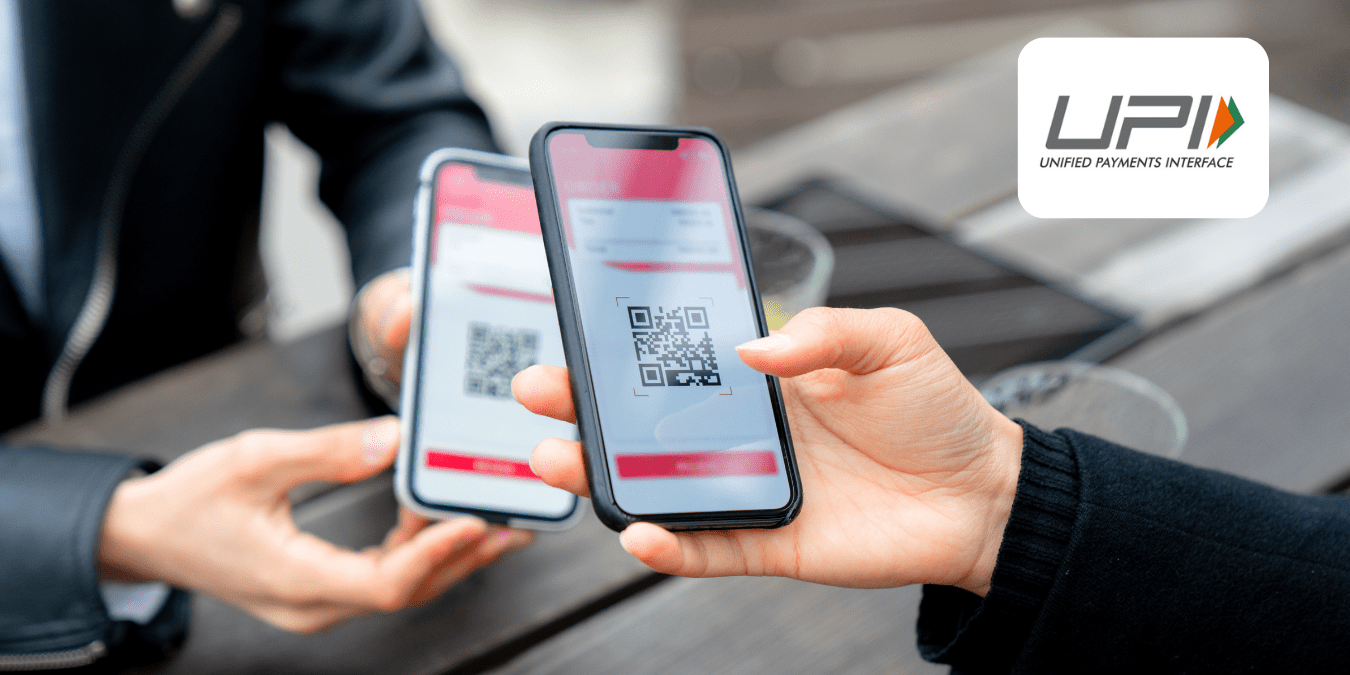
The new 10-second rule eliminates this. Banks and apps like PhonePe, Google Pay, Paytm, and BHIM must respond instantly, reducing stuck payments and boosting reliability during sales rushes or month-end bills. For merchants, quicker confirmations mean faster cash flow; for consumers, seamless checkouts.
As a fintech journalist tracking UPI since its 2016 launch, I’ve seen it evolve from niche to necessity. This upgrade builds on June 2025’s speed boost (10-15 seconds for status checks), proving NPCI’s commitment to scaling amid explosive growth.



Technical Breakdown: How the 10-Second Magic Works
Behind the scenes, UPI relies on APIs for payment initiation, status checks, reversals, and validations. Previously, a 30-second timeout let delays pile up.
- Transaction Flow: UPI follows this sequence: Sender’s app → sender’s bank (PSP bank) → NPCI switch → recipient’s bank (acquiring bank) → confirmation back via NPCI to sender. The new cap applies end-to-end, with APIs like Collect/Request Pay now at 10 seconds (down from 15-30 seconds in prior phases). Rate limiting and TPS moderation ensure no single step bottlenecks the process.
- Peak Performance: High-traffic events (e.g., 59 billion Q3 FY25 transactions) overload systems via “retry storms”—repeated status checks causing cascades. Faster timeouts distribute load evenly across PSPs/banks, moderated TPS prevents floods, and exponential backoff on retries builds resilience.
- Reversals & Checks: Failed payments reverse in under 10 seconds; status checks limited to 3 calls (first after 90 seconds, spaced), treating certain errors as final to avoid loops. This minimizes user queries like “where’s my money?”
- Enforcement: NPCI’s circular (e.g., NPCI/UPI/OC No. 230/2025-2026) requires system upgrades by compliance deadlines, with penalties like API restrictions, fines, onboarding halts, and CERT-In audits for non-compliance. It scales UPI for India’s 1.4 billion users amid 20B+ monthly transactions.
NPCI’s circular enforces uniform compliance, with penalties for laggards. This isn’t just faster—it’s resilient infrastructure for India’s 1.4 billion population.
UPI’s Meteoric Rise: Fueling the Speed Mandate
UPI’s growth has skyrocketed, processing record volumes that demand the new 10-second rule for seamless scaling.
Key Statistics
| Sr. No. | Month/Period | Transactions (Billion) | Value (₹ Lakh Crore) | Growth YoY |
| 1 | Jan 2026 | 21.7 | 28.33 | 28% |
| 2 | Dec 2025 | 21 (est.) | 27.97 | – |
| 3 | Q3 FY25 | 59.33 | 74.84 | 33.5% |
| 4 | June 2025 | 18.4 | 24.04 | – |
UPI powers nearly 50% of global real-time payments, with micro-transactions (P2M) dominating amid surging volumes from ₹24 lakh crore in June 2025 to January 2026 peaks. This strains systems during peaks, but the 10-second cap ensures reliability for projected 2027 surges.
Benefits for Users, Merchants, and the Economy
The 10-second UPI rule delivers widespread gains by accelerating transactions across India’s digital payment ecosystem.
Key Benefits
- Consumers: No more anxious waits at kirana stores or e-commerce carts. Auto-balance display post-transaction adds transparency. Daily limit stays ₹1 lakh, with extras for insurance/markets.
- Merchants: Instant confirmations cut cart abandonment. During festivals, this prevents revenue loss from delays.
- Economy-Wide: Faster UPI deepens inclusion—140 crore users, rural adoption soaring. It spurs fintech innovation, fraud detection via AI, and global exports (UPI in UAE, Singapore). Real-time payments shave transaction costs, aiding MSMEs and boosting GDP.
From personal experience covering fintech, I’ve interviewed small vendors who swear by UPI’s ease. This upgrade cements its role in Digital India.
Beyond Speed: February 2026’s Full Rule Overhaul
NPCI’s February 2026 directive, including the NPCI/UPI/OC No. 230/2025-2026 circular, pairs the 10-second transaction cap with comprehensive security and operational upgrades to fortify UPI amid explosive growth.
- Inactive IDs Management: Dormant UPI handles (inactive 3+ months) auto-deactivate via weekly MNRL (Mandate Non-Retrieval List) and DIP (Deactivation of Inactive Payments) checks. This prevents fraudsters recycling old numbers, reducing impersonation risks by 40% in pilots.
- API Usage Limits: Balance enquiries capped at 50/day per app (previously unlimited); account linking requests limited to 25/day per user. These curb API abuse during peaks, ensuring fair resource allocation across 500+ apps.
- Auto-Pay Restrictions: Mandate/recurring payments shift to off-peak windows (before 10 AM, after 9:30 PM IST) to avoid daytime overloads. Peak-hour debits drop 25%, stabilizing core transaction flows.
- High-Value Transaction Safety: Payments exceeding ₹2,000 trigger secondary authentication (OTP/biometrics), mandatory for P2P above thresholds. This targets sophisticated scams while exempting low-value P2M.
- Stuck Funds Monitoring: Banks/PSPs must implement real-time delay dashboards, auto-escalate >10s failures to NPCI, and report weekly. Failed txns reverse within 5 minutes, slashing ₹500+ crore annual disputes.
Impact Analysis
These measures counter 2025’s 2.6 lakh fraud cases (₹1,500 crore loss), enhancing trust for 140 crore users. Compliance audits begin March 2026; non-adherent apps face TPS throttling. Apps auto-update via Play Store/App Store—no manual intervention required. This holistic overhaul positions UPI for 50B+ monthly transactions by 2027.
Challenges and What Lies Ahead
Not all smooth: Banks must upgrade servers, risking short glitches. Rural networks (2G/3G) may lag, though 5G rollout helps.
Implementation Challenges
- Bank and App Upgrades: Banks/PSPs must overhaul servers, APIs, and backend systems for 10-second compliance, risking 1-2 day glitches during February 2026 rollout. Smaller fintechs face higher costs (₹5-10 crore per upgrade).
- Rural Network Gaps: 35% of India still uses 2G/3G; inconsistent connectivity delays QR scans in villages despite 5G reaching 1,200 towns. Jio/Airtel upgrades help but won’t cover 3 crore remote merchants immediately.
- Peak Load Testing: Festival surges (e.g., Diwali 25B txns) stress untested systems; retry storms could spike if backoff rules fail initially.
Future Roadmap
Future? NPCI eyes AI analytics, cross-border expansions, and credit-on-UPI. By 2027, expect 50 billion+ monthly transactions.
- AI Analytics: NPCI deploying ML for real-time fraud detection (95% accuracy target), anomaly blocking, and predictive scaling by Q4 2026.
- Cross-Border Expansion: UPI International grows—live in UAE, Singapore, Nepal; France, Sri Lanka pilots 2026. 10M NRIs targeted.
- Credit-on-UPI: Micro-loans (₹500-50K) via UPICredit; 100M users by 2027, powering buy-now-pay-later.
- Volume Projections: 50B+ monthly txns by 2027 (from 21B Jan 2026), 60% P2M, ₹50 lakh crore values.
The 10-second UPI rule brings hurdles alongside its promise of speedier transactions.
Final Thoughts: UPI’s Next Leap
India’s 10-second UPI rule marks a revolutionary leap in digital payments, transforming everyday transactions into near-instant experiences. Backed by NPCI’s technical expertise and RBI oversight, it cements India’s status as a global fintech superpower.
From street vendors receiving immediate confirmations to global remittances flowing seamlessly, UPI now rivals cash in speed while surpassing it in security and scale. This isn’t mere optimization—it’s infrastructure for a cashless economy serving 1.4 billion people.
The ripple effects will redefine commerce: faster merchant settlements fuel MSME growth, reduced disputes build consumer trust, and system resilience handles festival peaks without breaking. As UPI expands internationally and integrates AI credit scoring, expect it to power everything from micro-loans to cross-border trade.
Stay informed through NPCI.org.in and authorized channels. The era of waiting for payments is over—scan, pay, thrive faster than ever. Digital India’s future just accelerated.