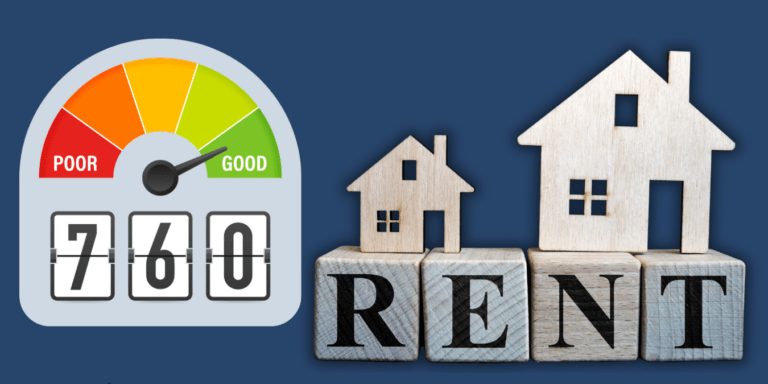
How a 750 Credit Score Can Cut Your Home Loan Interest Rate by 1.5%
How a 750 Credit Score Can Cut Your Home Loan Interest Rate by 1.5%
The difference between an average and excellent credit score could save you lakhs over your home loan tenure. Here’s the complete breakdown with real numbers.
Your three-digit CIBIL score is not just a number that determines loan approval. It is a powerful lever that directly controls how much interest you pay over the next 20 to 30 years of your home loan journey. The difference can run into several lakhs of rupees.
When you walk into a bank to apply for a home loan, the loan officer’s first action is pulling up your credit report. That score flashing on their screen, ranging from 300 to 900, sets the tone for your entire loan negotiation. Banks in India have moved to risk-based pricing, which means your interest rate is no longer one-size-fits-all. It is customized based on how risky you appear as a borrower.
A borrower with a credit score of 750 and above is viewed as financially disciplined, reliable, and low-risk. This perception translates into tangible benefits. You unlock the lowest interest rate slabs, faster loan processing, higher loan amounts, and better negotiating power. Someone with a score below 650, on the other hand, may face rejection or interest rates that are 1% to 2% higher than the advertised minimum.
Understanding the Credit Score and Interest Rate Connection
Banks use a system called credit-based pricing or risk-based pricing when determining your home loan interest rate. Your CIBIL score serves as a quick snapshot of your creditworthiness. It tells the lender whether you have a history of paying bills on time, how much debt you carry, and how responsibly you manage credit.
The logic is straightforward. A high score signals low risk, so the bank is willing to offer you a lower interest rate because the chances of default are minimal. A lower score signals higher risk, prompting the bank to charge a premium in the form of higher interest to compensate for the additional uncertainty.
The Risk-Based Pricing Reality
According to RBI guidelines, banks can adjust the credit risk premium component based on significant changes in a borrower’s credit risk assessment. This means your interest rate is not fixed in stone. It can be revised if your creditworthiness improves or deteriorates during the loan tenure.
Most leading banks in India, including State Bank of India, HDFC Bank, ICICI Bank, Axis Bank, Punjab National Bank, and housing finance companies like Bajaj Housing Finance and PNB Housing Finance, have published interest rate slabs that vary based on credit score ranges. Borrowers with scores above 750 consistently qualify for the lowest advertised rates.
How Much Can You Actually Save? A Real Calculation
Let us work through a concrete example to understand the magnitude of savings a high credit score can unlock.
Side-by-Side Comparison
Based on Rs 50 Lakh home loan for 20 years
The borrower with a 780 score pays Rs 4,785 less every single month compared to the borrower with a 660 score. Over a 20-year tenure, this translates to total savings exceeding Rs 11 lakhs. That is not a small number. It could fund your child’s higher education, serve as a retirement corpus addition, or help you prepay the loan faster.
Even a modest improvement in your credit score can shift you into a better interest rate slab. Moving from 730 to 760, for instance, could mean the difference between an 9.55% rate and an 8.75% rate at certain banks. This small shift can save you lakhs over the loan tenure.
Credit Score Ranges and Typical Interest Rate Tiers
Banks categorize borrowers into different risk buckets based on their credit score. Here is how the typical interest rate structure looks across major lenders in India in 2026:
| Credit Score Range | Risk Category | Typical Interest Rate | Loan Approval |
|---|---|---|---|
| 800 – 900 | Excellent | 7.35% – 8.00% | Fast-tracked |
| 750 – 799 | Very Good | 8.00% – 8.75% | Smooth approval |
| 700 – 749 | Good | 8.75% – 9.25% | Standard process |
| 650 – 699 | Fair | 9.25% – 10.00% | Additional scrutiny |
| Below 650 | Poor | 10%+ or Rejection | May require guarantor |
The lowest home loan interest rates in India in 2026 start from around 7.35% per annum, offered by public sector banks like Union Bank of India, Bank of Maharashtra, Central Bank of India, and Indian Overseas Bank. However, these rates are reserved for borrowers with pristine credit profiles and scores typically above 750.
Why Banks Reward High Credit Scores
From a bank’s perspective, lending money is inherently risky. They spend considerable time and resources recovering loans when borrowers default. A high credit score provides assurance that the borrower has a track record of responsible financial behavior. This includes paying credit card bills on time, keeping credit utilization low, maintaining a healthy mix of credit types, and having a long credit history without defaults.
A strong CIBIL score opens doors to better loan opportunities. It gives you leverage to negotiate favorable terms, including lower interest rates, reduced processing fees, and higher loan amounts.— Union Bank of India, Official Banking Guidelines
Banks are not just being generous when they offer lower rates to high-score borrowers. They are making a calculated business decision. The probability of a 780-score borrower defaulting is statistically much lower than that of a 620-score borrower. The interest rate discount reflects this reduced risk.
Steps to Reach and Maintain a 750+ Credit Score
Improving your credit score is not an overnight process, but it is entirely achievable with discipline and strategic action. Here are the key steps to get your score to 750 and beyond:
Pay All Bills on Time, Every Time
Payment history accounts for approximately 35% of your credit score calculation. Even one missed payment can drag your score down significantly. Set up automatic payments or reminders to ensure you never miss a due date for credit cards, EMIs, or utility bills.
Keep Credit Utilization Below 30%
If your credit card limit is Rs 1 lakh, try not to use more than Rs 30,000 at any given time. High credit utilization signals financial stress to credit bureaus. Low utilization demonstrates that you can manage credit responsibly without maxing out your limits.
Maintain a Long Credit History
The length of your credit history matters. Keep your oldest credit card active even if you do not use it frequently. Closing old accounts shortens your average account age and can hurt your score.
Limit Hard Inquiries
Every time you apply for new credit, a hard inquiry is recorded on your report. Multiple inquiries in a short period signal desperation for credit and can lower your score. Apply for new credit only when necessary.
Check Your Credit Report for Errors
Mistakes happen. An incorrectly reported late payment or a loan you never took can unfairly damage your score. Review your credit report from CIBIL, Experian, Equifax, or CRIF at least twice a year and dispute any inaccuracies immediately.
Diversify Your Credit Mix
Having a healthy mix of credit types, such as credit cards, a car loan, and perhaps a small personal loan, shows that you can manage different forms of credit. However, do not take loans just for the sake of diversification.
What If Your Score Is Currently Low?
If your credit score is below 700 and you are planning to buy a home in the next 6 to 12 months, consider delaying your home loan application while you work on improving your score. The interest savings over a 20-year tenure will far outweigh the cost of waiting a few months.
Start by paying down high-interest credit card debt. This will immediately lower your credit utilization ratio. Next, ensure you do not miss any upcoming payments. Set up auto-debit for all EMIs and credit card minimum dues. Check your credit report for errors and dispute any inaccuracies. Every correction can potentially boost your score.
Some housing finance companies use alternative credit assessment models for first-time borrowers or those with limited credit history. If you are a thin-file borrower, explore lenders who consider factors beyond just the credit score, such as income stability, employment history, and digital payment behavior.
Beyond Interest Rates: Other Benefits of a High Credit Score
A 750+ credit score does more than just lower your interest rate. It opens up a range of additional benefits that make your home loan journey smoother and more affordable:
Additional Benefits You Unlock
- Faster Loan Approval: Banks prioritize applications from high-score borrowers, often fast-tracking the approval process.
- Higher Loan Amounts: You may qualify for a higher loan-to-value ratio, meaning you need a smaller down payment.
- Negotiating Power: A strong score gives you leverage to negotiate processing fee waivers or additional rate concessions.
- Better Prepayment Terms: Some lenders offer more favorable prepayment and foreclosure terms to premium borrowers.
- Access to Special Offers: Banks often reserve their best festive offers, cashback schemes, and bundled insurance discounts for high-score customers.
The Role of External Benchmarks in 2026
Most home loans in India are now linked to external benchmarks like the RBI repo rate through mechanisms such as the Repo Linked Lending Rate (RLLR) or External Benchmark Lending Rate (EBLR). This means your home loan interest rate consists of two components: the benchmark rate (which moves with RBI policy) and the spread (the markup the bank charges based on your risk profile).
Your credit score directly influences the spread component. A borrower with a 780 score might get a spread of 2.5% over the repo rate, while a borrower with a 650 score might face a spread of 4%. When the benchmark rate is 5.25% (following the December 2025 RBI rate cut), the effective rates for these two borrowers would be 7.75% and 9.25% respectively. That 1.5% difference translates to lakhs in savings over the loan tenure.
Frequently Asked Questions
Common Questions Answered
Most banks prefer a minimum credit score of 650 to 700 for home loan approval. However, to qualify for the lowest interest rates, you typically need a score of 750 and above. Some lenders may approve loans for scores below 650, but with significantly higher interest rates or additional requirements like a guarantor.
With a 1% to 1.5% lower interest rate compared to a borrower with a sub-700 score, you can save approximately Rs 6 to 12 lakhs over a 20-year loan tenure. Even a 0.5% rate difference on a Rs 50 lakh loan can translate to savings of Rs 3 to 4 lakhs over the loan period.
Depending on your starting point and financial discipline, improving your score by 100 points can take anywhere from 6 months to 2 years. Consistent on-time payments, reducing credit utilization, and correcting any errors on your credit report are the fastest ways to see improvement.
Yes, having a good credit score gives you leverage to negotiate better terms. If you have a 750+ score, a stable income, and a good repayment history, you can request a rate reduction or processing fee waiver. Banks are more willing to accommodate such requests from low-risk borrowers.
Yes, for a joint home loan application, both applicants’ credit scores are considered. If one spouse has a significantly lower score, it may affect the overall interest rate offered or the approval decision. Some couples strategically apply individually under the higher-scoring spouse’s name to secure better rates.
The Bottom Line
Your credit score is one of the most powerful tools you have when negotiating a home loan. The difference between a 660 score and a 780 score can mean the difference between paying Rs 9.5% interest and Rs 8% interest. Over a 20-year tenure on a Rs 50 lakh loan, that difference adds up to over Rs 11 lakhs in savings.
Before you start house hunting, invest time in building and protecting your credit score. Pay your bills on time, keep your credit utilization low, maintain a diverse credit mix, and regularly check your credit report for errors. These habits will not only help you qualify for a home loan but will ensure you get the best possible interest rate.
Remember, a home loan is likely the largest financial commitment you will make in your lifetime. Every basis point you save on interest is money that stays in your pocket, money that can work for your other financial goals. Make your credit score work for you, not against you.
Important Disclaimer
This article is for informational purposes only and does not constitute financial advice. Interest rates mentioned are indicative and subject to change based on individual lender policies, RBI guidelines, and borrower profiles. Always consult with a certified financial advisor or your bank for advice specific to your situation. Home loan approval is subject to lender terms and conditions.