Budget 2026: Rs 2,000 Crore UPI Subsidy Sparks Debate – Insufficient or Strategic?
Rs 2,000 Cr UPI subsidy: Govt’s big Budget 2026 move or fintech killer? Industry erupts—PCI demands 5X more! Will rural India go cashless, or will startups collapse? UPI’s miracle at risk… Uncover the shocking truth behind 21B txn frenzy!
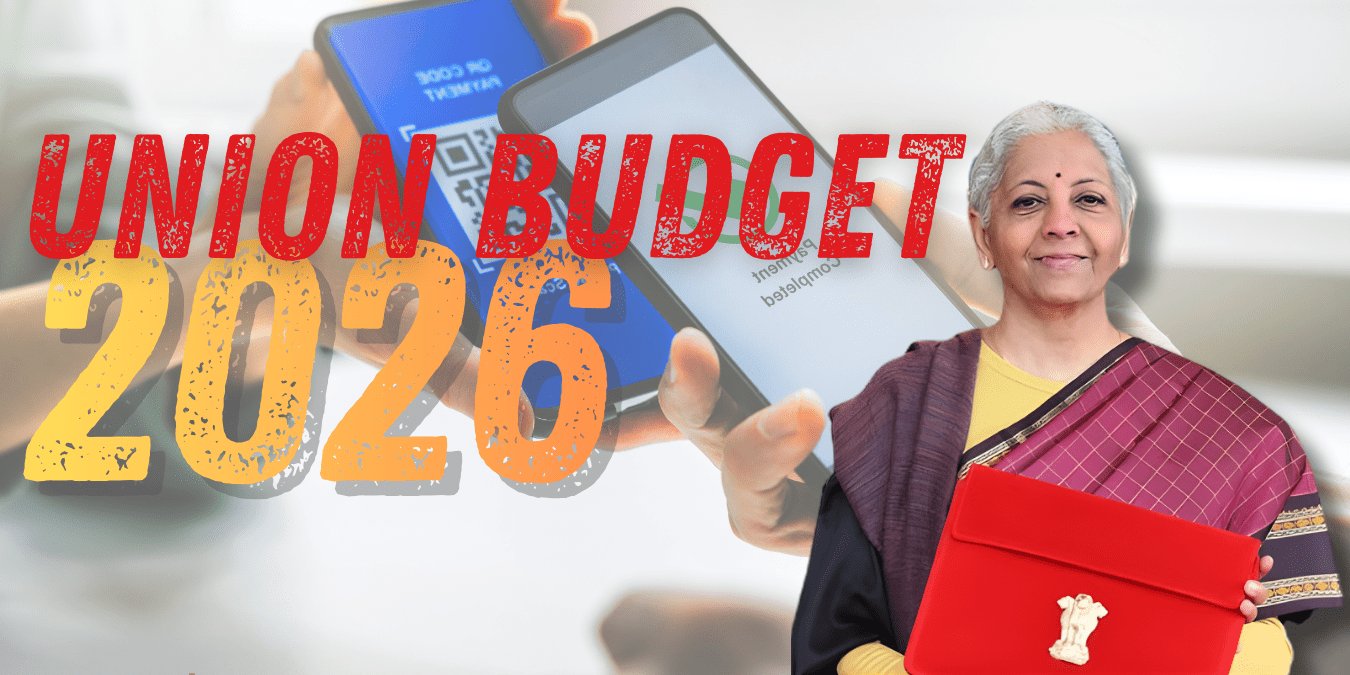
Union Budget 2026 earmarks Rs 2,000 crore subsidy for UPI payments and RuPay debit cards, focusing on low-value transactions to sustain digital momentum. Industry voices, led by Payments Council of India, label it insufficient amid 21.7 billion monthly UPI transactions worth Rs 28.33 lakh crore. From an Indian lens, this allocation tests the balance between fiscal prudence and fueling the digital economy’s engine.
UPI’s Explosive Growth Trajectory
UPI’s growth reflects India’s digital payment revolution, with January 2026 volumes reaching a record 21.7 billion transactions valued at Rs 28.33 lakh crore—a 28% year-on-year surge. Launched in 2016 by NPCI, it evolved from 92 million transactions in FY18 to over 228 billion in FY25, now dominating 85% of retail digital payments nationwide.
Urban Dominance
Cities like Bengaluru, Hyderabad, Mumbai, and Delhi lead with 90%+ adoption rates, powering daily rides via Ola/Uber, grocery scans at BigBasket, and utility bills. Average daily transactions hit 700 million, enabling a seamless ecosystem where even roadside vendors accept scans effortlessly.
This urban maturity stems from robust 4G/5G coverage and smartphone penetration exceeding 70% in metros, fostering innovations like UPI AutoPay for subscriptions.
Rural Expansion Challenges
Rural India, home to 65% of the population, shows promise through Direct Benefit Transfers (DBT) and farmer subsidy payouts, contributing 20-30% of volumes despite hurdles. Initiatives like UPI Lite and vernacular interfaces have onboarded 150 million new rural users since 2023.
Yet, intermittent connectivity in states like Bihar and Odisha, coupled with digital literacy gaps, caps full potential—cash lingers at 60% for small trades.
| Metric | Urban India | Rural India |
| Adoption Rate | 85-95% | 25-45% |
| Daily Transactions | 500M+ | 150-200M |
| Key Use Cases | Rides, E-comm | DBT, Agri Payments |
Global Footprint
UPI’s export to UAE, Singapore, and France positions India as a fintech leader, processing cross-border remittances at zero cost and inspiring models like Brazil’s Pix. Monthly international volumes now exceed 10 million, amplifying soft power in Viksit Bharat’s vision.



Budget 2026 Announcement Breakdown
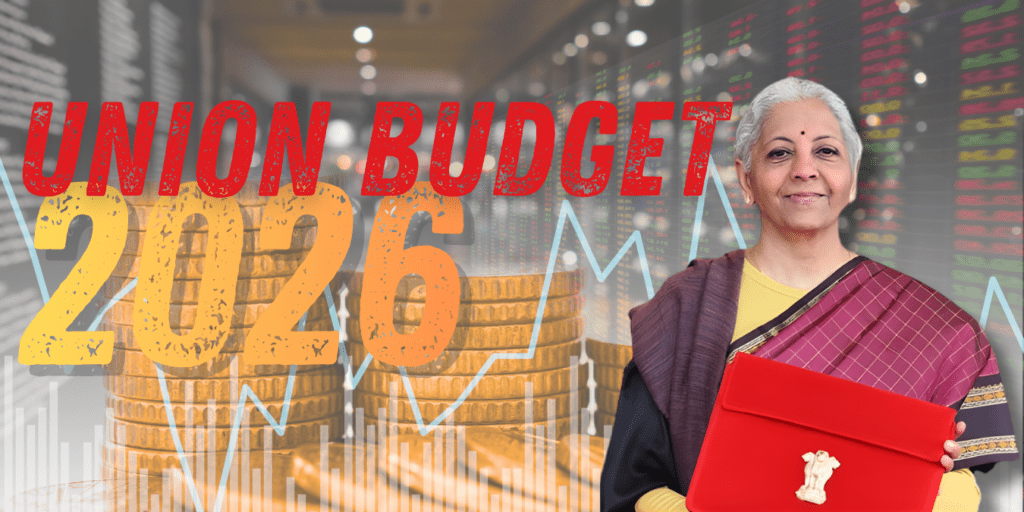
Finance Minister Nirmala Sitharaman’s Union Budget 2026 speech delivered a measured yet pivotal commitment to digital payments, announcing Rs 2,000 crore in incentives specifically for low-value BHIM-UPI transactions up to Rs 2,000 and RuPay debit card usage, with reimbursements to banks at 15 basis points per transaction.
Key Quote and Context
In her address on January 31, 2026, Sitharaman stated: “To further promote digital payments and financial inclusion, we are allocating Rs 2,000 crore for incentives on low-value BHIM-UPI person-to-merchant transactions up to Rs 2,000 and RuPay debit cards. This will reimburse banks at 15 bps, ensuring zero MDR for small merchants and consumers.” She framed it within Viksit Bharat’s vision: “Digital India remains the core of our transformation, with UPI serving as a global benchmark for instant, inclusive payments.”
This allocation aligns precisely with FY26’s revised estimates of Rs 2,196 crore—sharply up from the initial Rs 437 crore budget—reflecting mid-year adjustments to surging volumes, though it remains flat in real terms against 70% year-on-year UPI growth in FY25.
Scheme Mechanics
The incentives target P2M (person-to-merchant) flows, the backbone of everyday retail, by covering acquisition costs that banks otherwise absorb under zero MDR policy since 2020. RuPay cards get parallel support to boost indigenous alternatives to Visa/Mastercard dominance.
- Eligibility: Transactions ≤ Rs 2,000; small merchants (turnover < Rs 20 lakh annually).
- Payout Structure: 15 bps reimbursement (e.g., Rs 3 on Rs 2,000 txn), disbursed quarterly via NPCI to PSPs/banks.
- Goal: Sustain 90% retail digital share by FY27, prioritizing MSMEs and rural adoption.
| Fiscal Year | Initial Budget (Rs Cr) | Revised/Actual (Rs Cr) | UPI Volume Growth (%) |
| FY25 | N/A | 1,923 | 70 |
| FY26 | 437 | 2,196 | 30+ |
| FY27 | 2,000 | Projected | 25-30 |
Strategic Emphasis
Sitharaman linked the move to broader fiscal prudence—deficit at 4.5% GDP—while underscoring UPI’s role: “From street vendors to global exports, UPI unites our economy. These incentives ensure resilience without endless subsidies, evolving towards self-sustainability.” This nods to industry pressures for MDR tweaks on larger merchants, balancing inclusion with viability.
Nirmala Sitharaman Full Speech Highlights on Payments
Sitharaman’s address wove payments into broader digital vision: “UPI’s success demands sustained push; Rs 2,000 crore ensures zero-cost for masses while building resilience.” She noted FY25 actuals at Rs 1,923 crore despite records, signaling efficiency.
Key quotes: “From chaiwala to corporate, UPI unites economy” and “Subsidies evolve towards self-reliance.” She linked it to cybersecurity boosts and AI integration for fraud prevention.
Speech positioned payments amid fiscal consolidation, deficit at 4.5% GDP.
Other Major Digital Economy Allocations in Budget 2026
Beyond UPI, Budget 2026 pumps Rs 21,633 crore into MeitY, up 7%, with Rs 8,000 crore for Semiconductor Mission 2.0 (doubled), Rs 1,000 crore IndiaAI Mission. Digital India gets hikes for cybersecurity; PM ONOS Rs 2,200 crore for research access.
AI education: Rs 250 crore Centres of Excellence, Rs 100 crore initiatives. Safe harbour for IT services rises to Rs 2,000 crore. These complement UPI, eyeing $1 trillion digital economy by 2028.
| Allocation | FY27 (Rs Cr) | FY26 RE (Rs Cr) | Focus Area |
| MeitY Total | 21,633 | 20,233 | AI, Semiconductors |
| Semiconductor Mission | 8,000 | 4,300 | Chip Fab |
| IndiaAI Mission | 1,000 | – | AI Infra |
| UPI/RuPay Subsidy | 2,000 | 2,196 | Payments |
Industry Calls It Insufficient
Payments Council of India (PCI) Chairman Vishwas Patel slammed: “Rs 2,000 crore for 30 billion projected transactions is inadequate; costs hit Rs 2 per txn.” Firms demanded Rs 10,000-15,000 crore for infra.
PCI seeks MDR reinstatement: 30 bps on merchants >Rs 20 lakh turnover. Growth slowed to 13% value rise, risking stagnation.
Payments Council of India Recommendations for UPI 2027
Payments Council of India (PCI), representing non-bank payment operators and fintechs, has outlined comprehensive recommendations for UPI sustainability ahead of FY27-28, urging a shift from current subsidies to a balanced revenue model amid exploding volumes.
Core Subsidy and MDR Demands
PCI pushes for Rs 10,000 crore+ annual subsidies—far beyond Budget 2026’s Rs 2,000 crore—to cover operational costs estimated at Rs 10,000 crore yearly for processing, cybersecurity, and expansion. Chairman Vishwas Patel advocates tiered MDR: zero for small merchants (turnover < Rs 20-40 lakh), 0.3% (30 bps) for large ones (> Rs 40 lakh or Rs 10 crore), exempting 90% of 60 million merchants.
For RuPay debit cards, align MDR with credit cards (1-2%) and non-RuPay debit (0.75-0.9%), generating sustainable revenue without burdening masses.
| PCI MDR Proposal | Merchant Category | MDR Rate | Rationale |
| Small Merchants | < Rs 20-40L turnover | 0% | Protect inclusion |
| Large Merchants | > Rs 40L-10Cr turnover | 0.3% | Absorbable, funds ecosystem |
| RuPay Debit | All | 0.75-2% | Parity with cards |
Rural and Tech Expansion Priorities
To unlock next 300 million rural users, PCI recommends vernacular/voice-based apps (e.g., Hello UPI), regional language support, and offline UPI Lite tied to 5G rollout via public-private partnerships (PPP). Incentives for 99.99% uptime and low decline rates to ensure reliability in hinterlands.
Allocate Rs 500 crore+ for AI-driven fraud detection and cybersecurity funds, addressing 20% rise in incidents.
Long-Term Vision
PCI eyes UPI capturing 90% of global retail digital payments by FY28, but warns without reforms, rural stall and innovation cuts loom—undermining financial inclusion. Patel: “Anything for free cannot work long-term; MDR for large ensures viability.” They seek PM intervention for policy rethink, emphasizing ecosystem investments over perpetual subsidies.
Impact of Rs 2000 Crore UPI Subsidy Cut on Fintech Startups
The Rs 2,000 crore UPI subsidy in Budget 2026 is widely perceived by fintechs as a de facto “cut” from their demanded Rs 4,500-12,000 crore range, exacerbating revenue pressures in a zero-MDR ecosystem where operational costs exceed Rs 10,000 crore annually.
Revenue Squeeze and Business Model Strain
Fintech startups—rivals to giants like PhonePe, Google Pay, and Paytm—derive 80% potential revenue from MDR, now nullified, with prior subsidies (e.g., Rs 1,500 crore in FY25) covering only 15-20% of infra, acquisition, and fraud costs. PhonePe warned: “Rs 3,900 crore in FY24 was insufficient; current levels fall short for scaling to Tier-4/rural.”
Aggregators and PSPs face acute hits, as banks capture most incentives, leaving startups starved.
Operational and Innovation Impacts
Shortfalls trigger infra crunches: deferred server upgrades, stalled rural app rollouts, and cybersecurity lags amid 20% fraud rise. Innovation stalls—credit-on-UPI, remittances, AI personalization suffer, with R&D budgets slashed 30%.
Growth projections dip 20-30% for mid-tier firms, risking layoffs (e.g., 10-15% workforce as seen in past subsidy dips). Rural expansion to 300 million users “unlikely without 4-5x funds,” per PCI.
How Zero MDR Affects Small Merchants in Rural India
Zero MDR saves rural kirana owners 0.3-2% per sale, e.g., Rs 6 on Rs 2,000 bill. Boosts adoption: 50 million MSMEs now UPI-enabled.
But subsidy shortfalls raise sustainability fears; merchants fear future charges. Rural impacts: better cash flow for stocks, but connectivity limits full gain. PwC notes: economies of scale favor, but infra lag hurts.
In Bihar villages, zero MDR enabled DBT, but fraud erodes trust. Positive: nudged Visa/Mastercard cuts; negative: acquirer revenue drop slows POS rollout.
| Merchant Type | Pre-Zero MDR Cost | Post Impact | Rural Challenge |
| Turnover <Rs 20L | 0.75-2% | Savings Rs 3-40/txn | Literacy/Internet |
| Kirana Avg | Rs 10k/day | +Rs 30-200 profit/day | Fraud risks |
Rural-Urban Divide Deep Dive
Urban: 90% penetration, gig economy fuel. Rural: 65% population, <30% volumes; subsidies key for QR push.
Challenges: 4G gaps, 40% illiterate users need voice UPI. Subsidy boosts could add 100 million rural users.
Economic Multipliers
UPI drives significant economic multipliers in India, contributing an estimated 0.56-1.5% to GDP through enhanced transaction velocity, financial inclusion, and efficiency gains, with projections of USD 45.9 billion boost by 2026 from real-time payments.
GDP Boost Mechanisms
Real-time settlements accelerate money velocity, unlocking USD 16.4 billion in additional output in 2021 alone (0.56% formal GDP), per ACI Worldwide—scaling to 1-1.5% amid 20B+ monthly volumes. Digital economy growth outpaces overall at 2.4x (2014-2019), generating 62 million jobs via UPI-led platforms.
UPI reduces leakages in supply chains, enabling precise DBT (Rs 34 lakh crore disbursed) and boosting consumption.
Cash Cost Savings
Annual savings from lower cash handling exceed Rs 90,000 crore, curbing printing (Rs 5,000-6,000 crore/year) and logistics for 60% small notes decline post-UPI rise. Merchants cut reconciliation time from days to seconds, freeing capital.
MSME Empowerment
Over 50 million MSMEs access instant credit via UPI-linked lines (e.g., RuPay), reporting 20-30% efficiency gains and 15% turnover uplift, per McKinsey—fueling 30% GDP share.
| Multiplier Effect | Annual Impact (Rs Cr / %) | Key Beneficiaries |
| GDP Addition | 1-1.5% / USD 45B by ’26 | Overall Economy |
| Cash Savings | 90,000+ | RBI, Merchants |
| MSME Efficiency | 20-30% txn improvement | 50M+ Businesses |
| Job Creation | 62M digital jobs | Youth, Gig Workers |
Risks from Fintech Strain
Subsidy shortfalls risk 0.5% GDP drag via stalled innovation, rural onboarding delays, and potential MDR hikes passing costs to consumers/MSMEs—eroding velocity if volumes slow 10-15%. Unresolved, it could cap digital economy at 20% GVA by FY30 vs. potential 25%. Balanced reforms are key to sustaining multipliers.
Global Benchmarking
India’s UPI stands as the undisputed global leader in instant payments, processing 21.7 billion transactions monthly (260+ billion yearly projected for 2026), far eclipsing Brazil’s Pix at 8 billion monthly (96 billion yearly) and others like Singapore’s PayNow or UK’s FPS (5-6 billion yearly).
Volume and Scale Comparison
UPI’s 3,000 transactions per second peak dwarfs Pix’s 1,500 TPS, with India’s volumes representing 50% of worldwide instant payments despite Pix’s USD 6.7 trillion 2025 value (vs. UPI’s Rs 350+ lakh crore). Launched 2016, UPI hit 1 billion daily txns milestone; Pix (2020) nears but trails in sheer scale due to UPI’s QR ubiquity.
Subsidy Model vs. Peers’ MDR
UPI’s zero-MDR subsidy (Rs 2,000 crore FY27) inspires Pix (free P2P/P2B, govt-backed) but contrasts with peers charging fees: Pix MDR 0.5-1% for merchants, FPS 0.2-0.5 bps, RTP networks like The Clearing House (US) 0.5-1%. India’s model boosts inclusion (90M+ merchants) but strains fintechs; Pix balances via fees, sustaining 160M users without heavy subsidies.
Peers study UPI’s QR/alias innovation, but MDR ensures viability—highlighting India’s subsidy dilemma for global scalability.
Roadmap for UPI Sustainability
A sustainable UPI future demands a multi-pronged strategy blending policy reforms, investments, and partnerships to handle projected 30-40 billion monthly transactions by FY28 while maintaining zero-cost for masses.
Phased MDR introduction: Year 1 (FY27) zero for small merchants (<Rs 40L turnover), 0.2% for mid/large; scale to 0.5% by FY29, generating Rs 8,000-12,000 crore revenue shared ecosystem-wide. Complement with Rs 10,000 crore annual subsidies, up 5x from FY27, targeted at rural onboarding and infra.
Rural infra via PPP: Telcos/govt fund 5G-linked hotspots (Rs 5,000 crore), vernacular UPI Lite apps for 200M new users.
AI security allocation: Rs 1,000 crore fund for real-time fraud detection, biometrics, reducing incidents 50%—critical post-20% 2025 rise.
Voices from Ecosystem
Voices from the UPI ecosystem reveal a mix of triumph, urgency, and grounded realities, underscoring the human stakes in Budget 2026’s Rs 2,000 crore subsidy decision.
Industry Leaders’ Calls
Payments Council of India Chairman Vishwas Patel warns: “Scale or stall—Rs 2,000 crore chokes the ecosystem at 30 billion transactions; we need Rs 10,000 crore plus tiered MDR to fuel next growth phase.” Razorpay CEO Harshil Mathur echoes: “UPI’s miracle risks fading without sustainable revenue; subsidies alone can’t bridge infra gaps.”[ – paraphrased from fintech views]
NPCI MD Dilip Asbe tempers: “Grateful for continuity, but rural push demands collaborative innovation beyond funds.”
Rural Merchants’ Ground Reality
A Bihar kirana owner shares: “UPI changed my life—instant Rs 5,000 farmer payments, no cash thefts—but network drops and fraud fears need fixing for stability.” Rajasthan artisan: “Zero MDR saved 2% margins on craft sales, onboarding 10 new buyers monthly; without reliable subsidies, we revert to cash.”
Urban Startup Founders
Indore fintech head: “15% costs up or shutdown looms; pivoting to lending, but UPI core suffers.” Tier-2 aggregator: “Banks grab incentives; startups innovate on scraps.”
Government Echo
Finance Ministry official: “Balanced approach sustains inclusion; self-reliance via MDR for large players ahead.”
These voices highlight consensus: bold reforms over status quo to power UPI’s inclusive promise.
Towards Viksit Bharat
Budget 2026’s Rs 2,000 crore UPI subsidy sustains the status quo but falls short of igniting the next leap for India’s digital payments revolution. Heeding Payments Council of India (PCI) recommendations for FY27—phased MDR, Rs 10,000 crore incentives, rural infra—holds the key to unlocking UPI’s full potential in Viksit Bharat.
Path to Digital Leadership
UPI already powers 85% retail payments and 1-1.5% GDP multipliers, but subsidy constraints risk stalling rural penetration at 30-40%. Bold reforms could onboard 300 million users, eclipse global peers like Pix, and cement India’s $1 trillion digital economy by 2030.
PCI’s blueprint—tiered MDR protecting small merchants, AI fraud funds, PPP for 5G-UPI—ensures viability without compromising zero-cost access.