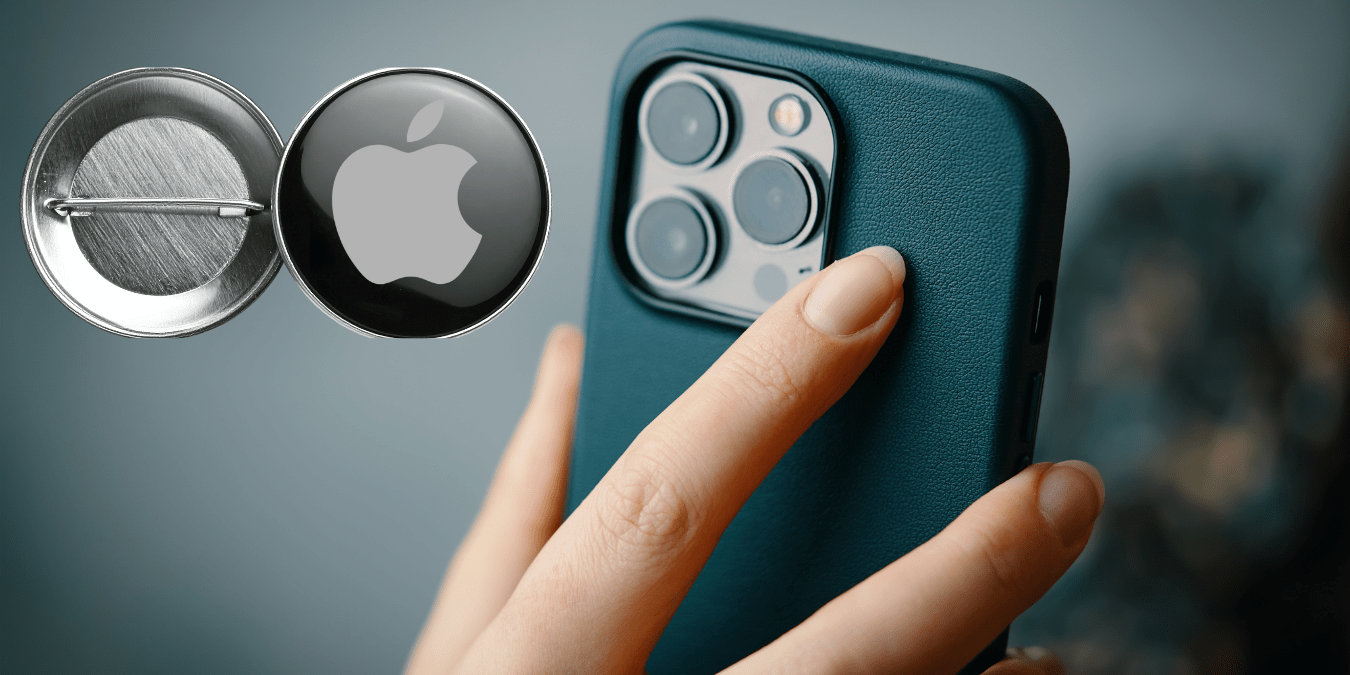
Apple Developing AI Wearable Pin: What Features Will Apple's AI Pin Have
Apple’s secret AI pin: AirTag-sized spy on your kurta? Dual cameras watch markets, Siri whispers UPI ATMs in Hindi—crushing Humane’s epic flop. But 2027 launch hides delays, privacy traps in crowded trains… Will it survive India’s 50°C chaos? Game-changer or dud? Discover now!
Apple’s rumored AI wearable pin could transform daily life for India’s 1.4 billion tech-savvy users, blending hands-free AI with our chaotic urban hustle. From Mumbai local trains to Delhi offices, this AirTag-sized gadget promises smarter interactions without screen distractions.
The Rise of Apple Developing AI Wearable Pin
Fresh reports confirm Apple engineers are prototyping a thin, circular aluminum-glass pin, magnetically clipping to clothes. Slightly thicker than AirTag, it packs dual cameras, three microphones, a speaker, and wireless charging akin to Apple Watch. Powered by upgraded Siri in iOS 27, it captures surroundings for contextual AI responses.
In India, where wearables grew 20% last year to $2.5B market, this fits perfectly amid rising Apple Intelligence adoption post-iOS 18.4 rollout with Hindi support. Unlike Humane’s failed $699 pin (₹58,000), which bombed globally and never launched here due to bugs and overheating, Apple’s ecosystem polish could dominate Flipkart sales.
Design Tailored for Indian Climates
Apple’s AI pin adopts a sleek, lightweight circular form factor—thinner than most smartwatches yet durable with its aluminum-glass build—perfectly suited to India’s diverse weather extremes. During monsoon downpours in Kerala or Mumbai’s humidity (often 90%+), its compact, sweat-resistant magnetic clip stays secure on cotton kurtas, silk sarees, or linen shirts without adding bulk or snagging fabrics, unlike heavier devices like the Apple Watch Ultra.
In sweltering Rajasthan summers hitting 45-50°C or Delhi’s heatwaves, the pin’s minimal profile reduces heat retention compared to wrist-worn wearables that trap sweat and overheat processors. The side-mounted physical button allows one-handed taps for instant activation—crucial for scooter commuters in Bengaluru traffic weaving through autos, or while holding grocery bags in Kolkata markets—triggering Siri queries like “Check AQI” without fumbling for a phone.
Absence of a screen shifts interaction to voice commands and potential gestures (detected via cameras/mics), slashing power draw by avoiding always-on displays that drain batteries in rural power-cut prone areas like Uttar Pradesh villages. Wireless charging via Apple Watch-compatible pucks means quick top-ups at office desks or chai stalls with portable chargers, ideal where outlets are scarce.



Pricing and Accessibility in India
Analysts peg the launch price at ₹20,000-30,000, positioning it below the Apple Watch SE (starting ₹25,900) and well under premium models like Series 10 (₹46,900). This affordability unlocks EMIs via Amazon India (0% interest for 6-12 months), Flipkart Axis cards, or Reliance Digital no-cost plans—making premium AI accessible to India’s 400M+ middle-class smartphone users, not just urban elites.
Compared to local rivals like Boat Nirvana Ion (₹2,500) or Fire-Boltt AI smart rings (₹5,000), Apple’s pin justifies the premium through superior Siri integration and ecosystem perks, like seamless Health app syncing for step counts during Diwali walks. Festive discounts during Holi or Republic Day could drop it to ₹18,000 effective, boosting adoption in Tier-2 cities like Lucknow or Jaipur where EMI culture thrives.
Core Features Revolutionizing India
Apple’s AI wearable pin introduces groundbreaking capabilities tailored for India’s fast-paced, multilingual lifestyle, leveraging sensor fusion and Apple Intelligence for seamless, hands-free operation.
Environmental Awareness
- Dual cameras (standard and wide-angle) capture high-res photos/videos of surroundings, ideal for scanning QR codes at bustling Delhi bazaars or documenting pothole-ridden roads for civic apps.
- Three spatial microphones pick up ambient noises like Mumbai local train announcements (“Next station: Dadar”) or auto-rickshaw horns, feeding data to Siri for proactive alerts like “Your train is delayed.”
- Wide-angle lens excels in crowded spaces, such as Kolkata fish markets, auto-stitching panoramas or identifying ripe produce via AI vision—far surpassing single-camera rivals.
AI Integration
- Enhanced Siri in iOS 27 processes Hinglish queries effortlessly, e.g., “Paas ka UPI ATM kahan hai?” pinpointing nearby outlets with Google Pay/UPI links, saving time in cashless India.
- Real-time recipe generation from market hauls: Snap veggies like bhindi and tomatoes; get instant “Aloo gobi banane ka tarika” with voice readout, perfect for homemakers without recipe apps handy.
- Multilingual support spans Hindi, Tamil, Telugu, and more, bridging urban-rural divides—e.g., Kerala users asking in Malayalam for “Nearest EV charger.”
Health/Notifications
- Syncs vital data to Apple Health app: Tracks subtle motion for step counts during walks to temples, hydration nudges based on India’s humid heat (“Pani piyo, it’s 40°C”).
- Apple Intelligence prioritizes notifications—e.g., family WhatsApp alerts over spam during pooja, delivered via earcons or whispers to avoid social faux pas in meetings.
- Passive monitoring detects falls (like on slippery monsoon streets) and auto-calls emergency contacts with location, integrating with India’s 108 ambulance service.
Productivity Boosts
- Contextual reminders pull from iPhone calendar: “Meeting khatam hone ke baad Ola book karo,” auto-scheduling rides with live traffic from Maps.
- For Bengaluru IT pros, real-time call transcription in Zoom/Teams (“Boss ne kaha Q3 targets double karo”) with summaries emailed, freeing hands for typing code.
- Homemakers get instant label translations: Point at imported Korean ramen in Reliance Fresh—”Yeh vegetarian hai?”—with nutritional breakdowns in regional languages.
These features position the pin as a daily sidekick, outshining Humane’s glitchy predecessor by embedding deeply into Apple’s ecosystem for reliable, India-specific utility.
Apple AI Pin vs Humane’s Flop: Key Wins
Apple’s AI pin addresses every major shortcoming of Humane’s 2024 launch disaster, which earned scathing reviews for unreliability and was discontinued by 2025 after minimal sales and HP’s asset acquisition. Here’s a detailed comparison highlighting Apple’s advantages for the Indian context:
| Feature | Apple’s AI Pin | Humane AI Pin |
| Size & Comfort | AirTag-sized (thin circular, ~5g), magnetic clip for kurtas/sarees; heat-resistant in 45°C summers. | Pin-shaped but bulky/heavy; overheated in tests, uncomfortable for long wear in humid India. |
| Cameras | Dual (standard + wide-angle, 12MP est.); bazaar scans, traffic monitoring, multilingual OCR. | Single low-res camera; blurry in low light, useless for crowded Indian markets. |
| Audio System | 3 spatial mics + speaker; catches train calls, Hinglish dictation with noise cancellation. | Basic mic/speaker; drowned out horns/traffic, poor voice isolation. |
| Response Speed | <2s via iPhone-offloaded Siri/iOS 27; real-time UPI/ride queries. | 8-15s lags due to cloud dependency; frustrating for quick Indian commutes. |
| Battery Life | 8-12 hours est., wireless charging; survives power outages with quick pucks. | 2-4 hours real-world; frequent failures, no viable charging ecosystem in India. |
| AI Capabilities | Contextual Siri (Hindi/Tamil integration), recipe gen, health nudges; Apple Intelligence powered. | Generic queries, frequent hallucinations/errors; no local language support. |
| Display/Interaction | Voice/gestures, haptic feedback; subtle in offices/temples. | Hand-projector (washed out in sunlight); gimmicky, impractical outdoors. |
| Ecosystem | iPhone/Health/AirPods sync; seamless Maps/UPI. | Standalone, no integrations; orphaned post-shutdown. |
| Privacy/Safety | On-device processing, physical button toggle; DPDP-compliant est. | Constant cloud uploads, burn risks; lawsuits ignored bystander privacy. |
| Price (India Est.) | ₹20-30k; EMI-friendly on Flipkart. | ₹58k + ₹2k/mo sub; never viable here, total flop. |
| Reliability | Apple’s track record (99% uptime); beta-tested. | Beta disasters: scratches skin, unreliable—<10k sold globally. |
Apple’s design learns from Humane’s ₹700 crore+ losses, prioritizing ecosystem reliability and India-specific tweaks like language and heat tolerance for mass adoption.
Launch Timeline and Possible Delays
Apple targets a 2027 debut for its AI wearable pin, aligning with post-WWDC 2027 announcements after iOS 27’s full Siri overhaul—expected in beta by June 2026 and stable by September, enabling mature contextual AI. Prototypes are in advanced testing phases, with initial production ramping to 20-30 million units via Foxconn partners, prioritizing US/EU before Asia.
India launch would trail global rollout by 3-6 months, factoring BIS (Bureau of Indian Standards) certification for electronics safety and import duties (18-28% GST + customs), similar to iPhone delays. Festive timing like Diwali 2027 could accelerate availability on platforms like Flipkart, bundled with iPhone 18 deals.
Key Delay Risks
- Regulatory Hurdles: India’s DPDP Act 2023 mandates data localization for sensitive info; pin’s camera/mic data may trigger MeitY audits, delaying clearance like VPN bans.
- Supply Chain Issues: AI chip shortages (TSMC A19 variants) echo 2025 iPhone delays; global demand from OpenAI devices compounds risks.
- Hardware/Software Polish: Vision Pro slipped 6 months from 2023 to 2024 due to eye-tracking bugs; Humane’s battery/heat failures underscore pin risks in prototypes.
- Privacy Audits: EU GDPR and India’s push for similar could mandate “trust light” tweaks, pushing to Q1 2028.
- India-Specific: Heat tolerance testing for 50°C peaks and multilingual Siri validation may add quarters.
Optimistic scenario: September 2027 global, December India. Pessimistic: Mid-2028, but Apple’s history favors on-time delivery post-delays.
Apple AI Pin vs OpenAI-Jony Ive Device
Apple’s AI pin emerges as a compact, ecosystem-tied wearable, while OpenAI’s first hardware—co-designed with ex-Apple guru Jony Ive post-2025 io Products acquisition ($6.4B deal)—shapes up as a premium, screenless innovation launching late 2026.
Core Design Differences
Apple’s pin is a modest AirTag-like clip-on (aluminum-glass, magnetic attach), emphasizing subtle clothing integration with Siri-driven awareness via dual cameras and mics. OpenAI’s device, codenamed “Sweet Pea,” rumors point to wireless earbuds (unique behind-ear or pill-shaped) or a “peaceful” pen/pendant for handwriting-to-ChatGPT transcription, powered by custom 2nm Samsung Exynos chip for local AI.
Sam Altman describes it as a “calm” smartphone alternative, potentially with an egg-shaped dock, aiming beyond screens for intuitive interaction.
Feature and Philosophy Clash
Apple prioritizes iPhone ecosystem lock-in: Wireless charging, Health sync, and contextual Siri (Hindi-ready via iOS 27). OpenAI leverages ChatGPT’s 800M+ users for broader, standalone AI—voice commands replacing Siri, local processing to cut cloud latency.
| Aspect | Apple AI Pin | OpenAI-Jony Ive Device |
| Form Factor | Clip-on pin (AirTag size) | Earbuds/pen/pendant (screenless, pocketable) |
| Launch | 2027 est. | Late 2026 (40-50M units projected) |
| AI Engine | Enhanced Siri/iOS 27 | ChatGPT/custom models, local 2nm chip |
| Key Sensors | Dual cameras, 3 mics, speaker | Audio-focused (buds); possible stylus input |
| Ecosystem | iPhone-dependent, App Store | Standalone, cross-platform |
| Price Est. | $300 (₹25k) | $800-1000+ (high BOM, luxury) |
| India Appeal | Hindi/multilingual, UPI/Maps integration | English-primary, less local lang support initially |
Standalone or iPhone-Dependent?
Apple’s AI pin is poised to mirror the Apple Watch’s hybrid model: primarily Bluetooth/Wi-Fi tethered to an iPhone for intensive AI processing, with limited standalone capabilities to keep costs low and reliability high. Prototypes suggest heavy reliance on nearby iPhones (iOS 27+ required) for cloud/off-device compute, similar to non-LTE Watches that handle basics offline but sync for Siri Intelligence features.
The prominent side button enables independent basics: music playback via paired AirPods, timers/alarms, or simple voice memos—useful for quick tasks without phone proximity. However, advanced functions like real-time video analysis, recipe generation, or UPI queries demand iPhone tethering over Bluetooth 5.3 or Ultra Wideband for low-latency data relay.
Privacy Concerns with AI Wearables
The always-listening microphones and dual cameras on Apple’s AI pin raise alarms in India’s hyper-dense environments, where crowded Mumbai locals (5,000+ per train) or Delhi vegetable markets could inadvertently record bystanders without consent—potentially violating IPC Section 354C (voyeurism).
Apple counters with a visible “trust light” LED (like Humane’s), glowing during captures to signal activity, plus a side-button kill switch for instant opt-out. Core processing happens on-device via A-series Neural Engine, minimizing cloud uploads—aligned with Apple Intelligence’s Private Cloud Compute, where US servers process only anonymized data without retention.
Expert Recommendations and Apple’s Strengths
Analysts advocate edge AI (90% on-device) to slash cloud sends, with granular opt-ins like EU GDPR’s “explicit consent” for shares—expected in iOS 27. Apple’s end-to-end encryption history (iMessage, Health data) reassures, unlike Humane’s unencrypted uploads and glitchy privacy light that failed during recordings.
For Indians, features like “family sharing controls” could limit kids’ pins in schools. Overall, Apple’s privacy-first ethos positions it ahead, but MeitY audits are inevitable pre-launch.
Vs Global Rivals: OpenAI-Ive Device
Apple’s AI pin takes a restrained, accessory-like approach as a clip-on Siri enhancer, sharply contrasting Jony Ive’s ambitious OpenAI project—a “screenless phone” rumored as wireless earbuds or a behind-ear pendant launching late 2026 at ~₹65,000-80,000 ($800+).
Strategic Philosophies
Apple doubles down on ecosystem harmony: Pin tethers to iPhones for secure, on-device AI with Hindi/multilingual Siri, prioritizing privacy and familiarity amid India’s 100M+ Apple base. OpenAI-Ive (post-$6.4B io buyout) disrupts radically, using ChatGPT for “calm computing”—local 2nm processing for raw generative power, but English-centric initially.
Head-to-Head Comparison
| Dimension | Apple AI Pin | OpenAI-Ive Device |
| Positioning | Watch/AirTag accessory | Standalone “post-phone” (earbuds/pendant) |
| AI Strengths | Contextual Siri (UPI, Maps, Health) | ChatGPT creativity (stories, code, raw queries) |
| Privacy | On-device priority, E2E encryption | Cloud-heavy, but local chip mitigates |
| India Languages | Hindi/Tamil/10+ full support | English-first; Hindi beta 2027 est. |
| Price (India) | ₹25k, iPhone bundle | ₹65-80k premium standalone |
| Launch | 2027 | Late 2026 (40M units) |
| Battery/Design | Wireless, clip-on durable | All-day earbuds, Ive elegance |
Apple edges in privacy (DPDP-compliant) and affordability for Tier-2 India, while OpenAI tempts power users with unhinged AI—less ready for Hinglish markets. Samsung/Google Rings lag both in vision AI.
Challenges Ahead
While promising, Apple’s AI pin faces hurdles in conquering India’s diverse terrains and user habits, demanding rigorous adaptations beyond prototypes.
Thermal Management in Extremes
Rajasthan’s 48-50°C summers or Chennai’s humid 40°C could throttle the pin’s Neural Engine, risking shutdowns like early AirPods Pro sweat failures—Foxconn tests must validate IP68-equivalent heat dissipation via vapor chambers. Urban heat islands in Delhi amplify issues during commutes.
Durability for Dusty Streets
IP67/IP68 dust/water resistance is crucial for unpaved Bihar roads or festive Holi colors, preventing mic clogs during Ganesha processions—unlike Humane’s scratch-prone shell. Vibration-proofing for scooter rides on potholed Mumbai streets ensures camera stability.
Data Costs and Connectivity
Cloud bursts for heavy AI (e.g., video analysis) spike Jio/Airtel bills; 1GB/day plans suffice for urbanites, but rural BSNL users need aggressive on-device optimization—Apple’s Private Cloud Compute helps, but localization mandates add latency.
Cultural and Social Fit
Magnetic clip must adhere discreetly to conservative attire like hijabs, dupattas, or dhotis without offending modesty norms in Kerala temples or Lucknow weddings—subtle design over flashy lights. Gender-neutral appeal counters Watch’s wrist-focus for saree-wearers.
Apple’s iterative testing (e.g., Vision Pro India betas) positions it to overcome these, potentially via software updates post-launch.
Final Thought: Game-Changer or Gimmick?
Apple’s AI wearable pin has game-changer potential, poised to eclipse Humane’s spectacular flop by delivering reliable, ecosystem-integrated AI tailored for India’s chaotic vibrancy. Unlike Humane’s laggy, overheating disaster that sold under 10,000 units before HP’s buyout, Apple’s AirTag-sized marvel promises dual cameras for market scans, Hinglish Siri for UPI queries, and heat-resistant design for 50°C summers—perfect for Mumbai commuters dodging autos or Delhi homemakers translating labels hands-free.
At ₹25,000 with iPhone tethering, it democratizes advanced AI via Flipkart EMIs, syncing seamlessly with Health app for hydration nudges amid humid monsoons. Privacy “trust lights” and on-device processing address DPDP fears, outshining OpenAI-Ive’s pricier earbuds. Watch WWDC 2026 for reveals—this could literally “pin” notifications to your kurta, redefining hands-free life and boosting Apple’s $5B Indian wearables play. Not gimmick: Essential evolution for 1B smartphone users.
Disclaimer: The use of any third-party business logos in this content is for informational purposes only and does not imply endorsement or affiliation. All logos are the property of their respective owners, and their use complies with fair use guidelines. For official information, refer to the respective company’s website.