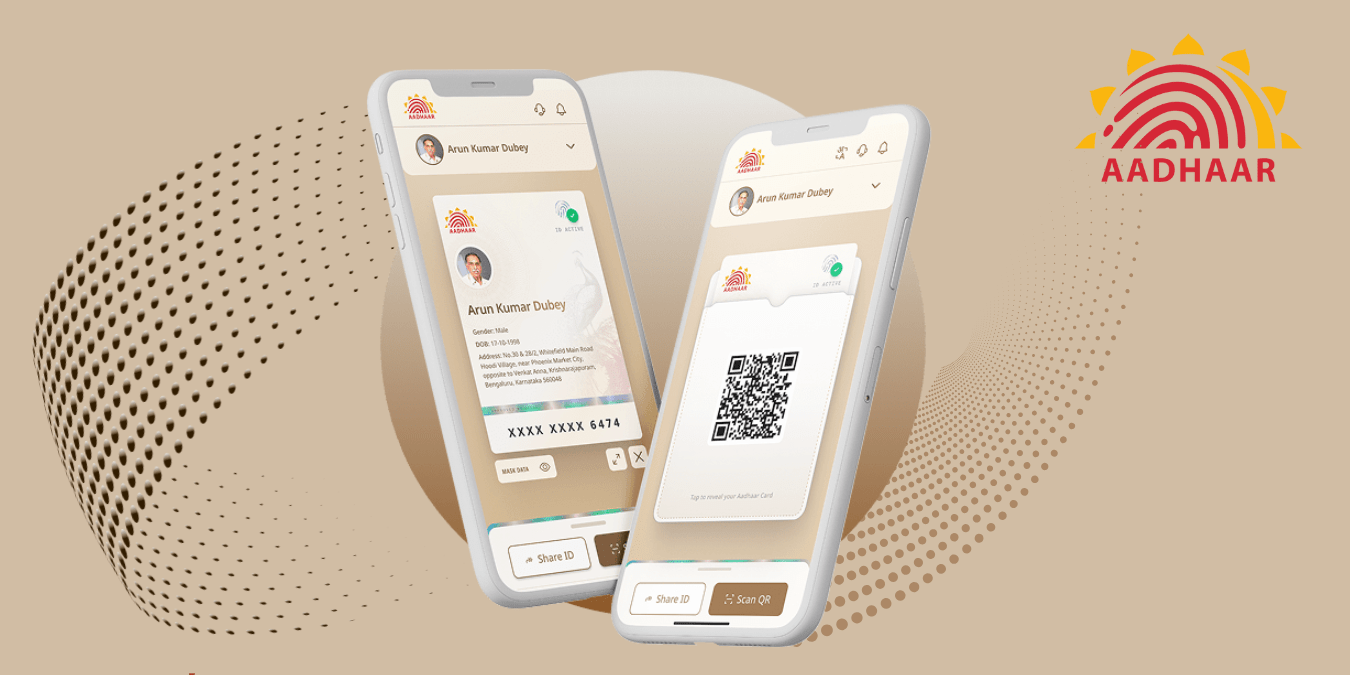
Aadhaar App Launches and UIDAI has made this email-update service free for six months starting 1 July 2026
The Aadhaar ecosystem has taken another important step toward making identity updates easier, faster, and more convenient for residents across India. With the launch of a new email update feature inside the Aadhaar App, users can now add or change their email address without the usual hassle of visiting a physical centre, and UIDAI has made this service free for six months. This move is not just a small app update; it is a meaningful shift in how citizens interact with one of the country’s most widely used identity systems. For millions of people who rely on Aadhaar-linked services for banking, government benefits, insurance, mobile verification, and digital communication, this update could save both time and effort while improving access to official alerts and notifications.
The timing of the announcement is significant as well. In an age when more public services are moving online, even simple identity updates can become frustrating if they require travel, queueing, or extra fees. By allowing email updates directly through the Aadhaar App and waiving the charge for a limited period, UIDAI is sending a clear message: digital convenience should be practical, not complicated. For ordinary users, that means one less obstacle. For the broader digital governance ecosystem, it means better participation, better record quality, and a smoother experience for residents who want to keep their Aadhaar details current.
Why This Update Matters
The new email update feature may sound like a modest change, but it solves a real-world problem that many Aadhaar holders have faced for years. People often change email addresses over time, forget to update their records, or avoid the process because it involves fees or physical visits. That delay can create issues when OTPs, alerts, authentication messages, or service-related notices are sent to an outdated address. A current email ID is often the easiest way to stay connected with financial institutions, government portals, and service providers that depend on Aadhaar verification.
This update is also important because email has become a central layer of digital identity. A phone number may change, apps may be replaced, and physical documents may sit unused, but email remains one of the most stable ways to receive secure notifications. By making email updates easier, UIDAI is helping residents keep their identity records more usable and more responsive to everyday digital life. It is a practical improvement, but one that touches a surprisingly wide range of services.
The six-month free window is equally meaningful. Even a small fee can discourage users from making routine updates, especially when they do not see the immediate urgency. Removing that charge for a limited time gives people a reason to act now instead of postponing the task. That can lead to cleaner records, fewer errors, and a broader culture of timely Aadhaar maintenance.
What UIDAI Has Introduced
UIDAI’s latest feature allows users to add or update their email address through the Aadhaar App itself. The update process is designed to work within the official mobile platform, which means the service can be completed without a trip to an enrolment or service centre. This is a notable change because it puts a common correction task into the hands of the user, rather than routing it through a manual offline process.
Just as important, the service is being offered free of charge for six months. That fee waiver applies only to the app-based route, making the mobile application the primary channel for residents who want to benefit from the offer. In practical terms, this reduces both cost and friction. The user no longer has to choose between convenience and expense.
There is also a broader policy signal here. The government has been steadily pushing for more digital self-service across public systems, and this change fits that direction well. Instead of treating Aadhaar as a static identity number, the system is increasingly being managed as a dynamic digital profile that can be updated and maintained with fewer barriers.
How The Feature Helps Users
For everyday users, the biggest advantage is simplicity. Many Aadhaar-related tasks have historically required paperwork, travel, or dependence on local service providers. When a resident can update an email address from a smartphone, the whole experience becomes much less stressful. It is the kind of improvement that may seem small on paper but feels significant in daily life.
The feature is also valuable for people who use email as their main digital communication channel. If a person changes jobs, switches providers, or sets up a new email account, keeping Aadhaar records aligned becomes essential. Otherwise, they may miss authentication notices or important updates tied to government and financial services. A fresh email ID in the Aadhaar record can reduce the risk of missed communication.
Another benefit is speed. Offline updates can involve waiting periods and repeated follow-ups, while app-based services are usually designed for quick completion. That matters for users who need to update records urgently, especially if the email address is tied to a service they are actively using. In a mobile-first country, speed and convenience are no longer luxuries; they are expectations.
The Six-Month Free Window
The free period is one of the most notable parts of the announcement. UIDAI has made the email update service free through the Aadhaar App for six months, beginning 1 July 2026 and running until 31 December 2026. This limited-time waiver creates a clear incentive for users to update their records during the promotional period rather than waiting indefinitely.
Fee waivers often work well because they remove hesitation. A person who might have ignored an update because of a small cost may now take action immediately. That has two effects: first, it helps the individual keep their record accurate; second, it increases the number of Aadhaar profiles with valid email addresses. When more users have current contact details, the system becomes more reliable overall.
There is also a behavioral angle. A six-month window is long enough to give people time to discover the feature, but short enough to create urgency. That balance is useful in public policy because it encourages action without overwhelming users. If people know the offer has an end date, they are more likely to complete the update sooner.
A Step Toward Digital Convenience
This move reflects a larger shift in how public digital services are being designed. The old model of identity management depended heavily on physical visits and manual verification. The newer model puts more control in the user’s hands and tries to reduce avoidable delays. That change is especially important in a country as large and diverse as India, where access to service centres is not equally convenient for everyone.
The Aadhaar App itself plays a central role in that shift. A good public digital app should not just display information; it should also let users manage important details safely and efficiently. By adding the email update feature, UIDAI is turning the app into a more complete service channel. That improves the app’s utility and makes it more likely that users will keep it installed and active.
This also supports the broader logic of digital governance. When citizens can update records on their own, public systems become less dependent on intermediaries. That can reduce crowding at centres, save administrative time, and improve the quality of contact data in the system. In other words, a small feature update can generate system-wide efficiency gains.
Security And Trust Considerations
Whenever identity records can be changed digitally, security becomes a key concern. That is why users need to stick to the official Aadhaar App and avoid third-party shortcuts or unofficial services. A trustworthy identity update flow should use authentication steps that help confirm the person making the change is the actual Aadhaar holder. This is essential for protecting against misuse.
UIDAI has also been emphasizing app-level privacy and security features, including biometric protection and face authentication in the broader Aadhaar ecosystem. These safeguards matter because they help ensure that convenience does not come at the expense of control. In a system as important as Aadhaar, even a simple change like an email update must be treated with care.
Users should also remain alert to fraudulent messages. When a service becomes popular, scammers often try to imitate official communications. A safe approach is to open the Aadhaar App directly rather than clicking suspicious links or responding to unknown messages. Trust in digital identity systems depends not only on the technology but also on user behavior.
What The Early Response Shows
Early reports indicate that the feature is already seeing strong adoption. Within the first two days, more than 2.5 lakh Aadhaar holders reportedly updated their email IDs through the app. That is a strong sign that users were waiting for a simpler and cheaper option. It also suggests that the demand for self-service Aadhaar updates is real, not theoretical.
This level of uptake tells us something important about public digital products. Users are often willing to adopt new features quickly when the benefit is obvious and the process is simple. If a service saves time, removes a fee, and reduces the need for travel, adoption tends to rise rapidly. The Aadhaar App’s email update feature fits that pattern well.
Rapid adoption also helps policymakers validate the usefulness of the feature. When a public service is used widely within days of launch, it becomes easier to argue that the change addresses a genuine pain point. That can influence future decisions about what other Aadhaar services should be brought into the app environment.
How To Use The Feature
The basic workflow is straightforward. Users need the official Aadhaar App installed on their smartphone. After opening the app and signing in, they can navigate to the relevant section for profile or contact information updates and follow the on-screen steps to add or change their email address. The process is designed to remain within the app, which is why the free offer is tied specifically to that channel.
Before starting, it is wise to make sure the mobile number linked to Aadhaar is active, because authentication messages may be required during the update. A stable internet connection is also helpful to avoid interruptions during the process. Once the update is completed, users should save any confirmation or acknowledgment shown by the app for future reference.
Although the process is meant to be simple, users should still pay attention to every step. Identity updates are sensitive, and accuracy matters. Entering the wrong email address can create avoidable problems later, especially if that email becomes the primary route for Aadhaar-related communication.
Why Email Is Still Important
Some people may wonder why email matters so much when mobile numbers are so widely used in India. The answer is that email remains one of the most stable and versatile digital contact points. Phone numbers change more often than many people realize. Devices get replaced, SIMs are switched, and numbers may be retired. Email, on the other hand, often stays in use across years and across services.
Email is also deeply integrated into the digital economy. Banks, insurers, travel systems, e-commerce platforms, tax portals, and government services all rely on it for alerts and records. When Aadhaar is linked to an accurate email ID, users are better positioned to receive timely updates and complete online verification processes with less friction. That makes the record more functional, not just more complete.
In a sense, an email address is now part of a person’s digital identity toolkit. It serves as a communication bridge across services, and that is why keeping it current matters. UIDAI’s new feature recognizes that reality and makes the update process easier for the average resident.
Impact On Public Services
The benefits of this update extend beyond individual users. Public systems work better when their contact records are accurate. If more Aadhaar profiles contain valid email addresses, government agencies and associated service providers can communicate more reliably. That can improve message delivery, reduce the chance of missed notifications, and strengthen user engagement with digital services.
This may also reduce pressure on physical service centres. Every update completed through the app is one less manual request that needs to be processed offline. Over time, that can free up resources for more complex cases that genuinely require in-person assistance. For administrators, that is an operational advantage. For citizens, it is a convenience gain.
There is also a trust dimension. When people see that a public system is becoming easier to use, they are more likely to view it as responsive and modern. That matters in a large-scale identity program, where user confidence is essential. A service that feels accessible is more likely to be used regularly and maintained properly.
What Users Should Keep In Mind
Even with the free offer, users should not treat the update as a casual formality. They need to enter the correct email address, ensure the mobile number linked to Aadhaar is active, and verify that the update has gone through successfully. It is also important to use only the official app and not depend on unofficial intermediaries promising faster results.
Residents should remember that the free service is temporary. The waiver lasts for six months, and after that period, the fee structure may change again. That means those who want to benefit from the offer should not delay unnecessarily. Completing the update early can help avoid last-minute rushes closer to the end of the promotional window.
It is also useful to keep other Aadhaar details updated at the same time if needed. A clean identity record is easier to manage than one with outdated contact information. The more accurate the profile, the fewer problems users are likely to face when accessing linked services in the future.
A Broader Digital India Signal
This launch fits into a much larger story about India’s digital transformation. The country has made strong progress in bringing public services online, but the real measure of success is not just availability. It is usability. A digital service must be simple enough for ordinary citizens to use without frustration. By allowing email updates through the Aadhaar App and waiving the fee for a limited time, UIDAI is moving in that direction.
The change also reflects a more mature approach to public technology. Instead of expecting users to adapt endlessly to bureaucratic processes, the system is beginning to adapt to user behavior. That is a subtle but important shift. It suggests a future where public digital tools are designed more like consumer apps: fast, intuitive, and centered on convenience.
For India’s digital ecosystem, these small improvements matter. They build confidence, encourage participation, and make online governance feel less distant. Over time, a series of such practical changes can have a bigger impact than a single dramatic announcement.
Final Take
The Aadhaar App’s new email update feature is a useful, citizen-friendly upgrade that addresses a common administrative need with minimal friction. By making the service free for six months, UIDAI has added a strong incentive for users to keep their records current while also promoting the use of official digital channels. It is a smart combination of convenience, cost relief, and policy intent.
For users, the message is simple: if your Aadhaar email ID is outdated or missing, this is the right time to fix it. A few minutes spent updating the record now can help you avoid future inconvenience, missed alerts, and unnecessary visits to service centres. In a digital-first environment, small details like a correct email address can make a surprisingly big difference.