Your Co-Signer's Missed EMI Just Tanked Your Score — What to Do Right Now Before It Gets Worse
Your credit score just crashed — and you didn’t miss a single payment. One person’s mistake silently destroyed what took you years to build. The damage is spreading right now, and most people don’t act until it’s too late. Here’s exactly what you must do before the next billing cycle closes.
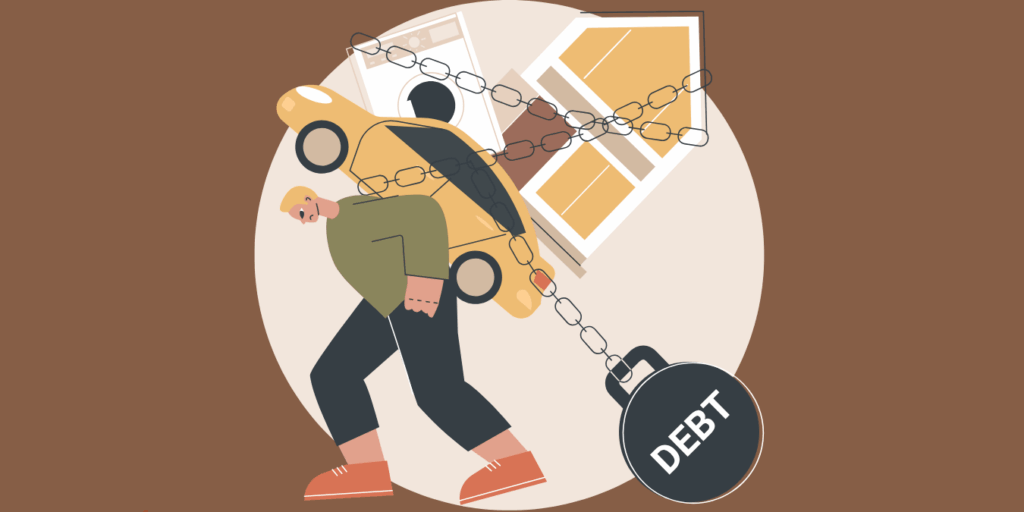
You did everything right. You paid your bills on time, kept your credit utilization low, and built your credit score carefully over months or even years. Then one morning, you check your credit report and your stomach drops. Your score has taken a significant hit — not because of anything you did, but because the person you co-signed a loan for missed an EMI payment. Welcome to one of the most frustrating and misunderstood traps in personal finance.
If this just happened to you, take a breath. The situation is serious, but it is not hopeless. The actions you take in the next few days and weeks will determine whether this becomes a minor setback or a long-term financial scar. This guide walks you through exactly what to do, step by step, with the kind of clarity that most generic finance articles skip entirely.
Understanding Why This Hit You So Hard
Before you can fix the problem, you need to understand why a co-signer arrangement puts your credit score so directly in the crossfire. When you co-sign a loan — whether it is a home loan, personal loan, vehicle loan, or even an education loan — you are not simply vouching for someone. In the eyes of the lender and credit bureaus like CIBIL, Experian, or CRIF High Mark, you are equally responsible for that debt. There is no distinction between “primary borrower” and “co-signer” when it comes to credit reporting. The loan appears on both credit profiles, and every payment history — good or bad — is reflected on both.
This means a single missed EMI can trigger a 30-day late payment mark on your credit report, which CIBIL and other bureaus treat as one of the most damaging negative entries possible. A 30-day delinquency can drop a healthy score by anywhere from 50 to 100 points depending on your overall credit profile. If the EMI remains unpaid and crosses 60 or 90 days, the damage compounds. At 90 days overdue, the account may be flagged as a Non-Performing Asset (NPA), which is among the worst labels a credit account can carry.
Step One: Verify the Damage Immediately
Do not rely on what someone told you or what you vaguely noticed. Pull your credit report right now from the official CIBIL website or through Experian India, CRIF High Mark, or Equifax. Under RBI guidelines, you are entitled to one free credit report per year from each bureau. Reviewing your actual report — not just your score — is critical because it will show you exactly which account was flagged, how many days the payment was overdue, and whether the lender has already reported it as a default.
Look specifically for the “Days Past Due” (DPD) column on the account in question. A DPD of 30 means the EMI was missed by 30 days. A DPD of 000 means the account is current. Anything above 000 is a red flag and gets progressively more serious. Also check whether the account has been marked “Settled,” “Written Off,” or “NPA” — each of these carries its own weight in terms of how long it will negatively affect your score and how lenders will view your application in the future.
Step Two: Contact the Lender Before Anything Else
This is the most time-sensitive move you can make. Lenders typically report payment status to credit bureaus on a monthly cycle, often between the 5th and 15th of the following month. If the missed EMI is recent and has not yet been officially reported, or if it has been reported at 30 days but not yet at 60 days, getting the amount paid immediately can prevent the situation from escalating further.
Call the lender’s customer care line, visit the nearest branch, or log into the loan account portal. Confirm the exact overdue amount, including any late payment penalties or penal interest that may have accrued. Pay the outstanding EMI and fees in full as quickly as possible. Once the payment clears, request a written confirmation — an email or letter from the lender — stating that the account is now current and regularized. This document will be essential later.
Do not assume the lender will automatically update the credit bureau with the correct information just because you paid. Lenders submit updated data on a fixed cycle, and sometimes errors or delays occur. Keep your proof of payment and the written confirmation in a safe, accessible place.
Step Three: Have an Honest Conversation with Your Co-Signer
This step is uncomfortable, but it is unavoidable. You need to sit down with the person whose loan you co-signed and have a direct, factual conversation about what happened and what needs to change going forward. If this was a one-time oversight — a salary delay, a forgotten due date, a technical issue with auto-debit — then establish a clear plan to prevent recurrence. Set up SMS and email payment reminders together. If possible, suggest they activate an auto-debit mandate so the EMI is pulled automatically from their account each month.
However, if the missed payment was due to financial distress — job loss, a medical emergency, a business setback — then the conversation needs to go deeper. You may need to explore whether the two of you should approach the lender together to request a loan restructuring, an EMI moratorium, or a revised repayment schedule. Lenders are often more willing to accommodate such requests when approached proactively and in good faith rather than after multiple defaults. Being transparent early gives you options; waiting until the account becomes an NPA takes those options away.
If the relationship with the co-signer has broken down or they are unwilling to cooperate, the situation becomes more legally complex. In that case, consult a financial advisor or legal professional about your options, which may include taking over the loan yourself, seeking to be removed as a co-signer (which most lenders allow only if the borrower refinances or someone else takes your place), or in extreme cases, pursuing legal remedies.
Step Four: Dispute Incorrect Reporting If Necessary
If the payment was actually made on time but still got flagged — due to a lender error, a failed auto-debit, or a processing glitch — you have the right to raise a dispute with the credit bureau. Both CIBIL and other bureaus have formal dispute resolution processes that are regulated by the Reserve Bank of India.
To raise a dispute with CIBIL, you can log into their website, navigate to the dispute section, select the account in question, and submit your complaint along with supporting documents such as bank statements proving the payment was made, lender receipts, or the written confirmation of regularization you obtained earlier. CIBIL is required to review the dispute within 30 days and respond. If the lender confirms the error, the bureau will correct the information and your score will be recalculated accordingly.
Even if the missed payment was genuine and not a reporting error, it is worth monitoring the account closely over the next few months to ensure the lender is updating the credit bureau correctly as you bring the account back into good standing. Incomplete or delayed updates are more common than most borrowers realize, and catching them early saves you from unnecessary long-term damage.
Step Five: Begin Active Credit Score Repair
Once the immediate fire is out — the overdue amount is paid, the lender has confirmed the account is current, and any disputes are filed — you shift from crisis mode to recovery mode. Credit scores are dynamic, and a single missed payment, especially one that was quickly corrected, does not have to define your credit profile permanently.
The most effective way to rebuild your score is through consistent, on-time payment behavior on all your existing accounts. This includes credit cards, personal loans, vehicle EMIs, and any other credit lines. Each month that passes with a clean payment record slowly dilutes the negative impact of the missed EMI. CIBIL and other bureaus give more weight to recent behavior, so a string of on-time payments over the next six to twelve months will meaningfully improve your score.
Keep your credit utilization ratio — the percentage of your available credit limit that you are actually using — below 30 percent. If you are close to maxing out a credit card, paying it down will give your score an almost immediate boost. Avoid applying for multiple new loans or credit cards in quick succession, as each hard inquiry temporarily lowers your score and signals financial stress to lenders.
If your score has dropped to a level that makes near-term borrowing difficult, consider a secured credit card or a small credit-builder loan as a tool to demonstrate responsible credit behavior. These products are specifically designed for credit rehabilitation and are widely available from banks and NBFCs in India.
Step Six: Protect Yourself from Future Co-Signing Risks
Once you have navigated through this experience, it is worth taking a step back to reassess your approach to co-signing in general. This is not about becoming overly cautious or distrustful — it is about making informed decisions with a clear understanding of the risks involved.
Before agreeing to co-sign any loan in the future, ask for transparency on the borrower’s financial situation. Review their income, existing obligations, and repayment capacity honestly. Establish a written agreement between the two of you (separate from the loan documents) that outlines responsibilities, communication protocols if payments are ever at risk, and the steps both parties will take in the event of financial difficulty. This kind of informal agreement has no legal standing in most cases, but it sets expectations and reduces the likelihood of surprises.
Also, monitor co-signed accounts regularly. You can do this by pulling your credit report every few months — it will show the status of every account linked to your profile, including co-signed loans. Catching a missed payment at the 30-day mark is vastly easier to address than discovering a 90-day delinquency that has already triggered NPA classification.
How Long Will This Stay on Your Report?
Under Indian credit bureau regulations, negative entries such as late payments, defaults, and settlements typically remain on your credit report for seven years from the date of the incident. This does not mean your score will stay low for seven years — consistent positive behavior will steadily improve your score well before that period ends. But the entry itself will remain visible to lenders who review your detailed report.
This is another reason why acting quickly matters. The sooner the account is regularized and the payment history improves, the less prominent that negative entry becomes in the overall context of your credit profile. A lender reviewing your report two years from now will see one late payment surrounded by dozens of on-time payments, which tells a very different story than a report showing a pattern of defaults.
A Note on Emotional Stress and Financial Decision-Making
It is worth acknowledging that this kind of situation is not just financially stressful — it is emotionally charged. Co-signed loans typically involve close relationships: a parent for a child’s education loan, a spouse for a joint home loan, or a close friend who needed a hand getting started. When that relationship intersects with financial damage, the stress can cloud your judgment and lead to reactive decisions.
Take the time to separate the emotional response from the financial response. The practical steps outlined above are what actually improve your situation. Getting into a protracted argument, making impulsive financial decisions, or ignoring the issue because you are overwhelmed — none of these serve your long-term interests. If you find that the stress is affecting your ability to take action, reach out to a certified financial counselor. SEBI-registered investment advisors and RBI-recognized financial counseling centers can provide structured guidance without the judgment.
What Lenders Actually See When They Review Your Application
If you are planning to apply for a home loan, a car loan, or a business loan in the near future, understanding how lenders evaluate your credit report is essential. Most banks and NBFCs use a combination of your CIBIL score and a detailed manual review of your credit history. A score below 700 will trigger closer scrutiny, and anything below 650 may result in outright rejection or significantly higher interest rates.
During a manual review, a loan officer will look at the specific account that was delinquent, the nature of the default, how quickly it was resolved, and the pattern of behavior since then. A single missed EMI that was paid promptly within 30 days and followed by consistent on-time payments reads very differently from a 90-day default. Being prepared to explain the co-signer situation if asked — calmly and factually — can also work in your favor. Lenders are human and do take context into account, especially if your broader credit history is strong.
The Bottom Line
A co-signer’s missed EMI is a serious problem, but it is a solvable one. The key is speed, accuracy, and a commitment to consistent behavior going forward. Pull your credit report today. Contact the lender and get the overdue amount paid. File a dispute if the reporting is inaccurate. Have a direct conversation with your co-signer about what changes need to happen. And then focus on rebuilding through steady, disciplined credit behavior month after month.
Your score is not a permanent verdict — it is a snapshot of your financial behavior over time. With the right actions taken right now, that snapshot will look dramatically different twelve months from today. The worst thing you can do is nothing. The best thing you can do is start fixing it before the next billing cycle closes.