What Happens to Your LPG Cylinder Supply If You Don't Switch to PNG — Here's What the New Rule Says
What Happens to Your LPG Cylinder Supply If You Don’t Switch to PNG — Here’s What the New Rule Says
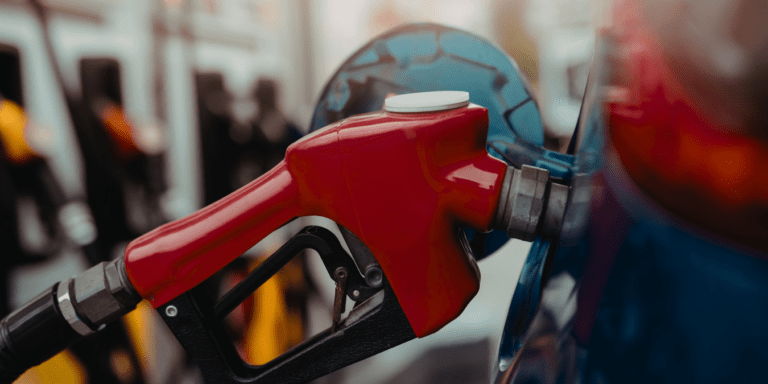
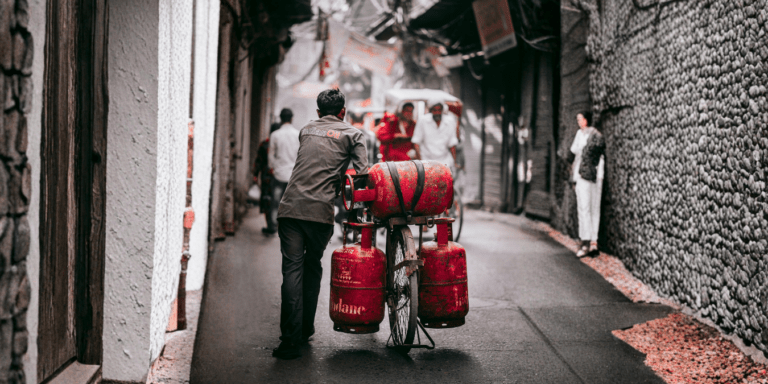
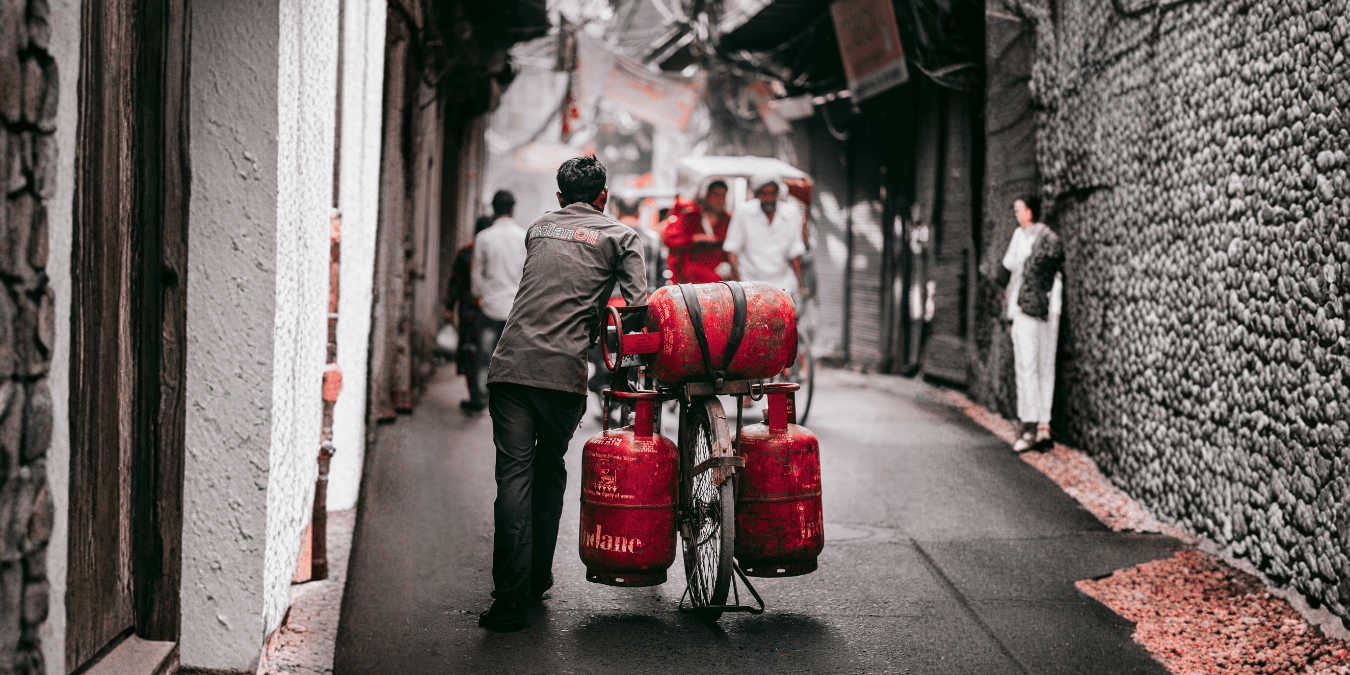
The Indian government has just issued one of the most consequential energy directives in years. Effective from March 24, 2026, if you live in an area where piped natural gas (PNG) is already available and you choose not to switch, your LPG cylinder supply will be cut off within three months. This isn’t a rumour — it’s a formal government order that affects millions of households across India.
India’s Energy Landscape Just Changed — Permanently
India has long depended on LPG cylinders as the backbone of domestic cooking fuel. But a combination of geopolitical shocks, global supply disruptions, and a long-term vision for a gas-based economy has forced the government’s hand. On March 24, 2026, the Ministry of Petroleum and Natural Gas issued the Natural Gas and Petroleum Products Distribution (Through Laying, Building, Operation and Expansion of Pipelines and Other Facilities) Order, 2026 — a comprehensive legal framework that changes how India distributes cooking fuel at the household level.
At its core, the order does one simple but far-reaching thing: it makes switching from LPG to PNG mandatory in areas where pipeline connectivity already exists. The government is no longer nudging citizens — it is mandating action, with a hard three-month deadline and real consequences for non-compliance.
Why Did the Government Act Now? The West Asia Crisis Explained
To understand this policy, you need to understand the crisis that drove it. India imports a massive share of its LPG from the Middle East. With the ongoing war in West Asia severely disrupting shipping lanes — particularly around the Strait of Hormuz, a critical chokepoint for global LPG shipments — India’s import-dependent LPG supply chain came under serious stress. Liquefaction facilities in the Gulf have been damaged, and supply volumes have dropped significantly.
Rather than waiting for a shortage to become a crisis, the government chose a structural response: reallocate LPG supplies from urban areas that already have pipeline access to rural and semi-urban areas that still depend entirely on cylinders. The logic is sound — why supply LPG to a home that has a perfectly functional gas pipeline running through its wall?
Oil Secretary Neeraj Mittal described the move as turning “a crisis into an opportunity,” framing the policy as a chance to accelerate India’s long-delayed transition to a gas-based economy while securing energy supply for those who truly need LPG.
Exactly What the Order Says — Word for Word
The order is issued under the Essential Commodities Act, which gives it the force of law. The key provision reads: once an authorised entity (a City Gas Distribution or CGD company) formally notifies a household that PNG is available at their address, the household must apply for a PNG connection. Critically, it states that “the LPG supply to such an address shall cease after three months from the date of the communication.”
There is one important exception: if it is “technically infeasible” to provide a PNG connection to a specific address — due to structural constraints of a building, for example — LPG supply may continue, but only after a no-objection certificate (NOC) is issued by the authorised entity confirming the infeasibility.
The order also requires authorities to grant pipeline-laying permissions within specified timelines. If permissions are not granted within the prescribed window, they are considered deemed approved — removing bureaucratic bottlenecks that have historically slowed PNG rollout.
Step-by-Step: What Will Happen From Now
LPG vs PNG — A Practical Household Comparison
For many households, this transition raises a key question: is PNG actually better? Here is an honest, side-by-side look at what you can expect.
| Feature | LPG Cylinder | Piped PNG |
|---|---|---|
| Supply Method | Manual cylinder delivery | Continuous pipeline supply |
| Need to Book Refills | Yes — Inconvenient | No — Always On |
| Risk of Running Out | High — Mid-Cooking Risk | Negligible |
| Monthly Cost | Varies with market rate | Generally lower per unit |
| Safety | Cylinder explosion risk | Safer — No Cylinder |
| Environmental Impact | Higher carbon per delivery | Cleaner Burning |
| Government Mandate (2026) | Being Phased Out | Mandated Where Available |
Why PNG Is India’s Strategic Bet for the Future
The shift to PNG is not just about convenience — it is a fundamental pillar of India’s energy security strategy. By reducing its dependence on imported LPG, India insulates itself from future geopolitical shocks. Domestic gas production, combined with an expanding City Gas Distribution (CGD) network, gives the country far greater control over its own fuel supply chain.
The government has been fast-tracking gas pipeline infrastructure as part of its goal to build a “gas-based economy.” With over 600 geographical areas awarded for CGD development and pipelines spreading into Tier 2 and Tier 3 cities, the PNG network is expanding rapidly. The 2026 order accelerates this by streamlining land permissions, removing bureaucratic delays, and ensuring last-mile connectivity reaches individual homes.
Officials have also made clear that LPG freed up from urban PNG-connected areas will be redirected to underserved rural regions that have no pipeline access — ensuring equitable energy access across the country.
Who Is Exempt — and Under What Conditions?
The order also mandates that authorised entities document each case of infeasibility and are required to revisit these exemptions once conditions allow for pipeline access. This means even temporary exemptions may eventually expire as infrastructure improves in your area.
Renters should note: the responsibility for obtaining a PNG connection formally rests with the property — but tenants will need to coordinate with their landlords to ensure compliance. If a landlord refuses, it is advisable to seek legal clarity with the CGD provider about your specific situation.
How to Apply for a PNG Connection — Right Now
The process of switching to PNG is simpler than most people think. Here is a complete checklist to get it done without delay.
- Identify your city’s authorised CGD company — common ones include IGL (Delhi), MGL (Mumbai), Adani Gas, GAIL Gas, BPCL, and Torrent Gas
- Visit the company’s official website or mobile app and navigate to the “New PNG Connection” or “Domestic Connection” section
- Submit your application online or via email — you will need your address proof, ID proof, and existing LPG consumer number
- A company technician will conduct a site survey to assess feasibility and plan pipeline routing to your kitchen
- Pay the one-time connection charge (varies by company and city — often subsidised or waived during incentive periods)
- A licensed plumber will install the pipeline and meter; this typically takes one to three working days
- Once installation is complete and tested, your stove is connected — no cylinders needed from this point forward
- Surrender your existing LPG cylinder and connection to claim your LPG security deposit refund
Act Before the Deadline — Not After
Do not wait for your LPG supply to be cut off to take action. Proactively applying for PNG means you stay in control, may qualify for incentives, and avoid the disruption of a sudden fuel cutoff. Your three-month window starts from the date your CGD company notifies you — not from today.
Frequently Asked Questions
Reading Between the Lines — What This Really Means
The 2026 order also has important downstream effects on the LPG distribution industry. Cylinder distributors in urban areas with high PNG penetration will see a significant reduction in their customer base. The government appears to be managing this transition by redirecting LPG supply chains toward rural areas, which helps distributors serving those markets while pulling back from urban congested networks.
From a macroeconomic perspective, reducing urban LPG demand also reduces India’s LPG import bill — a meaningful saving given that India imports a substantial portion of its LPG requirements. As global energy markets remain volatile amid the West Asia conflict, every percentage point of import substitution strengthens India’s current account position.
What This Means for India’s Gas-Based Economy Vision
India has a stated goal of raising the share of natural gas in its energy mix to 15% by 2030, up from around 6% currently. The 2026 PNG mandate is one of the most concrete steps taken toward that goal. By pushing millions of urban households onto the PNG grid, the government is simultaneously building demand, justifying infrastructure investment, and reducing import dependence — a virtuous cycle.
The order’s provision on deemed approvals for pipeline permissions is particularly significant. Historically, CGD companies have faced long delays from municipalities and housing societies in getting permission to lay last-mile pipelines. By making delays automatically result in approval, the order removes one of the biggest practical barriers to PNG expansion.
India’s City Gas Distribution sector, which includes major players like Indraprastha Gas Limited (IGL), Mahanagar Gas (MGL), Gujarat Gas, and Adani Total Gas, is expected to see a significant acceleration in connections in the coming months as this mandate drives households to apply in large numbers.
Financial Impact of Switching — What You Save
Beyond the policy compliance angle, there is a genuine financial case for switching to PNG. On a per-unit-of-energy basis, PNG is consistently cheaper than LPG for regular cooking use. An average urban household using one to two LPG cylinders per month can expect to see a reduction in monthly cooking fuel expenditure after switching to PNG, depending on city-specific PNG tariffs.
There is also a safety dividend. LPG cylinders carry an inherent risk of leaks, mishandling, and in rare cases, explosions or fires — particularly in densely packed urban housing. PNG, delivered at low pressure through sealed pipelines, significantly reduces these risks. Insurance companies in some markets have begun factoring PNG connectivity into home insurance assessments.
Finally, consider resale and rental value. In urban property markets, a PNG connection is increasingly considered a standard amenity. Homes with PNG connectivity command a small but measurable premium over those without, as buyers and renters value the convenience and cost savings it offers.
What You Need to Do — Right Now
The new 2026 order is clear, legally binding, and already in effect. If you live in an area with PNG connectivity and you are still using LPG, you need to act. Here is your priority checklist:
- Check immediately whether PNG is available in your area — visit your local CGD company’s website or call their helpline
- If PNG is available, start your application process as soon as possible — do not wait for a notification letter to arrive
- If you believe your address is technically infeasible for PNG, contact your CGD company and request a formal assessment and NOC
- Talk to your housing society or landlord if you live in an apartment — coordinate a society-level application if multiple units are affected
- Look for current incentives from your CGD provider — connection fees and cashback offers are available in many cities
- Once connected, surrender your LPG connection and claim your security deposit refund
Stay Informed — Energy Policy Is Moving Fast
India’s energy sector is undergoing the fastest structural transformation in decades. Bookmark DailyFinancial.in for the latest updates on PNG tariffs, LPG policy changes, City Gas Distribution news, and personal finance guidance that affects your household directly.