War Premium, Sanctions, and Discounted Crude: Why India's Rush Back to Russian Oil Is More Complex Than You Think
India had almost ditched Russian oil — until Iran’s war changed everything overnight. Now Washington is quietly handing New Delhi a secret waiver to buy Moscow’s crude. Behind this three-way deal lies a ticking 30-day clock, a 50-day countdown, and a petrol price shock nobody is talking about.
On the surface, it looks like a simple story: Iran’s war has shut down the Strait of Hormuz, India’s oil supply is threatened, and so New Delhi is turning back to Moscow for cheap crude. Case closed.
But the reality unfolding in global energy markets this week is far more layered — and far more consequential for every Indian who fills a petrol tank, pays an electricity bill, or watches the rupee fluctuate. It involves US sanctions, a last-minute waiver, a fragile diplomatic pivot, a 54-day oil countdown, and a geopolitical balancing act that India has been quietly rehearsing for four years. Here is the full, unfiltered picture.
⚡ Breaking (March 6, 2026): The US has issued a 30-day waiver allowing India to purchase Russian crude oil stranded at sea, valid until April 4, 2026 — reversing months of intense pressure on New Delhi to stop buying Russian energy.
The Strait of Hormuz: India’s Jugular Vein for Energy
To understand India’s current vulnerability, you must first understand the Strait of Hormuz — the narrow, 33-kilometre-wide waterway that connects the Persian Gulf to the Arabian Sea. This single chokepoint carries approximately 20% of the world’s total oil supply. For India specifically, the stakes are even higher.
According to Kpler, roughly half of India’s crude oil imports transit the Strait of Hormuz. More alarmingly, an estimated 85% of India’s liquefied petroleum gas (LPG) supply — the cooking gas that over 300 million Indian households depend on — flows through this same passage. Since the US-led war on Iran escalated, Tehran has threatened to attack any vessel attempting to transit the Strait. The result: traffic through the Strait has effectively ground to a halt.
Indian state refiners and government officials held emergency meetings over the weekend of March 1-2, 2026, to hammer out contingency plans. Two realities were on the table: India had roughly 50 days of crude oil stocks (25 days of finished petroleum products plus 25 days of crude reserves), and the Middle East supply window was closing fast.
| India’s Energy Exposure | Details |
| Strait of Hormuz oil dependency | 50% of total crude imports |
| LPG supply via Hormuz | 85% of national LPG supply |
| Current crude oil stocks | 50 days (as of March 5, 2026) |
| Russian crude imports (current) | 1.4 million barrels per day |
| Russian share of India’s imports | 35% (Moscow Times estimate) |
| Brent crude surge (March 6) | +8.5%, closing at $81.01/barrel |
Why India Drifted Away from Russian Oil in the First Place
This is the part of the story that most mainstream headlines skip. India’s pivot back to Russian crude in 2026 is not happening in a vacuum — it is a reversal of a deliberate, US-pressured policy shift that played out over the second half of 2025.
After Russia invaded Ukraine in February 2022, India — spotting an opportunity — became Moscow’s single most important buyer of seaborne crude, absorbing Russian barrels at steeply discounted prices that Western buyers had abandoned. At its peak, Russia accounted for roughly 35-40% of India’s total oil imports, making it India’s top supplier by a wide margin.
Washington was not amused. In August 2025, the Trump administration imposed a punishing 50% tariff on all imports from India — including a 25% levy specifically targeting India’s Russian oil purchases. The message was unambiguous: buy Russian crude and pay the price. India, in the middle of a sensitive US trade deal negotiation, blinked. By late 2025 and early 2026, Indian refineries had begun meaningfully cutting back their Russian crude purchases and increasing imports from Middle Eastern and American sources. The punitive 25% penalty tariff was finally removed last month, conditional on India continuing to reduce Russian imports.
📌 Key Context: India faced 50% US tariffs in August 2025 — including a 25% penalty specifically for buying Russian oil. New Delhi had been cutting Russian imports since late 2025 as part of a US trade deal. The Iran war has now reversed that calculus entirely.
The Iran War Changes Everything — And Washington Knows It
The Iran conflict has fundamentally altered the leverage equation. India’s oil ministry officials were pushing the foreign affairs ministry to secure a US waiver even before the emergency meetings of March 1-2, according to Bloomberg sources. The logic was straightforward: the US military’s strikes on Iran are the proximate cause of the Hormuz blockade. Washington cannot simultaneously cause a supply crisis and punish India for responding to it.
The US Treasury Department — under Secretary Scott Bessent — moved swiftly. On March 5-6, 2026, the Office of Foreign Assets Control (OFAC) issued a temporary license permitting Indian firms to purchase Russian crude oil and petroleum products that were loaded onto vessels before March 5, 2026. The waiver runs until April 4, 2026 at 12:01 AM Washington time.
The carefully worded rationale from Bessent on X: the measure covers oil already stranded at sea and will not provide significant financial benefit to Russia. In other words, Washington has given India a diplomatic lifeline while trying to minimise the optics of softening its Russia stance. The subtext is clear: the US needs India stable, and cheap Russian oil is the fastest stabiliser available.



What the Market Is Saying
The energy market has reacted dramatically. West Texas Intermediate (WTI) crude surged 8.51%, or $6.35, to close at $81.01 per barrel on Thursday — its biggest single-day gain since May 2020. Brent crude climbed over 3% in Asian trade. The fear is not just current supply disruption; it is the possibility that the Hormuz blockade persists for weeks or months, draining emergency reserves globally.
Muyu Xu, senior research analyst at Kpler, noted: based on market intelligence, India has likely already bought 6-8 million barrels of Russian oil over the past 2-3 days as refiners scramble for prompt supply. Two tankers carrying approximately 1.4 million barrels of Urals crude — which had been signalling destinations in East Asia — switched course and redirected to Indian ports, ship-tracking data from Kpler and Vortexa confirmed.
The Three Layers of Complexity India Must Navigate
1. The Discount Has Narrowed — This Is Not the 2022 Bargain
When India first ramped up Russian crude imports in 2022, Urals oil was trading at discounts of $25-35 per barrel versus Brent — an extraordinary windfall for Indian refineries. That era is over. US sanctions, the G7 price cap mechanism, and Russia’s own supply management have compressed the available discount significantly. The war premium now embedded in global oil prices partially offsets any remaining Russian discount.
The financial benefit to India in 2026 is real but far more modest than 2022 headlines suggest. Indian refiners are buying Russian crude primarily for supply security, not as a pure profit play.
2. The 30-Day Waiver Is a Ticking Clock, Not a Policy Change
The US waiver expires on April 4, 2026. It covers only oil already loaded before March 5 — not new shipments. Euronews analysis correctly notes this is not a broad relaxation of secondary US sanctions; it addresses a specific, acute supply emergency. Secretary Bessent has explicitly stated that India is expected to increase purchases of American crude once the immediate crisis passes.
India is essentially being allowed to use Russian oil as an emergency bridge, with Washington expecting to be repaid in long-term American crude contracts. The geopolitical transaction is happening in real time.
3. Logistics and Insurance Costs Are a Hidden Burden
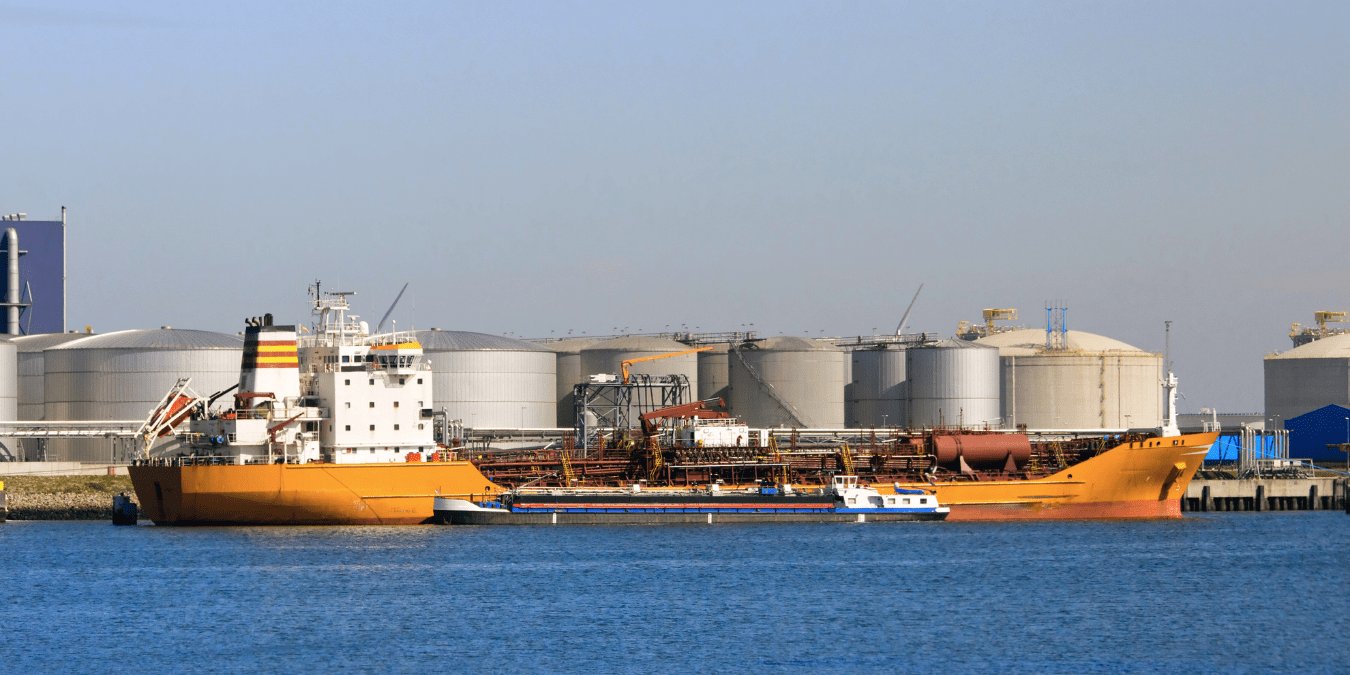
Even with Russian oil now accessible, Indian refineries face elevated freight and insurance costs. Tankers rerouting away from the Gulf face longer voyage times. Vessels transiting near conflict zones face war risk insurance surcharges that have spiked dramatically. The US government has reportedly offered political risk insurance for tankers transiting the Gulf — but coverage is incomplete and expensive.
For India-specific context: Urals crude loads in the Baltic and Black Seas. Voyage times to Indian west coast ports are materially longer than Gulf shipments, tying up working capital in transit inventory. Rystad Energy’s Prateek Pandey has warned that if the Middle East disruption continues beyond 3-4 weeks, Indian refineries will start to feel real operational pressure.
| Complexity Factor | Current Status | Risk Level |
| Russian crude discount vs Brent | Narrowed vs 2022 levels | Medium |
| US sanctions waiver | Valid until April 4, 2026 only | High |
| Hormuz blockade duration | No laden tankers since March 1 | Critical |
| India’s crude oil stocks | 50 days as of March 5 | Manageable |
| War risk insurance costs | Sharply elevated | Medium-High |
| Freight time (Urals to India) | Longer than Gulf routes | Medium |
What This Means for Indian Consumers and the Rupee
The most immediate impact for ordinary Indians is at the petrol pump and the cooking gas cylinder. Even with Russian crude providing some supply buffer, Brent crude crossing $80 per barrel — after a year of relative stability — means India’s import bill is climbing sharply. India imports approximately 85% of its crude oil requirements, making it acutely sensitive to global price movements.
Every $10 per barrel increase in crude prices adds approximately $12-15 billion to India’s annual oil import bill. With Brent having jumped over $6 in a single session, and with the Hormuz disruption showing no signs of immediate resolution, the fiscal arithmetic is painful. The rupee faces depreciation pressure as dollar outflows for energy imports increase.
Petroleum Minister Hardeep Singh Puri has publicly confirmed the government is taking all steps to ensure petroleum availability and affordability. But the honest reality — which every reader of DailyFinancial.in deserves to understand — is that prolonged Hormuz disruption would force India to choose between supply security (buy Russian at higher logistics cost), fiscal discipline (absorb the crude price spike without retail price hikes), and diplomatic capital (maintain the US relationship while managing an energy emergency not of India’s making).
India Consumer Alert: India’s 50-day crude reserve buffer is adequate in the short term. However, if the Strait of Hormuz remains blocked beyond 4-6 weeks, domestic fuel prices and LPG cylinder costs face significant upward pressure. Monitor weekly government petroleum reserve announcements.
Russia’s Angle: Moscow Is Winning This Round
While India navigates a geopolitical tightrope, Russia is in an unusually strong position. Russian Deputy Prime Minister Alexander Novak this week stated plainly: Moscow is ready to increase supplies to both India and China. ‘Our oil is in high demand. If they buy, we will sell.’
Russia currently accounts for roughly 35% of India’s total oil imports even after the 2025 reduction. China and India together purchase approximately 80% of Russia’s total oil exports, according to Novak’s own estimates. The Iran war has, paradoxically, restored Russian energy leverage at the exact moment the West was trying to undermine it. For the Kremlin, every day the Hormuz remains blocked is a day Russia cements its indispensability to the world’s fastest-growing major economies.
Frequently Asked Questions (FAQ)
Iran’s war has effectively blocked the Strait of Hormuz, cutting off roughly 50% of India’s normal crude supply routes. With emergency stocks covering approximately 50 days, India pivoted to Russian crude — which is not Hormuz-dependent — as a supply security measure. The US issued a temporary 30-day waiver on March 5-6, 2026 to facilitate these purchases.
No. The waiver issued by the US Office of Foreign Assets Control (OFAC) expires on April 4, 2026. It covers only Russian crude already loaded onto vessels before March 5, 2026. It is a short-term emergency measure, not a change in US sanctions policy.
India is currently importing approximately 1.4 million barrels of Russian crude per day. Additionally, market intelligence firm Kpler estimates India purchased 6-8 million barrels in emergency spot purchases over just 2-3 days following the Hormuz crisis escalation.
Government sources say India has approximately 50 days of combined crude and petroleum product stocks as of early March 2026. Rystad Energy analysts indicate refineries will not face operational stress for 3-4 weeks, but prolonged disruption beyond that would create significant concerns, especially for LPG supply.
There is meaningful upward pressure. Brent crude has already surged past $80 per barrel. Every $10/barrel increase adds approximately $12-15 billion to India’s annual oil import bill. Whether OMCs (Oil Marketing Companies) pass costs to consumers depends on government policy decisions — but sustained Hormuz disruption would make price hikes very difficult to avoid.

With over 15 years of experience in Banking, investment banking, personal finance, or financial planning, Dkush has a knack for breaking down complex financial concepts into actionable, easy-to-understand advice. A MBA finance and a lifelong learner, Dkush is committed to helping readers achieve financial independence through smart budgeting, investing, and wealth-building strategies, Follow Dailyfinancial.in for practical tips and a roadmap to financial success!