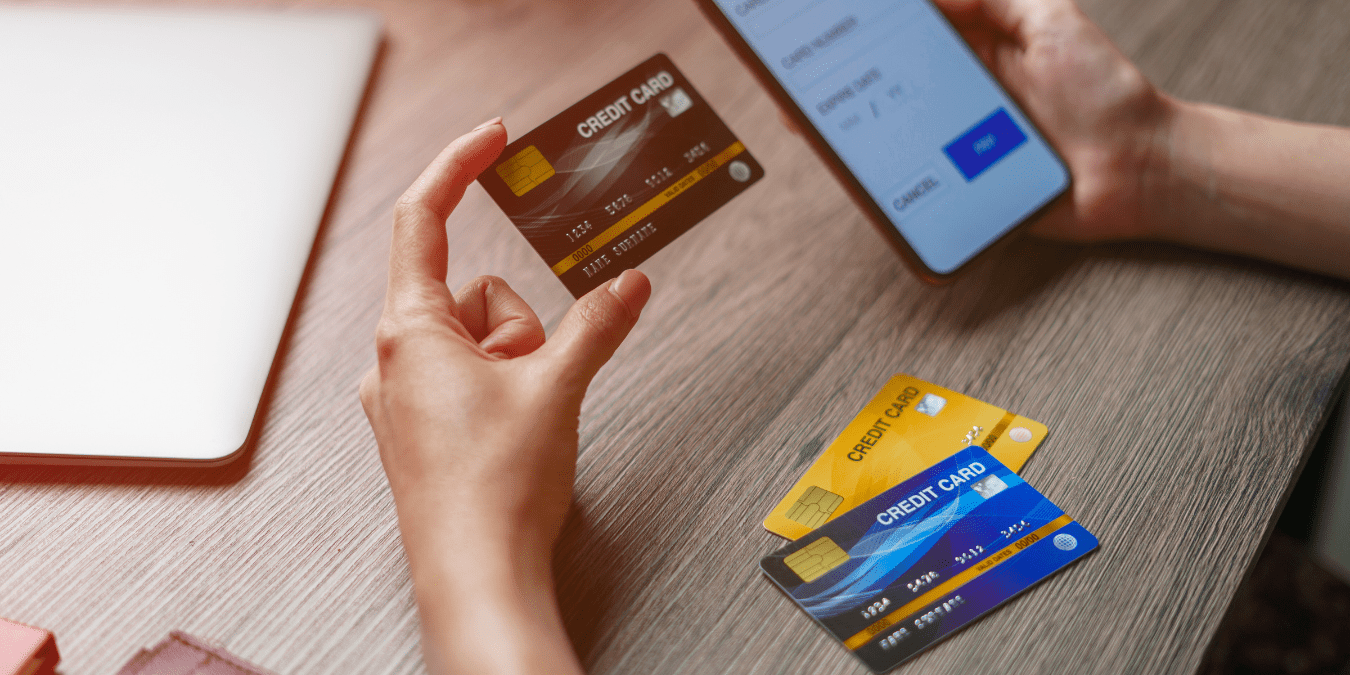
UPI-Linked Credit Cards Are Replacing Debit Cards —Here's What That Means for You
UPI-Linked Credit Cards
Are Replacing Debit Cards —
Here’s What That Means for You
Your debit card is slowly becoming obsolete. Not because banks are pulling it away — but because millions of Indians are finding something better: a RuPay credit card linked directly to UPI. Scan a QR. Pay in seconds. Earn reward points. Even at your local kirana store. This quiet revolution, kickstarted by RBI’s landmark 2022 circular and turbocharged by Google, HDFC, and SBI in 2025–26, is rewriting how India spends money — and it could put more money back in your pocket.
01 — Context How India’s Payment Story Arrived Here
To understand why UPI-linked credit cards are gaining ground, you first need to appreciate how far UPI has come. Launched by NPCI in 2016 as a simple bank-to-bank transfer rail, UPI now processes close to 20 billion transactions every single month — a number that continues climbing at over 30% year-on-year, even at this staggering scale.
For years, UPI only worked with savings or current bank accounts — meaning it was effectively a glorified debit system. You spent what you had. Credit cards, meanwhile, sat in your wallet for big purchases — EMIs, flights, electronics. But they were useless at the local vegetable vendor who only had a Bharat QR sticker on the wall.
That single regulatory decision opened the floodgates. By 2025-26, banks like HDFC, SBI, ICICI, and Axis have launched RuPay credit cards expressly designed for UPI linking. Even global tech giants got in — Google launched Flex by Google Pay in December 2025, a UPI-linked co-branded credit card with Axis Bank, targeting India’s 600+ million UPI users who had never owned a credit card.
02 — How It Works The Mechanics: From RuPay Card to QR Code
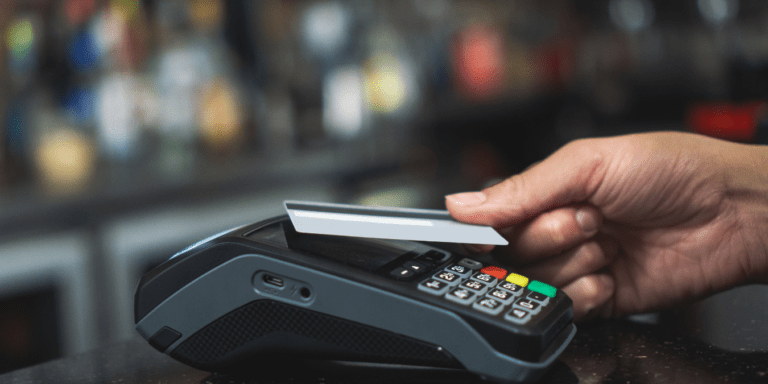
Unlike older credit card payments — where you had to swipe at a POS machine or enter 16-digit card numbers online — UPI-linked credit works entirely through your existing payment apps like Google Pay, PhonePe, or Paytm.
03 — The Data The Numbers That Prove Debit Cards Are Losing
by volume in India are UPI
UPI processes over 600 million transactions daily — a number that was unimaginable even three years ago. And here is the consequence for debit cards: as UPI absorbs routine everyday transactions, debit cards are simply being used less and less.
Research and payment trend data reinforce this structural shift. Credit cards enabled on UPI are registering transaction frequency up to eight times higher than traditional card usage. Think about what that means: a person who previously used their credit card twice a month for large purchases is now using it 15-20 times a month — for groceries, chai, auto rides, and electricity bills — because UPI makes it frictionless.
Meanwhile, debit card swipe volumes at POS terminals have been declining for several consecutive quarters. NPCI data shows debit cards losing share in both low-value and mid-value transaction categories — exactly the segments UPI has absorbed. Debit cards haven’t collapsed, but in 2026, they are clearly losing the payments war at the transaction level.
04 — Comparison UPI Credit Card vs. Debit Card: A Direct Comparison
| Feature | UPI-Linked Credit Card | Traditional Debit Card |
|---|---|---|
| Where You Can Pay | Any UPI QR — kirana shops, apps, online | UPI QR (same) + ATM |
| Funds Source | Credit limit — pay later | Your own savings — pay now |
| Reward Points | Yes — cashback, miles, vouchers per transaction | Minimal or none on most UPI transactions |
| Interest-Free Period | Up to 45–50 days (if paid in full) | None — money debited immediately |
| Purchase Protection | Chargeback, fraud protection, zero liability | Limited chargeback options |
| CIBIL Score Impact | Builds credit history with responsible use | No positive impact on credit score |
| Overspending Risk | Yes — if not managed, interest at 36–42% p.a. | No — limited to your bank balance |
| Annual Fee | Varies — many cards are lifetime free | Usually free or low fee |
| Cash Withdrawal at ATM | Possible but very expensive — avoid | Free at your own bank’s ATM |
| International Use | Standard credit card use abroad (where accepted) | Available with Visa/MC debit cards |
05 — Key Players Which Banks Offer UPI-Linked RuPay Credit Cards?
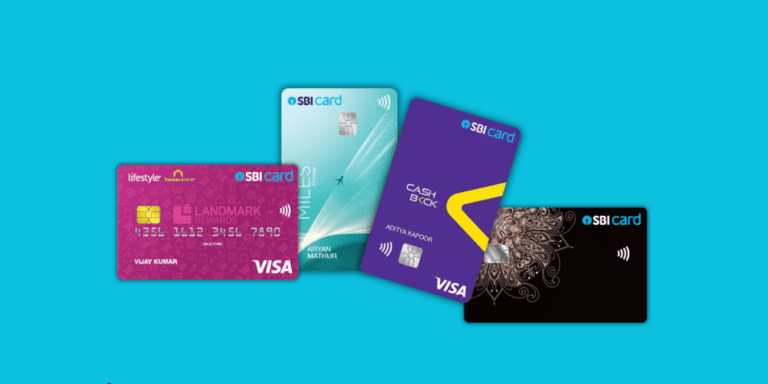
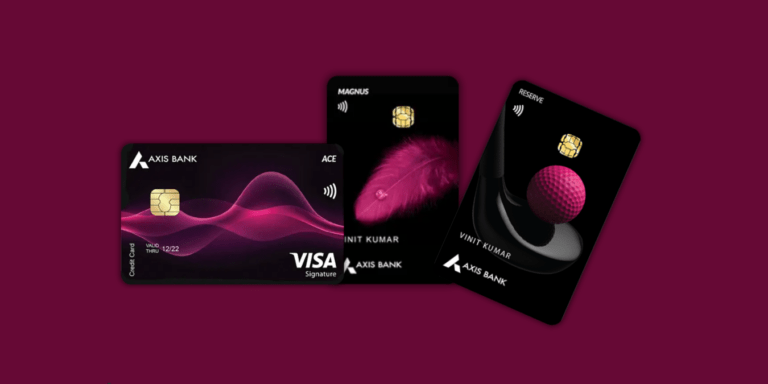
The market has expanded rapidly. While only RuPay cards are currently eligible for UPI linking (Visa and Mastercard credit card integration is awaiting regulatory rollout), most major banks now offer strong RuPay options:
06 — Your Wallet Pros, Cons, and What You Should Do
✓ Advantages
✗ Risks to Watch
- ✗ High interest (36–42% p.a.) if you miss bill payments
- ✗ Overspending temptation — no depletion of bank balance visible
- ✗ Currently limited to RuPay cards only
- ✗ ATM cash withdrawal is expensive — never do it
- ✗ Credit card fraud risk — enable spend alerts immediately
- ✗ Annual fees on premium cards may negate rewards
D. Kush’s 5-Point Action Plan
If you haven’t set up a UPI-linked credit card yet, here’s what I recommend — in order:
- ✨ Apply for a lifetime-free RuPay credit card — SBI SimplyCLICK or HDFC MoneyBack+ are excellent starting points for salaried individuals.
- ✨ Link it to Google Pay or PhonePe within 24 hours of receiving the card. The setup takes under 5 minutes.
- ✨ Set spend alerts via SMS & email immediately — so you always know your balance in real time.
- ✨ Enable auto-pay for the full outstanding amount, not just the minimum — this protects your credit score and avoids interest.
- ✨ Keep your debit card for ATM withdrawals only. For all other payments — use the UPI credit card and earn rewards.
07 — The Road Ahead What’s Coming Next: Visa, Mastercard, and UPI Credit Lines
The UPI-credit integration story is still in early chapters. Right now, only RuPay network credit cards can be linked to UPI for scan-and-pay. Visa and Mastercard are awaiting regulatory framework from NPCI for similar integration — when that happens, hundreds of millions of existing credit card holders will instantly gain UPI scanning capability without switching cards.
Beyond credit cards, NPCI has introduced UPI Credit Lines — a product that embeds a pre-approved credit facility directly into your UPI ID, without the need for a physical card at all. You borrow, spend, and repay entirely within the UPI ecosystem. Banks like Slice and small finance institutions are already piloting this for the underbanked segment.
market by 2030
Analysts project the prepaid and digital payments market to grow from USD 62.65 billion in 2025 to over USD 210 billion by 2030 — a CAGR of 26.7% — driven primarily by UPI-aligned credit products and QR-led acceptance.
The longer-term picture is clear: physical debit cards will continue to exist — primarily as ATM access tools — but they will increasingly lose their identity as payment instruments. The payment function is moving wholesale into UPI-powered credit, combining the convenience of instant QR payments with the financial benefits of credit. For consumers who manage their spending responsibly, this is an unambiguously better deal.
08 — FAQ Frequently Asked Questions
Primary Sources & References
- Reserve Bank of India — Monetary Policy Statement, June 8, 2022 (UPI–Credit Card Linkage Announcement)
- NPCI — UPI Monthly Transaction Data, December 2025
- RBI Payment System Indicators Report, 2025
- TechCrunch — “Google deepens consumer credit push in India with UPI-linked card,” Dec 17, 2025
- Kiwi (GoKiwi.in) — RBI & NPCI Data Analysis Report, February 2026
- ICRA Research — Credit Card Market Impact Assessment, 2022
- GlobalNewsWire — India Prepaid Card & Digital Wallet Intelligence Report 2026