The Stunning Secret Behind Modi-Putin's "Time-Tested Friendship" That Washington Doesn't Want You to Know!
What secret financial revolution is Modi-Putin’s friendship hiding from Washington? Discover how India’s rupee-ruble trade bypasses US sanctions, unlocking defense tech transfers and energy security that could reshape global power. The shocking truth behind December 2025’s diplomatic reset reveals India’s masterstroke in building a multipolar world order.
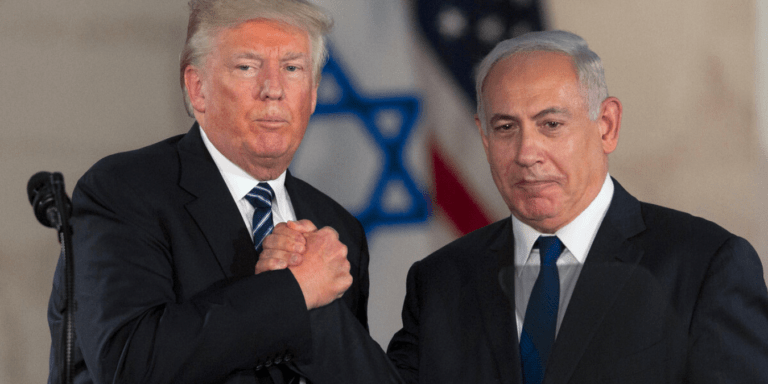
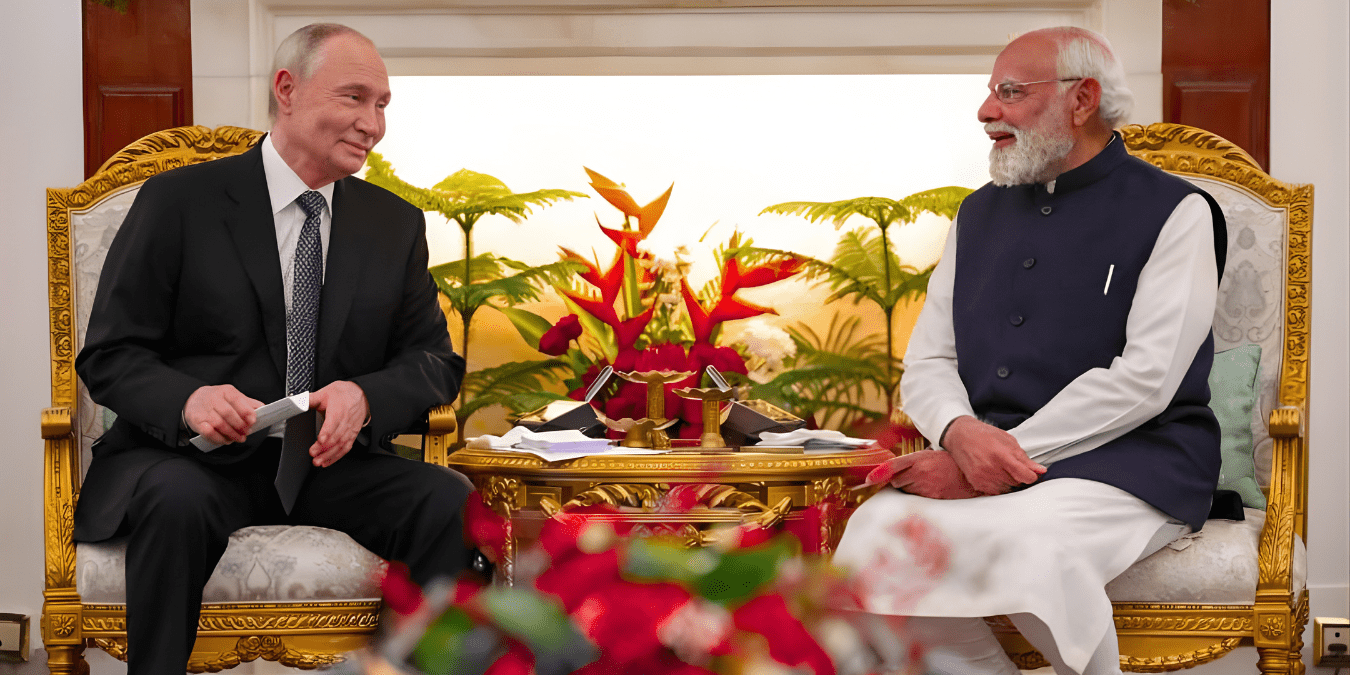
What if India’s most powerful diplomatic relationship holds the key to reshaping global trade, sidestepping Western sanctions, and building a multipolar world order—all while the world watches a carefully choreographed friendship unfold? When Russian President Vladimir Putin landed in Delhi on December 4, 2025, marking his first India visit since the Ukraine invasion began, Prime Minister Narendra Modi broke diplomatic protocol to personally receive him at Palam Airport. But beneath the warm handshakes and dinner at 7 Lok Kalyan Marg lies a geopolitical chess game that could redefine India’s future—and most Indians don’t know the full story yet.
The Hidden Architecture: What the Headlines Missed
The 23rd India-Russia Annual Summit wasn’t just about reviving “time-tested friendship”—it marked a calculated reset of strategic partnerships in an era where India faces unprecedented pressure from Washington. While Western media framed this as Modi’s “delicate diplomatic challenge” between Putin and Trump, the reality reveals a masterclass in strategic autonomy that deserves deeper examination.
The Financial Revolution Happening in Plain Sight
Here’s what most coverage glossed over: By August 2025, a staggering 90% of India-Russia trade was being settled in rupees and rubbles, completely bypassing the US dollar. This isn’t just an accounting trick—it’s a fundamental restructuring of how two major economies conduct business, creating what experts call “a new financial architecture with potential to positively impact other countries in the Global South”.
The Reserve Bank of India simplified rules for Special Rupee Vostro Accounts (SRVAs), allowing authorized banks to facilitate INR-based trade without prior approval. Russia now holds significant rupee balances in Indian banks, which can be invested in Indian government securities, infrastructure projects, and equity markets. This creates a closed-loop system where Russian earnings from oil sales to India get reinvested back into the Indian economy—a win-win that traditional dollar-denominated trade could never achieve.


The SWIFT Alternative That Could Change Everything
While Russia was cut off from SWIFT following Ukraine sanctions, India has been quietly exploring integration with Russia’s alternative System for Transfer of Financial Messages (SPFS). The RBI views this proposal as “doable,” with senior officials from public sector banks holding multiple meetings with Russian counterparts.
This isn’t just about Russia—it’s about India building redundancy into its financial infrastructure, ensuring that no single power can leverage economic sanctions against its strategic interests. Discussions also include linking India’s Unified Payments Interface (UPI) with Russia’s Faster Payments System (FPS), potentially allowing seamless cross-border transactions without Visa or Mastercard.
Defense Deals That Signal India’s Long Game
The Kremlin confirmed that additional S-400 air defense systems and the fifth-generation Su-57 stealth fighter jets dominated discussions. But here’s the surprising part: Russia is proposing not just sales, but local production of Su-57s in India—a technology transfer that would catapult Indian defense manufacturing capabilities into the elite club of nations producing fifth-generation fighters.
The S-400 deliveries are set to complete by 2026, and negotiations for additional units are already underway. The newly approved Reciprocal Exchange of Logistic Support (reLOS) agreement allows Indian and Russian military forces to access each other’s facilities for repairs, refuelling, and rest—creating operational synergies that extend India’s strategic reach.
Why This Matters to Every Indian
India’s defense imports from Russia have halved over 15 years as New Delhi diversifies to French Rafales and American equipment. Yet Russia remains the largest supplier, and this relationship ensures technology transfers that Western nations typically withhold. The joint production of BrahMos cruise missiles, AK-203 rifles in Amethi, and licensed T-90 tank manufacturing demonstrates how Russia enables “Make in India” in defense—something crucial for India’s strategic autonomy.
The Energy Security Equation That Changes India’s Economics
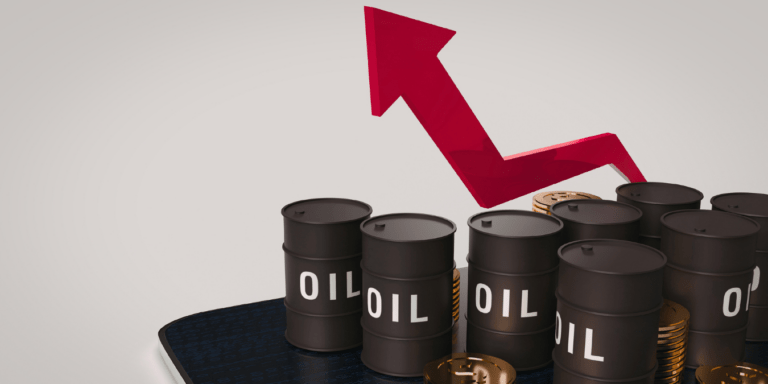
By October 2025, India was importing 1.48 million barrels per day of Russian crude oil—approximately 40% of its total oil requirements. This isn’t just about cheap oil (though discounted Russian crude saved India billions). It’s about energy security in a world where OPEC’s grip has traditionally dictated prices and supply.
Russian Foreign Minister Sergei Lavrov emphasized that both nations are committed to joint energy projects in the Russian Far East and Arctic shelf. Reliance Industries alone signed a 10-year deal worth $13 billion annually for 500,000 barrels per day starting 2025—representing 0.5% of global supply. When Washington imposed 25% tariffs on India’s Russian oil purchases and sanctioned Russian companies like Rosneft and Lukoil, India’s response was clear: bilateral trade volume remained nearly at previous levels.
The Aspiration Factor: What This Means for India’s Global Standing
India’s bilateral trade with Russia surged from approximately $13 billion in 2021 to nearly $69 billion in 2023-24, largely fueled by energy imports. Both nations target $100 billion by 2030. But India faces a trade deficit—it buys far more from Russia than it sells. This is where the rupee-ruble mechanism becomes transformative: proposals now include allowing Russia to use its rupee balances to order Indian goods for export to third countries, with Russia receiving payment in other currencies. This trilateral settlement mechanism involving the UAE could dramatically boost Indian exports without requiring Russia to directly consume more Indian products.
The Ukraine Factor: Modi’s Moral Tightrope
During their rare meeting inside Putin’s armoured limousine at the SCO Summit in August 2025, Modi urged Putin to end the Ukraine conflict, calling it “the call of humanity”. This wasn’t mere rhetoric—Modi has consistently reiterated India’s position for peaceful resolution while refusing to condemn Russia outright.
The optics of Modi hugging Putin on the same day Russian airstrikes hit a Ukrainian children’s hospital in July 2024 prompted damage control, leading to Modi’s subsequent visit to Ukraine. Yet December 2025 marks the 15th anniversary of India-Russia’s “Special and Privileged Strategic Partnership,” a designation reserved for India’s closest allies.
Putin noted that Modi understands him “even without a translator,” showcasing decades of personal rapport across 19 meetings in 11 years. This relationship has enabled India to maintain its “strategic autonomy”—engaging both the Western bloc through Quad partnerships and the Eastern bloc through BRICS and SCO, without compromising its core interests.
The China Calculation Nobody Talks About
Here’s a hidden dimension: Russia’s deepening ties with China create an uncomfortable triangle for India, which shares a contested border with Beijing. Yet Putin’s Delhi visit signals that Moscow values India as a counterweight to excessive Chinese influence in Eurasia. By promoting India’s involvement through the Shanghai Cooperation Organization and BRICS, Russia helps New Delhi balance against Chinese regional dominance.
Unlike Western nations that “lecture India on internal matters,” Russia practices non-interference while offering strategic technologies typically reserved for closest allies. This explains why India can pursue simultaneous partnerships with the US (Quad, defense agreements) and Russia (energy, legacy systems) without picking sides—a foreign policy evolution from Cold War non-alignment to contemporary “multi-alignment”.
What Trump’s Return Means for Modi’s Balancing Act
With President Donald Trump back in the White House, India faces renewed pressure over Russian oil imports, with Trump implementing 50% tariffs on Indian exports alongside the 25% tariff on Russian oil purchases. Putin’s pointed question during his Delhi visit was revealing: Why can’t India buy Russian fuel if the US itself does so?
This framing matters because it exposes double standards in Western sanctions regimes. India’s position is that its trade complies with international obligations and serves energy security needs—a stance resonating across the Global South where nations increasingly resist being forced into binary geopolitical choices.
The “Putin-Modi 2.0” Vision: What’s Actually New?
The reset isn’t just symbolic. Beyond defense and energy, cooperation is expanding into technology, education, tourism, and participation in multilateral forums like UN, G20, and BRICS. Russia has expressed interest in India’s digital payment infrastructure (UPI), pharmaceutical manufacturing, and IT services—sectors where India holds competitive advantages.
The agreements signed during Putin’s visit include cooperation in healthcare, trade facilitation, and potentially nuclear energy. Russia has offered to build nuclear reactors in India, expanding their civil nuclear cooperation. This technology partnership contrasts sharply with Western nuclear suppliers who impose restrictive conditions.
Actionable Takeaways for the Indian Reader
For Policy Observers: Watch for announcements on rupee internationalization beyond Russia. If the rupee-ruble mechanism succeeds, it creates a template for trade with other sanctions-affected nations like Iran or Venezuela, potentially positioning the rupee as a regional trade currency.
For Investors: Indian companies in defense manufacturing, energy logistics, and financial technology stand to benefit from deepened Russia ties. Public sector banks handling SRVA accounts and private firms in bilateral trade corridors offer exposure to this strategic shift.
For Students of Geopolitics: India’s foreign policy under Modi demonstrates that “strategic autonomy” isn’t fence-sitting—it’s actively leveraging partnerships across competing blocs to advance national interests. This approach offers lessons for other middle powers navigating great power competition.
For Citizens Concerned About Energy Costs: Sustained access to discounted Russian oil directly impacts domestic fuel prices and inflation. The energy partnership insulates India from OPEC supply shocks and geopolitical disruptions in the Middle East.
The Future Nobody Saw Coming
As the world transitions toward multipolarity, India’s relationship with Russia represents a foundational pillar in a new international architecture where regional powers refuse to be mere pawns in great power games. Modi’s emphasis during India’s G-20 presidency on being “the voice of the Global South” wasn’t rhetorical flourish—it reflected a genuine shift where nations prioritize interests over inherited alliances.
The Modi-Putin partnership proves that history matters in diplomacy. When India faced isolation after its 1998 nuclear tests, Russia stood by New Delhi. When India needed UN Security Council support or defense supplies during conflicts, Moscow delivered without conditions. This reservoir of trust can’t be replicated overnight, giving India strategic depth that pure transactional relationships lack.
The Question That Should Keep Policymakers Awake
Here’s the thought-provoking teaser for what comes next: If India successfully internationalizes the rupee through the Russia channel, creating parallel financial infrastructure independent of Western-dominated systems, what happens when other BRICS nations—representing 45% of the world’s population—decide to join this alternative architecture?
The answer could reshape global finance within a decade, making the Modi-Putin talks of December 2025 not just a bilateral reset, but the opening chapter of a fundamentally different world order. And India, by maintaining its “time-tested friendship” while deepening ties with the West, might emerge as the indispensable bridge between competing systems—exactly the position every rising power dreams of occupying.
The real question isn’t whether India can balance between Moscow and Washington. It’s whether the world is ready for an India that refuses to choose, instead shaping a new equilibrium where strategic autonomy becomes the defining characteristic of 21st-century geopolitics. That future is being written now, in the corridors of Hyderabad House, one bilateral summit at a time.