The Rise of Metal & Zero-Forex Debit Cards in India: Why Millennials Are Ditching Traditional Bank Cards Fast
India’s banking landscape is undergoing a quiet but seismic transformation. A new generation of consumers — armed with smartphones, global aspirations, and zero patience for hidden charges — is rapidly abandoning the plain plastic debit card they once received with their first savings account. In its place, sleek metal cards and zero-forex-markup debit cards are commanding wallet space, Instagram feeds, and dinner-table conversations. This is not just a lifestyle upgrade. It is a fundamental rethinking of what a bank card should offer in 2026.
The Old Card Isn’t Cutting It Anymore
To understand why millennials are making the switch, you need to understand what they grew up tolerating. Standard debit cards issued by public sector banks and even several private banks came loaded with limitations — a 3.5% forex markup on international transactions, limited ATM withdrawal caps, minimal reward structures, and a design aesthetic that screamed utility rather than identity. For a generation that personalizes everything from phone cases to sneakers, a generic bank-branded plastic card felt deeply out of step.
The frustration went beyond aesthetics. Traditional bank debit cards have been structurally disadvantaged for modern spending habits. Credit card transactions in India surged 26% to 1.45 billion in Q3 2025, while debit card transactions fell 22% to 0.33 billion during the same period. The report attributed this sharp decline to users migrating routine spending to UPI and shifting high-value purchases to credit cards — leaving the traditional debit card in a no-man’s-land. What survived and what is actually growing is the premium, purpose-built debit card category: metal cards and zero-forex options that bring real, tangible value.
What Exactly Is a Metal Debit Card?
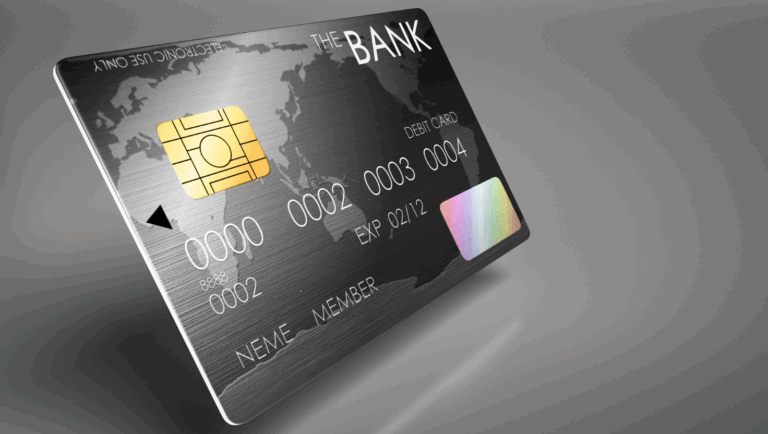
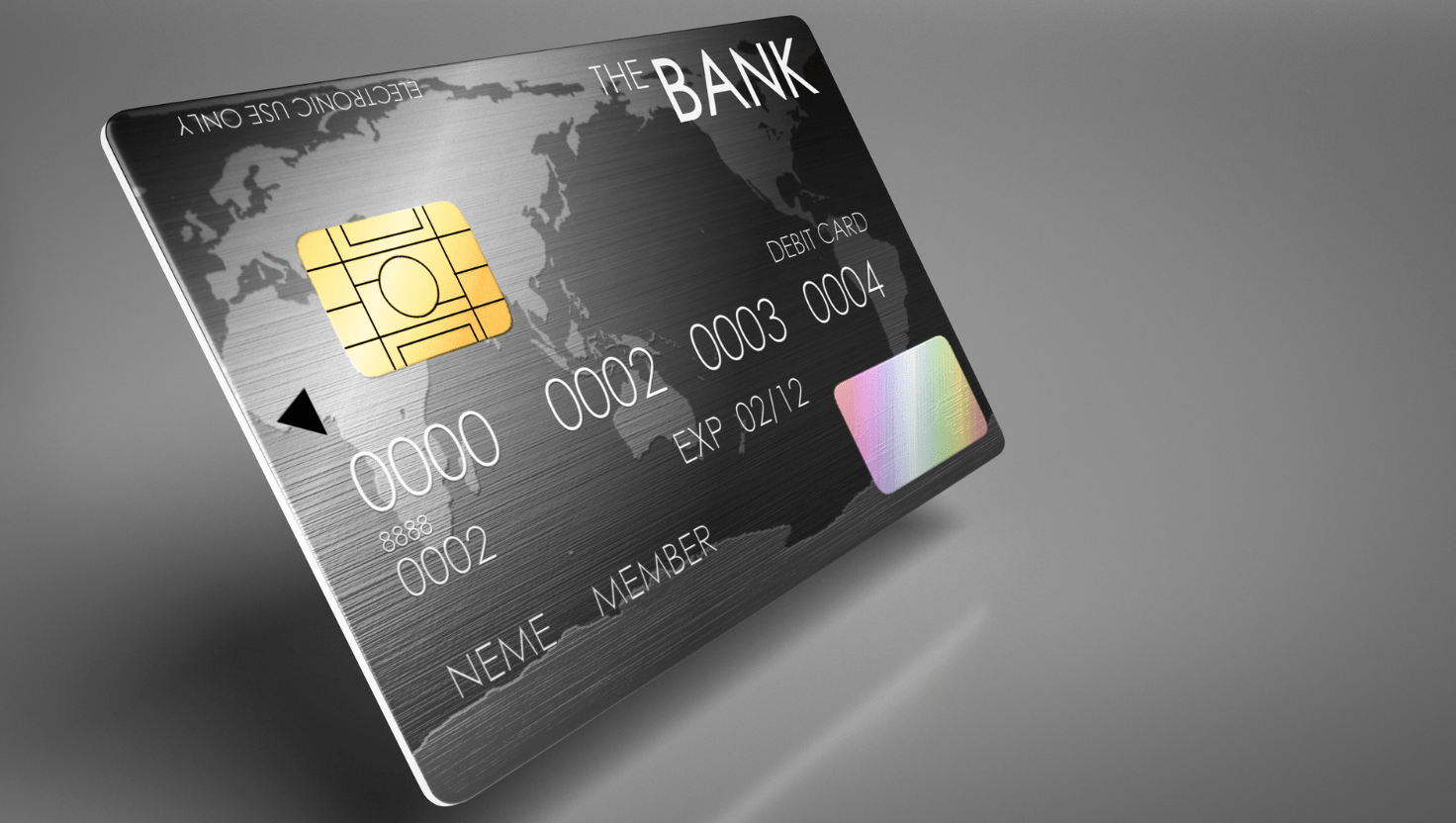
A metal debit card is precisely what it sounds like — a payment card made partially or wholly from stainless steel, titanium, or other metal alloys, as opposed to the standard PVC plastic. But the material is not the point. The material is the signal. In India, metal debit cards are typically reserved for premium or private banking customers, most prominently through offerings like the Axis Bank Burgundy Private Debit Card, which is considered the benchmark for metal debit cards in the country. These cards offer a weight of 25–30 grams, a distinctly tactile premium feel, and benefits that match their physical heft — including unlimited airport lounge access, zero cross-currency markup, dedicated relationship managers, and concierge services.
The SBM World Elite Metal Debit Card, powered by Mastercard, is another strong entrant that packages lifestyle privileges into its stainless-steel form factor. Kotak Bank’s Infinity Metal Debit Card has similarly attracted significant attention in the premium segment, targeting high-net-worth customers who want the combined prestige of a metal card with robust banking infrastructure. The eligibility bar for these cards remains high — typically requiring customers to maintain a relationship value between ₹50 lakh and ₹5 crore — but the aspiration they generate extends far beyond that rarefied customer base.
Zero-Forex Cards: The Real Game-Changer for Young India
While metal cards appeal to a narrow top tier, zero-forex debit cards are where the true mass disruption is happening among millennials and Gen Z. Every time an Indian uses a standard bank debit or credit card abroad — or even shops on an international website in INR — they are silently charged a forex markup of 3.5% plus applicable GST on every transaction. On a ₹80,000 international trip, that translates to roughly ₹3,000 or more paid purely as a conversion fee to the bank. Zero-forex cards eliminate this entirely.
Niyo Global has emerged as the poster child of this category. Functioning as a zero-forex markup debit card, it charges users only the base exchange rate set by the card network — no hidden percentage on top. It is instantly available as a virtual card, carries no annual fee, and provides access to international lounge terminals in India. The product resonates with a specific and growing demographic: Indian freelancers billing in USD, students studying abroad, and the rapidly expanding cohort of millennials who take at least one or two international trips per year. As one personal finance blogger put it after a Dubai trip: spending ₹80,000 on a Fi debit card with zero markup versus a traditional bank card saved a meaningful amount — and was instantly verifiable on the app.
IDFC FIRST Bank has also aggressively entered this space. Its zero-forex credit and debit card lineup — including the FIRST WOW card for first-time users and the premium Mayura card for high-spend customers — reflects just how seriously established banks are taking this demand. The Mayura, interestingly, arrives in a premium metal design and charges zero forex markup with up to 10X reward points on monthly spends exceeding ₹20,000, along with quarterly access to international and domestic lounges. It bridges both worlds — metal prestige and zero-forex utility — in a single product.
Why Millennials Specifically Are Leading This Charge
India’s millennial cohort — broadly those born between 1981 and 1996 — represents the most financially active, digitally fluent, and travel-hungry segment in the country. Research from Amazon Pay India and Kearney India found that 47–49% of millennials and Gen X users own at least one co-branded credit card, higher than all other age groups. This is a generation that actively hunts for rewards, compares fee structures online, and switches products with minimal friction — behaviors that traditional banks were frankly not built to accommodate.
The neo-banking revolution has amplified this further. A Kadence research study found that 67% of Indian youth respondents currently use or have used neo-bank services — a figure that matches neo-bank adoption in the Philippines despite India’s vastly different banking infrastructure. Platforms like Fi Money, Jupiter, and Niyo are not merely apps. They are financial identities for a generation that grew up with smartphones before they opened their first bank account. Fi Money’s Infinite and Salary Plan tiers offer zero forex markup on select international spends along with deep spending analytics, making financial management feel less like a chore and more like a dashboard. Jupiter similarly appeals with a clean interface, smart categorization, and a debit card experience that is miles ahead of what state-owned banks have offered historically.
The generational shift in what banking should feel like is profound. For India’s youth, banking is no longer tied to physical branches or paperwork. Long queues, fixed banking hours, opaque fee structures, and indifferent customer service — the hallmarks of traditional banking — are not just inconveniences for this group. They are dealbreakers.
The Status Dimension: Why the Card You Carry Still Matters
It would be intellectually dishonest to discuss this trend without acknowledging the social currency dimension. In urban India, particularly in Tier-1 cities like Mumbai, Bengaluru, Delhi, and Hyderabad, what card you flash at a restaurant or hotel counter carries social weight. This is not shallow vanity — it is a well-documented behavioral pattern across demographics globally. Metal cards produce an unmistakable sound when placed on a table. They signal financial standing, brand relationship, and a certain kind of intentionality about one’s money.
The HDFC Bank Infinia Metal Edition remains the gold standard benchmark for metal credit cards in India, targeting ultra-high-income customers and offering industry-leading reward rates with redemption flexibility. But the aspiration has trickled down. IndusInd Bank’s Avios Visa Infinite carries a ₹40,000 joining fee and delivers premium Avios points — a product that would have seemed absurd to pitch to Indian consumers a decade ago. Today, it has a waiting list. The broader point is that premium card culture — whether metal debit cards or exclusive credit cards — has normalized in urban India at a pace that surprised even the banks offering these products.
The Fintech Disruption That Forced the Big Banks to Move
The rise of Niyo, Fi Money, and Jupiter did something critically important: it forced legacy banks to improve. When a startup with no branches and a two-minute onboarding could offer zero forex markup and a beautifully designed card with real-time spending notifications, while a 100-year-old bank charged 3.5% forex and sent a paper statement by mail, the competitive gap became existential. India’s big private sector banks — HDFC, ICICI, Axis — responded by launching or enhancing their own premium debit card tiers.
Axis Bank’s Burgundy program is arguably the most complete example of this response. The Burgundy Debit Card offers 0% cross-currency markup, unlimited worldwide ATM withdrawals, and high-frequency lounge access — benefits that previously existed only in the realm of premium credit cards. The card is issued to Burgundy account holders who maintain the required relationship value, but the product itself mirrors what fintechs have been offering at the mass market level. ICICI’s Sapphiro Debit Card charges ₹1,999 plus GST annually and offers 4 domestic lounge accesses, though its 3.5% forex markup remains a weakness compared to zero-forex rivals. The competitive pressure has never been higher, and it is ultimately good for consumers.
Practical Breakdown: Who Should Get Which Card
Understanding which card type best suits your profile is where real financial decision-making begins. If you travel internationally even once a year, a zero-forex card is non-negotiable. The Niyo Global Debit Card costs nothing to get, nothing to maintain, and saves you the standard 3.5% markup on every foreign transaction. For students going abroad for higher studies, the BookMyForex Student Forex Card adds zero cross-currency charges, free ATM withdrawals, and even covers university fee payments by card with zero transaction fees.
If you are a salaried professional in a mid-to-upper income bracket who spends actively on travel, dining, and online shopping, the IDFC FIRST Mayura presents a compelling value proposition — a premium metal card with zero forex, 10X rewards on higher spends, and quarterly lounge access for ₹5,999 per year. If annual spending is consistently above ₹8–10 lakh and you have an existing relationship with a private bank, the Axis Burgundy Debit Card or HDFC Infinia ecosystem are designed precisely for you. The rule of thumb is clear: upgrade to metal or zero-forex only when the perks you can realistically use exceed the fees you will pay. If annual spends exceed ₹8 lakh and rewards plus perks are at least twice the fee, premium cards make unambiguous financial sense.
The Numbers Don’t Lie: This Trend Has Legs
India’s digital payment infrastructure provides the structural backbone that makes all of this possible. With 750 million internet users and surging smartphone penetration, the country’s digital foundation is uniquely positioned to support this card evolution. Digital payment volumes surged 35% in FY25, driven overwhelmingly by women, Gen Z, and millennials. Offline digital payment adoption jumped from 48% in 2024 to 56% in 2025, as consumers embraced contactless payment modes across physical retail.
Around 69% of Gen Z users reach for a debit card daily or weekly because they want to spend only what they have — avoiding the debt trap that credit cards can create. This debt-averse but experience-hungry behavior is the exact psychological sweet spot that metal and zero-forex debit cards are designed to occupy. They offer the prestige and perks of a premium card without the credit liability. For a generation managing student loans, rent, and early career salaries simultaneously, that combination is extraordinarily appealing.
What to Watch for in the Next Two Years
The trajectory is clear and the pace is accelerating. Expect banks and fintechs to bring metal debit cards further down the income pyramid — today’s ₹50 lakh relationship requirement for premium metal cards will likely shift as competition intensifies and manufacturing costs for metal cards continue to fall. DIY metal card conversion kits already exist as a stopgap, with services that transplant your existing card’s EMV chip into a metal body weighing around 28 grams — a trend that signals just how intense the demand is at every income level.
Zero-forex benefits will also become table stakes rather than premium perks. Several lifetime-free cards like the Federal Bank Scapia Credit Card, IDFC FIRST WOW, and Ixigo AU Credit Card already offer zero forex markup with no annual fee whatsoever. As this category expands, banks that have not yet eliminated or reduced forex markups will face serious customer retention problems, particularly among the 25–40 age group that now drives India’s highest-value consumer spending.
The Bottom Line for Smart Indian Consumers
The story of metal and zero-forex debit cards in India is ultimately a story about shifting power — from institutions to individuals. Traditional banks built their fee structures around customer inertia. The assumption was that the average account holder would not bother to switch, compare, or demand better. That assumption has been comprehensively shattered by a generation that switches streaming services in minutes and can open a fully functional bank account before their morning chai goes cold. The right card in 2026 is not the one your bank gave you when you opened your first account. It is the one that gives you zero forex on your next trip to Bangkok, a satisfying weight when you set it on a restaurant table, and a real-time notification that shows exactly where your money went — before the bill even arrives.
This article is authored based on current market research, publicly available product disclosures from Indian banks and fintech platforms, and consumer trend data from industry reports dated through April 2026. Product eligibility criteria, fees, and features are subject to change. Readers should verify the latest terms directly with respective financial institutions before applying.