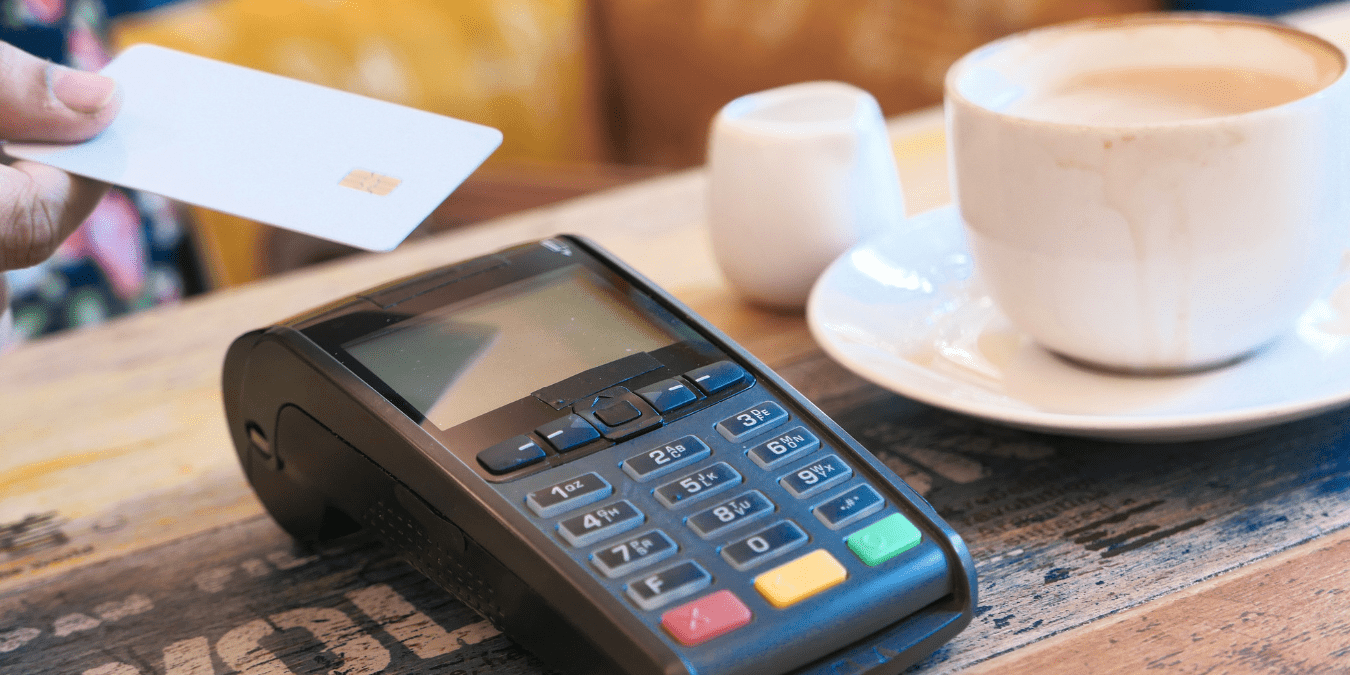
Tap, Pay, Done: How Contactless Debit Cards Are Silently Replacing Cash at Every Indian Store in 2026
There is a quiet revolution happening at every checkout counter across India, one that does not announce itself with fanfare or headlines but shows up in the soft beep of a POS terminal and the absence of a wallet being pulled out. Contactless debit cards are no longer a novelty feature for tech-savvy millennials in South Delhi or Bandra. They are now a daily financial ritual in Lucknow’s Aminabad market, Coimbatore’s textile lanes, Patna’s pharmacy rows, and Ahmedabad’s kirana clusters. The tap, pay, done economy is not coming; it is already here, and it is reshaping how 1.4 billion Indians spend, save, and transact.
The Numbers Behind the Silence
To understand how profound this shift is, you have to look at the data, and the data in 2026 is nothing short of remarkable. UPI processed a record 22.64 billion transactions worth Rs 29.52 trillion in March 2026 alone, marking the highest-ever monthly value and volume since UPI’s launch in 2016. For the full financial year 2025-26, UPI transaction volumes jumped 30 per cent to 241.6 billion, while total transaction value rose 21 per cent to Rs 314.23 trillion. These figures are not just large numbers on a government dashboard. They represent hundreds of millions of individual moments where an Indian consumer chose not to hand over a crumpled note and instead tapped, waved, or blinked a card at a terminal.
Contactless payments specifically grew more than six times in India, from less than 2.5% of card transactions in December 2018 to 16% by December 2021, and that trajectory has only steepened since. Quick Service Restaurants, grocery stores, drugstores, and pharmacies have collectively driven 80% of contactless transaction volumes, representing 60% of all card transactions at these merchant categories. Supermarket contactless payments rose from 25% in January 2020 to 31% by early 2022, and analysts confirm the curve has continued climbing sharply since. India’s digital payments market is now projected to approach a $10 trillion annual value, with consulting firms like BCG and PhonePe estimating that 65% of all transactions by 2026 will flow through cashless channels.
What “Contactless” Actually Means in Practice
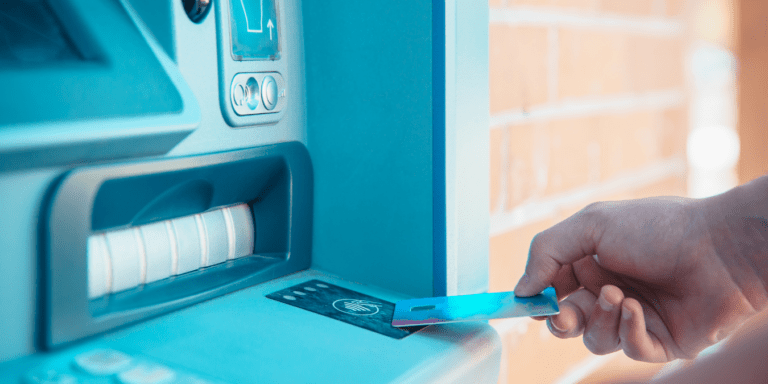
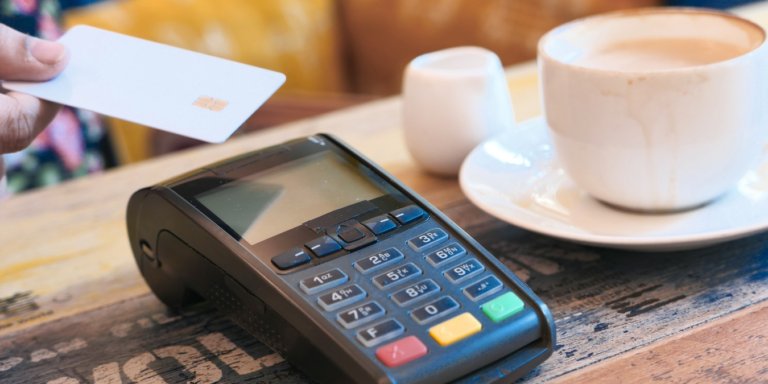
For anyone who still associates “contactless” with mystery or complexity, here is the reality stripped down to its core. A contactless debit card carries an embedded NFC (Near Field Communication) chip that communicates wirelessly with a POS terminal within a 4-centimetre proximity. The cardholder taps the card against the terminal, the transaction authenticates within seconds without requiring a PIN or OTP for amounts up to Rs 5,000, and the receipt is done. The Reserve Bank of India has set the contactless limit at Rs 5,000 per transaction, which both protects consumers from large unauthorized losses if a card is stolen and covers the vast majority of everyday retail spending.
This frictionless design is precisely why contactless debit cards are winning at the point of sale. When you eliminate the need to insert a card, wait for approval, enter a PIN, and pull the card out again, you compress what was a 45-second ritual into a 3-second interaction. At a busy grocery counter during evening peak hours, that difference is not cosmetic. It determines how quickly the line moves, how comfortable the cashier feels, and whether the merchant is motivated to encourage digital payments versus gesturing toward the cash drawer.
Why Debit Cards, Not Just UPI
A fair question surfaces here. India already has UPI, arguably the world’s most sophisticated real-time retail payments network with 500 million unique users by early 2026. So why do contactless debit cards deserve separate attention? The answer lies in user behavior, device dependency, and transaction psychology.
UPI requires a smartphone with internet connectivity. Contactless debit cards require neither. A card works when the phone is dead, when network signals drop in a basement mall or a rural highway dhaba, and when an elderly user cannot navigate an authentication flow on a small screen. Cards also have a distinct psychological profile. Research consistently shows that card-based spending at physical stores creates a sense of formality and financial discipline that wallet apps sometimes lack. More practically, contactless debit cards are now being issued by default by virtually every Indian bank as standard issue products, meaning customers who never requested contactless capability already have it in their wallets.
The RBI and NPCI have also pushed NFC-enabled RuPay debit cards aggressively through the Jan Dhan Yojana program, meaning that even first-generation banking customers in rural India are receiving contactless-capable cards as their entry point into the formal financial system. This is a structural tailwind that goes far beyond urban tech adoption.
The Merchant Infrastructure Revolution
A technology can only spread as widely as the infrastructure that accepts it. Here is where India’s 2026 story becomes genuinely impressive. SoftPOS, the technology that converts any NFC-enabled Android smartphone into a payment acceptance terminal, is accelerating sharply in 2026. Global SoftPOS deployments are expected to exceed 34.5 million by 2027, and India is contributing a significant share of that growth. A vegetable vendor in Varanasi does not need a dedicated POS machine that costs Rs 5,000 and requires a telecom company contract. She needs a mid-range Android phone, a SoftPOS app, and a bank account. The contactless card ecosystem is meeting merchants exactly where they are.
Offline merchant infrastructure has expanded well beyond flagship retail. QR codes, low-cost POS, and SoftPOS are now embedded in grocery stores, auto-rickshaws, transit kiosks, pharmacies, and roadside stalls. Kirana store person-to-merchant digital payments rose 37% year-on-year, driven partly by contactless and QR adoption. The payment terminal that once felt like a luxury for big-box retailers is now a commodity available to micro-merchants across Tier 2 and Tier 3 cities. The BCG-PhonePe report estimated that Tier 3 to Tier 6 cities contributed nearly 60-70% of new mobile payment customers in recent years, and the same geographic expansion is happening with card acceptance infrastructure.
Security: The Concern That Is Being Answered
Every conversation about contactless payments in India eventually arrives at security. The worry is understandable: if all someone needs to do to charge your card is wave a device near your wallet, what stops unauthorized charges? The answer lies in layered architecture that most users never see but always benefit from.
First, the Rs 5,000 contactless limit imposed by the RBI caps the maximum exposure if a card is misused in a physical proximity attack. Second, each contactless transaction generates a unique cryptographic token, a one-time code that cannot be reused even if intercepted. Third, banks send real-time SMS and app notifications for every transaction, meaning any unauthorized tap would be immediately visible. Fourth, the physical design requirement of a 4-centimetre range makes casual “skimming” in a crowded space practically implausible without the cardholders noticing. Tokenisation, which replaces actual card numbers with secure digital tokens, is also maturing rapidly across devices, apps, and use cases as one of the defining payment trends of 2026. AI-driven fraud detection systems are now deployed by major banks and payment processors as a frontline defense, identifying suspicious patterns in real time before a transaction completes.
The Experience Across India’s Retail Formats
Walk into a D-Mart in Pune at 7 PM and you will see self-checkout lanes where contactless taps complete purchases in under five seconds. Visit a Reliance Smart store in Hyderabad and the billing executive will lean the terminal toward your card before you have even finished placing items on the counter. Step into a local chemist shop in Jaipur’s Pink City lanes and you will likely see a small, square payment device mounted beside the cash box, accepted in the same unhurried motion as cash for years.
But the more revealing story is in the informal economy. A 2026 visit to a busy street food cluster reveals more contactless-accepting vendors than cash-only ones. Auto-rickshaw drivers in Bengaluru accept contactless debit cards through aggregator apps. College canteens in Lucknow, Indore, and Nagpur have moved almost entirely to tap payments for speed during rush periods. Airport food courts and metro station retail in Delhi, Mumbai, and Chennai registered among the highest contactless adoption rates even back in 2021, and that lead has widened significantly since. High-frequency, low-value transactions, specifically the kind that make up daily Indian life from chai to medicine to vegetables, are the clearest domain where contactless debit cards are displacing both cash and the extra friction of UPI authentication. The average UPI ticket size has continued to fall, landing around Rs 1,348 in H1 2025, and contactless cards are increasingly competing in this exact low-value, high-speed transaction space.
Financial Inclusion as a Silent Driver
One aspect of this transformation that does not get enough attention in fintech coverage is how contactless debit cards are functioning as a financial inclusion instrument rather than just a convenience upgrade for the affluent. The NPCI’s push to issue NFC-enabled RuPay cards through the Pradhan Mantri Jan Dhan Yojana has placed contactless-capable cards in the hands of tens of millions of first-time banking users. The government’s Aadhaar Enabled Payment Service has further extended digital payment capability into remote geographies where brick-and-mortar banking never fully penetrated.
For a daily wage worker who receives their NREGA payment into a Jan Dhan account and can now tap their RuPay debit card at a Fair Price Shop or a local pharmacy, contactless payment is not a luxury. It is a dignified, fast, and safe alternative to the cash economy that once required long queues, travel to ATMs, and vulnerability to theft. India’s contactless payments story in 2026 is inseparable from its financial inclusion story, and the two are reinforcing each other in ways that even optimistic forecasters from 2018 did not fully anticipate.
What Banks and Fintechs Are Doing Right
The financial institutions enabling this shift deserve recognition for getting the product design right. Banks like HDFC, SBI, ICICI, Axis, and Kotak now issue NFC-enabled debit cards as default, often without customers even requesting the upgrade. The Worldline India report on payment trends confirms that cards are finding renewed momentum specifically through contactless features and Credit-on-UPI integrations. Fintech companies are investing in merchant onboarding technology that makes it easier for small stores to accept contactless payments with minimal hardware cost. The SoftPOS framework, which allows secure, tokenized, PCI-compliant acceptance on any NFC-enabled device and supports cards, wallets, UPI, and QR in one interface, is a single piece of infrastructure that removes the traditional either-or choice for merchants between card acceptance and QR acceptance.
The RBI’s regulatory sandbox approach has allowed fintechs to experiment with offline contactless solutions for areas with poor connectivity, including NFC-based offline debit transactions that sync when connectivity is restored. UPI Lite, which supports offline transactions up to Rs 5,000, is aligned with the same behavioral convenience that makes contactless cards attractive. The entire ecosystem is converging on a single consumer value proposition: pay without friction, pay without fear, pay in under five seconds.
The Behavioral Shift Is Now Structural
Perhaps the most important thing to understand about contactless debit card adoption in India in 2026 is that it has crossed from convenience to expectation. Behavioral economists call this threshold “default adoption,” the point at which a new behavior requires less effort than the old one, and the old behavior starts to feel like the inconvenience. Handing over cash at a pharmacy, waiting for change at a dosa counter, counting exact coins at a parking booth: these moments now carry a friction cost that was invisible five years ago and is increasingly unacceptable today.
Digital payments in India are firmly in what analysts describe as the “scale-and-consolidate phase,” where UPI, QR, and cards continue to grow but play increasingly distinct roles in the consumer experience. Contactless debit cards occupy a specific and durable niche in this ecosystem: they work offline, they work without a smartphone, they cover the Rs 500-to-Rs 5,000 everyday spending range perfectly, and they carry the trust weight of an established banking brand rather than a standalone app. That combination of attributes is not replicated by UPI or digital wallets. It is what makes the debit card not redundant in 2026 but, counterintuitively, more relevant than it has ever been.
Looking at the Road Ahead
The trajectory for contactless debit card adoption in India points in one direction. The contactless smart card market in banking is projected to grow at a CAGR of 5.7% through the forecast period, with India as one of the primary growth markets. Global contactless payment market size is expected to reach US $6.25 trillion by 2028, and India’s share of that figure will be substantial given its combination of volume, growing merchant acceptance, and regulatory support.
Fuel stations, apparel stores, lodging, and general retail are identified as the next major categories to see a surge in contactless debit card transactions beyond the current leaders of grocery, pharmacy, and QSR. As SoftPOS deployments scale, even the final holdouts in India’s informal retail economy, the pan wallahs, the cycle repair shops, the neighborhood sweet shops, will be brought within the contactless payment fold. The infrastructure investment has already been made. The behavioral foundation has been laid. What remains is the last mile of merchant onboarding and consumer habit solidification, and both are moving faster in 2026 than at any point in this decade.
The Quiet Revolution Wins
History rarely records the exact moment a technology becomes invisible. We do not know the precise day when electricity stopped being remarkable in Indian homes, or when the mobile phone stopped being a symbol of wealth and became a basic utility. Contactless debit card payments are approaching that same invisibility threshold in India’s retail economy. The tap, the beep, the green light: they are becoming as unremarkable as handing over change, and far more efficient. The revolution is not silent because it is small. It is silent because it has already won. Every beep at an Indian store counter in 2026 is the sound of a new financial normal settling into place, unhurried, unstoppable, and unmistakably Indian in its scale.