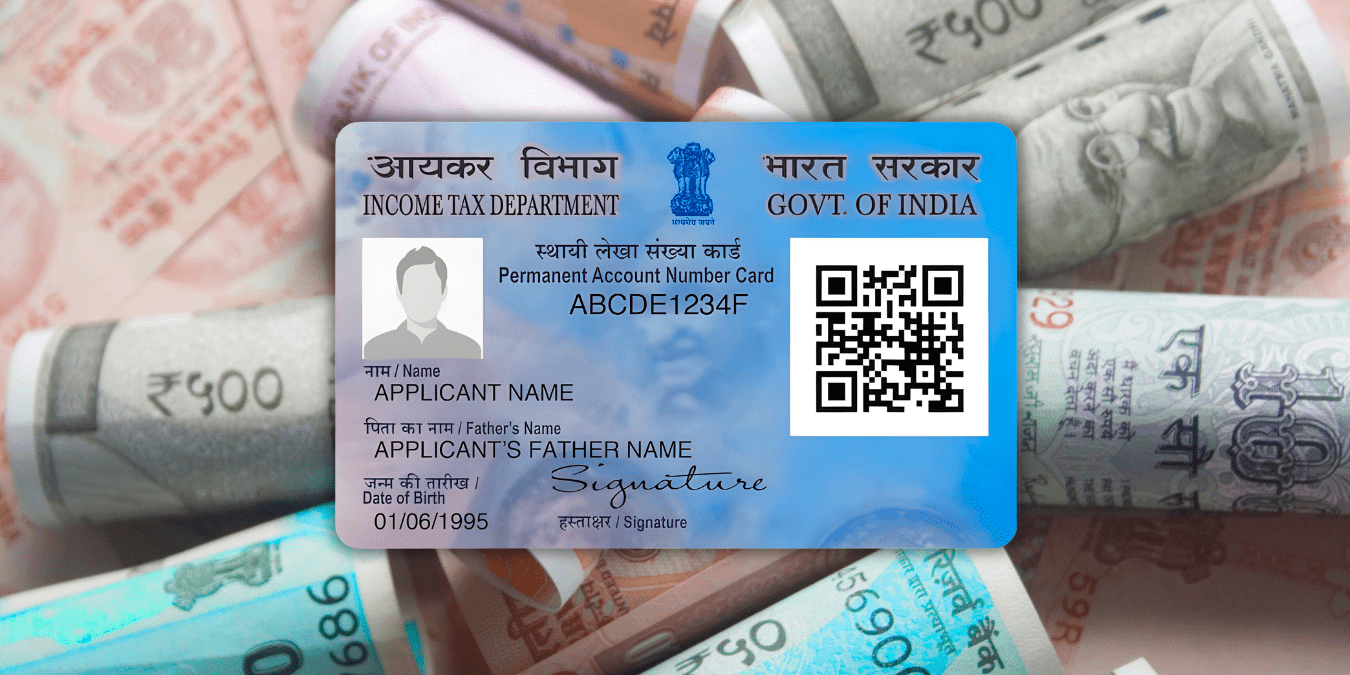
PAN Is Now Mandatory for Cash Above ₹10 Lakh, Cars Above ₹5 Lakh & Property Above ₹20 Lakh — Are You Ready for the New Surveillance Net?
PAN Is Now Mandatory for Cash Above ₹10 Lakh, Cars Above ₹5 Lakh & Property Above ₹20 Lakh
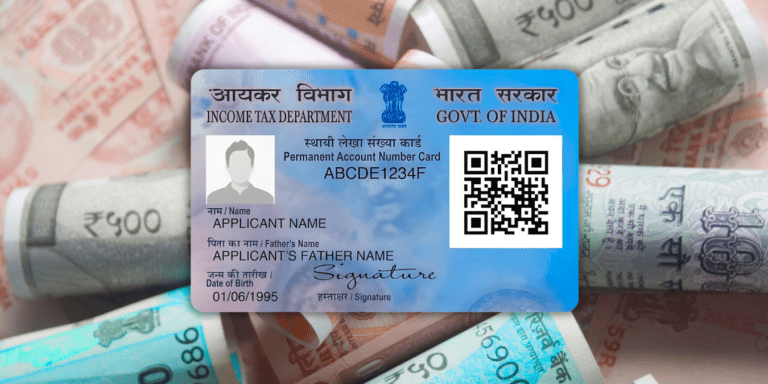
Are you ready for India’s new financial surveillance net? PAN is no longer just a tax filing tool. It has become the spine of India’s financial transparency framework — and the thresholds that trigger mandatory disclosure are stricter than most citizens realise.
point of sale
immovable property
India’s financial surveillance architecture has quietly grown into one of the most comprehensive in the developing world. If you’ve recently made a large cash deposit, bought a luxury car, or invested in real estate, the government already knows, or is about to. This isn’t fearmongering. It’s financial literacy you genuinely need in 2026.
The Income Tax Act, 1961, under Rule 114B, lays out a precise list of transactions that require quoting your PAN. These rules have been amended and strengthened over the years, and the Income Tax Department, in coordination with SEBI, RBI, and other regulatory bodies, actively monitors them.
What the Law Actually Says — Key Thresholds
Here are the key thresholds every Indian citizen must know. These are not suggestions. Failure to furnish PAN in any of these transactions can attract a penalty of ₹10,000 under Section 272B of the Income Tax Act.
Why the Government Is Tightening the Net
India has historically struggled with a large informal economy. Cash transactions — particularly large ones — have been a preferred route for tax evasion, money laundering, and undisclosed wealth accumulation. The government’s strategy has been multi-pronged.
Demonetization in 2016 was the blunt instrument. The introduction and mandatory linking of Aadhaar with PAN was the surgical one. And now, with the expansion of the Annual Information Statement (AIS) and Statement of Financial Transactions (SFT), the Income Tax Department is building a 360-degree financial profile of every taxpayer.
This is what financial insiders now call the “invisible audit” — a passive but continuous monitoring system that flags anomalies without the taxpayer ever knowing they are being watched.
When your bank, car dealer, property registrar, or mutual fund house reports a high-value transaction, it flows directly into your AIS. Tax officers can now see, almost in real time, whether your declared income matches your spending pattern. If you deposited ₹12 lakh in cash last year but declared a modest income, expect a notice.
The Real-World Impact: Three Scenarios
PAN and the Larger Surveillance Architecture
PAN is just one piece of a larger puzzle. The Income Tax Department has been building an integrated data ecosystem over the past decade. All of this data converges into the Annual Information Statement (AIS), which every taxpayer can now view on the Income Tax portal. The government has also deployed Artificial Intelligence and machine learning tools to detect patterns, mismatches, and anomalies.
What Happens If You Don’t Comply
| Non-Compliance | Legal Provision | Consequence |
|---|---|---|
| Failure to quote PAN | Section 272B | ₹10,000 Penalty |
| Income appears underreported | Section 148 / 148A | Tax demand notice issued |
| Failure to respond to notices | Section 144 | Best judgment assessment |
| Cash above ₹2L in one transaction | Section 269ST | Transaction itself is restricted |
| Deliberate concealment of income | Prosecution provisions | Criminal proceedings possible |
| ⚠ Non-compliance also affects your credit profile — banks use tax compliance data as an informal credit signal | ||
Common Myths — Busted
How to Stay Compliant Without Stress
Don’t wait for the dealer, bank, or registrar to ask. Carry a copy of your PAN card or have the number readily available when you know you’re entering a high-value transaction.
This is no longer optional. An unlinked PAN is treated as inoperative, meaning you cannot use it for high-value transactions and your TDS may be deducted at a higher rate of 20% instead of the applicable rate.
Log in to the Income Tax e-filing portal and check your Annual Information Statement regularly. If a transaction has been incorrectly reported, you can submit feedback directly on the portal. Correcting discrepancies before an assessment saves enormous hassle.
For every large transaction, keep a paper trail — bank statements showing the source of funds, gift deeds for family transfers, agricultural income certificates, or business P&L statements. All of this becomes your shield in case of a notice.
Filing a nil or low-income ITR while conducting high-value transactions demonstrates voluntary disclosure and reduces the presumption of concealment. This is perhaps the most underrated piece of advice.
Before buying property, making a large cash deposit, or investing significantly, a one-hour consultation with a Chartered Accountant can save you from years of tax litigation. This is not an expense — it is risk management.
Who Is Most Vulnerable
India’s Journey Toward Financial Formalization
What we are witnessing is not just regulatory tightening. It is the culmination of a decade-long strategy to formalize India’s economy. The GST network, UPI’s real-time transaction tracking, Aadhaar-linked banking, and now the AI-powered AIS — these systems are not independent. They are designed to work together, cross-referencing data across agencies to build a complete financial picture of every Indian adult.
This is not unique to India. The United States has FATCA, the European Union has its Common Reporting Standard (CRS), and the OECD has been pushing for global financial transparency since 2014. India is simply catching up, and in some ways, given the sophistication of its digital infrastructure, it’s catching up fast.
The era of financial anonymity is over. PAN is your financial identity. Every large transaction you make is being recorded, cross-referenced, and analysed. The question isn’t whether you are being watched. The question is whether what they see matches what you’ve declared. If the answer is yes, you have nothing to worry about.
Surveillance or Accountability?
The Answer Lies in Your Financial Records.
For the average Indian citizen making legitimate transactions, the message is clear: PAN is your financial identity. Every large transaction you make is being recorded, cross-referenced, and analysed. If what the government sees matches what you have declared — you have nothing to worry about. If not, now is the best time to make it right, before the system makes it right for you.
quoting PAN
built via AIS + SFT
under mandatory PAN