No Gas, No Food? Hyderabad's Restaurant Owners Warn of Mass Shutdown Within 48 Hours Due to LPG Crunch
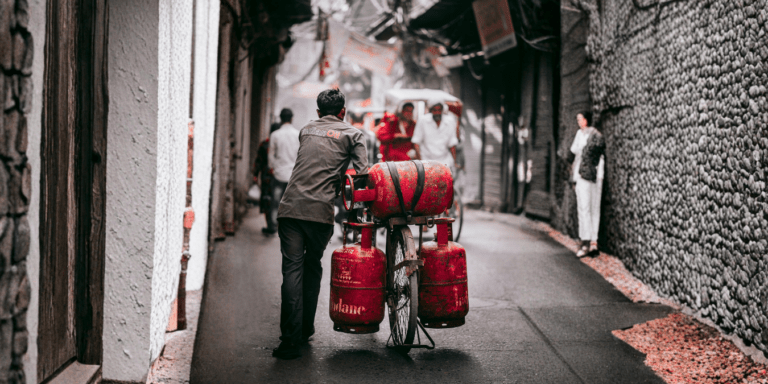
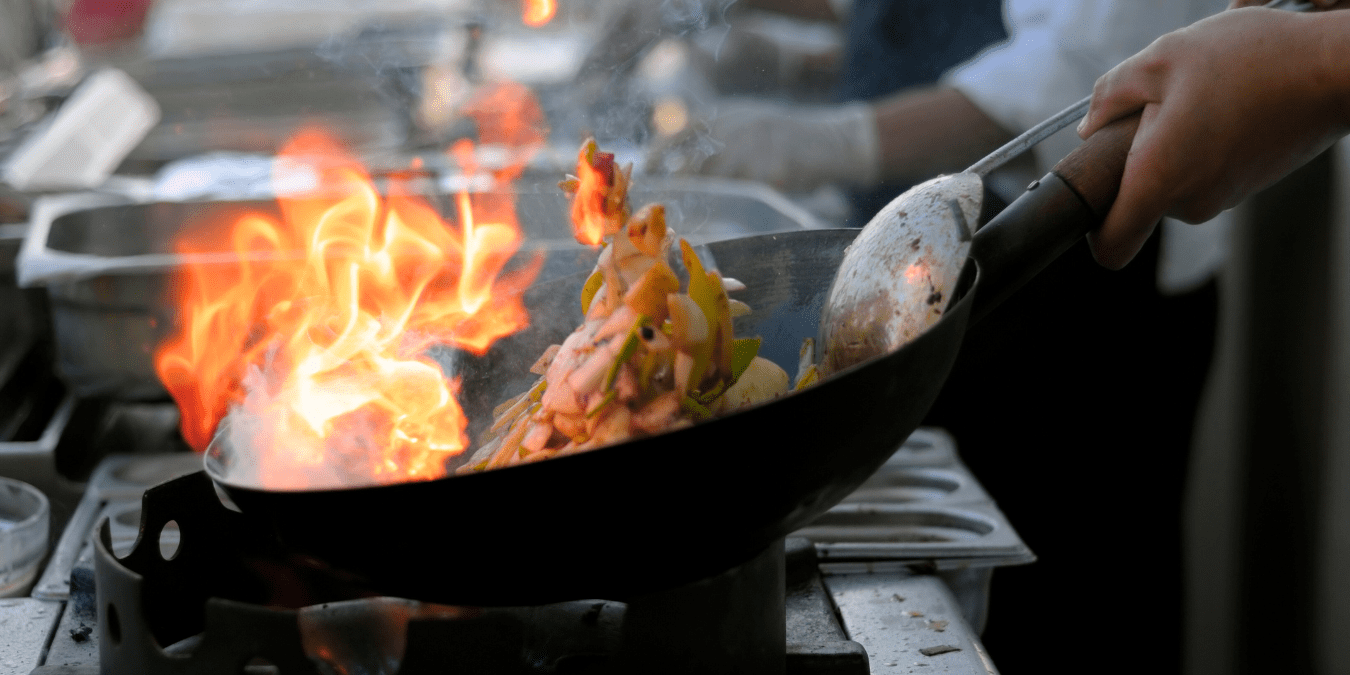
Hyderabad’s vibrant food scene faces an unprecedented threat as commercial LPG supplies dwindle, prompting owners to predict 80-90% of eateries could shutter operations by March 13, 2026. This crisis, triggered by global conflicts, endangers jobs, tourism, and daily meals for millions amid Ramzan festivities.
Crisis Origins
The LPG shortage stems from escalating tensions in West Asia, including attacks by Israel and the US on Iran and the shutdown of the Strait of Hormuz, disrupting India’s imports of 85-90% of its oil and natural gas. India consumes 31.3 million tonnes of LPG annually, with 87% for domestic use, leaving commercial sectors vulnerable when supplies tighten.
In response, the Union Ministry of Petroleum and Natural Gas invoked the Essential Commodities Act, prioritizing households, hospitals, and essential services over restaurants and hotels. This redirection has halted deliveries to eateries for 3-4 days, with stocks lasting only 24-48 hours for most small and medium outlets.
Prices have surged too: a 19kg commercial cylinder, normally Rs 1,800-1,900, now fetches up to Rs 3,000 on potential black markets.
Voices from the Frontline
Mohammed Ayub of Aazebo restaurant in Tolichowki warns that 80% of operations could halt by March 11 evening, impacting sehri services during Ramzan. “It’s a serious situation,” he told Siasat.com, noting a dip in customers opting for home meals.
S Ram Murthy, Treasurer of Telangana State Hotel Association (TSHA), predicts 90% shutdowns across Hyderabad and Telangana, as small hotels hold just 1-2 days’ stock. A single medium hotel supports 500 livelihoods; a collapse risks lakhs of jobs for chefs, servers, and gig workers.
Cloud kitchen owner Muhammad Yusuf of Biryani Souq in Jubilee Hills received only 3 of 10 ordered cylinders, leaving his 55-employee team uncertain. Junaid Aziz of Hotel Nayab in the Old City is shifting to wood stoves, but costs are rising and setups take time.



Ramzan and Broader Impacts
Timing worsens the blow during Ramzan, with iftar crowds and late-night dining boosting demand. PGs and hostels in Gachibowli, Kukatpally, and Madhapur report 75% supply drops, threatening meals for students.
Tourism faces hits as summer peaks approach post-exams, damaging Hyderabad’s food capital image. The sector, India’s second-largest employer after railways, could spark unemployment waves and supply chain disruptions.
A 30-seater restaurant needs 25 cylinders monthly; without them, cascading effects hit vendors and gig economy workers.
Government Actions
Telangana’s Civil Supplies Commissioner M Stephen Raveendra claims normalcy, with 2.3 lakh daily cylinders supplied, urging no panic. Yet, ground reports contradict this, showing vendor unavailability.
TSHA wrote to Minister N Uttam Kumar Reddy, requesting essential service status and 50% quota restoration to enable partial operations via electricity or firewood. Centrally, refineries boost production by 10%, with a 25-day domestic booking gap to curb hoarding.
A three-member OMC panel (IOC, HPCL, BPCL) aims for equitable distribution, exempting hospitals and hostels.
Adaptation Strategies
Some pivot: Shah Ghouse Café switched to firewood for dum biryani, reviving traditional methods. Others eye charcoal, electric stoves, or menu cuts to frying/grilling, though flavor and efficiency suffer.
Safety rules limit stockpiling, so black market risks loom despite warnings. Larger chains with reserves may last a week, but 40,000 Telangana eateries (20,000 in Hyderabad) can’t.
| Adaptation Method | Pros | Cons | Examples |
| Firewood/Charcoal | Traditional flavor for biryani | Higher costs, smoke, setup time | Shah Ghouse, Hotel Nayab |
| Electric Stoves | Clean, reliable | High power bills, not for all dishes | Proposed by TSHA |
| Menu Simplification | Reduces fuel use | Limits offerings, customer dissatisfaction | Dine Hill considering |
| Black Market | Immediate access | Double price (Rs 3,000/cylinder), illegal |
National Ripple Effects
The crunch hits nationwide: Bengaluru and Mumbai associations declare emergencies, with 50-60% Mumbai closures predicted. NRAI urged Minister Hardeep Singh Puri for intervention.
Chennai’s Adyar Ananda Bhavan turned off gas stoves; Delhi and others face similar strains. National Restaurant Association warns of “catastrophic closures.”
Path Forward
TSHA seeks 50% supply to sustain workers; prolonged crisis risks black markets and domestic shortages. Owners plead for outreach, clarity on duration.
For consumers: Stock home essentials, support eateries with pre-orders if open. Restaurants: Diversify fuels now. Watch for government updates—refinery ramps may ease soon.
This tests Hyderabad’s resilience, but unified action could avert disaster. As of March 11, 2026, clocks tick toward potential shutdowns.