LPG Cylinder Shortage Hits Mumbai, Bengaluru Eateries Hard: Government's Swift Response Amid Iran Conflict Crisis
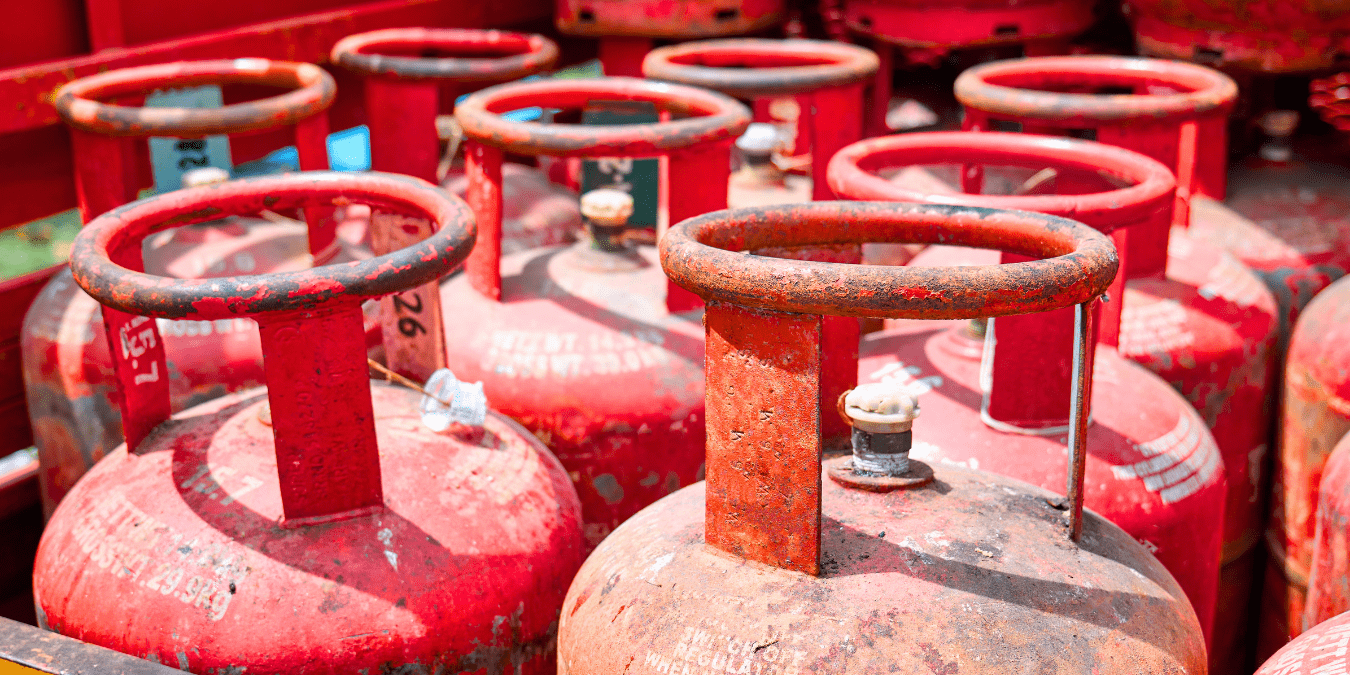
A sudden shortage of commercial LPG cylinders has gripped eateries in Mumbai and Bengaluru, threatening shutdowns amid global supply disruptions. The Indian government has responded swiftly by prioritizing household supplies and boosting domestic production.
Crisis Unfolds in Major Cities
Commercial LPG supplies to restaurants and hotels halted abruptly since March 8, 2026, leaving operators with just days of stock. In Mumbai, Vijay Shetty, president of the India Hotels and Restaurant Association, warned that all restaurants could shut within two days without intervention, escalating from 10-20% affected initially to potentially 100%.
Bengaluru faces similar woes, with hotel associations flagging operations halting from March 10 onward due to the supply crunch. The National Restaurant Association of India (NRAI) alerted Petroleum Minister Hardeep Singh Puri, describing it as a “widespread disruption” risking catastrophic closures.
Kolkata and other cities like Pune and Chennai report delays, with refill waiting periods stretching to eight days. Street vendors, cloud kitchens, and even crematoriums in Pune have paused services, amplifying the chaos.
Root Causes: Geopolitics and Import Dependency
The shortage stems from geopolitical tensions in West Asia, including US and Israel strikes on Iran, disrupting shipments through the Strait of Hormuz—route for 85-90% of India’s LPG imports. India imports two-thirds of its 38-39 million tonnes annual LPG needs, mainly from Gulf nations like Saudi Arabia, UAE, Qatar, and Kuwait.
Recent price hikes compounded the issue: domestic 14.2 kg cylinders rose by Rs 60 to around Rs 912 in Mumbai, while 19 kg commercial cylinders jumped Rs 115 to nearly Rs 1,883 in Delhi. A March 5 government order diverted propane and butane to LPG production for households, sidelining commercial users.
Household panic buying added pressure, with dual-connection users queuing up and dealers imposing a 25-day inter-booking period to curb hoarding and black marketing. This prioritization left eateries vulnerable, pushing some toward risky illegal domestic cylinder use.
Government Response: Swift Measures
The Ministry of Petroleum and Natural Gas directed oil refineries to ramp up LPG output using extra propane and butane exclusively for domestic use. Oil marketing companies (IOCL, BPCL, HPCL) must prioritize households, hospitals, and schools with imported non-domestic LPG.
A three-member committee of executive directors from OMCs reviews supply requests from restaurants and industries. India explores alternative imports from Algeria, Australia, Canada, Norway, Russia, and even the US (10% via a historic deal).
No ban exists on commercial supplies, clarified the government, amid political backlash—Karnataka CM Siddaramaiah criticized price hikes and disruptions. These steps aim to stabilize within days, per officials.



Economic Ripple Effects
India’s hospitality sector, employing millions, faces massive losses; Maharashtra’s 9,000 eateries alone risk closure, spiking unemployment in labor-intensive kitchens. Daily operations in Mumbai and Bengaluru grind to a halt without gas for cooking, idling staff and spoiling inventory.
Consumers may see menu price surges or limited offerings if eateries survive on alternatives. Broader economy feels the pinch: reduced tourism footfall, supply chain hits for food suppliers, and black market risks inflating costs dangerously.
Small vendors in Lucknow (14,000 cylinders daily) and Pune report similar fears, underscoring national scale. Long-term, sustained shortages could dent GDP contributions from food services, already pressured by post-pandemic recovery.
| Impact Area | Mumbai/Bengaluru Specifics | Broader Effects |
| Restaurants | 100% shutdown risk in 2-3 days | 9,000+ closures in Maharashtra |
| Jobs | Kitchen staff layoffs imminent | Millions in hospitality at risk |
| Prices | Menu hikes expected | Black market for domestic cylinders |
| Operations | Refills delayed 2-8 days | Crematoriums, vendors halted |
Industry Voices and Warnings
FHRAI and NRAI penned urgent letters to Minister Puri, highlighting ground-level chaos. “By tomorrow, 60%; day after, 100% impact,” warned Shetty, urging state intervention from Maharashtra’s Chhagan Bhujbal.
Bengaluru operators predict Tuesday halts, with NRAI calling for immediate commercial allocations. Dealers note reduced supplies from plants like Chakan, refusing refills to prevent hoarding.
Potential Alternatives for Eateries
Short-term fixes include biomass stoves like Oorja, 30-40% cheaper but limited for heat control—suitable for lentils, not Chinese dishes. Piped natural gas (PNG) offers reliability where available, though infrastructure lags in many areas.
Electric induction cooktops gain traction for small setups, cutting gas dependency amid rising renewables. Long-term, biogas from waste or solar-thermal could emerge, but capex and retrofitting challenge SMEs.
| Alternative | Pros | Cons |
| Biomass (Oorja) | 30-40% cheaper, eco-friendly | Poor heat regulation, needs pellets |
| PNG | Steady supply, cleaner | Limited urban coverage |
| Electric | No fuel shortage risk | High upfront costs, power needs |
Looking Ahead: Diversification Imperative
Government diversification to US, Russia, and others signals resilience, but over-reliance on imports (80% via Hormuz) demands domestic production hikes and renewable shifts. Eateries should stockpile safely, explore hybrids, and lobby for equitable allocations.
As of March 10, 2026, supplies trickle in selectively, but full normalcy may take weeks. This crisis underscores energy security’s fragility in a volatile world—prompting eateries to innovate beyond LPG.