Hyundai’s $6.3 Billion AI and Robot Bet: A New Industrial Blueprint
What if a car giant secretly built a robot‑powered city in South Korea? Hyundai’s $6.3 billion AI data centre and humanoid‑robot factory could rewrite manufacturing, jobs, and energy—while quietly challenging Tesla’s Optimus and reshaping the future of industry in ways almost no one saw coming.
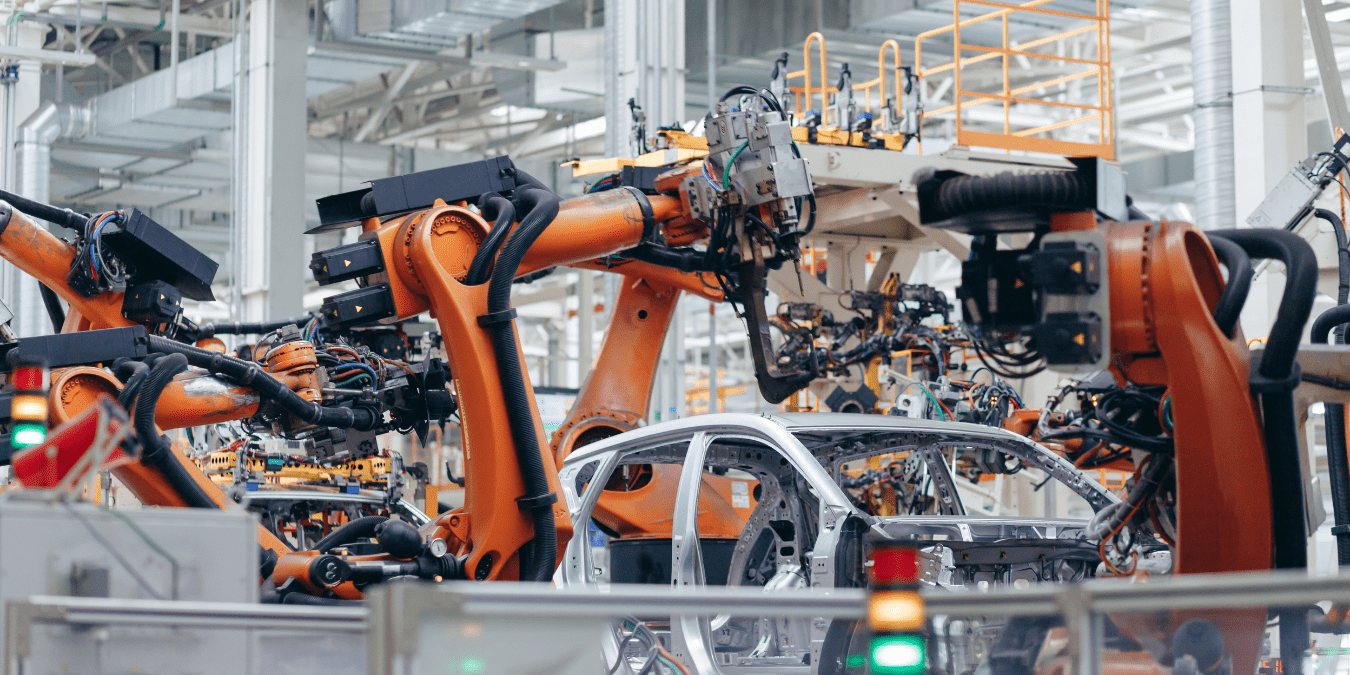
Hyundai Motor Group has quietly moved from being “just” a carmaker into a full‑stack industrial platform spanning AI, hydrogen, and robotics. In February 2026, the Group signed an agreement with the South Korean government to invest about 9 trillion won ($6.3 billion) in the Saemangeum reclaimed coastal region, building an AI data centre, a robot‑manufacturing cluster, and a green‑hydrogen ecosystem. This is not a side project; it is the core of Hyundai’s “Physical AI” strategy, positioning the company to compete with Tesla’s Optimus and other global robotics players using its Boston‑Dynamics‑developed Atlas humanoid robot.
For readers scrolling through Google Discover, the hook is simple: a traditional car company is spending billions to build a robot‑powered, AI‑first industrial city—and it matters to jobs, energy, and the future of manufacturing worldwide.
What Hyundai Is Actually Building
At the heart of the plan is a 5.8 trillion‑won AI data centre housing roughly 50,000 GPUs, designed to train models for autonomous driving, software‑defined vehicles, and robotics learning. This centre will sit alongside a 400‑billion‑won robot factory in Saemangeum (about 270 km southwest of Seoul), capable of producing wearable exoskeletons, industrial robots, and logistics platforms at scale.
Hyundai is also investing 1 trillion won in a green‑hydrogen plant that will produce up to 80 tons of hydrogen per day via water electrolysis, plus 1.3 trillion won in on‑site solar power to partially run the complex. Together, these facilities form a self‑reinforcing loop: AI trains robots, robots automate factories, and hydrogen‑plus‑solar keeps the system relatively low‑emission.
From a business‑strategy angle, this mirrors how Apple vertically controls silicon, software, and services, but applied to physical AI and energy. Hyundai no longer wants to just sell cars; it wants to sell AI‑driven mobility and robotics ecosystems.



Why This Is a Physical AI Power Play
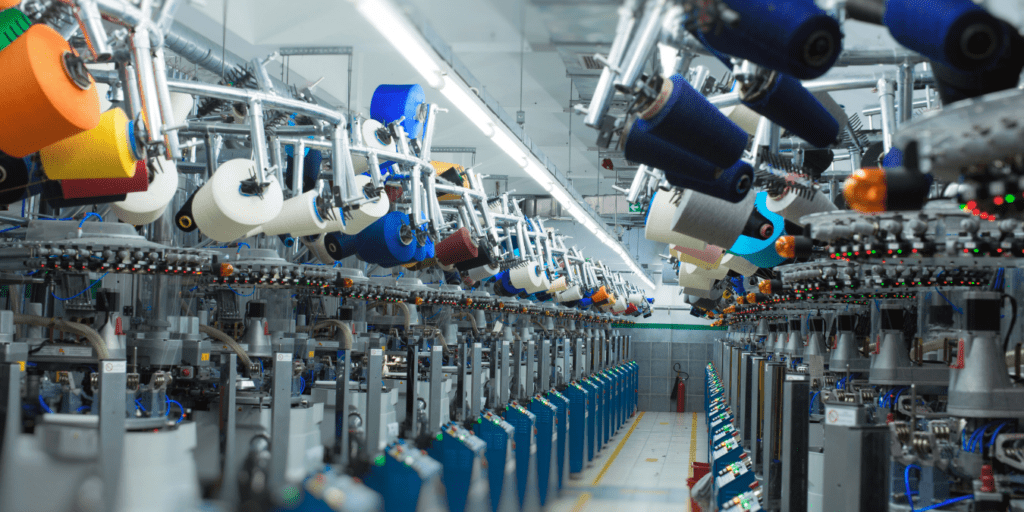
Hyundai’s leadership now talks openly about “Physical AI”—AI systems that can operate in the real world through robots, vehicles, and industrial machines. At CES 2026, the Group unveiled its AI Robotics Strategy, showcasing Atlas as a “human‑centred” robot that can recover from falls, navigate complex terrain, and handle heavy tasks (up to 50 kg) across a wide temperature range.
The new Saemangeum investment connects those demonstrations to hard‑nosed economics:
- Robots produced at the factory will continuously learn by connecting to the 50,000‑GPU AI data centre.
- The first industrial use‑cases are repetitive factory work such as kitting vehicle components, with plans to expand into more complex assembly by 2030.
For a tech‑savvy Discover audience, that’s the key: Hyundai is treating robots as a variable cost, not a one‑time capex, by baking AI‑driven adaptation into the hardware. That’s also why analysts estimate the global humanoid‑robot market could reach around $5 trillion by 2050, giving Hyundai a huge first‑mover option.
Atlas vs. Optimus: The New Electric‑Robot Race
Much of the media attention has focused on the Atlas–Optimus rivalry, and for good reason. Tesla’s Optimus and Hyundai’s Atlas share DNA: both rely on batteries, motors, sensors, and AI, and both target industrial and logistics work early. But Hyundai’s approach is more ecosystem‑centric, tying Atlas to a national‑scale AI and hydrogen cluster, whereas Tesla tends to emphasise its own vertically integrated path.
Hyundai’s acquisition of Boston Dynamics in 2021 gave it advanced mobility and balance algorithms; now the Saemangeum factory will mass‑produce those capabilities rather than just showcasing them at trade shows. The plan is to deploy Atlas in Hyundai’s own factories first, then sell or license robots to other manufacturers—a strategy that echoes how Tesla initially used its own gigafactories as reference sites before exporting the “Tesla‑factory” playbook.
For readers on Google Discover, the takeaway is that the next big tech‑platform war may not be about phones or even cars, but about who can master physical AI at scale.
AI Data Centre as a Robotics Brain
The 50,000‑GPU AI data centre is the linchpin of Hyundai’s strategy, and its scale is eye‑opening. By comparison, many large tech firms still run training clusters in the thousands of GPUs; Hyundai is building a single‑campus AI compute hub that rivals mid‑tier cloud regions.
This centre will be used for:
- Training autonomous‑driving models for Hyundai, Kia, and Genesis vehicles.
- Developing robot‑control policies for Atlas and other industrial platforms.
- Running simulation environments where robots can “learn virtual shifts” before operating in real factories.
Hyundai’s earlier partnership with NVIDIA—to build a national “physical AI cluster” using Blackwell‑class accelerators—means this centre will likely be optimized for real‑time, low‑latency inference as well as large‑batch training. For enterprise and tech‑curious readers, this hints that Hyundai may one day offer AI‑and‑robotics as a service to other manufacturers, not just use it internally.
Hydrogen and Solar: The Green Backbone
A surprising but important element of the plan is the green‑hydrogen and solar infrastructure. The 1‑trillion‑won electrolysis plant will produce 80 tons of hydrogen per day, while the solar plant adds another 1.3 trillion won of investment to offset grid demand.
From a climate‑policy perspective, this aligns with South Korea’s net‑zero commitments and its push to diversify beyond batteries alone. From an industrial‑strategy angle, hydrogen can:
- Power stationary fuel cells for data‑centre backup and factory loads.
- Feed into hydrogen‑powered vehicles or logistics robots over time.
For readers who care about sustainability, this transforms Hyundai’s project from a purely tech‑driven gamble into a climate‑aligned industrial renewal scheme.
Jobs, Regions, and Korea’s Industrial Future
South Korean officials have framed this project as a regional‑development engine. Hyundai’s plan is expected to create around 71,000 jobs directly and indirectly, drawing in global partners and startups to the Saemangeum area.
Saemangeum is a reclaimed coastal zone in North Jeolla Province, historically underdeveloped compared with Seoul‑centric growth. By anchoring an AI and robotics cluster there, Hyundai helps the government rebalance the economy away from over‑concentration around the capital.
For readers in India, the US, or Europe, this is a familiar script: big‑name companies committing to “periphery” regions in exchange for policy support and long‑term talent pipelines. It’s a reminder that AI and robotics competitiveness isn’t just about algorithms; it’s about where you build the physical infrastructure.
Why This Matters for Global Manufacturing
Hyundai’s $6.3 billion bet is a template for how legacy automakers can reinvent themselves. Faced with pressure from US tariffs, rising Chinese EV competition, and slower EV adoption in some markets, Hyundai is diversifying into robotics, AI, and hydrogen—all areas where its core manufacturing muscle gives it a natural edge.
For readers on Google Discover, the broader lesson is clear:
- The next decade of industrial innovation will be driven by AI‑enabled automation, not just traditional capital‑intensive plants.
- Companies that integrate AI, robotics, and clean energy into a single industrial campus—like Hyundai’s Saemangeum hub—will likely set the standards for global manufacturing.
This is not science fiction; it is a real‑world blueprint that smaller manufacturers and policymakers can study as they plan their own transitions into the AI‑driven era.
Final Takeaway for Discover‑Style Readers
If you’re scrolling through Google Discover and see a headline about Hyundai spending $6.3 billion on AI and robots, what you’re really seeing is:
- A former carmaker evolving into an AI‑and‑robotics platform player.
- A national‑scale experiment in Physical AI, anchored by one of the world’s largest AI‑compute campuses for robotics.
- A jobs‑and‑regional‑development story wrapped in high‑tech ambition, with hydrogen and solar underpinning the growth.
Whether you care about investing, careers, climate, or simply where technology is headed next, Hyundai’s robot‑powered, AI‑driven factory city in South Korea is a signal worth watching.
Disclaimer: The use of any third-party business logos in this content is for informational purposes only and does not imply endorsement or affiliation. All logos are the property of their respective owners, and their use complies with fair use guidelines. For official information, refer to the respective company’s website.