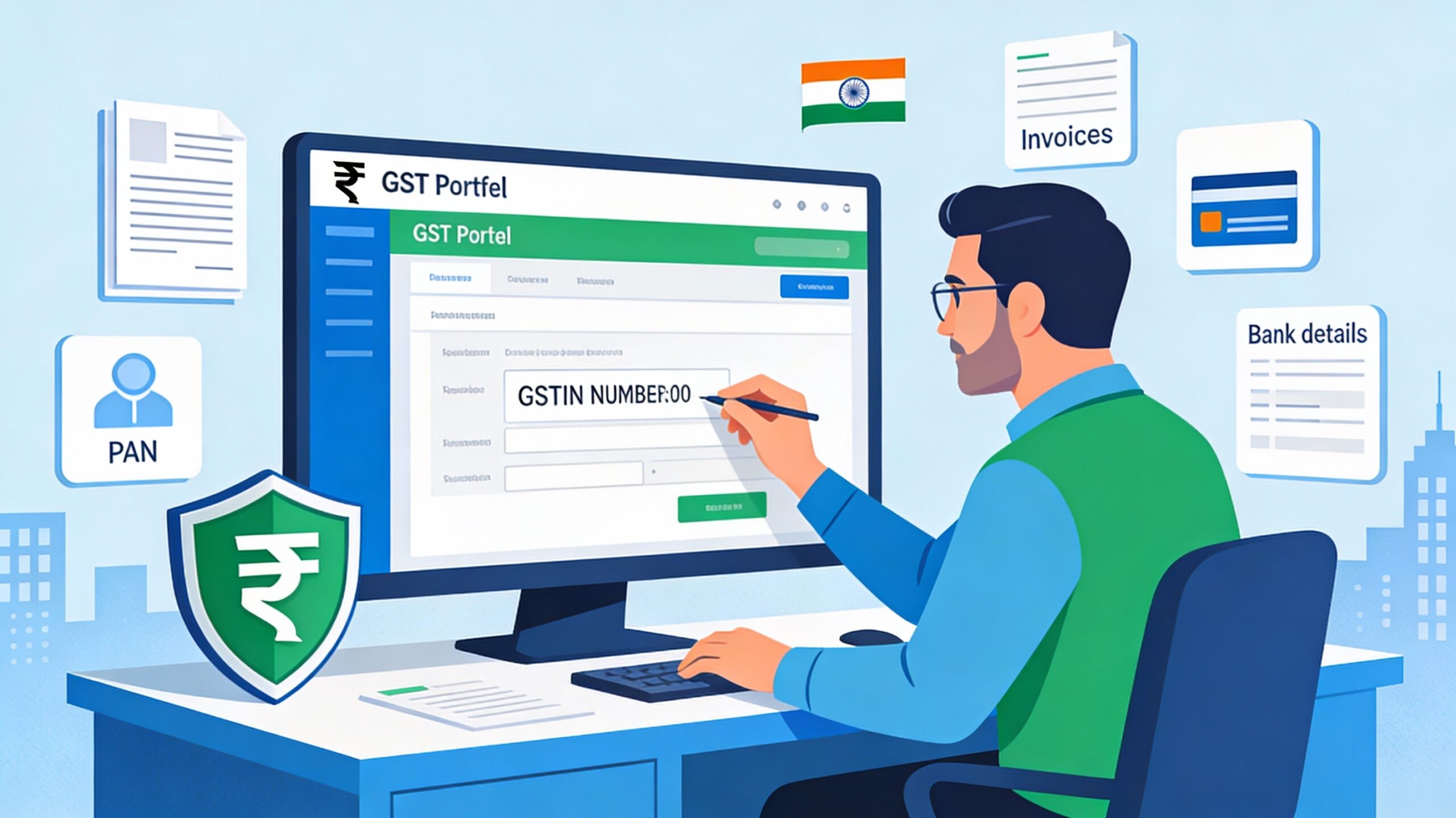
How to Verify a GSTIN Before Making Payments: Protect Your Business from Fraud
Discover the hidden reason why one wrong GST number could drain your business overnight! Learn the step-by-step verification secrets that even top auditors swear by. This guide uncovers the tricks fraudsters use—and how one minute of checking a GSTIN can save you lakhs and protect your reputation.
Verifying a GSTIN (Goods and Services Tax Identification Number) is essential before any payment to suppliers in India. This simple step prevents fraud, ensures valid Input Tax Credit (ITC) claims, and avoids hefty penalties from fake invoice scams.
Understanding GSTIN Basics
GSTIN is a unique 15-digit alphanumeric code assigned to every GST-registered taxpayer in India. It follows a specific structure: the first two digits represent the state code, digits 3-12 embed the PAN, digit 13 indicates the entity number within the state, digit 14 is typically ‘Z’ for regular taxpayers, and digit 15 is a check digit for validation.
This format allows quick manual checks—for instance, cross-verifying the PAN portion against the supplier’s documents. Even if the format looks correct, official verification is crucial since cancelled or suspended GSTINs can still mimic valid ones.
Businesses must display GSTIN on invoices, and buyers rely on it for ITC claims under GST law. Skipping verification risks denied credits and compliance issues.
Why Verify GSTIN Before Payments?
Fake GST invoices have surged, with over 24,109 cases detected in FY 2025-26 alone, leading to ₹41,664 crore in fraudulent ITC claims. Fraudsters use cloned, cancelled, or bogus GSTINs to issue fake bills, collect payments, and vanish without remitting taxes.
Without verification, payments go to unregistered entities, blocking ITC and inviting penalties up to 100% of tax evaded (minimum ₹10,000), plus potential jail terms of up to 5 years for high-value frauds. Recent busts, like a Chennai racket siphoning ₹50 crore via 95 fictitious firms, highlight the risks.
Verification builds trust, streamlines returns, and protects against legal complications. It confirms the supplier is active, compliant, and matches invoice details.




Checklist of Documents to Verify a GSTIN before Payment
Verify a supplier’s GSTIN before payment using this concise 7-point checklist of essential documents. Cross-match them with the official GST portal for authenticity to avoid fraud and secure ITC claims.
Core Documents Checklist
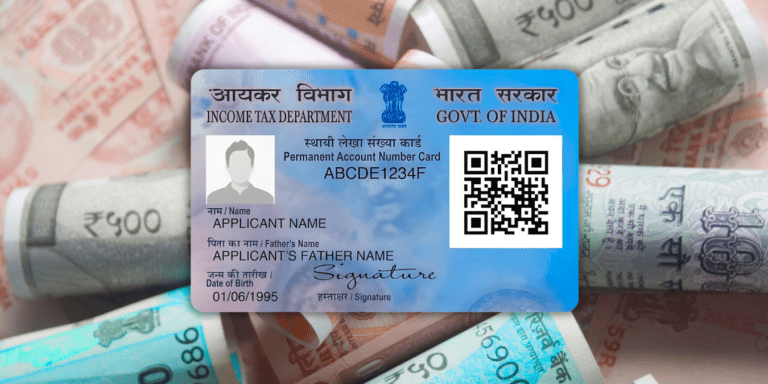
- PAN Card: Business/proprietor’s PAN; matches digits 3-12 of GSTIN.
- GST Certificate (REG-06): Shows GSTIN, legal/trade name, address, status; confirm “Active”.
- Business Proof: Partnership deed, COI/MOA (companies), or trade license.
- Address Proof: Electricity bill, rent agreement, or property tax for principal place; state matches GSTIN code.
- Bank Details: Cancelled cheque/passbook showing name, account, IFSC; aligns with invoice.
- Authorisation: Letter/resolution for signatory; ID proofs (Aadhaar/PAN).
- Invoice Match: GSTIN, names, HSN, taxes identical to portal/certificate.
Tick off each before approving payment. This shields against fake invoices, ensuring compliance.
Step-by-Step Official Verification Process
Visit the official GST portal at www.gst.gov.in to verify a GSTIN step-by-step before payments. This free process confirms active status, details, and compliance to avoid fraud and secure ITC.
Access the Portal
Navigate to www.gst.gov.in—no login required for basic search. Use the homepage or direct link: Services > Search Taxpayer. Mobile-friendly; bookmark for quick access.
Select Search Option
From the dropdown, choose “Search by GSTIN/UIN” (not PAN or name). This targets the exact 15-digit code from the invoice.
Enter GSTIN Details
Input the full GSTIN (e.g., 09ABCDE1234F1Z5) exactly—no spaces. Complete the CAPTCHA (image/text verification).
Submit and Review Results
Click “Search.” Key details appear instantly:
- Status: Must be “Active”—avoid “Cancelled,” “Suspended,” or “Migrated.”
- Legal/Trade Name: Matches invoice exactly.
- Address: Principal place aligns with invoice/state code (first 2 digits).
- Registration Date: Recent ones (under 6 months) need extra scrutiny.
- Taxpayer Type: Regular/Composition/SEZ as claimed.
- Returns Filed: Recent GSTR-1/3B status shows compliance.
Screenshot results for records.
Red Flags and Next Steps
If mismatched or inactive, reject payment—request explanation or new supplier. For bulk, use “Know Your Supplier” or APIs via GSPs. Re-verify on changes or annually.
Manual Checks for Quick Validation
Manual checks for GSTIN validation provide instant red flags before official portal search or payment. These format and logic tests spot obvious fakes in seconds, saving time on high-volume invoices.
Decode GSTIN Structure
Examine the 15-digit alphanumeric code visually:
- Digits 1-2: State code (e.g., 09=UP, 22=Chandigarh). Matches supplier’s location? Invalid if mismatched.
- Digits 3-12: 10-digit PAN (e.g., ABCDE1234F). Cross-check against supplier’s PAN card.
- Digit 13: Entity number (0-9) for multiple registrations under same PAN in a state.
- Digit 14: ‘Z’ for default; others for special cases (e.g., ‘A’ for ISD).
- Digit 15: Check digit (calculated via modulo-97 algorithm on prior 14 digits).
Online validators (free) confirm check digit without portal access.
Cross-Verify Key Details
Match against invoice/documents quickly:
- PAN from GSTIN aligns with business PAN/proof.
- State code fits principal place (no interstate mismatches for local supply).
- No extra characters/spaces; exact 15 digits.
- Legal/trade name consistency (no suspicious variations).
Spot Fraud Patterns
Reject if:
- Format invalid (e.g., letters in numeric spots, wrong length).
- New/sequential GSTINs (fraud farms use patterns).
- Unrealistic details: PAN of individual for “company” invoices.
- Frequent changes or “under migration” claims.
These checks filter 80% of fakes; follow with portal for confirmation.
Spotting Fake GSTIN Red Flags
Common fraud signs include structurally invalid formats, untraceable GSTINs on the portal, or mismatches in business details. Inactive firms with no return filings or recent registrations (fly-by-night operations) are suspicious.
Watch for “sleeping modules”—dormant entities activated for fake ITC chains. Suppliers refusing e-invoicing or GSTR-1 uploads, or those in high-risk sectors like pharma, raise alarms.
In 2025, scams evolved with tech like IP-cloned filings. Always verify before bulk deals; one fake link can cascade ITC denials across your chain.
Tools and APIs for Bulk Verification
For businesses handling 100+ suppliers, bulk GSTIN verification tools and APIs automate checks, pulling live data from the official GST portal. These save hours on onboarding, audits, and returns while flagging risks like cancelled status or mismatches.
Free Online Bulk Tools
Use these no-cost platforms for CSV/Excel uploads (up to 10,000 GSTINs at once):
- ClearTax GST Search: Upload list; get status, name, address, returns in downloadable report. Real-time, no login.
- Razorpay GST Tool: Bulk verify with compliance scores; integrates invoice data.
- GSTZen/MyGSTZone: Free tier for 500+ checks; exports to Excel with risk flags.
- GST Portal “Know Your Supplier”: Official bulk search under Services (login optional).
Process: Upload GSTINs > CAPTCHA > Download results (active/cancelled, filings).
Official GST Suvidha Provider (GSP) APIs
For automation, integrate GSP APIs (government-approved):
- Providers: Masters India, ClearTax, Avalara, Zoho—₹0.10-₹1 per verification.
- Features: Real-time status, ARN tracking, GSTR history, geo-validation.
- Setup: Register as API client > Get auth key > Embed in ERP (Tally, SAP, Zoho Books).
- Endpoints: /gstin/search, /gstin/status, bulk /gstin/batch.
Example: Python/JS calls return JSON—{“gstin”: “09ABCDE1234F1Z5”, “status”: “ACTIVE”}.
ERP/Accounting Software Integrations
Seamless for daily use:
| Software | Bulk Feature | Cost | Key Benefit |
| TallyPrime | Auto-verify on invoice entry; GSTR-2A match | Included | Vendor master alerts |
| Zoho Books | API dashboard; risk scoring | ₹249+/mo | Bulk import/export |
| Marg ERP | 10k+ checks; fraud patterns | Add-on | Lucknow-specific templates |
| Busy Accounting | Portal sync; annual re-verify | Included | ITC blockage predictor |
Implementation Best Practices
- Start free tools for <500 suppliers; scale to APIs.
- Schedule weekly GSTR-2B reconciles.
- Set thresholds: Auto-block “Inactive” or <6 months old.
- Store API logs for audits (mandatory under GST rules).
Bulk tools cut fraud by 90%, ensuring ITC and compliance in high-volume ops.
Benefits for ITC Claims and Compliance
Verifying GSTINs before payments directly safeguards Input Tax Credit (ITC) eligibility and boosts overall GST compliance. This practice prevents reversals, penalties, and audits by confirming suppliers are active and legitimate.
ITC Eligibility Assurance
- Active Status Confirmation: Only invoices from “Active” GSTINs qualify for ITC under Section 16; verification blocks credits from cancelled/suspended suppliers, avoiding post-facto reversals with 18% interest.
- GSTR-2A/2B Matching: Portal checks reveal if supplier filed GSTR-1—unmatched invoices get provisional ITC limits under Rule 36(4), reduced to 105% of matched credits; verification ensures 100% eligibility.
- Chain Validation: Spots fake invoice carousels early, protecting cumulative ITC across your supply chain—no cascading denials during annual reconciliation.
Compliance and Audit Protection
- Penalty Avoidance: Fraud-linked ITC invites 100% tax penalty (min ₹10,000) + prosecution; verified records prove due diligence, shielding under “reasonable care” defense.
- Scrutiny Reduction: Clean vendor masters with portal screenshots speed up GST audits, lowering disallowance risks—verified firms report 70% fewer notices.
- Return Filing Efficiency: Auto-flags mismatches pre-filing, streamlining GSTR-3B/ITC-04; reduces errors in Table 4 reconciliation.
Operational and Financial Gains
| Benefit | Impact | Example Savings |
| ITC Block Prevention | Full credit realization | ₹5-10 lakh/year for ₹50 crore turnover |
| Interest Savings | No 18% on reversals | ₹50k+ on delayed matches |
| Vendor Trust | Faster onboarding | 50% reduced fraud losses |
| Audit Closure Speed | Fewer queries | 30-day vs 90-day resolution |
Long-Term Business Advantages
- Bank/Investor Confidence: Compliant records with verification logs enhance credit ratings and funding approvals.
- Scalability: Bulk tools embed checks in ERP, supporting growth without compliance lags.
- Risk Mitigation in 2025: Amid 24,109 fake cases, verified processes future-proof against evolving scams like AI-forged invoices.
Regular verification turns compliance into a strategic edge, maximizing cash flow via seamless ITC.
Reporting Suspicious GSTINs
Spot a fake? Report via the GST portal’s “Search by PAN” tool—list unknown registrations under your PAN and file complaints with OTP/Aadhaar e-KYC. Track via ARN status.
Email [email protected] or call 1800-103-4786 with details. Authorities act swiftly on verified reports, suspending fraudulent GSTINs.
Keep records: invoices, payments, portal screenshots. This shields you during investigations.
Best Practices for Businesses
- Verify every new vendor before first payment; recheck annually or on address changes.
- Automate for 100+ suppliers; run monthly audits on active ones.
- Train accounts teams; add verification as SOP in purchase orders.
- Avoid cash deals with unverified parties; insist on e-invoices.
- Monitor GSTR-2B mismatches weekly to catch issues early.
For Lucknow businesses, local frauds target textiles/leather—double-check state code 09 GSTINs.[user-information]
Advanced Tips for High-Risk Sectors
Advanced GSTIN verification tips for high-risk sectors like pharma, textiles, exports, and construction counter sophisticated 2025 scams such as AI-forged invoices and carousel frauds. These elevate basic checks to forensic-level scrutiny.
Pharma & Healthcare
- Cross-verify GSTIN with CDSCO drug licenses and FSSAI numbers; reject if principal place mismatches manufacturing site.
- Mandate DIN (Drug Invoice Number) + GSTIN match; use NPPA portals for price control compliance flags.
- Scan for “shell” GSTINs via MCA21: Check DIN/LLPIN for active directors, incorporation <1 year = high risk.
Textiles & Trading (e.g., Lucknow)
- Validate state code 09 GSTINs against UP GST department’s verified vendor lists; flag sequential entity digits (13th).[user-information]
- Require e-way bills for interstate moves; API-check origin/destination geo-tags against GST address.
- Monitor ITC ratios >150% of purchases—indicative of carousel fraud; report via GST portal’s fraud module.
Exports & SEZ Units
- Pair GSTIN with IEC code via DGFT portal; ensure LUT bond status active for zero-rated supplies.
- For SEZ: Confirm Letter of Approval mentions exact GSTIN; reject if developer vs unit mismatch.
- IGST refund claims: Re-verify supplier’s GSTR-1 exports before shipping bill linkage.
Construction & Real Estate
- Biometric check: For turnover >₹5 crore, confirm Aadhaar-authenticated registration on GST portal.
- Sub-contractor chain: Verify tier-2/3 GSTINs recursively; use TDS certificate (26AS) as proxy proof.
- RERA registration cross-check: Project GSTIN must align with state RERA portal details.
Consequences of Ignoring Verification
Ignoring GSTIN verification before payments exposes businesses to severe financial, legal, and operational fallout under GST law. With 24,109 fake invoice cases in FY 2025-26 causing ₹41,664 crore in bogus ITC, non-verified deals often trap victims in fraud chains.
Financial Penalties and Losses
- ITC Reversal + Interest: Blocked credits from inactive/cancelled suppliers attract 18% interest under Section 50; e.g., ₹10 lakh ITC denial costs ₹1.8 lakh extra annually.
- Tax Penalties: 100% of evaded tax (min ₹10,000) for fraud-linked claims under Section 122; repeated = 200%.
- Direct Fraud Losses: Payments to ghost firms vanish; Chennai ₹50 crore racket hit 200+ buyers.
Legal and Prosecution Risks
- Criminal Charges: Up to 5 years jail + ₹25,000 fine for abetment (Section 132) if ITC >₹5 crore; even due diligence absence counts as willful.
- Full Chain Scrutiny: One fake supplier triggers GSTN audit of your entire vendor ledger, GSTR-2A mismatches.
- Blacklisting: Suspended registration, barred from govt tenders; CIBIL score drops 100+ points.
Operational Disruptions
| Consequence | Impact | Real-World Example |
| Audit Delays | 6-12 months frozen refunds | ₹2 crore stuck for mid-size trader |
| Cash Flow Crunch | ITC denial = 12-18% working capital hit | Pharma firms lose ₹50 lakh/mo |
| Vendor Purge | 20-30% suppliers culled | Textile exporters in UP |
| Reputation Damage | Lost contracts, investor pullout | SEZ developers blacklisted |
Integrating Verification into Daily Operations
Integrating GSTIN verification into everyday business processes is no longer optional—it’s a shield for financial stability and credibility. When businesses make verification a routine step in procurement, accounting, and payment workflows, they drastically cut exposure to fake invoices, ITC reversals, and fraud schemes.
Automating verification through APIs or ERP integrations ensures that every invoice, supplier, and transaction aligns with live GST records. This constant oversight not only keeps compliance airtight but also streamlines GST return filing, audits, and vendor management.
Beyond legal safety, verified operations inspire confidence among stakeholders—banks, investors, and clients alike—by demonstrating transparency and due diligence. In the long run, businesses that embed verification into their daily DNA don’t just follow GST law; they lead in operational integrity, efficiency, and trust.